When the first real cold snap arrives, a furnace that refuses to start turns a comfortable home into a stressful one fast. The thermostat calls for heat, the house gets colder, and nothing happens at the unit. Sometimes the furnace is completely silent, and other times it hums, clicks, or runs for a moment before shutting down.
The cause can be as simple as a thermostat setting, a tripped breaker, or a clogged filter, or it can involve the ignition system, gas supply, or a safety lockout. This guide walks through a logical diagnostic order so you can rule out the easy things first and recognize the point where a technician should take over.
Start With the Thermostat and the Call for Heat
The thermostat is the first place to check because it is the easiest to overlook. Confirm that the mode is set to Heat rather than Cool or Off, and raise the set temperature a few degrees above the current room temperature. Some thermostats require a moment to respond, so give the system a minute or two before assuming nothing is happening.
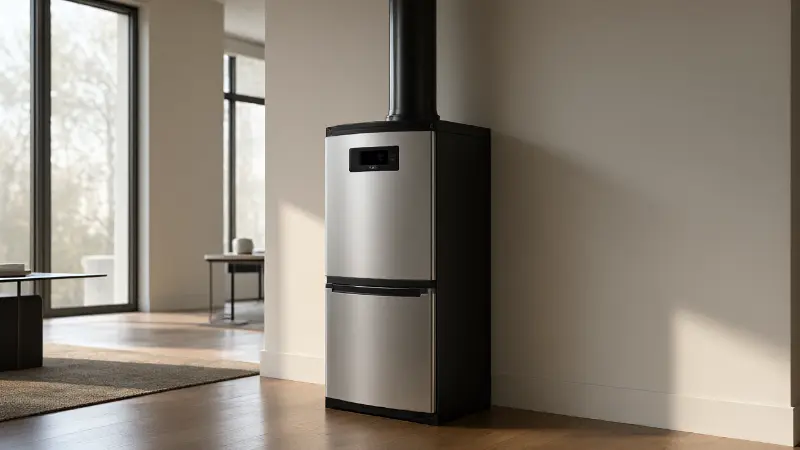
If the thermostat has a blank screen, a low-battery indicator, or an unresponsive display, replace the batteries if it uses them. A hard-wired thermostat with a blank screen may be losing low-voltage power from the furnace, which points to a different problem. Check that the thermostat is not following a schedule that is holding the temperature down during the hours you expect heat.
Confirm that the furnace power switch is in the On position. This switch often looks like a light switch on the side of the furnace or on a nearby wall or ceiling joist, and it is easy to flip accidentally during service or cleaning. If it was off, turn it on and see whether the furnace responds.
Check the Breaker, the Service Switch, and the Power Supply
Even a gas furnace needs electricity to run the blower, the inducer, and the control board. Open the breaker panel and look for a tripped breaker feeding the furnace circuit. Reset it once and watch what happens. If it trips again immediately, stop resetting it and treat the issue as an electrical fault that needs diagnosis.
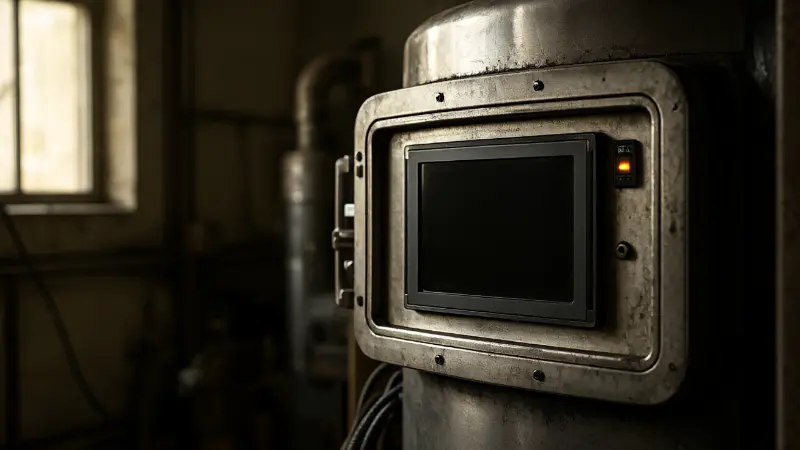
Some furnaces have a separate service switch near the unit, and some have a fuse on the control board. A blown low-voltage fuse can leave the thermostat blank and the furnace completely unresponsive. Replacing the fuse without finding the short that blew it often leads to a repeat failure, so this is a symptom to investigate rather than a permanent fix.
If the thermostat is blank and the furnace is silent even though the house has power, the problem may be in the low-voltage control circuit. A failed transformer or a shorted thermostat wire can produce the same symptom. A guide to the furnace transformer wiring diagram can help you understand how the low-voltage side is wired, but diagnosing and replacing a transformer is work for a qualified technician because line voltage is present nearby.
Replace the Air Filter and Clear Airflow Restrictions
A clogged air filter restricts airflow and can cause the furnace to overheat and shut down on a safety limit. If the filter is visibly loaded with dust, pet hair, or lint, replace it with the correct size and airflow direction. A filter that has been in place for months is a common reason a furnace runs briefly and then stops.
Check that supply registers and return grilles are not blocked by furniture, rugs, curtains, or stored items. A closed or blocked return can starve the system for air and create the same overheating condition. Make sure the blower compartment door is properly in place, because many furnaces will not run with the door removed or ajar.
If the furnace starts, runs for a few minutes, and then shuts off before the house reaches temperature, short cycling is the likely pattern. Dirty filters and restricted airflow are among the leading causes. A furnace that cycles frequently in very cold weather can be normal to some degree, but repeated short cycles that leave the house cold deserve attention.
Investigate the Ignition System and Flame Sensor
Modern furnaces use an electronic igniter rather than a standing pilot light. When the thermostat calls for heat, you may hear a click or see a glow at the igniter, followed by the sound of burners lighting. If you hear clicking but no ignition, or if the burners light and then go out after a few seconds, the ignition system or flame sensor may be involved.
A dirty flame sensor is a common cause of a furnace that lights and then shuts down. The sensor is a small rod that sits in the burner flame and confirms that ignition occurred. If it is coated with residue, the control board may not detect the flame and will shut off the gas valve as a safety measure. Cleaning the sensor is sometimes possible, but it requires access to the burner compartment and careful handling.
A failed igniter will not glow or will not get hot enough to light the gas. Igniters are fragile, and replacing one requires shutting off power and gas and handling the new part carefully. If you are not comfortable working inside the burner compartment, this is a reasonable point to call a technician. Do not attempt to light a modern furnace manually.
Check the pilot light on older furnaces
If your furnace has a standing pilot light, confirm that the flame is lit and blue. A yellow or lazy pilot flame can indicate a dirty orifice or a supply problem. Follow the manufacturer’s relighting instructions exactly, and if the pilot will not stay lit, the thermocouple or gas valve may need service.
Verify the Gas Supply and the Gas Valve
If the furnace ignites but the flame is weak, or if there is no ignition at all, confirm that gas is reaching the unit. The gas shutoff valve near the furnace should be open, with the lever parallel to the pipe. If the valve is perpendicular to the pipe, gas is off. Check whether other gas appliances in the home are working, which can help distinguish a whole-house supply issue from a furnace-specific problem.
A closed valve, an unpaid gas bill, or utility work in the area can interrupt the supply. If you smell gas at any point, do not try to diagnose the furnace. Leave the area, avoid switching anything on or off, and contact your gas utility or emergency services.
If gas is present and the valve is open but the furnace still will not light, the problem may be a faulty gas valve, a pressure issue, or a control board fault. These are not DIY repairs. Gas work carries serious safety risks and should be handled by a qualified technician.
Interpret Diagnostic Codes and Safety Lockouts
Many furnaces have an LED light on the control board that flashes a diagnostic code when a fault occurs. The pattern matters: a specific number of flashes often corresponds to a particular system, such as the pressure switch, limit circuit, or ignition sequence. Write down the code before you reset anything, because the code may clear when power is cycled.
If you have a Tempstar or a related brand and see three flashes, the code typically points to a pressure switch that did not close or reopened. That can involve a blocked vent, a condensate issue, or a weak inducer motor. A guide to Tempstar furnace 3 flashes explains the common causes and the diagnostic steps in more detail.
Repeated resets without diagnosis can hide the underlying problem and may allow a safety issue to continue. If the furnace locks out, note the code, check the obvious items such as the filter and vent, and call for service if the code returns. Do not bypass safety switches or jumper out components to force the furnace to run.
Consider Cold-Weather and Condensate Issues
High-efficiency furnaces produce condensate, and the drain line, trap, or pump can freeze or clog in cold weather. A blocked condensate drain can trigger a pressure switch fault and prevent the furnace from running. Check the visible drain tubing for kinks, ice, or standing water, and confirm that the drain terminates in a suitable location.
Combustion air intake and exhaust vent terminations can also be affected by snow, ice, or debris. If the vent is blocked, the pressure switch may not close, and the furnace will not fire. Clear any visible obstruction from the outside termination if you can do so safely, but do not climb onto a roof in poor conditions.
Extremely cold weather can also affect a marginal gas supply or a furnace that is struggling to maintain temperature. A furnace that runs almost continuously during a cold snap may be operating as designed, while one that cycles rapidly or shuts down repeatedly needs attention.
Know When to Call a Technician
Call a qualified HVAC technician if the furnace trips the breaker repeatedly, smells like burning or gas, shows a persistent diagnostic code, or will not ignite after the basic checks. Gas odors, scorched wiring, and repeated lockouts are safety issues rather than inconveniences. Do not continue to reset a furnace that keeps failing.
Some repairs are reasonable for a confident DIYer, such as replacing a filter, checking the thermostat, or clearing a visible vent obstruction. Other tasks, including gas valve work, igniter replacement, control board diagnosis, and transformer replacement, are better left to professionals. The cost of a service call is modest compared with the risk of an unsafe repair.
While you are handling heating issues, it is worth checking other systems that cold weather affects. A quick review of holiday hosting home repair tasks can help you catch related problems before guests arrive, and knowing how to handle a clogged kitchen sink after holiday cooking keeps a separate plumbing issue from adding to the stress. If you are doing seasonal maintenance on outdoor equipment, a guide to high temperature spray paint for engine parts may be useful for related projects.
Quick Reference: Symptoms and Likely Causes
The table below matches common furnace no-start symptoms with the conditions that most often produce them. Use it to organize your checks, and stop if a step involves gas, live electrical work, or a component you are not comfortable servicing.
| Symptom | Likely Cause | Safe First Step | When to Call a Pro |
|---|---|---|---|
| Thermostat blank, furnace silent | Batteries, low-voltage fuse, transformer, or wiring fault | Replace thermostat batteries; check furnace power switch | Blank screen persists after basic checks |
| Furnace hums but does not ignite | Failed igniter, gas valve, or control fault | Check gas valve position; listen for ignition sequence | No ignition after gas and power are confirmed |
| Burners light, then shut off after a few seconds | Dirty flame sensor or flame detection fault | Note the cycle; check filter and vent | Repeated shutdowns or diagnostic code |
| Furnace runs briefly and cycles repeatedly | Restricted airflow, dirty filter, or oversized unit | Replace filter; clear registers and returns | Short cycling continues after airflow fixes |
| Breaker trips when furnace starts | Electrical fault, shorted component, or motor issue | Reset once; stop if it trips again | Repeated trips require electrical diagnosis |
| Diagnostic LED flashes a code | Pressure switch, limit, ignition, or other fault | Record the code; check filter and vent | Code returns after basic checks |
| Gas smell near the furnace | Gas leak or supply problem | Leave the area; do not operate switches | Contact gas utility or emergency services |
Use the table to narrow down the likely cause, but do not skip the safety basics. A furnace that is unresponsive for an electrical reason should not be repeatedly reset, and a gas odor should never be investigated with a flame or a switch. When in doubt, stop and call for help.
FAQ
Why does my furnace run but not heat the house?
A furnace that runs but delivers little or no heat may have a dirty flame sensor, a gas supply issue, or a problem with the burners. It can also be an airflow problem that causes the furnace to overheat and shut down. Check the filter and confirm that the gas valve is open before calling for service.
Can a dirty filter stop a furnace from starting?
A severely clogged filter can cause the furnace to overheat and trip a safety limit, which shuts the unit down. Replacing a dirty filter is one of the simplest steps and often restores normal operation. If the furnace still will not run after a filter change, investigate other causes.
What does it mean if my furnace clicks but does not ignite?
Clicking usually indicates that the ignition sequence is starting but the burners are not lighting. This can point to a failed igniter, a gas supply problem, or a flame sensor that is not detecting the flame. If the clicking continues without ignition, stop and call a technician rather than attempting a manual light.
Conclusion
A furnace not kicking on when temperature drops is often caused by a thermostat setting, a tripped breaker, a clogged filter, or a power switch that was turned off. Check those items first, then move to the ignition system, gas supply, and diagnostic codes. Record any flashing code before resetting the furnace so you have useful information for a technician.
Know where your limits are. Filters, thermostat batteries, and visible vent checks are reasonable DIY tasks, while gas components, control boards, and repeated electrical faults belong with a qualified professional. Do not bypass safety switches or keep resetting a furnace that locks out.
A methodical approach protects your home and your family. Start simple, work safely, and call for help when the symptoms point beyond a basic fix. That way a cold snap does not turn into a cold house or a dangerous repair attempt.