A snow blower shear pin that keeps breaking is one of the most frustrating winter equipment problems. The machine runs, the auger spins, and then a pin snaps and the auger stops turning. You replace the pin, clear the driveway for a few minutes, and the new pin breaks again. Each replacement feels like a small defeat, and the cycle can leave you without a working machine in the middle of a storm.
The good news is that repeated shear pin failures usually point to a specific, correctable cause. The pin is a sacrificial part designed to protect the gearbox and the auger shaft, so a pin that breaks is doing its job. A pin that breaks over and over is telling you that the conditions or the machine are putting more stress on the auger than the pin can handle. This guide explains the five most common reasons, the safe way to inspect each one, and the fixes that end the cycle.
What a Shear Pin Is Supposed to Do
A shear pin, also called a shear bolt, is a soft metal fastener that connects the auger to the drive shaft. It is engineered to be the weakest link in the drive system. When the auger hits a rock, a curb, a chunk of ice, or a piece of debris that it cannot cut through, the pin shears instead of transferring the shock into the gearbox, the shaft, or the engine.
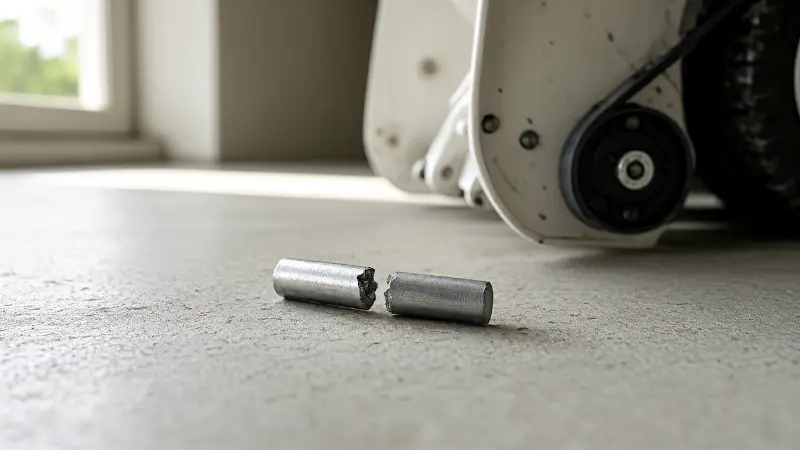
That design means a broken pin is often a sign that the machine is working as intended. It is much cheaper to replace a pin than a gearbox, and much faster to replace a pin than to rebuild a bent shaft. The problem is not that the pin breaks; the problem is when it breaks repeatedly under conditions that should not be severe enough to shear it.
Shear pins come in specific sizes and materials for each model. The correct replacement is the one specified in the owner’s manual for your machine. A pin that is too soft will break under normal load, while a pin that is too hard or too large will not break when it should, which defeats the protection and can damage the gearbox.
The pattern of failure matters. A pin that breaks once after hitting a curb is normal. A pin that breaks every few minutes in light snow, or one that breaks on the same side every time, points to a different problem. Noting the pattern before you replace the pin again helps you find the cause.
Safety First: Shut Down Before You Inspect
Before you replace a shear pin or inspect the auger, shut off the engine and remove the key. Wait at least ten seconds for the auger and impeller to stop rotating. Disconnect the spark plug wire and keep it away from the plug so the engine cannot start unexpectedly. On an electric model, unplug the machine and remove the safety key if it has one.
Never use your hands or feet to clear snow or ice from the auger housing or the chute. The impeller can store energy and rotate after the engine stops, and the blades are sharp. Use a clearing tool, a wooden stick, or the tool supplied with the machine. Keep your hands out of the housing even when the machine appears stopped.
Wear gloves and eye protection when you work around the auger and the shear pins. The metal edges are sharp, and the pin fragments can fly when the pin shears. Work on a firm, level surface, and block the wheels if the machine is on a slope.
Cause One: The Wrong Shear Pin
The most common reason a shear pin keeps breaking is that it is the wrong pin. Hardware stores and online sellers offer many shear pins that look similar but differ in diameter, length, material, and hardness. A pin that is slightly too soft will shear under normal snow loads. A pin that is slightly too small will sit loosely in the hole and shear prematurely.
Check the owner’s manual for the exact part number and specification. Many manufacturers publish a table of compatible pins by model and serial number. If the manual is missing, look up the model on the manufacturer’s website or contact a dealer. Do not rely on a visual match with the old pin, because a previous owner may have installed the wrong part.
Avoid substituting a standard bolt, a nail, or a piece of rod for a shear pin. A hardened bolt will not shear when it should, which can damage the gearbox. A soft bolt may shear too easily, which produces the same repeated failures. The correct pin is inexpensive, and it is the only part that gives you both protection and reliability.
Check the hole and the shaft
If the pin hole in the auger or the shaft is worn or elongated, even the correct pin will fit loosely and shear prematurely. Inspect the hole with a flashlight. A hole that has become oval rather than round is a sign of wear, and the auger or shaft may need to be replaced. A loose pin also rattles and can wear the hole further with each use.
Cause Two: Hitting Hidden Obstacles
A shear pin is designed to break when the auger hits something it cannot cut. If the pin keeps breaking in the same area of the driveway, there may be a hidden obstacle that you are hitting repeatedly. A raised curb, a landscaping stone, a buried newspaper, a piece of rebar, or a paver edge can all shear a pin without being visible under the snow.
Mark the location where the pin breaks, and inspect that area after the snow melts or with a shovel. If you find a stone, a paver, or a metal object, remove it. If the obstacle is a raised curb or a driveway edge, adjust your clearing pattern to avoid it or raise the auger housing slightly so the auger passes over the edge instead of catching it.
Wet, heavy snow and ice chunks can also shear a pin. A chunk of ice that has been plowed into a pile is dense enough to stop the auger. Break up ice piles with a shovel before running the snow blower through them, and avoid plowing into the end of a driveway where the plow has left a compacted berm. Taking a narrower pass and slowing down reduces the shock load on the auger.
Check the skid shoes
Skid shoes control the height of the auger housing above the ground. If they are set too low, the auger can dig into gravel, grass, or a raised edge and shear a pin. Adjust the skid shoes so the housing clears the surface by the amount recommended in the manual. On gravel driveways, a higher setting reduces the chance of picking up stones.
Cause Three: Worn or Bent Auger Components
An auger that is bent, worn, or misaligned puts uneven stress on the shear pin. A bent auger blade can contact the housing, which creates drag and shears the pin even in light snow. A worn auger flight can bind against the housing or the impeller, and a misaligned auger can rub against the shaft collar.
With the engine off and the spark plug wire disconnected, turn the auger by hand and watch for contact with the housing. Look for shiny spots, scraped paint, or fresh metal where the auger has been rubbing. A bent blade can often be straightened or replaced, but a badly bent auger should be replaced rather than repaired.
Check the auger gearbox and the shaft for alignment. A shaft that is not straight, or a gearbox that has shifted, can cause the auger to bind. On some machines, the auger is supported by bearings at each end, and a failed bearing can allow the auger to wobble and contact the housing. Those repairs require disassembly and are usually best handled by a service center.
A shear pin that is difficult to install, or that requires force to seat, is a sign that the holes are misaligned. Do not force the pin. Rotate the auger slightly by hand until the holes line up, and confirm that the pin slides in freely. If the holes will not align, the shaft or the auger may be bent.
Cause Four: Improper Operating Technique
Operating technique has a large effect on shear pin life. Running the machine at full speed into a deep bank of wet snow, forcing it through a plow berm, or pushing it too fast over rough ground all increase the shock load on the auger. The pin is designed to protect against occasional impacts, not continuous abuse.
Slow down in heavy, wet snow and take a narrower swath. Let the auger clear the snow rather than forcing the machine forward. If the engine starts to bog down, stop and back up rather than pushing harder. A steady, moderate pace is easier on the pins and on the gearbox.
Avoid using the snow blower as a plow. Pushing a pile of snow with the auger housing puts a bending load on the auger and the shaft, which can shear a pin or damage the machine. Use a shovel to break up hard drifts and plow berms before running the blower through them.
On gravel driveways, keep the skid shoes set high enough to avoid picking up stones. On uneven ground, raise the housing slightly and take a partial pass rather than forcing the auger into the high spots. Those adjustments reduce the number of impacts that the pin has to absorb.
Warm up the machine
Running a cold engine at full load immediately after start-up puts extra stress on the drive system. Let the engine warm up for a minute or two before engaging the auger, and engage the auger at a moderate engine speed rather than at full throttle from a cold start. That habit reduces the shock on the pins and the belts.
Cause Five: A Worn Gearbox or Drive System
If the pin keeps breaking under conditions that should be normal, the underlying drive system may be worn. A gearbox with worn gears or bearings can bind intermittently, which transfers shock to the shear pin. A worn auger belt that slips and grabs can also produce a shock load that shears the pin.
Listen to the machine when the auger is engaged. A grinding, whining, or clunking noise suggests a gearbox or bearing problem. A belt that squeals or smokes under load suggests a slipping belt. Those symptoms point to a repair that is beyond a pin replacement.
Check the auger belt for glazing, cracks, and proper tension. A belt that is too loose slips and grabs, which produces shock loads. A belt that is too tight puts extra stress on the bearings and the gearbox. Adjust the tension according to the manual, and replace a worn belt rather than tightening it beyond spec.
If the gearbox is noisy or leaking lubricant, stop using the machine and arrange service. Repeated shear pin failures can be the first symptom of a gearbox that is failing, and continuing to run the machine can turn an expensive repair into a replacement. A guide to a snow blower auger not turning covers the related diagnosis when the auger stops entirely rather than shearing pins.
Diagnosing the Pattern
The pattern of failures is the best clue to the cause. A pin that breaks once after a visible impact is normal. A pin that breaks repeatedly in light snow on smooth pavement points to the wrong pin, a worn hole, or a binding auger. A pin that breaks on one side only suggests a bent auger, a worn bearing, or an obstacle on that side. A pin that breaks more often in wet snow suggests an operating technique issue rather than a mechanical fault.
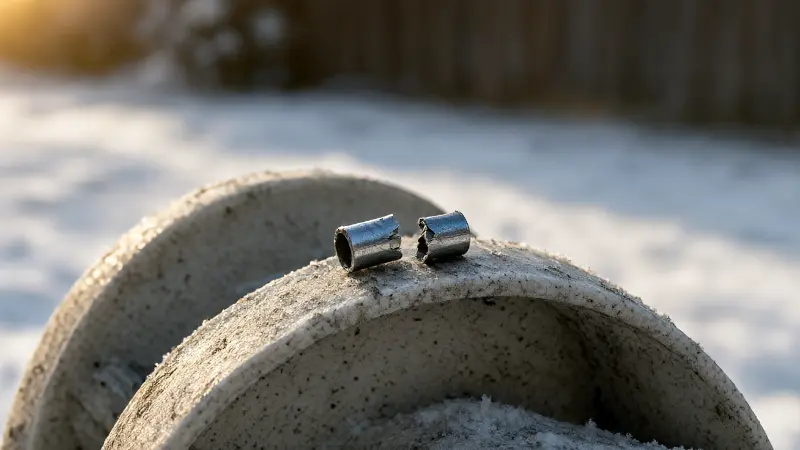
Keep a simple log of when the pin breaks, the snow conditions, the location, and the side of the machine. After three or four failures, the pattern usually becomes obvious. That log also helps a service technician diagnose the problem if you decide to take the machine in.
If the machine is under warranty, check whether shear pins are covered and whether the failure pattern suggests a defect. Some manufacturers will provide replacement pins or inspect the machine if the failures are abnormal. Keep the broken pins and the receipts for the replacements as evidence.
Preventive Maintenance for Shear Pins
Before the season, inspect the shear pins, the auger, and the housing. Replace any pin that is worn, bent, or corroded, even if it has not broken. A corroded pin is weaker than a new one and may shear under normal load. Apply a small amount of grease to the pin and the shaft hole to make future removal easier.
Check the skid shoes and adjust them for the surface you are clearing. On gravel, set them higher to avoid picking up stones. On pavement, set them lower to clear the surface without scraping. Confirm that the auger turns freely by hand and does not contact the housing.
Inspect the auger belt and the cable adjustment. A slipping belt or a loose cable can cause the auger to grab and shock the pin. Replace worn belts and adjust the cable so the auger engages firmly. Lubricate the chute and the auger according to the manual to reduce sticking and drag.
Other fuel and engine problems can make the machine bog down and increase the load on the auger. If the engine is leaking fuel, a guide to an Ariens carburetor leaking gas covers the fuel-side checks for that brand. A machine that runs poorly is more likely to stall and grab under load, which adds stress to the pins.
Keep a supply of the correct shear pins in the garage. Pins are inexpensive, and having them on hand means you can replace a broken pin immediately rather than finishing the driveway on a broken machine. Store them in a labeled container with the part number so you always buy the right one.
When to Take the Machine to a Service Center
Take the machine to a service center if the shear pin keeps breaking with the correct pin installed, if the auger is bent or binding, if the gearbox is noisy or leaking, or if the pin holes are worn and will not hold a new pin. Those repairs require disassembly and specialized tools, and an incorrect repair can damage the gearbox further.
Also seek service if the machine is under warranty or if the failure pattern suggests a defect. A technician can inspect the auger shaft, the bearings, the gearbox, and the drive system, and can confirm whether the machine is operating within spec. That diagnosis is worth the cost when repeated pin failures are costing you time and money.
A stuck or seized pin is another reason to seek help if you cannot remove it safely. A guide to a snow blower shear pin stuck covers the safe removal methods, but a pin that is welded into the shaft by rust or damage may need a technician’s tools.
Quick Reference: Pin Failure Patterns and Likely Causes
The table below matches common shear pin failure patterns with the cause that most often produces them and the safest first step. Use it to narrow the diagnosis before you replace another pin.
| Failure Pattern | Likely Cause | Safe First Step | When to Call a Pro |
|---|---|---|---|
| Pin breaks once after a visible impact | Normal shear pin function | Replace with the correct pin | No further action needed |
| Pin breaks repeatedly in light snow | Wrong pin, worn hole, or binding auger | Verify the part number and inspect the auger for contact | Hole is worn or the auger is bent |
| Pin breaks on one side only | Bent auger, worn bearing, or obstacle on that side | Turn the auger by hand and look for rubbing | Bearing or shaft damage suspected |
| Pin breaks in the same spot on the driveway | Hidden obstacle such as a curb or stone | Mark the spot and inspect after the snow clears | Obstacle cannot be removed safely |
| Pin breaks more often in wet, heavy snow | Operating technique or overload | Slow down and take a narrower pass | Failures continue at moderate pace |
| Pin breaks with a grinding noise | Gearbox or bearing failure | Stop using the machine | Always, for gearbox noise |
| Pin will not seat or is hard to install | Misaligned holes or a bent shaft | Rotate the auger by hand to align the holes | Holes will not align |
| Pin shears and the belt squeals under load | Slipping auger belt or a worn pulley | Check the belt tension and condition | Belt or pulley needs replacement |
FAQ
Why does my snow blower keep breaking shear pins?
The most common causes are the wrong shear pin, a hidden obstacle such as a curb or stone, a bent or binding auger, operating the machine too aggressively in heavy snow, or a worn gearbox or belt. Start by confirming the correct part number and inspecting the auger for contact with the housing.
Can I use a regular bolt instead of a shear pin?
No. A regular bolt is usually harder than a shear pin and will not break when it should. That defeats the protection and can damage the gearbox, the shaft, or the engine. Use the exact replacement pin specified for your model.
Why does the pin break on only one side?
A one-sided failure pattern suggests a bent auger, a worn bearing, or an obstacle on that side of the driveway. Turn the auger by hand with the engine off and look for rubbing against the housing. If the auger turns freely and the pin hole is round, the obstacle may be in the clearing area rather than on the machine.
How often should shear pins be replaced?
Replace a pin when it breaks or when it shows wear, bending, or corrosion. Inspect the pins before each season and keep spares on hand. A pin that is corroded or worn is weaker than a new one and may shear under normal load.
Conclusion
A snow blower shear pin that keeps breaking is usually caused by the wrong pin, a hidden obstacle, a worn or bent auger, an operating technique that overloads the machine, or a worn gearbox or belt. Start by confirming the correct part number and inspecting the auger for contact with the housing. Then look at the pattern of failures to decide whether the cause is mechanical or operational.
Replace a broken pin with the exact replacement specified for your model, and never substitute a hardened bolt. Adjust the skid shoes for the surface, slow down in heavy snow, and break up plow berms before running the blower through them. Keep a supply of correct pins on hand so a failure does not end your clearing session.
If the pin keeps breaking with the correct part installed, if the auger is bent or binding, or if the gearbox is noisy, take the machine to a service center. A proper diagnosis protects the gearbox, the shaft, and the rest of the drive system, and it gets you back to clearing the driveway without a pocket full of broken pins.