As winter approaches, ensuring your Ariens snowblower is in peak condition becomes paramount. A critical, yet often overlooked, aspect of snowblower maintenance is understanding its engine oil requirements. Knowing precisely how much oil an Ariens snowblower takes, along with the correct type of oil, is fundamental for reliable performance and extending the life of your valuable equipment.
Many homeowners face confusion regarding oil specifications, leading to potential engine damage. This comprehensive guide addresses those concerns, providing clear, actionable insights to keep your Ariens snowblower running smoothly season after season.
The Critical Role of Engine Oil in Your Snowblower
Engine oil is the lifeblood of your Ariens snowblower’s engine. It performs several vital functions, including lubrication, cooling, cleaning, and sealing. Without the correct amount and type of oil, internal engine components can experience excessive friction and heat, leading to premature wear and catastrophic failure.
Ignoring proper oil maintenance can result in costly repairs. Understanding these basics is the first step toward proactive snowblower care.
Common Oil-Related Misconceptions and Their Impact
A frequent mistake is assuming all small engine oils are interchangeable or that “more is better.” Overfilling or underfilling the crankcase can both lead to serious issues. Some users might also use automotive oil, which often lacks the specific additives required for air-cooled, hard-working snowblower engines in cold conditions.
These misconceptions highlight the need for precise information. Adhering to manufacturer guidelines is always the safest approach.
Demystifying Ariens Snowblower Oil Capacity
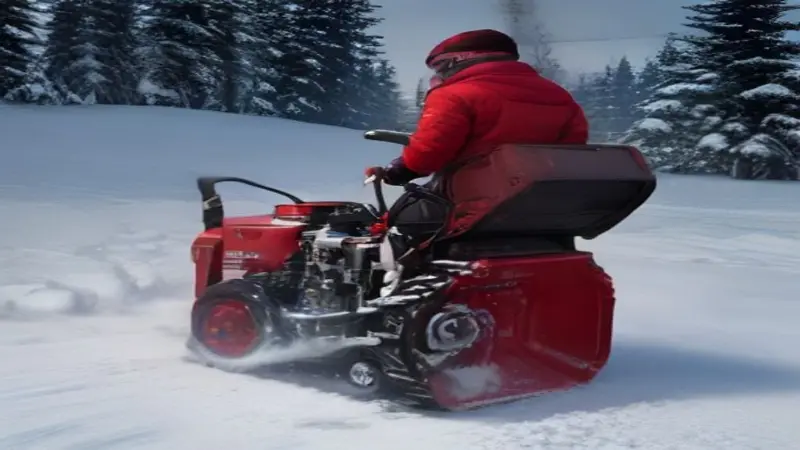
The oil capacity of an Ariens snowblower is not universal; it varies significantly depending on the specific model and its engine. Most Ariens snowblowers typically require between 16 to 32 ounces (0.5 to 1 quart) of oil.
For instance, compact models, like the Classic 24, might need around 16 ounces, while larger machines such as the Deluxe 28 or Platinum 30 SHO could require up to 32 ounces or even more for some large professional models.
Locating Your Specific Model’s Oil Information
The most accurate source for your snowblower’s oil capacity and type is always its owner’s manual. Ariens manuals are known for their detail, providing specific maintenance schedules and fluid requirements.
If the physical manual is unavailable, checking the Ariens website or contacting customer support with your model and serial number can yield the necessary information. The engine’s displacement (cc size), often found on a tag on the engine itself, is a key indicator of its oil needs.
Typical Oil Capacities for Popular Ariens Models
While consulting your manual is crucial, a general understanding of common capacities can be helpful. Here’s a table outlining approximate oil capacities for some popular Ariens snowblower series:
| Ariens Snowblower Series/Engine Size | Typical Oil Capacity (Approximate) | Common Oil Type Recommended |
|---|---|---|
| Compact 20/24 (e.g., 208cc, 223cc) | 16-20 ounces (0.5 – 0.6 liters) | SAE 5W-30 Synthetic Blend |
| Deluxe 24/28 (e.g., 254cc, 306cc) | 20-32 ounces (0.6 – 0.95 liters) | SAE 5W-30 Synthetic Blend/Full Synthetic |
| Platinum 24/28/30 (e.g., 369cc, 420cc) | 32-38 ounces (0.95 – 1.1 liters) | SAE 5W-30 Full Synthetic (or 0W-30 for extreme cold) |
| Professional Series (e.g., 420cc) | 32-38 ounces (0.95 – 1.1 liters) | SAE 0W-30 Full Synthetic Extreme Cold |
These figures are guidelines; always verify with your specific model’s manual to prevent errors.
Choosing the Right Oil Type: More Than Just Quantity
Beyond capacity, selecting the correct oil viscosity and type is equally important. Ariens generally recommends SAE 5W-30 oil for most cold-weather applications.
For extremely cold temperatures or high-performance models, SAE 0W-30 full synthetic oil is often recommended for enhanced cold-start performance and engine protection.
Understanding Viscosity Ratings (e.g., 5W-30)
The “W” in 5W-30 stands for “winter,” indicating the oil’s viscosity at low temperatures. A 5W-30 oil flows like a 5-weight oil in cold conditions, making it easier for the engine to start and lubricate quickly. Once the engine warms up, it provides the protection of a 30-weight oil.
Using the wrong viscosity can lead to hard starting in cold weather or inadequate protection when the engine is running. Always match the oil to your climate and engine’s requirements.
Synthetic vs. Conventional Oil for Snowblowers
Ariens often recommends synthetic blend or full synthetic oils. Synthetic oils offer superior performance in extreme cold, better viscosity control, and enhanced engine protection compared to conventional oils.
While synthetic oil might have a higher upfront cost, its benefits for engine longevity and reliability in harsh winter conditions often outweigh the expense. Many modern small engines are designed with these advanced lubricants in mind.
API Service Ratings and Additives
Look for oils with an API (American Petroleum Institute) service rating suitable for small, air-cooled engines. These oils contain specific detergents and anti-wear additives, like zinc, that are crucial for protecting engine components under the unique stresses of snowblower operation.
Avoid non-detergent oils or those formulated primarily for automotive use, as they may not provide adequate protection.
Step-by-Step Guide to Checking and Adding Oil
Regularly checking your snowblower’s oil level is a simple yet vital maintenance task. This ensures your engine always has sufficient lubrication.
Safety First: Preparation is Key
Before checking or adding oil, always ensure the snowblower is on a level surface and the engine is off. For safety, disconnect the spark plug wire to prevent accidental starting.
Allow the engine to cool for a few minutes if it has been running, as hot oil can cause burns.
Accurately Checking the Oil Level
Locate the oil dipstick, usually identified by a yellow cap with an oil can symbol. Remove the dipstick, wipe it clean with a rag, and reinsert it completely, but do not screw it in unless your manual specifically states otherwise.
Pull the dipstick out again and check the oil level. It should fall between the “add” and “full” marks.
Adding Oil Without Overfilling
If the oil level is low, add oil slowly using a clean funnel. Add a small amount, wait a few minutes for the oil to settle, then recheck the level. Repeat this process until the oil reaches the full mark on the dipstick.
Overfilling is detrimental and can lead to oil foaming, seal damage, leaks, and reduced engine performance. The engine may also belch white or blue smoke.
The Importance of Timely Oil Changes
Oil doesn’t last forever; it degrades over time and collects contaminants. Regular oil changes are as critical as knowing the correct oil capacity.
Break-In Oil Change: A Crucial First Step
For new Ariens snowblowers, a break-in oil change is highly recommended. Many manuals suggest changing the oil after the first 2 to 5 hours of operation, or within the first month. This initial change removes any manufacturing debris or metal particulates from the engine’s break-in period.
Some even advocate for a “dirty 30” minute break-in oil change, followed by another at 5 hours, to thoroughly flush out contaminants.
Seasonal Oil Changes for Longevity
After the break-in period, Ariens generally recommends changing the engine oil annually, or every 25 to 50 hours of operation, whichever comes first. Many experts suggest changing the oil at the end of the snow season before storing the unit.
This prevents old, potentially acidic oil from sitting in the engine during warmer months, which can cause internal corrosion and wear.
Factors Affecting Oil Change Frequency
If you use your snowblower frequently or in very harsh conditions, more frequent oil changes might be necessary. Checking the oil color and consistency can also provide clues; very dark or sludgy oil indicates a need for a change.
While some older models might tolerate longer intervals, modern engines benefit greatly from consistent maintenance. Think of it like preparing a surface before painting over Redgard; proper preparation, in this case, a fresh oil change, ensures a lasting finish and optimal performance.
Troubleshooting Common Oil-Related Issues
Even with diligent maintenance, issues can arise. Knowing how to identify and address them quickly can prevent minor problems from escalating.
Engine Smoking
White or blue smoke from the exhaust typically indicates that oil is burning in the combustion chamber. This is a common symptom of overfilling the oil or using the wrong type of oil.
Immediately check the oil level and drain any excess if overfilled. Continuing to operate with burning oil can foul the spark plug and lead to engine damage.
Engine Knocking or Unusual Noises
A knocking or ticking sound from the engine often points to insufficient lubrication, which can be caused by low oil levels or oil foaming due to overfilling. This metal-on-metal contact is a serious warning sign.
Stop the engine immediately and check the oil level. Address the issue before resuming operation to prevent severe internal damage.
Oil Leaks
Oil leaks can stem from various sources, including a loose oil fill cap, damaged gaskets, or seals. Overfilling the oil can also create excessive pressure, forcing oil past seals and leading to leaks.
Inspect all potential leak points. Tighten the oil cap and look for visible damage to gaskets. Persistent leaks may require professional attention to replace worn components.
Advanced Tips for Ariens Snowblower Longevity
Maximizing the lifespan of your Ariens snowblower involves more than just oil changes. A holistic approach to maintenance ensures every component functions optimally.
Proper Storage Techniques
When storing your snowblower for the off-season, an oil change is just one piece of the puzzle. Always drain the fuel or use a fuel stabilizer to prevent gumming in the carburetor. Clean the unit thoroughly, lubricate moving parts, and store it in a dry, protected area.
These steps prevent issues from developing during long periods of inactivity, much like how properly installing a toilet flange ensures a leak-free connection for years.
Beyond Oil: A Comprehensive Maintenance Checklist
Regularly inspect other critical components. Check the auger and impeller for wear or damage, ensure shear pins are in good condition, and inspect belts for cracks or tension.
Lubricate the auger shaft and other grease points as recommended in your manual. A well-maintained machine is a reliable machine.
The Value of Quality Parts and Products
Using genuine Ariens parts or high-quality equivalents ensures compatibility and performance. This applies to oil, spark plugs, and any replacement components. Opting for cheaper, inferior alternatives can compromise your snowblower’s efficiency and lifespan.
Making informed choices about parts and fluids is similar to the detailed research one might do when choosing between different HVAC brands like Airtemp vs. Goodman; quality and compatibility always lead to better long-term results.
Conclusion
Understanding how much oil an Ariens snowblower takes, along with the correct type and maintenance schedule, is not merely a technical detail; it is a fundamental practice for anyone who relies on their snowblower during winter. From the precise measurements for different models to the nuances of synthetic versus conventional oils, every detail contributes to the machine’s overall health and efficiency.
By diligently following these guidelines for oil capacity, type, and regular changes, you safeguard your investment against premature wear and unexpected breakdowns. This proactive approach ensures your Ariens snowblower remains a dependable workhorse, ready to tackle even the heaviest snowfalls for many seasons to come.