Your home’s water heater is often an unsung hero, quietly providing the comfort of hot water for showers, dishes, and laundry. However, when an AO Smith water heater malfunctions, it can quickly turn into a significant household disruption. Understanding your unit and performing proactive maintenance can prevent cold showers and costly repairs.
This comprehensive guide will delve into common AO Smith water heater issues, offer expert troubleshooting advice, and reveal essential maintenance practices to extend its lifespan and boost efficiency. Discover how to keep your hot water flowing reliably for years to come.
Why Your AO Smith Water Heater Demands Attention
An AO Smith water heater is a significant investment in your home’s comfort and functionality. Like any hard-working appliance, it requires periodic care and attention to perform optimally.
Neglecting your water heater can lead to reduced efficiency, higher energy bills, and premature failure, disrupting your daily routine.
Understanding the Heart of Your Home’s Hot Water
Water heaters operate by continuously heating and storing water in a tank or, in the case of tankless models, heating water on demand. This constant process involves various components that can wear down over time, especially with mineral-rich hard water. Regular inspection and understanding how your unit works are key to its longevity.
An AO Smith water heater, known for its durability, still benefits immensely from informed homeowner care. Proper maintenance ensures it continues to deliver hot water efficiently.
Common Pain Points: When Hot Water Goes Cold
Homeowners often encounter several frustrating issues with their water heaters. Recognizing these symptoms early can save you time, money, and the discomfort of a cold shower.
From strange noises to a complete lack of hot water, each problem offers clues about its underlying cause.
No Hot Water or Not Enough Hot Water
Experiencing no hot water at all, or water that runs cold too quickly, is a common and immediate concern. This can stem from various issues, including a tripped circuit breaker, a faulty heating element, or sediment buildup in the tank.
Insufficient hot water often points to a unit struggling to keep up with demand or facing an internal obstruction.
Strange Noises: Rumbling, Popping, or Hissing
Unusual sounds emanating from your water heater, such as popping, rumbling, or crackling, almost always indicate sediment buildup at the bottom of the tank.
As the heating element tries to warm the water, it also heats these mineral deposits, causing the metal to flex and create noise. Whistling noises might suggest a blocked valve, while hissing can also point to sediment.
Leaking Water Heater
A leaking water heater is a serious problem that demands immediate attention. Leaks can originate from various points, including the pressure relief valve, drain valve, or loose pipe connections.
Unfortunately, a leak from the tank itself usually signifies internal corrosion and often requires a full unit replacement.
Smelly or Discolored Water
If your hot water has a rotten egg smell, it’s often due to bacterial growth inside the tank, sometimes related to the anode rod.
Rust-colored water can indicate a corroded anode rod or internal tank corrosion, signaling a potentially serious issue.
High Energy Bills
An unexpected spike in your energy bills might be a silent sign of an inefficient water heater. Sediment buildup forces the heating elements to work harder, consuming more energy to heat the same amount of water.
Poor insulation or an improperly sized unit can also contribute to increased operational costs.
Diagnosing the Dreaded Cold Shower: Troubleshooting AO Smith Issues
When your AO Smith water heater isn’t performing as expected, a systematic approach to troubleshooting can help pinpoint the problem. Many issues have clear symptoms that can guide your diagnosis.
Always prioritize safety by turning off the power or gas supply before inspecting your unit.
No Hot Water? Start Here!
The absence of hot water is a critical problem requiring immediate investigation. Several common culprits can lead to this frustrating experience.
Begin by checking the most straightforward solutions before moving to more complex diagnostics.
Check Power Supply or Pilot Light
For electric AO Smith water heaters, a tripped circuit breaker is a frequent cause of no hot water. Locate your home’s electrical panel and reset any tripped breakers.
Gas models rely on a pilot light. If it’s out, the main burner won’t ignite. Refer to your owner’s manual for instructions on how to safely relight the pilot light.
Thermostat Settings and Reset Buttons
Ensure your water heater’s thermostat is set to an adequate temperature, typically 120°F for safety and efficiency.
Electric models often have a reset button on the upper thermostat. Pressing this can sometimes restore power if it has tripped due to overheating.
Examine Heating Elements (Electric Models) or Burner (Gas Models)
If the power is on but there’s still no hot water, one or both heating elements in an electric water heater might have failed. These components corrode or wear out over time.
For gas units, issues with the burner or ignition system, such as a clogged gas line or a dirty flame sensor, can prevent heating.
Insufficient Hot Water: More Than Just a Nuisance
Running out of hot water too quickly is a common complaint, especially in busy households. This issue often signals a problem with the unit’s capacity or efficiency.
Identifying the root cause is crucial for restoring your hot water supply.
Sediment Buildup in the Tank
Mineral deposits from hard water accumulate at the bottom of the tank, creating an insulating layer that reduces heating efficiency. This forces the unit to work harder and longer, leading to less available hot water.
Regular flushing is essential to combat this common problem.
Incorrect Water Heater Sizing
Sometimes, the problem isn’t a malfunction but an undersized unit for your household’s needs. If your AO Smith water heater was too small to begin with, it will constantly struggle to keep up.
Consider your family size and peak hot water usage when assessing if your unit is appropriately sized.
Faulty Dip Tube or Thermostat
The dip tube directs incoming cold water to the bottom of the tank for heating. If it breaks or corrodes, cold water can mix with hot water at the top, leading to lukewarm water at your faucet.
A malfunctioning thermostat can also inaccurately read water temperature, causing the unit to stop heating prematurely.
Unwanted Noises: Decoding Your Water Heater’s Cries
Loud noises from your AO Smith water heater are rarely a good sign, but they often point to a specific, addressable issue. Pay attention to the type of sound for better diagnosis.
Addressing these noises promptly can prevent more significant damage down the line.
Rumbling or Popping from Sediment
As previously mentioned, rumbling or popping sounds are classic indicators of sediment buildup. The trapped heat under the mineral deposits causes the bottom of the tank to flex and make noise.
A thorough tank flush can often resolve these sounds.
Expansion and Contraction
Minor creaking or groaning sounds can sometimes be attributed to the expansion and contraction of metal parts as the tank heats and cools. While usually harmless, persistent loud noises should be investigated.
Ensuring proper water pressure can help mitigate stress on the tank.
Leaks and Drips: A Warning Sign Not to Ignore
Any visible water around your water heater is a red flag. Ignoring leaks can lead to significant water damage to your home, so identifying the source quickly is crucial. Just as you’d prevent standing water from damaging a deck, you must address leaks promptly.
Some leaks are easily repairable, while others signal the end of your unit’s life.
Pressure Relief Valve (T&P Valve)
The temperature and pressure (T&P) relief valve is a safety device designed to open and release water if the pressure or temperature inside the tank becomes too high.
If it’s constantly dripping, it could indicate excessive water pressure in your system or a faulty valve.
Drain Valve or Pipe Connections
Leaks from the drain valve are often due to a loose connection or a faulty valve that no longer seals properly. Tightening or replacing the valve can resolve this.
Loose pipe connections, often caused by thermal expansion over time, can also lead to drips and may simply require tightening.
Tank Leaks: A Serious Problem
A leak directly from the water heater tank itself is typically a sign of internal corrosion or a crack.
Unfortunately, tank leaks are usually irreparable and mean the unit needs to be replaced. This often occurs in older water heaters, generally those over 10-12 years old.
The Smell Test: Why Does My Hot Water Stink?
Unpleasant odors from your hot water are not only off-putting but can also indicate specific issues within your AO Smith unit.
Addressing these smells improves water quality and ensures your system is healthy.
Anode Rod Issues and Bacterial Growth
A rotten egg smell (sulfur) in your hot water often points to a reaction involving the anode rod and certain bacteria in the water. The anode rod, made of magnesium, aluminum, or zinc, is designed to corrode sacrificially to protect the tank.
If this rod depletes or interacts negatively with your water chemistry, it can promote the growth of sulfur-reducing bacteria, causing the odor.
Proactive Solutions: Maximizing Your AO Smith Water Heater’s Lifespan and Efficiency
Taking a proactive approach to your AO Smith water heater’s care is the most effective way to ensure its longevity and maintain peak performance. Regular maintenance not only prevents breakdowns but also helps reduce energy consumption.
Implementing a few key practices can save you money and headaches in the long run.
Essential Maintenance Rituals for Longevity
Consistent maintenance is the cornerstone of a reliable water heater. These rituals are straightforward and can significantly extend the life of your AO Smith unit.
Most tasks can be performed by a homeowner, but some may require professional assistance.
Flushing the Tank to Remove Sediment
Flushing your water heater tank annually is crucial, especially in areas with hard water. Sediment buildup reduces efficiency and can damage the tank.
To flush: turn off power/gas and cold water supply, connect a garden hose to the drain valve, open a hot water faucet in the house to release air, then open the drain valve. Allow the tank to drain until the water runs clear. Briefly turn on the cold water supply during draining to help stir up and flush out stubborn sediment.
Inspecting and Replacing the Anode Rod
The anode rod is a “sacrificial” component that corrodes to protect the steel tank from rust. Inspecting it every 1-3 years is vital, and replacement is necessary if it’s heavily corroded or less than ½ inch thick.
A depleted anode rod leaves your tank vulnerable to premature failure.
Testing the Temperature and Pressure (T&P) Relief Valve
The T&P valve is a critical safety device that prevents excessive pressure buildup. Test it annually by lifting the lever to ensure water discharges.
If no water comes out, or if it continues to drip after testing, the valve may be faulty and requires replacement.
Insulating Your Water Heater and Pipes
Insulating your water heater tank (especially older models) and the first six feet of hot and cold water pipes can significantly reduce heat loss. This simple step leads to energy savings and improved efficiency.
Ensure any insulation blanket does not cover the thermostat or T&P valve.
Regularly Checking for Leaks
Make it a habit to visually inspect your water heater and its connections for any signs of leaks or drips. Early detection of a small leak can prevent extensive water damage.
Address loose connections or faulty valves promptly to maintain your home’s integrity, much like you would protect against structural issues from pests or other external factors.
Choosing the Right AO Smith for Your Home
If you’re in the market for a new AO Smith water heater, making an informed decision about the type and size is crucial for long-term satisfaction and efficiency. The right choice ensures continuous hot water without excessive energy consumption.
Consider your household’s unique needs and the available technology.
Tank vs. Tankless: Which is Right for You?
AO Smith offers both traditional tank and modern tankless water heaters. Tank models store and heat a reserve of water, while tankless units heat water on demand, providing a continuous supply.
Tankless models are more energy-efficient and last longer (15-20 years vs. 8-12 years for tanks), but have a higher upfront cost.
Sizing Considerations for Optimal Performance
Proper sizing is paramount. An undersized unit will frequently run out of hot water, while an oversized one wastes energy. For tank heaters, consider the number of people in your household and peak usage times.
A. O. Smith provides tools to help determine the appropriate gallon capacity or flow rate (for tankless) based on your specific needs.
Energy Efficiency Ratings (UEF) and Smart Features
Look for models with a high Uniform Energy Factor (UEF), indicating greater energy efficiency and lower operating costs. Many AO Smith models are ENERGY STAR® certified.
Some advanced units offer smart features like Wi-Fi monitoring and vacation modes, allowing for greater control and energy savings.
Installation Best Practices: Setting Up for Success
The quality of installation significantly impacts your AO Smith water heater’s performance, safety, and lifespan. While some homeowners are handy, professional installation is often recommended.
Proper setup ensures all components function correctly from day one.
Professional Installation is Key
Water heater installation involves working with gas lines, electrical connections, and plumbing. Errors can lead to safety hazards, leaks, or inefficient operation.
Hiring a qualified professional ensures compliance with local codes and optimal system performance.
Ventilation and Clearances (Gas Models)
Gas water heaters require proper ventilation to safely exhaust combustion byproducts. Ensure adequate clearance around the unit and that the venting system is free from blockages.
Insufficient ventilation can lead to dangerous carbon monoxide buildup and operational issues, similar to how a furnace might malfunction if its cover is off.
Water Pressure and Expansion Tanks
High water pressure can put undue stress on your water heater and plumbing system, potentially leading to leaks. Installing a pressure-reducing valve can help regulate this.
An expansion tank is often recommended or required in closed plumbing systems to absorb thermal expansion, protecting your water heater and pipes.
Advanced Tips for Peak Performance and Savings
Beyond basic maintenance, a few advanced strategies can help you squeeze every ounce of efficiency and longevity from your AO Smith water heater.
These tips focus on optimizing settings and leveraging modern technology.
Lowering Thermostat Temperature
While 120°F is the recommended setting for safety and efficiency, lowering it slightly to 115°F can still provide ample hot water for most households and further reduce energy consumption.
Each degree you lower the temperature can translate to energy savings.
Utilizing Vacation Mode
If your AO Smith water heater has a vacation mode, use it when you’re away for an extended period. This setting maintains a lower temperature, preventing the tank from constantly heating water you’re not using, thus saving energy.
It also prevents the system from going completely cold, which can be beneficial in colder climates.
Considering a Hybrid Heat Pump Water Heater
For significant energy savings, especially in suitable climates, consider an AO Smith hybrid heat pump water heater when it’s time for replacement. These units use electricity to move heat rather than generate it, making them highly efficient.
They can dehumidify and cool the ambient air where they are located, offering an additional benefit.
When to Call a Professional: Knowing Your Limits
While many troubleshooting and maintenance tasks can be handled by a diligent homeowner, some situations absolutely require the expertise of a licensed professional. Attempting complex repairs involving gas or high voltage electricity can be dangerous.
Knowing when to call for help protects your safety and your investment.
You should contact a qualified plumber or HVAC technician if you encounter:
- Persistent Leaks: Especially if the leak appears to be coming from the tank itself.
- Gas Leaks: Any suspicion of a gas leak requires immediate professional attention and evacuation of the area.
- Electrical Issues: Problems beyond a simple tripped breaker should be handled by an electrician or trained technician.
- Complex Component Failures: Issues like a faulty gas control valve, heating element replacement (if uncomfortable with electrical work), or extensive pipe corrosion.
- Error Codes: While some error codes have simple fixes, many indicate internal component failures that require specialized diagnostic tools.
- Warranty Concerns: DIY repairs can sometimes void your warranty. Professionals ensure repairs are done correctly and maintain warranty coverage.
Protecting your home from various threats, from appliance malfunctions to pests like mortar-eating bugs, requires vigilance. Trusting experts for specialized tasks is a smart part of comprehensive home care.
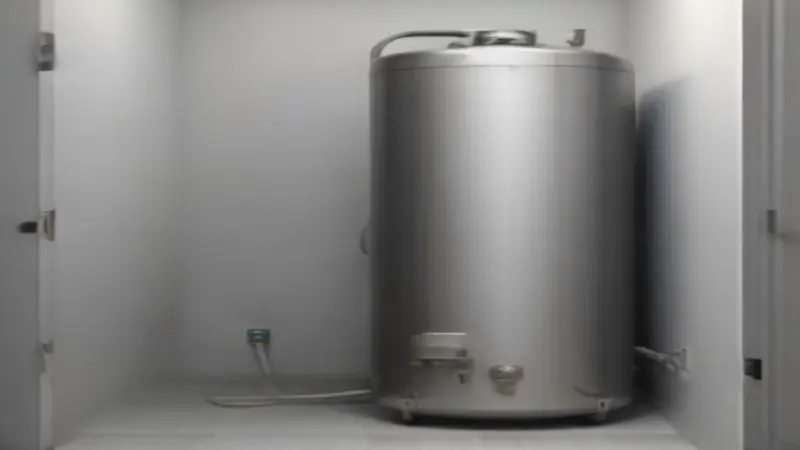
AO Smith Water Heater Comparison Table
Understanding the different types of AO Smith water heaters can help you make an informed decision for your home, whether you’re replacing an old unit or upgrading for efficiency.
Each type offers distinct advantages in terms of fuel source, capacity, and operational style.
| Feature | Electric Tank Water Heater | Gas Tank Water Heater | Tankless Gas Water Heater | Hybrid (Heat Pump) Water Heater |
|---|---|---|---|---|
| Fuel Source | Electricity (240V) | Natural Gas or Propane | Natural Gas or Propane | Electricity (with heat pump technology) |
| Operation | Stores and heats water in a tank. | Stores and heats water in a tank. | Heats water on demand as it flows through. | Uses ambient air heat to warm water, with electric elements as backup. |
| Typical Lifespan | 10-15 years | 10-12 years | 15-20 years | 10+ years |
| Energy Efficiency (UEF) | Good (0.92+) | Moderate (0.68+) | High (0.90+) | Highest (3.0-4.0) |
| Installation Cost | Lower upfront, simple replacement if already electric. | Moderate, requires gas line and venting. | Higher, requires dedicated gas line, venting, and often professional installation. | Higher, requires specific space and drain for condensate. |
| Hot Water Supply | Limited by tank size, can run out. | Limited by tank size, faster recovery than electric. | Continuous, unlimited hot water. | Limited by tank size, but highly efficient. |
| Maintenance Needs | Annual flush, anode rod inspection. | Annual flush, anode rod inspection, vent cleaning, pilot light check. | Annual descaling, inlet filter cleaning. | Filter cleaning, condensate drain clearing, annual flush. |
Each type of AO Smith water heater is designed with different household needs and priorities in mind. Evaluating these factors carefully will help you select the best model for long-term satisfaction.
Conclusion: Embrace Proactive Care for Endless Hot Water
Your AO Smith water heater is a vital appliance, integral to your home’s comfort and daily operations. By understanding its functions, recognizing common issues, and committing to a routine maintenance schedule, you can significantly extend its lifespan and ensure a consistent supply of hot water.
From flushing the tank to inspecting the anode rod, these proactive steps are investments in your home’s efficiency and your peace of mind. Don’t wait for a cold shower to remind you of its importance; empower yourself with knowledge and vigilance to keep your AO Smith water heater running smoothly for years to come.