Mortar eating bugs do not eat masonry, but excavate weakened, moisture-damaged mortar to build nests. Finding holes and sand piles near brickwork is a major warning. Mason bees and ants exploit crumbling joints for shelter. Fixing this requires eliminating pests and repointing joints. This guide explores how to identify these pests and secure your home.
Identifying the Culprits Behind Damaged Mortar
Discovering dust and mysterious holes in your brickwork is understandably alarming. It is absolutely crucial to understand which insects are responsible before treating. Several opportunistic species specialize in exploiting weakened masonry. Correct identification ensures you choose the most effective eradication method.
Mason Bees (Mortar Bees)
Often referred to as mortar bees, these solitary insects look for secure nesting spots. They strongly prefer south-facing exterior walls that absorb sunlight. Mason bees do not have mandibles strong enough to chew solid cement. Instead, they target older lime-based mortar that has become powdery.
Once a suitable soft spot is found, the female bee burrows a small tunnel. She lays her eggs inside and seals the chamber with mud. Over time, multiple bees can honeycomb a weakened mortar joint. This widespread excavation severely compromises the structural integrity of the brick veneer.
Signs of Mason Bees
Look for perfectly round holes the width of a pencil in your mortar. You will frequently see harmless-looking bees hovering near brickwork in early spring. Finding little piles of excavated sand below the wall is a definitive sign of activity.
Pavement Ants and Carpenter Ants
Ants are frequent invaders of decaying and moisture-laden masonry structures. While they do not eat the material, they displace sand to clear pathways. Ants require moisture to survive, making damp mortar an ideal highway. They use these tiny gaps to eventually enter the deeper wall cavity.
Carpenter ants are dangerous if your brick veneer covers wood framing. They traverse the crumbling mortar simply to reach the damp timber behind it. You will often see trails of small ants entering and exiting the hairline cracks. Early intervention prevents them from reaching your home’s interior.
Termite Excavation in Masonry
Termites are notorious for wood destruction but they also tunnel through masonry. Subterranean termites secrete acidic enzymes breaking down weak cement. Their mud tubes often run right through deteriorating mortar joints. This provides them safe, hydrated passage into your home.
Finding termite tubes in your brickwork is a critical warning sign of a severe threat. They are relentlessly searching for cellulose and will exploit any weakness. Professional pest control is immediately required if termites are detected breaching your masonry. Do not ignore these distinct mud tunnels.
Why Insects Target Your Brickwork and Masonry
Insects are opportunistic scavengers looking for the path of least resistance. Your home’s exterior walls provide an ideal sanctuary from predators. Understanding their underlying motivation helps in creating prevention strategies. Bugs do not randomly choose your house; conditions attract them.
Moisture Retention and Crumbling Lime
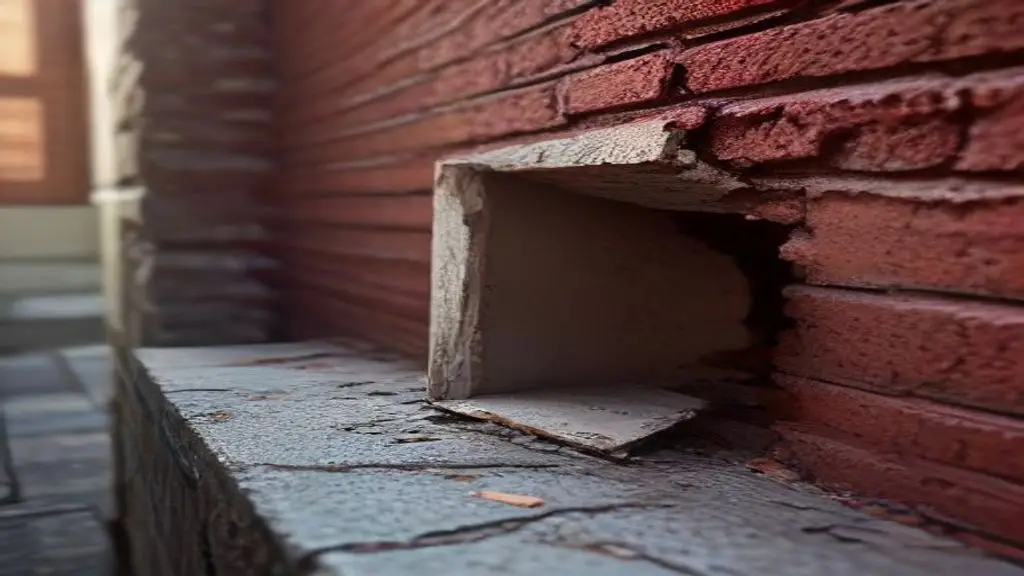
Water is the relentless enemy of all brick-and-mortar structures. When water penetrates joints, it freezes and thaws, cracking the masonry. This physical degradation creates a sandy environment perfect for insect burrowing. Continuous moisture also supports microscopic fungal growth.
This fungal growth creates an unseen micro-ecosystem within the damp wall. Certain insects are actually attracted to the smell of this organic decay. Moisture softens the lime, making it incredibly easy for tiny mandibles to scrape. Keeping the wall completely dry is the ultimate defense mechanism.
The pH Shift in Aging Mortar
Here is a fascinating fact about the chemistry of aging masonry. Fresh Portland cement possesses a highly alkaline pH, which naturally deters pests. As decades pass, natural carbonation slowly lowers this pH level. This neutralized environment becomes highly hospitable to insect larvae.
Modern bugs avoid newly constructed brick walls because the high alkalinity is toxic. Once that chemical defense fades, the wall relies on physical hardness. When physical hardness fails due to weathering, insects move in without resistance. Managing this shift is impossible, making maintenance vital.
Thermal Mass and Nesting Warmth
Bricks act as a massive thermal battery, storing solar heat during the day. This radiant warmth slowly releases at night, creating an incubator effect. Insects inherently seek out these warm microclimates for winter survival. This is why south and west-facing walls are most frequently attacked.
The stored heat significantly accelerates the incubation period of masonry bee larvae. It provides an evolutionary advantage to pests nesting inside your walls. Disruption of this habitat is necessary to convince the insects to move elsewhere. Shade and proper ventilation can reduce this attraction.
Effective Solutions to Eradicate Masonry Pests
Before repairing the physical damage, you must eliminate the active infestation. Trapping live insects inside new cement forces them to dig new exit holes. A strategic, multi-step eradication approach ensures complete pest removal. Combine immediate knockdown tactics with residual repellents.
Non-Toxic Repellents and Diatomaceous Earth
For minor infestations, natural, non-toxic solutions can be highly effective. Puffing food-grade diatomaceous earth into excavated mortar destroys insect exoskeletons. It works mechanically, absorbing moisture and preventing chemical resistance. This is a great defense for eco-conscious homeowners.
Diatomaceous earth must remain completely dry to maintain its lethal effectiveness. Reapply the powder after heavy rain or high humidity events. You can use a specialized bulb duster to force the powder deep into the masonry voids. It is entirely safe for pets playing near the foundation.
Targeted Insecticide Application
Severe infestations require commercial-grade, residual insecticidal dusts. Pyrethrin-based powders can be safely injected deeply into the wall cavity. Liquid sprays are generally ineffective because they cannot penetrate deep tunnels. Ensure the dust reaches the back of the cavity where larvae reside.
Take strict safety precautions when using chemical dusts near utility penetrations. Check your peerless boiler pilot light to avoid igniting flammable propellants. Always wear a respirator when applying airborne dusts to your home’s exterior. Safety must be the top priority during application.
Using Borate Treatments for Longevity
Borate-based liquid solutions provide excellent, long-term residual protection. Unlike traditional synthetic sprays, natural borates do not break down rapidly. They can be painted onto porous brick and mortar to poison excavating insects. This creates a permanent, invisible chemical barrier against invasions.
Borates work by disrupting the digestive system of any insect that ingests the dust. It is widely used in wood preservation but is highly effective on porous masonry. Apply it heavily to the lower three feet of your foundation for maximum impact. Allow it to dry completely before attempting mortar repairs.
Repairing and Fortifying Mortar Joints
Once the insects are entirely eradicated, structural repairs must begin immediately. Leaving holes open guarantees a swift and devastating re-infestation. Proper repointing restores the aesthetic beauty and structural integrity of the wall. Taking shortcuts here leads to expensive repairs next season.
Repointing with the Correct Mortar Mix
The most common mistake is patching old lime mortar with modern Portland cement. Harder cement traps moisture behind softer historic brick, accelerating spalling. You must match the historical mix, usually a softer Type O or lime putty. This ensures the entire wall breathes and expands uniformly.
Scrape out the damaged, sandy joints to a depth of at least one inch. Clean the joint thoroughly with a stiff brush and water to remove all dust. Pack the new mortar tightly into the joint using a specialized tuckpointing trowel. Ensure the new joint profile matches the existing wall to shed water effectively.
Addressing Underlying Moisture Issues
Pests are deeply drawn to damp walls, so rigorous moisture control is mandatory. Ensure gutters are clear and downspouts direct water far from the foundation. Inspect window casings situated above the brickwork for failing, cracked caulking. Water running down the brick face accelerates mortar degradation.
If you are undertaking structural renovations, weatherproofing is vital. Properly framing the exterior area is necessary to prevent internal wall leaks. Just like ensuring a secure double window framing setup, attention to detail stops intrusion. Dry walls are the ultimate pest deterrent.
Sealing and Waterproofing Masonry
After the newly repointed mortar has fully cured for a month, apply a sealer. Utilize a high-quality, breathable silane-siloxane penetrating sealer. This invisible shield repels liquid water while allowing trapped vapor to escape. It keeps the masonry completely dry, dense, and impenetrable to small insects.
Never use cheap, film-forming sealers or thick paints that trap moisture inside. Trapped moisture will freeze, popping brick faces and destroying repointing work. A penetrating sealer absorbs deep into the pores, altering the surface tension. Reapply this protective treatment every seven to ten years.
Advanced Prevention Strategies for Homeowners
Maintaining a strictly bug-free exterior requires highly proactive seasonal maintenance. Relying purely on harsh chemical treatments is only a temporary, reactive fix. Environmental modifications will permanently reduce pest pressure around your foundation. Small changes to landscaping yield massive benefits.
Optimizing Exterior Drainage
Poor landscaping grading forcefully directs groundwater against your lower brick courses. Grade the surrounding soil so it slopes away from the foundation. Install exterior French drains if surface water consistently pools near masonry walls. Dry foundation walls simply do not attract excavating insects.
Ensure that automatic sprinkler heads do not directly hit the brick veneer. Chronic, daily wetting from irrigation systems destroys mortar faster than natural rainfall. Adjust spray patterns to water the lawn, not the side of your house. This simple adjustment prevents decades of expensive structural damage.
Regular Masonry Inspections
Walk your entire property perimeter twice a year, explicitly looking for mortar dust. Pay special attention to vulnerable areas around light fixtures and hose bibs. Catching a single mason bee early prevents a massive colony from establishing. Promptly patch hairline cracks before winter moisture degrades them.
Look closely at the weep holes located at the bottom of the brick wall. Ensure they are clear of debris but consider installing specialized weep hole covers. These covers allow vital moisture to escape while blocking mice, wasps, and bees. It is a highly inexpensive upgrade that offers incredible peace of mind.
Managing Structural Perimeters Safely
Keep heavy vegetation, shrubs, and damp mulch twelve inches away from brickwork. Dense plants trap humidity and provide a bridge for insects to bypass defenses. Create a dry zone of gravel or river rock directly against the masonry wall. This dry moat effectively deters moisture-loving pests from approaching.
When running exterior wiring, always ensure proper, safe grounding. Maintaining continuity between neutral and ground is essential when drilling for access. Seal all new utility penetrations immediately with high-quality polyurethane caulk. Never leave gaps around pipes that invite opportunistic bugs inside.
Summary of Common Masonry Pests
Understanding the specific threat each pest poses allows for a targeted response. Different insects leave distinct evidence of their presence in your masonry. Use this comprehensive guide to correctly diagnose your specific exterior pest issue. Quick identification leads to faster eradication and cheaper repairs.
| Pest Type | Primary Attraction | Visible Damage Signs | Best Eradication Method |
|---|---|---|---|
| Mason Bees | Soft, failing lime mortar; warm south-facing walls | Perfectly round 1/4-inch holes; hovering insects | Insecticidal dust in holes; repointing joints |
| Pavement Ants | High moisture; decaying mortar joints | Tiny piles of fine sand at the base of the wall | Borate treatments; exterior granular baits |
| Carpenter Ants | Damp wood behind the brick veneer | Large black ants trailing along mortar lines | Locating and treating the main nest; fixing leaks |
| Subterranean Termites | Cellulose access; high soil moisture | Mud tubes running vertically across bricks | Professional trenching and termiticide application |
| Mason Wasps | Pre-existing holes in crumbling cement | Mud-packed cylinders inside damaged mortar | Diatomaceous earth; removing old mud nests |
Final Thoughts on Protecting Your Brickwork
Dealing with bugs in your mortar is highly frustrating but entirely manageable. By understanding that these insects seek moisture, you can eliminate their habitat. Routine maintenance and keeping the brickwork dry are your strongest defenses. Never ignore small piles of sand, as they indicate a growing problem.
The Importance of Prompt Action
Time is always of the essence when dealing with degrading masonry structures. A few small holes can quickly escalate into extensive water damage behind the veneer. Water intrusion causes severe rot in the wooden framing holding your house together. Fixing mortar early costs a fraction of repairing massive structural rot.
Do not be intimidated by the prospect of minor DIY repointing projects. With a little practice and the correct mortar mix, you can easily secure your home. For massive infestations or widespread failure, always consult a licensed professional. Protect your investment by keeping those destructive pests outside.