Few names in window treatments carry as much weight as Hunter Douglas. The brand is synonymous with premium fabrics, patented lift systems, and custom fabrication, but it also comes with a price tag that can catch homeowners off guard. If you are staring at a quote that runs several hundred dollars per window, or if you are simply wondering whether the premium is justified, you are not alone.
The short answer is that Hunter Douglas products can be worth it, but only in specific situations. The longer answer involves understanding what you are actually paying for, where the brand excels, where it falls short, and how it compares to capable alternatives that cost considerably less. This guide breaks down the real-world value of Hunter Douglas blinds so you can decide whether they make sense for your home and budget.
What You Are Actually Paying For
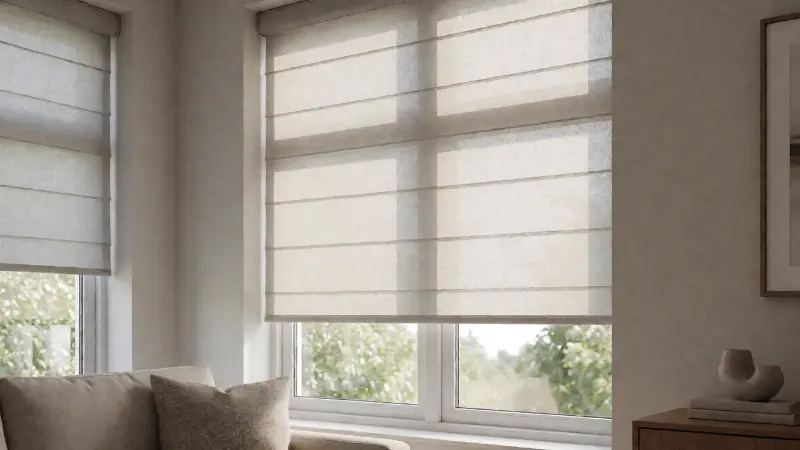
Hunter Douglas products are not mass-produced and trimmed to fit. Each shade or blind is custom-fabricated for a specific opening, which removes the economies of scale that keep big-box blinds affordable. The price also covers professional in-home measuring, installation, patented fabrics and lift systems, and a limited lifetime warranty backed by a dealer network. In effect, you are buying a finished project rather than a product in a box.
The company develops and manufactures many of its own fabrics and mechanisms. The Duette honeycomb line, for example, uses a cell construction designed to trap air at the glass and slow heat transfer. The Silhouette and Pirouette lines use floating vanes between sheer facings to soften daylight while preserving some outside view. These are not features you will find at the same level of refinement in budget brands, and that engineering is reflected in the cost.
Hunter Douglas also holds a substantial share of the premium window coverings market. Industry estimates place the brand at roughly a third of U.S. blind and shade manufacturing revenue, which underscores its dominant position in the upper tier. That dominance means a wide selection of fabrics, colors, and operating systems, but it also means less pressure to compete on price.
Typical Costs and What They Include
Hunter Douglas pricing is broad because the product lines vary significantly. Entry-level honeycomb shades may land on the lower end of the range, while upper-tier lines such as Silhouette, Pirouette, and Luminette sit at the top. Motorization through the PowerView system adds several hundred dollars per shade on top of the product cost.
For a typical home with around fifteen windows, a whole-house project can land anywhere from several thousand dollars to well into five figures depending on the product line, motorization level, and any specialty shapes. Standard manual roller or Roman shades generally fall in the mid-hundreds per window before installation, while premium sheer shades and illuminated options push higher. Professional installation typically adds a per-window charge on top of the product price.
One important caveat is that lower quotes from other companies may leave out measuring, installation, and service. A number that looks cheaper on paper may not be cheaper in practice once those costs surface. Asking for a per-window breakdown is a reasonable request, and a reputable dealer should provide one without hesitation. For a broader look at how window treatment installation is priced and reviewed, this overview of Lowe’s blinds installation reviews can help you benchmark what to expect from different retail channels.
Where Hunter Douglas Excels
The brand’s strengths are most apparent in three areas: fabric quality, insulation performance, and the refinement of its operating systems. Homeowners who have lived with these products for decades often report that they hold up well under intense sun, with some units still functioning after twenty or thirty years of daily use. That kind of longevity is not typical of budget blinds, which may fade, warp, or fail mechanically within a much shorter window.
The Duette Architella cellular shade is a standout for energy efficiency. Its cell-within-a-cell design provides measurably better insulation than single-cell alternatives, which can matter in climates with harsh winters or strong sun exposure. If reducing heat transfer through windows is a priority, this is one area where Hunter Douglas has a genuine technical advantage.
Lift systems also receive consistent praise. LiteRise and UltraGlide mechanisms operate more smoothly than the cord and tilt systems found on many competing products, and the PowerView motorization platform is widely regarded as one of the more polished smart shade systems available. It integrates with major smart home platforms and offers sun-tracking automations that can adjust shades throughout the day. For a smart home enthusiast who wants shades that respond to the sun without manual input, that level of integration is a meaningful benefit.
Hunter Douglas also makes a range of exclusive products that competitors do not offer, including the Vignette modern Roman shades, the Pirouette window shadings, and the Aura illuminated shades. If a specific design aesthetic is central to your project, those exclusive lines may be the deciding factor.
Where the Value Breaks Down
The most common complaint about Hunter Douglas is not product quality but warranty service and customer support. The limited lifetime warranty covers mechanisms and fabrics, but it does not cover the cost of removal and reinstallation of the warrantied item. That means a failed shade under warranty may still leave you paying a service call, labor, and shipping to get the replacement installed. Several homeowners have reported being surprised by those charges, particularly on motorized components where the warranty period is shorter than the lifetime coverage on manual parts.
Another recurring theme in reviews is difficulty getting service after the original dealer is no longer available. Because Hunter Douglas sells through an authorized dealer network rather than directly, the dealer relationship is central to the ownership experience. If that dealer closes or stops servicing your area, finding another authorized provider who will handle warranty work can be a challenge. Some customers have described being referred to third-party repair companies that charge several hundred dollars just to remove and diagnose a shade.
Price is the other obvious sticking point. The brand commands a premium that can be two to three times what comparable products cost from value-focused custom brands. For basic rectangular windows with standard fabrics and no motorization, that premium can be difficult to justify on purely functional grounds. The value calculation shifts when you factor in custom sizing, premium fabrics, motorization, and the expectation of a long service life, but it is worth being honest about which category your project falls into.
| Factor | Where Hunter Douglas Wins | Where It Falls Short |
|---|---|---|
| Fabric quality and selection | Proprietary weaves, deep color range, exclusive designs | Premium pricing on every fabric upgrade |
| Insulation performance | Duette Architella cell-within-a-cell design | Single-cell entry lines offer less advantage |
| Motorization | PowerView is polished, stable, and smart-home friendly | Adds significant cost per window |
| Warranty | Limited lifetime on many mechanisms and fabrics | Does not cover removal, reinstallation, or labor |
| Service network | Authorized dealers provide measuring and installation | Service depends on dealer availability in your area |
| Basic window value | Long service life with proper care | Hard to justify premium on plain rectangular windows |
How Hunter Douglas Compares to Alternatives
The most direct competitor in the custom window covering space is Alta Window Fashions, an independent brand that competes on quality and customization at a lower to mid-range price point. Alta offers cordless lifts, motorization, and a broad product range, and its motorized cellular shades can run substantially less than comparable Duette products. The gaps vary by category, but Alta generally lands well below Hunter Douglas on price while offering competitive features.
Alta’s honeycomb shades may also qualify for federal energy tax credits under the Inflation Reduction Act, which can improve the value equation further depending on your eligibility. For homeowners who want custom quality without the premium brand markup, Alta is a legitimate consideration. The trade-off is that Alta does not match Hunter Douglas on fabric depth, exclusive designs, or the refinement of its motorization platform.
At the value end of the market, brands like Levolor, Bali, and Graber offer competent products at significantly lower prices. Levolor is now part of the Hunter Douglas family, but its product line is built and marketed separately and competes primarily on price. These brands can be entirely adequate for basic windows, particularly in rooms where light control and aesthetics are not critical. The difference shows up in fabric longevity, mechanism smoothness, and the range of available options rather than in outright functionality.
For homeowners who are also renovating other parts of the house and comparing material costs, understanding how premium pricing works in adjacent categories can be useful. Reviews such as this Pottery Barn worth the price analysis explore a similar question about brand premium versus tangible value in home furnishings.
Installation and Measuring Considerations
Hunter Douglas products are sold through authorized dealers who handle measuring and installation. The company does not sell complete blinds through a direct online checkout, so every order routes through a local dealer. That model provides accountability and ensures the product fits correctly, but it also means you are dependent on the dealer’s scheduling and service quality.
Measuring is critical with custom shades because a mismeasured product cannot be returned or recut. If you are considering a DIY route, Hunter Douglas does publish installation instructions and many manual shades can be installed by a competent homeowner with basic tools. However, motorized systems and complex mounts are typically best left to professionals, and some dealers may not honor warranty claims on self-installed products. The safer path for most homeowners is to let the dealer handle measuring and installation.
Before committing, ask who performs the installation and what the service terms are. Companies that subcontract installation may have less control over the finished result and slower response times for warranty issues. A dealer with in-house installers is generally a better bet for long-term support.
When Hunter Douglas Is Worth It
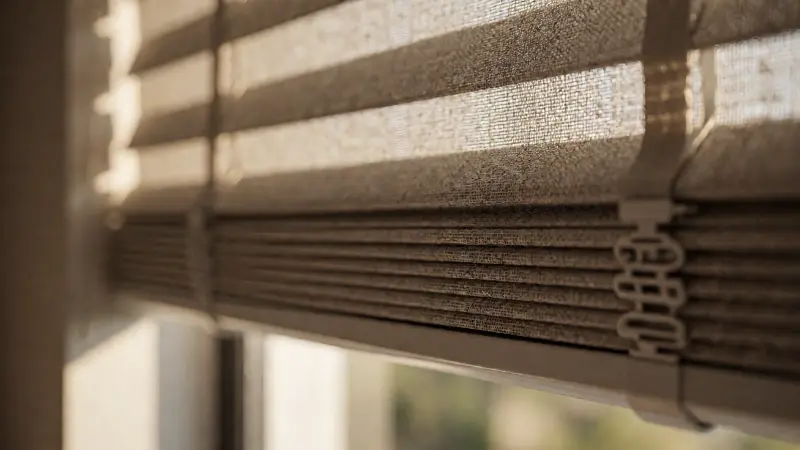
Hunter Douglas makes the most sense for homeowners who prioritize design, want access to exclusive fabrics and operating systems, and plan to stay in their home long enough to benefit from a long service life. If you are covering large or oddly shaped windows where custom fabrication is necessary regardless of brand, the premium over value brands narrows, and the quality difference becomes more meaningful. The same is true if you want a fully integrated smart shade system with reliable automations.
The value case strengthens further if you have a specific product need that only Hunter Douglas fills, such as the Architella insulation design or a particular sheer shade aesthetic. In those cases, you are not just buying a brand name; you are buying a product that performs differently from the alternatives.
Conversely, if you are covering standard rectangular windows in a rental property, a basement, or a room where function matters more than form, the premium is harder to justify. Basic cordless or corded blinds from a value brand will do the job at a fraction of the cost, and the long service life advantage of Hunter Douglas may not pay off within your ownership horizon.
It also helps to consider the broader renovation budget. If you are making multiple upgrades at once, comparing costs across categories can reveal where your money goes furthest. Resources like this guide to Home Depot versus Lowe’s carpet installation show how even within big-box retail, the value equation shifts based on product tier and service model.
Questions to Ask Before You Buy
Before signing a quote, ask for a per-window breakdown that shows the product line, fabric grade, lift system, mount type, and installation cost separately. This makes it easier to compare quotes across dealers and to see where the money is going. Ask what the warranty covers and, just as importantly, what it does not cover. Confirm whether removal and reinstallation are included in warranty service, and get the answer in writing.
Ask who will perform the installation and whether they are employees of the dealer or subcontractors. Ask what happens if you move or if the original dealer closes. And ask about lead times, since custom fabrication can take several weeks depending on the product and fabric selected. A dealer who answers these questions clearly and without hesitation is more likely to provide good service down the road.
Finally, if you are comparing Hunter Douglas to a lower-priced alternative, do not compare a premium quote from one brand to a stripped-down quote from another. Compare like for like. A Hunter Douglas quote that includes measuring, installation, and a lifetime warranty is not the same as a big-box quote for a stock size blind you install yourself. Once the quotes are normalized, the price gap often narrows, even if it does not disappear.
FAQ
Are Hunter Douglas blinds worth the money?
They can be worth the money for homeowners who want premium fabrics, exclusive designs, smooth operating systems, and a long service life. For basic windows where function matters more than form, a value brand may deliver adequate performance at a much lower cost.
How long do Hunter Douglas blinds last?
With proper care, many Hunter Douglas products last well over a decade, and some homeowners report service lives of twenty to thirty years. Longevity varies by product line, fabric type, and exposure to sun and humidity.
Does the lifetime warranty cover everything?
The limited lifetime warranty covers many mechanisms and fabrics, but it typically does not cover removal, reinstallation, labor, or shipping. Motorized components often carry a shorter warranty period than manual parts. Always confirm the specific terms in writing before purchase.
Can I install Hunter Douglas blinds myself?
Many manual shades can be installed by a competent homeowner with basic tools, and Hunter Douglas publishes installation instructions. However, motorized systems and complex mounts are best handled by a professional, and some dealers may not honor warranty claims on self-installed products.
What is the best alternative to Hunter Douglas?
Alta Window Fashions is a direct competitor that offers custom quality at a lower price point, particularly for cellular shades and motorized products. Levolor, Bali, and Graber are also viable alternatives for budget-conscious buyers, though they may not match Hunter Douglas on fabric depth or mechanism refinement.
Do Hunter Douglas blinds help with energy bills?
The Duette Architella cellular shade is designed with a cell-within-a-cell construction that provides better insulation than single-cell alternatives. That can reduce heat transfer through windows, though the actual impact on energy bills depends on your climate, window performance, and how the shades are used.