A furnace that smells like burning dust the first time it is turned on is a familiar experience in many homes. The smell often appears when heating season begins or after the furnace has sat idle for a few weeks. In most cases, it is caused by dust settling on the heat exchanger and burning off as the metal warms. The odour is usually temporary, but it is worth understanding why it happens and when the smell signals something more serious.
This guide explains the normal burning-dust smell, the conditions that make it stronger, and the signs that point to a different problem. It covers filters, ducts, vents, blower motors, electrical components, and combustion safety. It also explains which checks are safe for a homeowner and when a qualified HVAC technician should be called.
Why a Furnace Smells Like Burning Dust on First Start-Up
During the off-season, dust, lint, and pet hair settle on the furnace components and inside the ductwork. When the furnace runs for the first time in a while, the heat exchanger and other metal surfaces reach temperatures that burn off that dust. The result is a dusty, slightly acrid smell that can drift through the supply registers. The odour is usually strongest during the first heating cycle and fades over the next few cycles.
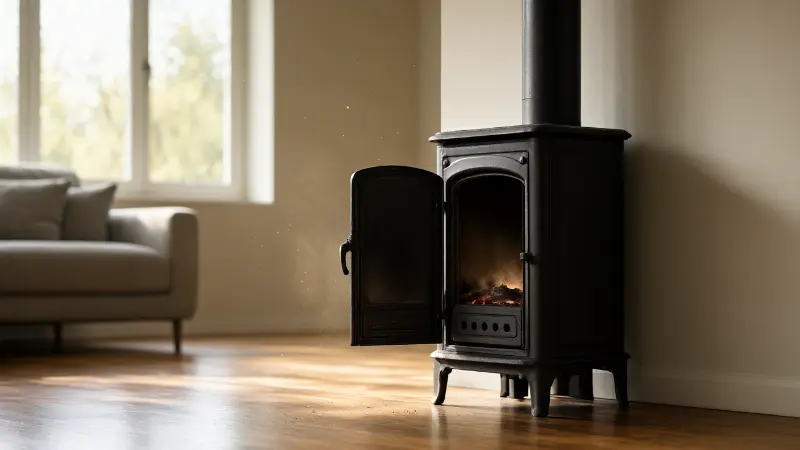
The smell can be more noticeable in homes with pets, in houses that have been closed up for long periods, or after renovation work that produced fine dust. It can also be stronger if the filter is dirty or if the return air grilles have collected debris. A clean filter and clear returns reduce the amount of dust that reaches the heat exchanger, which can shorten the duration of the smell.
It helps to distinguish a burning-dust smell from other odours. Burning dust tends to smell dry and dusty, similar to a heater that has not been used for a while. A burning plastic or electrical smell is sharper and more chemical, and it may indicate an overheating component. A gas or exhaust smell is a safety issue that requires immediate attention. Matching the smell to the likely source is the first step in deciding what to do.
Normal Burning Dust Versus a Problem
A brief burning-dust smell that fades after a few heating cycles is usually normal. The furnace is simply burning off accumulated dust, and the smell should diminish as the system runs. Opening a few windows and running the furnace fan can help clear the air during the first cycle. If the smell disappears within a short period and does not return, no further action may be needed beyond routine maintenance.
A persistent smell, a strong chemical odour, or a smell that returns every time the furnace runs deserves investigation. A burning-dust smell that lasts for days can indicate a dirty filter, a dusty duct system, or a blower motor that is overheating. A smell accompanied by smoke, soot, or a carbon monoxide alarm is an emergency. Turn off the furnace, leave the building if necessary, and call for professional help.
The pattern also matters. If the smell appears only at the start of a heating cycle and fades quickly, it is more likely to be dust burning off. If the smell grows stronger as the furnace runs, or if it appears together with unusual noises, the cause may be mechanical or electrical. Recording when the smell appears helps a technician diagnose the problem faster.
Cause 1: Dust on the Heat Exchanger and Burner Area
The heat exchanger is the metal component that separates combustion gases from the air that circulates through the house. Dust settles on its exterior surfaces during the off-season. When the burners fire, the metal expands and the dust burns off, producing the characteristic smell. This is the most common and least concerning cause of a burning-dust smell.
Regular maintenance reduces the amount of dust that accumulates. A technician can clean the heat exchanger and inspect the burner area during an annual service. Homeowners can help by replacing the air filter regularly and keeping the area around the furnace clean. Dust from a nearby return grille or from stored items can be drawn into the system, so keep the furnace room tidy.
If the smell persists after several heating cycles, the heat exchanger may have a larger accumulation, or the duct system may be contributing dust. A duct cleaning may be appropriate in some homes, but it is not a routine fix for every smell. A technician can assess whether the ducts are the likely source and recommend a suitable approach.
Cause 2: A Clogged Air Filter or Blocked Return Air
A clogged filter restricts airflow across the heat exchanger. The furnace may overheat, and the high-limit switch may cycle the burners on and off. The smell can be a combination of burning dust and hot metal. Replacing the filter is a simple step that improves airflow and reduces the chance of overheating. Check the filter at the start of the heating season and replace it according to the manufacturer’s guidance.
Blocked return air grilles have a similar effect. Furniture, rugs, or stored boxes can cover the grilles and reduce the air available to the furnace. Clear the grilles and confirm that the return path is open. If the furnace is in a closet, ensure that the louvered door or return opening is not blocked. Restricted return air can make the blower work harder and the heat exchanger run hotter than intended.
Airflow problems can also produce a musty or dusty smell because the system is not moving enough air to dilute and carry away odours. If the smell is accompanied by weak airflow at the registers, check the filter and the returns before assuming the furnace itself is the source. A simple airflow correction can resolve both the smell and the performance issue.
Cause 3: Dusty Ducts and Supply Registers
Dust accumulates inside ductwork over time, especially in older homes or after renovations. When the furnace starts, the moving air can lift some of that dust and carry it into the rooms. The smell may be more noticeable at certain registers. Cleaning the visible registers and checking for debris near the supply openings can help, but the duct interior is not a typical DIY cleaning task.
Duct cleaning is sometimes recommended for homes with significant dust, animal hair, or mould. However, not every dusty smell requires a full duct cleaning. A technician or duct cleaning professional can inspect the system and advise whether cleaning is likely to help. If the ducts are accessible and the debris is limited to the registers, simple cleaning may be sufficient.
Leaky or disconnected ducts can draw dust from unconditioned spaces such as attics or crawlspaces. That dust can carry odours and reduce indoor air quality. If you notice dust around duct joints or a musty smell, have the duct system inspected. Sealing leaks and reconnecting disconnected sections can improve both comfort and air quality.
Cause 4: Blower Motor or Electrical Component Overheating
A burning-dust smell can sometimes come from the blower motor or an electrical component rather than the heat exchanger. Dust on a motor housing can burn off as the motor warms, but a sharper, chemical smell can indicate an overheating motor, a failing capacitor, or a loose connection. If the smell is accompanied by a humming noise, a burning plastic odour, or a motor that stops and starts, the furnace should be inspected by a technician.
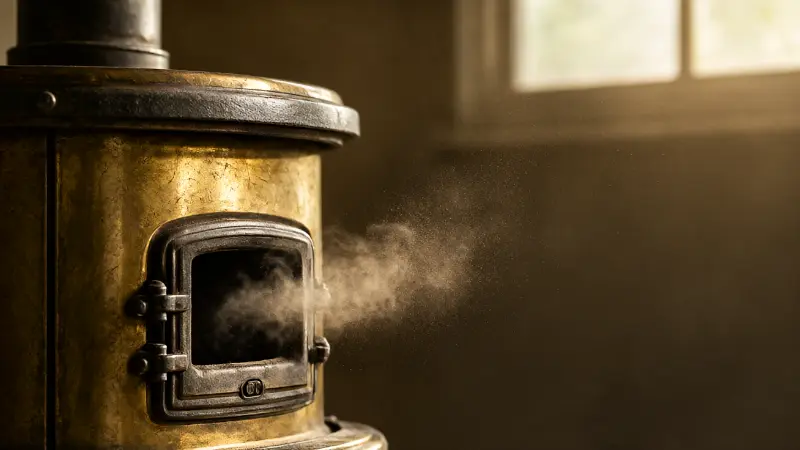
Electrical components such as transformers and control boards can produce a distinctive smell when they fail. A burning smell near the furnace cabinet, scorch marks, or a tripped breaker are signs that the problem is electrical. Do not continue to run the furnace if you suspect an electrical fault. Turn it off at the thermostat and have a qualified technician investigate.
If you are tracing a furnace electrical problem, a reference such as a furnace transformer wiring diagram can help you understand the components, but it is not a substitute for training. Do not open the furnace cabinet or touch wiring unless you are qualified and the power is isolated. Electrical work on a furnace carries a serious shock and fire risk.
Cause 5: Combustion, Exhaust, or Gas Odours
Not every furnace smell is dust. A smell that resembles exhaust, gas, or something burning in a chemical way can indicate a combustion problem. A gas odour is a safety issue: leave the area and call the gas utility’s emergency line. A smell of exhaust or soot can indicate incomplete combustion or a venting problem, and it should be investigated before the furnace is used again.
A yellow or lifting flame, soot around the furnace, or a carbon monoxide alarm are warning signs that require immediate attention. Turn off the furnace at the thermostat, ventilate the area if it is safe to do so, and call a qualified technician. Do not attempt to adjust the burners or the gas valve yourself. Combustion safety is not a DIY task.
Other household odours can sometimes be confused with a furnace smell. A smoky smell from a fireplace that is not in use can travel through the house, especially in homes with pressure imbalances. A guide to a chimney that smells like smoke explains how to distinguish that problem from a furnace odour. If the smell is clearly coming from the vents, focus on the furnace and duct system.
Heat Pumps and Auxiliary Heat
Homes with a heat pump may notice a burning-dust smell when the auxiliary or emergency heat is activated. Electric resistance heat can burn off dust that has settled on the heating elements, producing a smell similar to a furnace start-up. The smell is often brief, but it can be stronger if the auxiliary heat has not run for months. A clean filter and a service check can reduce the intensity.
If the auxiliary heat runs frequently, the system may be struggling to keep up, or the heat pump may have a fault. A technician can check the refrigerant charge, the defrost cycle, and the auxiliary heat controls. Persistent reliance on auxiliary heat can increase energy use and may indicate a problem that should be addressed.
If the furnace or heat pump does not turn on at all when the temperature drops, the problem may be a thermostat, a safety switch, or a control fault. A guide to a furnace not kicking on covers common causes and safe checks. Addressing the no-start condition first is sensible before investigating the smell.
Comparison Table: Smell Patterns and Likely Causes
| Smell pattern | Likely cause | Safe first action |
|---|---|---|
| Dusty smell that fades after a few cycles | Dust burning off the heat exchanger | Open windows; run the fan; replace the filter |
| Persistent dusty smell with weak airflow | Clogged filter or blocked return air | Replace the filter; clear return grilles |
| Musty or dusty smell at specific registers | Dust in ducts or near supply openings | Clean visible registers; consider duct inspection |
| Sharp chemical or burning plastic smell | Electrical component or blower motor fault | Turn off the furnace; call a technician |
| Exhaust, soot, or gas smell | Combustion or venting problem | Turn off the furnace; follow gas safety steps; call for service |
| Smell only when auxiliary heat runs | Dust on electric resistance elements | Check filter; schedule a heat pump service |
What to Do When the Smell Appears
Open a few windows and run the furnace fan to help clear the air during the first heating cycle. Replace the air filter if it is dirty, and check that the return grilles are open. Observe whether the smell fades after a short time. If the smell is mild and temporary, it may be nothing more than dust burning off. Keep an eye on it over the next few cycles.
If the smell is strong, chemical, or accompanied by smoke, turn off the furnace at the thermostat. If you smell gas, leave the building and call the gas utility from outside. If a carbon monoxide alarm sounds, evacuate and call emergency services. Do not ignore a safety alarm or assume it is a false alarm without investigation.
Do not attempt to clean the heat exchanger, burners, or blower motor unless you are trained and the power and fuel have been isolated. Do not spray air fresheners or cleaning products into the furnace or ducts to mask the smell. Masking an odour can hide a problem that needs attention. Address the source rather than the symptom.
Preventing the Burning-Dust Smell
Schedule an annual furnace service before the heating season. A technician can clean the heat exchanger, inspect the burners, check the blower, and confirm that the venting is secure. Regular service reduces dust accumulation and catches worn components before they fail. It also provides an opportunity to confirm that the furnace is operating safely.
Replace the air filter according to the manufacturer’s guidance, and keep the furnace area clean. Vacuum around the furnace and the return grilles, and avoid storing dusty items near the unit. If you have pets, check the filter more often. A clean filter and a tidy furnace room reduce the amount of dust that reaches the heat exchanger.
If the ducts are old or have been exposed to renovation dust, consider an inspection. A technician can advise whether duct cleaning is appropriate and whether any leaks or disconnected sections need repair. Sealing duct leaks can improve efficiency and reduce the amount of dust drawn into the system.
FAQ
How long should a burning dust smell last?
A burning-dust smell from a furnace start-up often fades after a few heating cycles. If the smell persists for days or returns stronger each time, investigate the filter, airflow, and duct system. A persistent chemical or electrical smell should be checked by a technician.
Is it safe to run the furnace with a burning dust smell?
A mild dusty smell that fades is usually not a safety concern. A strong, chemical, or smoky smell is different. Turn off the furnace and call for service if the smell is sharp, if you see smoke, or if a carbon monoxide alarm sounds.
Can a dirty filter cause a burning smell?
A clogged filter restricts airflow and can cause the furnace to overheat, which may produce a hot or dusty smell. Replacing the filter is a simple first step. If the smell continues after the filter change, have the furnace inspected.
Conclusion
A furnace that smells like burning dust the first time it is turned on is usually burning off dust that settled on the heat exchanger during the off-season. The smell is often temporary and fades after a few heating cycles, especially if the filter is clean and the returns are clear. Opening windows and running the fan can help clear the air during the first start-up.
A persistent smell, a chemical or electrical odour, or a smell accompanied by smoke, soot, or a carbon monoxide alarm is not normal. Turn off the furnace, follow gas safety steps if needed, and call a qualified technician. Do not mask the smell with air fresheners or continue to run a furnace that smells strongly of burning plastic or exhaust.
Regular maintenance, filter changes, and a clean furnace area reduce the chance of a strong burning-dust smell and help keep the system operating safely. With a little attention at the start of the heating season, you can distinguish a normal dust burn-off from a problem that needs professional help.