Homeowners seeking a durable, budget-friendly driveway often turn to asphalt millings. Recycled from torn-up roads, this material promises the hardness of pavement at a fraction of the cost. However, a common fear lingers for those with sloped properties or heavy rainfall: will the investment simply erode with the first storm?
Yes, loose asphalt millings will wash away just like gravel if they are not properly graded, compacted, and cured; however, once correctly installed and fused by heat and pressure, they form a semi-permanent surface that is highly resistant to erosion.
Understanding why washout happens and how to prevent it is the difference between a long-lasting driveway and a muddy mess. This guide covers the mechanics of millings, why they move, and the specific steps to lock them in place for years.
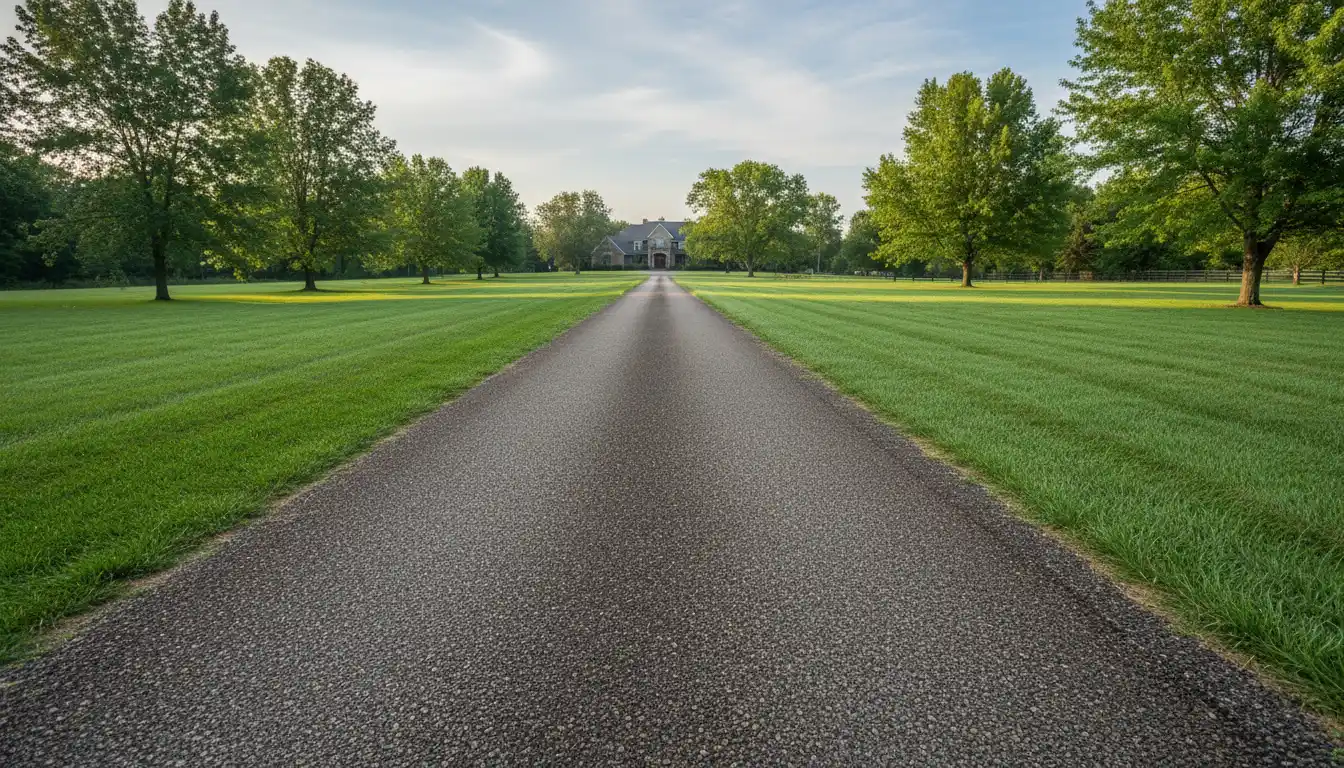
The Mechanics of Movement: Why Millings Migrate
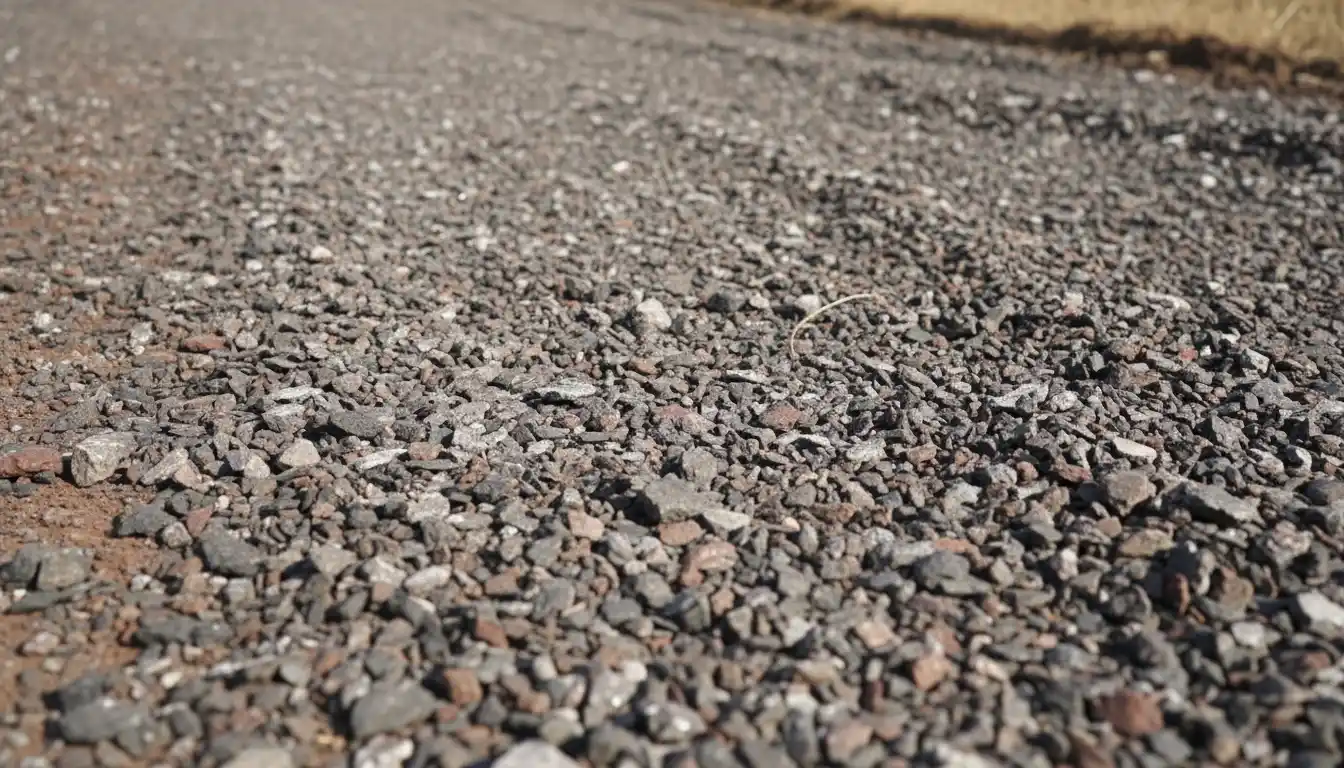
To prevent washout, you must first understand the material. Asphalt millings are not solid rock. They are small chunks of aggregate coated in bitumen (asphalt cement). When cold and loose, they behave exactly like gravel. Gravity and water flow can easily displace them.
The magic of millings lies in their potential to re-bond. The bitumen coating is dormant. It needs specific conditions—primarily heat and compression—to “wake up” and glue the aggregate pieces back together. Until that bonding process occurs, your driveway is vulnerable.
The Role of “Fines”
Washout often starts with the smallest particles. High-quality millings contain a mix of large chunks and dust-like “fines.” These fines act as the mortar between the larger stones. If your millings are old or “clean” (lacking fines), water flows through the gaps rather than over the surface. This internal water flow destabilizes the base and leads to surface erosion.
Compaction vs. Loose Fill
A pile of loose millings is permeable. Rainwater seeps in, lubricates the stones, and carries them downhill. A compacted surface is different. By crushing the air gaps out, you create a waterproof shield. Water is forced to sheet off the top rather than soak in. Without heavy compaction, washout is not just possible; it is inevitable.
The “Curing” Window
Many homeowners skip the curing phase. Freshly spread millings need time to oxidize and harden. If a heavy storm hits immediately after installation, before the sun has heated the oils, the material is at its weakest. Planning your installation around the weather forecast is a critical, often overlooked step in erosion prevention.
Major Causes of Milling Washout
Even the best material will fail if the site conditions are poor. Identifying these risks early allows you to engineer a solution before you dump the first load.
Steep Slopes and Runoff Velocity
Water gains energy as it travels downhill. On a steep driveway, rainwater acts like a pressure washer. It scours the surface, picking up loose aggregate. If the driveway is a straight chute with no diversion, the bottom section will inevitably wash out. The steeper the grade, the more critical your compaction becomes.
Poor Drainage Planning
Water takes the path of least resistance. If your driveway *is* that path, it will erode. A lack of crowning (making the center higher than the edges) causes water to run down the middle of the drive, creating deep ruts. This “channeling” effect is the number one cause of milling repair calls.
Insufficient Edge Restraint
Millings need to be contained. Without a solid border, the weight of vehicles pushes the material outward. As the edges crumble, water eats away at the sides, eventually undermining the center. Transporting proper edging materials, such as landscape timbers, can be a challenge. You must secure them properly during transport, similar to the safety precautions needed when carrying 16 foot lumber on a roof rack.
How to Prevent Asphalt Millings From Washing Away
Securing your driveway requires a systematic approach. You are not just spreading gravel; you are essentially paving a road using cold materials. Follow these steps to ensure your investment stays put.
Step 1: Proper Grading and Crowning
Preparation is everything. The sub-base (the dirt underneath) must be solid. Before laying material, grade the soil so it crowns in the middle. Ideally, the center of the driveway should be 2 inches higher than the edges. This forces water to drain off the sides immediately, rather than rushing down the length of the driveway.
Step 2: The Art of Compaction
You cannot rely on vehicle traffic to compact millings. You need a vibratory roller. A 2-to-3-ton roller is standard for residential driveways. The vibration shakes the fines into the voids, while the weight locks the aggregate together. Roll the surface multiple times, first static (no vibration) to smooth it, then with vibration to lock it.
Step 3: Heat Activation
Heat is the catalyst. Plan your installation for the hottest days of summer. The sun softens the bitumen, making it sticky. As you roll the hot material, the stones glue themselves together. If you install in winter, the millings will remain loose and prone to washout until the following summer.
Step 4: Installing Drainage Swales
If you have a steep slope, you must interrupt the water flow. Dig drainage swales or culverts across the driveway to divert water into ditches. Installing these pipes requires precision. You may need to cut through rigid materials to fit connections, requiring tools similar to those used when choosing what size hole saw for a round electrical box for drainage piping outlets.
Advanced Hardening Techniques
Sometimes, compaction and heat are not enough. If you live in a rainy climate or have a very steep grade, you may need chemical assistance to lock the surface.
The Diesel Myth vs. Reality
Warning: You will read online that spraying diesel fuel on millings “melts” them into pavement. While diesel does dissolve bitumen and can help bond the surface, it is an environmental hazard and illegal in many jurisdictions. It can contaminate groundwater and kill nearby vegetation. If you use too much, it permanently softens the asphalt, turning your driveway into a tar pit that tracks into your home.
Rejuvenators and Fog Seals
A safer, professional alternative is an asphalt rejuvenator or “fog seal.” These are special emulsions designed to penetrate the millings and restore the chemical binders in the aged asphalt. They provide the “glue” effect of diesel without the environmental damage or risk of structural failure.
The “Poor Man’s Pavement” Curing
For a chemical-free hardening method, use water and time. Lightly misting the millings with water while rolling helps lubricate the stones, allowing them to pack tighter. Once compacted, keep heavy equipment off the surface for a few days. If you have heavy machinery, ensure it is stored properly during this curing phase, much like you would ensure structural integrity when reinforcing a garage ceiling for a hoist.
Asphalt Millings vs. Gravel: Washout Comparison
Is recycled asphalt actually better than traditional crushed stone? The table below compares how these materials handle water and erosion risks.
| Feature | Asphalt Millings | Crushed Gravel (Class 5/Base) | Loose Stone (Pea Gravel) |
|---|---|---|---|
| Binding Ability | High (Heat activates bitumen) | Medium (Fines lock when wet) | None (Stones roll freely) |
| Washout Risk | Low (Once compacted & cured) | Medium (Can rut in heavy rain) | Very High (Moves with water) |
| Slope Suitability | Good (If compacted properly) | Fair (Requires maintenance) | Poor (Will pile at bottom) |
| Maintenance | Low (Re-seal every few years) | Medium (Grading required annually) | High (Constant raking) |
| Water Resistance | Hydrophobic (Sheds water) | Permeable (Absorbs water) | Permeable (Lets water through) |
Final Tips for Longevity
Preventing washout is an ongoing process. Once your driveway is installed, observe how water behaves during the first rainstorm. If you see streams forming on the surface, regrade that spot immediately before it becomes a trench.
Keep the surface clean. Leaves and organic debris trap moisture and create shade, preventing the sun from heating the asphalt. This keeps the surface soft and vulnerable. By maintaining exposure to the sun and keeping drains clear, your asphalt millings will harden year over year, eventually becoming nearly as durable as a hot-paved road.
Will Asphalt Millings Wash Away?
Yes, loose asphalt millings can wash away during heavy rain if they have not been properly compacted and cured. Unlike solid asphalt, millings are crushed aggregate. Without adequate heat and compression to “lock” the bitumen binder, they behave similarly to gravel and are susceptible to erosion, especially on steep slopes or areas with poor drainage.
How Do I Prevent Asphalt Millings From Eroding?
To prevent erosion, you must bond the loose aggregate into a semi-solid surface. This is achieved primarily through heavy compaction (using a vibratory roller) and heat. Ensuring your driveway has a proper crown or slope to shed water to the sides, rather than letting it run down the center, is also critical for erosion control.
What Is the Best Way to “Lock In” Asphalt Millings?
The most effective method to lock in millings is to spread them evenly and then compress them with a heavy vibratory drum roller, ideally on a hot, sunny day. The combination of weight, vibration, and solar heat softens the residual tar in the millings, causing them to fuse together. For stronger bonding, you can apply a commercial asphalt rejuvenator or emulsion liquid before compacting.
Does Heat Help Stabilize Asphalt Millings?
Absolutely. Heat is the secret ingredient for successful installation. Installing millings during the hottest summer months allows the sun to heat the asphalt content, making it sticky and malleable. This thermal effect, combined with compaction, re-binds the crushed pieces into a hardened surface that is far more resistant to washing away than cold-laid millings.
Should I Use Diesel Fuel to Bind Millings?
No, you should never use diesel fuel on asphalt millings. While it was an old “farmer’s trick” to cut the asphalt, diesel actually acts as a solvent that dissolves the binders, permanently weakening the structural integrity of your driveway. It is also an environmental hazard that contaminates soil and groundwater. Use a proper asphalt emulsion or rejuvenator instead.
Can I Use a Plate Compactor Instead of a Roller?
For a durable finish, a plate compactor is usually insufficient. Plate compactors are designed for soil and gravel, but they lack the heavy static weight needed to crush and fuse asphalt millings effectively. A 1-ton to 3-ton vibratory roller is recommended to achieve the density required to prevent washout and potting.
How Long Does It Take for Millings to Harden?
Millings do not “cure” like concrete; they harden over time as they are exposed to heat and traffic. A well-compacted driveway will be usable immediately, but it may take several weeks of hot weather to fully firm up. During this breaking-in period, avoid turning steering wheels while the vehicle is stationary, as this can tear up the surface.
Will Sealing My Millings Driveway Stop Loose Stones?
Yes, applying a sealcoat can help lock in surface fines and loose stones after the driveway has had time to cure (usually after one hot summer). However, standard sealers may not adhere well to fresh millings. It is often better to spray a penetrating asphalt rejuvenator specifically designed for recycled asphalt (RAP) to restore the binder and glue the surface together.
What Thickness Should Asphalt Millings Be Laid?
To ensure they lock in properly and don’t wash away, millings should typically be laid at a depth of 4 to 6 inches uncompacted, which will compress down to a solid 3 to 4-inch base. Laying them too thin (under 2 inches) prevents them from bonding correctly, leaving them loose and vulnerable to heavy rain and snow plows.
Why Are My Millings Still Loose After Rolling?
If your millings are still loose, it is likely due to a lack of heat or “dry” millings with low asphalt content. Old, grey millings may have lost their essential oils and binder. in this case, you may need to apply an asphalt rejuvenator liquid to restore the stickiness or wait for a stretch of very hot weather to re-roll the surface.