An inducer motor that becomes noisy in cold weather is a common furnace complaint. The inducer motor drives a small blower that pulls combustion gases through the heat exchanger and pushes them out the vent. When temperatures drop, the motor may sound louder, harsher, or more irregular than it does in milder weather. The change can be a warning sign, or it can be a normal response to cold conditions and stiff components.
This guide explains why the inducer motor is sensitive to cold weather and how to tell a harmless start-up noise from a fault that needs repair. It covers bearing stiffness, debris and ice at the vent, loose mounts, blower wheel imbalance, pressure switch and condensate issues, and safe diagnostic steps. It also explains when a qualified HVAC technician should take over.
What the Inducer Motor Does and Why Cold Weather Changes the Sound
The inducer motor is part of the furnace’s combustion air system. Before the burners ignite, the inducer starts and creates a draft through the heat exchanger. A pressure switch confirms that the draft is sufficient, and only then does the control board allow ignition. If the inducer cannot move air properly, the furnace will not fire, or it will shut down as a safety precaution.
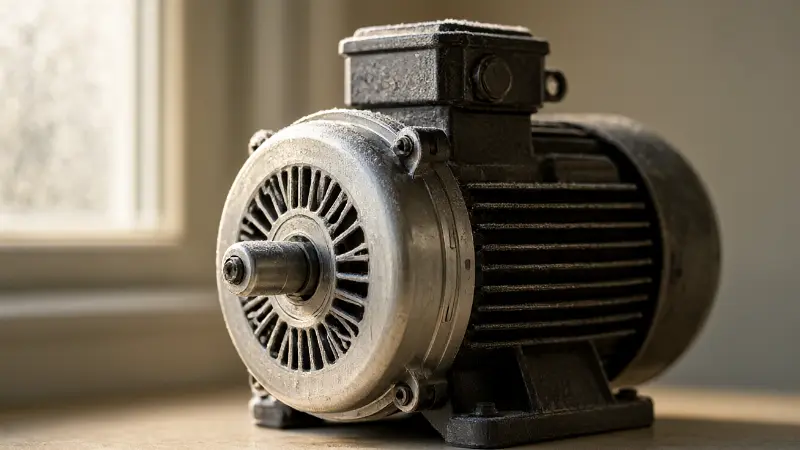
Cold weather affects the inducer in several ways. Lubricant in the motor bearings can become thicker, so the motor may sound rough for the first few seconds or minutes. Plastic and rubber mounting grommets can stiffen, transmitting more vibration to the furnace cabinet. Ice, snow, or debris can partially block the vent termination, increasing the load on the blower. A motor that is already worn may become noticeably louder when it has to work harder.
The sound itself matters. A brief hum or whoosh at start-up is normal. A grinding, scraping, rattling, or high-pitched squeal that persists is not. A noise that appears only in cold weather and fades as the furnace warms up may point to stiff bearings or a cold-related clearance issue. A noise that continues throughout the heating cycle may point to a worn bearing, a loose wheel, or an obstruction.
Distinguish Normal Start-Up Noise from a Fault
Stand near the furnace at the start of a heating cycle and listen carefully. You should hear the inducer start, followed by the igniter or spark, then the burners, and finally the main blower. A short hum or a soft rush of air from the inducer is normal. A single tick or click as the pressure switch closes is also normal. The sequence should sound consistent from cycle to cycle.

A fault is more likely when the noise is new, getting worse, or accompanied by other symptoms. Grinding or scraping can indicate a bearing that is failing or a blower wheel rubbing against the housing. Rattling can indicate a loose mounting bolt, a worn grommet, or a panel that is vibrating. A high-pitched squeal can indicate a dry or worn bearing. A rhythmic thumping can indicate an imbalanced blower wheel.
Pay attention to timing. A noise that lasts only during the first cold start of the day and then disappears may be related to stiff lubricant or thermal contraction. A noise that occurs every cycle, regardless of temperature, is more likely a mechanical fault. A noise that begins after a snowfall or an ice storm may be related to a blocked vent or a frozen condensate line. Recording a short video with your phone can help a technician hear the noise and see the conditions.
Cause 1: Stiff Bearings and Cold Lubricant
Inducer motors use bearings that rely on lubricant to run smoothly. In cold weather, the lubricant can become thicker, especially if the furnace is in an unheated space such as a garage, attic, or crawlspace. The motor may sound rough or labor harder during the first start-up of the day. As the motor warms, the lubricant thins and the noise may fade.
A motor with worn bearings can behave the same way but with more severe symptoms. The noise may become a grinding or squealing sound that does not fully disappear. The motor may run hot, draw more current, or fail to reach the speed needed to close the pressure switch. If the motor is difficult to turn by hand when the power is off, the bearings are a likely suspect. Do not force a stiff motor to turn; that can damage the wheel or the housing.
Some motors are sealed and cannot be lubricated. Others have lubrication ports, but the manufacturer’s instructions should be followed exactly. Adding the wrong lubricant or over-lubricating can attract dust and cause premature failure. If the motor is noisy and the bearings are not serviceable, replacement of the inducer assembly is usually the practical repair. A technician can confirm whether the motor or the control board is the source of the noise.
Cause 2: Ice, Snow, or Debris at the Vent Termination
The inducer pushes exhaust gases through the vent to the outdoors. If the vent termination is blocked by snow, ice, leaves, or a bird nest, the inducer has to work against higher pressure. The motor may sound louder, and the pressure switch may not close reliably. In some cases, the furnace will start and then shut down because the draft cannot be proven.
Check the vent termination from the ground if it is safe to do so. Look for snow piled against the pipe, ice hanging from the termination, or debris lodged in the opening. Do not climb on a snowy roof or stand on a ladder in icy conditions. If the vent is blocked and you can clear it safely from the ground with a broom or a long tool, do so gently. Do not strike the vent or force ice into the pipe.
A vent that is clear but still causes noise may have an internal obstruction, a sagging section, or a disconnected joint. These problems require a technician to inspect the venting system. Do not attempt to dismantle venting or seal joints with improvised materials. A venting fault can allow combustion gases to enter the home, which is a carbon monoxide hazard.
Cause 3: Loose Mounting, Worn Grommets, or Vibrating Panels
The inducer motor is mounted to the furnace with bolts, brackets, or rubber grommets that isolate vibration. Over time, the mounts can loosen, the rubber can harden or crack, and the motor can transmit more vibration to the cabinet. Cold weather can make the rubber stiffer, so the noise becomes more noticeable. A rattle or buzz that changes with temperature often points to a mounting issue.
Inspect the visible mounting hardware with the furnace off and the power disconnected. Look for loose bolts, missing screws, cracked grommets, or a motor that moves more than it should. Do not reach into the blower housing or attempt to tighten a bolt that is difficult to access. If the mount is accessible and the manufacturer’s instructions permit it, a gentle tightening may reduce the rattle. Do not overtighten, because that can crack the housing or compress the grommet.
A vibrating panel can also sound like a motor noise. Check the furnace cabinet panels and the access door. A loose panel can rattle at the frequency of the inducer or the main blower. Tighten the panel screws if they are accessible and the furnace is off. If the noise persists, the motor mounts or the blower wheel are more likely causes. A technician can isolate the source by running the inducer with the panels secured.
Cause 4: Blower Wheel Imbalance, Damage, or Debris
The inducer motor turns a small blower wheel. If the wheel is dirty, damaged, or out of balance, the motor will vibrate and produce a rhythmic noise. Dust, lint, and debris can collect on the blades unevenly, creating an imbalance. A cracked or bent blade can cause a scraping sound or a thumping vibration. A wheel that has come loose on the shaft can rattle or scrape against the housing.
Do not attempt to remove the blower wheel unless you are trained and the power has been isolated. The wheel can be fragile, and an incorrect reassembly can damage the motor or create a safety hazard. A technician can inspect the wheel, clean it if appropriate, and replace it if it is damaged. If the wheel is loose on the shaft, the motor or the wheel may need replacement.
A motor that is noisy and also slow to start may have a failing capacitor or a control board issue. The principles of motor diagnosis are similar across appliances. If you are familiar with motor repairs on other equipment, a reference such as DW 714 fan motor repair shows how bearing, mounting, and wheel faults are approached in a different appliance. The same care with power isolation and correct parts applies.
Cause 5: Pressure Switch, Condensate, and Cold-Weather Load
High-efficiency furnaces produce condensate, and the drain line can freeze in cold weather. If the condensate trap or drain is blocked, the pressure switch may not close, and the furnace may not fire. The inducer may run continuously or cycle on and off, and the motor may sound strained. A frozen drain line is a common cold-weather fault, especially if the line runs through an unheated space or outdoors.
A pressure switch that is failing can also cause the inducer to run longer than normal or to cycle repeatedly. The switch senses the pressure created by the inducer, and if it cannot confirm draft, the furnace will not ignite. The inducer may sound normal, but the furnace will not stay running. Diagnostic codes on the control board can point to a pressure switch fault, a blocked vent, or a condensate issue.
Do not bypass a pressure switch or disconnect a condensate drain as a workaround. These components are part of the combustion safety system. If the drain line is accessible and the manufacturer’s instructions permit, check for ice or a visible blockage. Do not pour hot water into the drain unless the instructions allow it. A technician can clear the trap, verify the pressure switch, and confirm that the venting is correct.
Safe Diagnostic Steps for Homeowners
Before calling a technician, you can perform a few safe checks that do not require opening the furnace cabinet or touching electrical components. These steps help you describe the noise and the conditions, which can shorten the service visit. Keep the thermostat set to heat and allow the furnace to complete a full cycle.
- Listen at the furnace and note whether the noise comes from the inducer, the main blower, or a panel.
- Record whether the noise occurs only on the first cold start or on every cycle.
- Check the vent termination from the ground for snow, ice, or debris.
- Confirm that the air filter is clean and that return grilles are open.
- Look for a diagnostic code on the control board and record it.
- Check visible condensate drain lines for ice if they are safe to access.
- Turn the furnace off at the thermostat if the noise is loud, grinding, or accompanied by a burning smell.
- Call a qualified technician if the noise persists or the furnace will not heat.
Do not open the inducer housing, remove the blower wheel, or adjust the pressure switch. Do not lubricate a sealed motor or force a stiff wheel to turn. If you smell gas, see soot or scorch marks, or hear a loud scraping sound, turn off the furnace and call for service. A carbon monoxide alarm should be treated as an emergency: evacuate and call emergency services from outside.
Comparison Table: Inducer Noise Patterns and Likely Causes
| Noise pattern | Likely cause | Recommended action |
|---|---|---|
| Rough hum on the first cold start, fades as the furnace warms | Stiff bearing lubricant or cold-related clearance | Monitor; schedule service if the noise worsens or persists |
| Grinding or scraping throughout the cycle | Worn bearing or blower wheel rubbing the housing | Turn off the furnace; call a technician |
| Rattle or buzz that changes with temperature | Loose mount, worn grommet, or vibrating panel | Check visible panel screws with power off; call for mount repair |
| Rhythmic thumping or vibration | Imbalanced or damaged blower wheel | Call a technician for wheel inspection and replacement |
| Inducer runs continuously but furnace does not fire | Pressure switch, blocked vent, or frozen condensate | Check vent and drain if safe; call for pressure switch diagnosis |
| Loud noise plus gas smell or carbon monoxide alarm | Combustion or venting hazard | Evacuate; call emergency services and the gas utility |
When to Call a Qualified Technician
Call a qualified HVAC technician if the noise is grinding, scraping, or squealing, if it persists after the furnace warms up, or if the furnace will not heat. These symptoms can indicate a failing bearing, a damaged blower wheel, or a pressure switch fault. A technician can isolate the noise, test the motor, and confirm whether the inducer assembly needs replacement.
Call immediately if you smell gas, see soot or scorch marks, or notice a yellow or lifting flame. These signs can indicate incomplete combustion or a venting problem. Turn off the furnace at the thermostat and follow the gas safety instructions from your utility. If a carbon monoxide alarm sounds, evacuate the home and call emergency services from outside.
Cold weather can expose problems in other appliances too. If a secondary refrigerator is struggling in a cold garage, a guide to a refrigerator not cold enough explains common cooling faults. If you hear banging or popping from another appliance, an article on water heater popping noise explains what that sound can mean. Addressing unusual noises early is a sensible habit for any home system.
Preventing Inducer Motor Noise in Cold Weather
Schedule annual furnace maintenance before the heating season. A technician can clean the inducer blower, inspect the motor mounts, test the pressure switch, and check the venting. Regular service catches a worn bearing or a loose mount before it becomes a loud noise or a no-heat call. It also confirms that the combustion system is operating safely.
Keep the vent termination clear of snow, ice, and debris. After a snowfall, check the area around the vent from the ground if it is safe to do so. Do not bury the vent with snow from shoveling or plowing. Keep the furnace area clean and free of stored items that can block airflow or vibrate against the cabinet. Replace the air filter according to the manufacturer’s guidance.
If the furnace is in an unheated space, consider whether the condensate drain is protected from freezing. A frozen drain can cause pressure switch faults and repeated inducer cycling. A technician can recommend suitable freeze protection for the drain line without compromising the furnace’s safety systems. Do not wrap the vent or the combustion air intake in a way that restricts airflow.
FAQ
Why is my inducer motor louder only in cold weather?
Cold weather can thicken bearing lubricant, stiffen rubber mounts, and increase the load on the blower if the vent is partly blocked. A motor that is already worn may become noticeably louder when it has to work harder. If the noise fades as the furnace warms, cold-related stiffness is a likely factor.
Can I lubricate the inducer motor myself?
Some motors are sealed and cannot be lubricated. Others have ports, but the manufacturer’s instructions should be followed exactly. Using the wrong lubricant or over-lubricating can cause premature failure. If the motor is noisy and the bearings are not serviceable, replacement is usually the practical repair.
Is a noisy inducer motor dangerous?
A brief hum at start-up is normal. Grinding, scraping, or a loud squeal can indicate a mechanical fault that may lead to motor failure or a no-heat condition. A noise accompanied by a gas smell, soot, or a carbon monoxide alarm is a safety emergency. Turn off the furnace and call for service.
Conclusion
Inducer motor noise in cold weather is often caused by stiff bearing lubricant, a blocked vent, loose mounts, an imbalanced blower wheel, or a pressure switch and condensate issue. A brief start-up hum can be normal, but grinding, scraping, rattling, or a noise that persists through the cycle deserves attention. Recording when the noise occurs and checking the vent from the ground are safe first steps.
Do not open the inducer housing, force a stiff wheel, or bypass a pressure switch. If the noise is loud, mechanical, or accompanied by a no-heat condition or a combustion warning, turn off the furnace and call a qualified technician. Annual maintenance and a clear vent termination reduce the chance of a cold-weather breakdown.
With prompt attention and proper service, the inducer motor can run quietly and the furnace can keep the home warm through the coldest weather.