Are you struggling with an older air conditioning unit that relies on phased-out Freon? Finding a cost-effective recharge solution often leads homeowners to explore aftermarket products. However, while Ecofreeez r22 replacement is marketed as an efficient substitute, it is a highly flammable hydrocarbon blend banned by the EPA for central AC retrofits. Using this unapproved formula poses extreme fire hazards and legal liabilities.
You might think you are saving money initially, but the hidden risks are truly astronomical. Instead of taking dangerous shortcuts, you must learn the safe methods for upgrading your cooling equipment. We will explore the harsh reality behind these controversial internet products. Let us dive into the technical facts surrounding proper home cooling maintenance.
The Growing Problem of Aging R-22 HVAC Systems
Over the past decade, regulatory shifts have completely transformed home cooling standards. Older systems rely on outdated chemicals that are now illegal to manufacture domestically. This creates a massive headache for homeowners needing a quick and affordable fix. Understanding this dilemma is the first crucial step toward finding a viable cooling solution.
Why Freon Was Ultimately Phased Out
R-22 was heavily favored for its impressive thermal properties and extreme mechanical reliability. Unfortunately, atmospheric scientists discovered it contained harmful hydrochlorofluorocarbons. These specific compounds severely deplete the earth’s protective ozone layer over time. Consequently, strict international treaties mandated a complete manufacturing halt.
The Rising Costs of Legacy Refrigerants
Because commercial production has ceased, existing supplies of legacy gases are dwindling rapidly. This engineered scarcity has driven the price of remaining stockpiles through the roof. Technicians now charge absolute premium rates simply to top off a minor system leak. Homeowners are naturally desperate to find cheaper alternatives to survive the summer heat.
The Temptation of Drop-In Replacements
The internet is completely flooded with products claiming to be simple, direct replacements. Brands often market these as eco-friendly, energy-saving miracle liquids for aging units. They boldly promise that no mechanical modifications or expensive professional tools are required. However, the reality of utilizing these mystery chemical blends is incredibly complicated.
Unmasking Ecofreeez: What Is It Exactly?
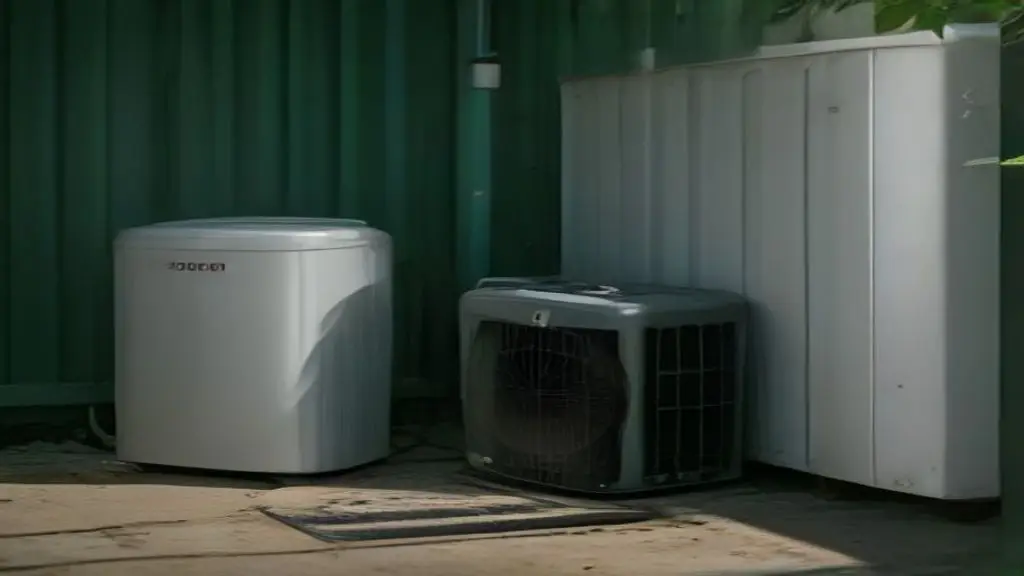
Before pouring any foreign substance into your expensive condenser, you must verify its chemical makeup. Many online retailers sell aftermarket formulas without disclosing the severe underlying operational dangers. Let us examine what this specific liquid actually contains beneath its green marketing. We must look at the exact science behind this controversial substance.
The Chemistry Behind the Formula
This specific aftermarket gas is essentially a highly refined, proprietary hydrocarbon blend. Its primary structural ingredients usually consist of common propane and isobutane mixtures. While these natural gases are indeed excellent thermal conductors, they belong to a completely different safety classification. They are absolutely not safe hydrofluorocarbons like standard Freon.
Extreme Hydrocarbon Flammability Risks
Traditional residential units were strictly engineered to process non-flammable cooling chemicals exclusively. Introducing a highly flammable gas into this pressurized environment is a massive recipe for disaster. The Ignition Trigger: Sparks from standard electrical contactors can easily ignite a leaking system. This literally transforms your backyard cooling unit into a ticking firebomb.
EPA Rulings and SNAP Regulations
The Environmental Protection Agency strictly regulates chemical substitutions across the country. Under their Significant New Alternatives Policy, this gas is listed as an unacceptable retrofit. It is completely illegal for technicians to install this into a non-flammable system. Ignorance of this federal mandate will not protect you from severe legal liability.
Hidden Dangers of Unapproved Retrofits
The mechanical risks extend far beyond mere regulatory compliance and basic fire safety concerns. Utilizing an improper chemical blend fundamentally disrupts the delicate mechanical harmony of your compressor. The resulting internal damage is often entirely irreversible and financially devastating for homeowners. You must avoid these unseen maintenance pitfalls at all absolute costs.
Compressor Oil Incompatibility Issues
Legacy outdoor units utilize specific mineral oils to keep the internal compressor properly lubricated. Hydrocarbon mixtures do not always mix correctly with these older, thicker domestic lubricants. The Friction Problem: Poor oil return eventually leads to severe friction and rapid internal overheating. Your expensive outdoor compressor will likely seize up permanently within months.
Voided Warranties and Insurance Nightmares
Equipment manufacturers strictly outline which specific gases are safely permitted inside their hardware. If you introduce an unapproved substance, your entire factory warranty is instantly nullified. Furthermore, home insurance policies may rapidly deny claims if an illegal gas causes a house fire. You could lose everything just trying to save a few dollars on routine maintenance.
Complications with Routine Maintenance
Most licensed HVAC professionals utilize standard recovery machines for daily mechanical repairs. These electrical machines are absolutely not rated to safely handle highly explosive propane blends. If a technician unknowingly extracts this explosive gas, their expensive equipment could violently rupture. Therefore, reputable companies will refuse to touch your contaminated unit.
Exploring Completely Safe HFC Alternatives
You do not have to resort to illegal hydrocarbon mixtures to save your aging backyard unit. The commercial industry has engineered numerous safe, EPA-approved transitional chemical blends. These modern options provide excellent home cooling without introducing extreme explosive risks. Let us explore the most reliable and legal commercial substitutes available on the market today.
The Trusted R-407C System Retrofit
The R-407C mixture is widely considered one of the best matches for legacy operating pressures. It routinely provides nearly identical cooling capacity when compared to traditional residential Freon. However, this specific swap does require a complete system oil change to a synthetic Polyolester fluid. This extra chemical step makes the initial professional labor slightly more intensive.
Utilizing R-422D and R-422B Blends
If you want to avoid completely flushing out the old mineral oil, R-422D is a fantastic option. It is specifically formulated to remain fully compatible with existing legacy system lubricants. Homeowners truly appreciate the reduced professional labor costs associated with this easier chemical swap. Keep in mind: You might experience a very slight drop in overall summer cooling efficiency.
The Rising Popularity of RS-44b
The RS-44b compound has gained massive industry popularity as a reliable, lower-pressure substitute. It very closely mimics legacy mechanical pressures without requiring a messy compressor oil change. Many experienced professionals consider it the absolute closest thing to a true legal drop-in solution. It effectively bridges the gap until a full equipment replacement becomes feasible.
Step-by-Step Upgrades for Home Cooling
Upgrading your home system requires careful mechanical planning and strict professional execution. You cannot simply vent the old illegal gas into the atmosphere and pour in a new liquid. A structured, legal approach guarantees optimal safety while simultaneously maximizing daily energy efficiency. Here are the exact professional steps you should take during this crucial process.
Executing a Proper Chemical Swap
First, a certified technician must safely recover the remaining toxic gas using specialized vacuum equipment. Next, they will replace the inline filter drier and meticulously flush the copper lines if necessary. After pulling a deep system vacuum, the new approved alternative is accurately weighed into the unit. This exact protocol ensures optimal pressure and sustained summer cooling performance.
Addressing the Surrounding Environment
When upgrading an outdoor cooling unit, you must also consider the surrounding structural elements. You might be remodeling the exterior utility wall at the exact same time as your mechanical upgrade. If so, knowing which side of 1/2 hardibacker faces out is critical for proper moisture defense. A solidly built physical environment significantly prolongs the overall life of your new hardware.
Maximizing Household Energy Savings
Improving your AC hardware is just one single part of maintaining a greener, cheaper home. You can slash monthly utility bills further by actively optimizing other large household appliances. Many people frequently wonder can you run a washing machine with just cold water to save on costly heating bills. Combining these small appliance changes yields truly massive monthly utility savings.
Technical Comparison of Refrigerant Options
Visualizing the chemical differences between these distinct gases helps solidify the correct ultimate choice. Not all aftermarket substitutes behave exactly the same under extreme high summer temperatures. The detailed table below clearly outlines the critical performance characteristics of each popular option. Review this technical data carefully before calling your local technician for service.
| Refrigerant Type | Safety Classification | Oil Compatibility | EPA Status |
|---|---|---|---|
| R-22 (Freon) | Non-Flammable (A1) | Mineral Oil | Phased Out |
| Ecofreeez EF-22a | Highly Flammable (A3) | Variable Match | Illegal Retrofit |
| R-407C Alternative | Non-Flammable (A1) | POE Oil Required | Fully Approved |
| RS-44b Substitute | Non-Flammable (A1) | Mineral or POE | Fully Approved |
Evaluating the Performance Data
As the technical table clearly indicates, raw hydrocarbon blends boast excellent basic efficiency metrics. Unfortunately, their terrible flammability rating makes them completely impossible to recommend legally. Approved HFC chemical substitutes offer a much better balance of mechanical safety and cooling performance. They remain the only truly responsible choice for residential applications.
Long-Term Financial Considerations
Paying for a proper professional retrofit might seem overly costly during the initial planning phase. However, this upfront expense pales in comparison to replacing an entirely ruined outdoor compressor. It is also infinitely cheaper than dealing with the aftermath of a catastrophic residential structure fire. Investing in legally approved methods guarantees excellent long-term peace of mind.
Preparing for Future Innovations
The domestic heating and cooling industry is constantly evolving rapidly to meet strict new climate goals. We are already seeing the mainstream integration of ultra-efficient, variable-speed electric heat pumps. Some off-grid home enthusiasts even experiment with a modern piezoelectric water heater to complement their advanced HVAC setups. Staying informed ensures your modern home remains incredibly comfortable and legally compliant.
The True Cost of DIY Refrigerant Recharging
Many homeowners attempt to bypass professional fees by purchasing cheap aftermarket cooling kits online. Social media tutorials falsely suggest that recharging a central air conditioner is incredibly simple. However, handling highly pressurized chemical gases requires extensive safety training and specialized gear. We must examine the hidden dangers of performing DIY mechanical repairs.
The Myth of the Simple Cheap Fix
Internet forums often boast about saving hundreds of dollars using cheap, unapproved hydrocarbon cans. These amateur DIY enthusiasts rarely discuss the massive long-term damage inflicted on their equipment. The Hidden Truth: An improperly charged system must run twice as long to cool your home. This excessive runtime drastically increases your monthly electrical bills almost instantly.
Specialized Professional Equipment Needs
Accurately measuring high-pressure cooling chemicals requires incredibly sensitive digital manifold gauges. Professional technicians also utilize advanced electronic scales to weigh the exact amount of injected gas. Amateurs guessing the correct pressure levels will absolutely overcharge or undercharge their outdoor unit. This fundamental mistake immediately destroys the sensitive compressor valves.
Severe Legal Fines and Penalties
Venting any form of synthetic refrigerant directly into the atmosphere is a massive federal crime. The EPA actively enforces these strict regulations with incredibly steep financial penalties for violators. Unlicensed homeowners caught improperly handling these controlled substances face devastating legal fines. Hiring a professional completely shields you from this legal nightmare.
How to Identify a Failing AC Compressor
Before deciding whether to retrofit or replace your unit, you must evaluate the current compressor health. Injecting brand new chemical gas into a dying mechanical compressor is a massive waste of money. Homeowners should learn the early warning signs of impending mechanical failure during the summer. Recognizing these subtle symptoms prevents unexpected mid-summer cooling emergencies.
Strange Noises and Harsh Vibrations
A perfectly healthy outdoor condenser should operate with a smooth, consistent, and quiet humming sound. If you suddenly hear loud grinding, aggressive screeching, or heavy rattling, trouble is brewing. The Warning Sign: These harsh mechanical sounds usually indicate failing internal bearings or broken valves. Immediate professional diagnostic attention is required to prevent a total blowout.
Frequent Tripping of Circuit Breakers
Your household electrical panel is designed to protect your home from dangerous electrical surges. If the dedicated AC breaker flips off repeatedly, the outdoor compressor is drawing far too much power. This massive electrical draw often occurs right before the internal motor seizes up completely. Never ignore a tripping breaker, as it signals severe internal component degradation.
Weak Airflow from Indoor Vents
Sometimes the outdoor compressor sounds fine, but the indoor air feels incredibly weak and humid. This issue frequently points to a failing compressor that cannot properly pressurize the cooling gas. It might also indicate a massive ice buildup on the indoor evaporator coil due to low pressure. A licensed technician must thoroughly inspect the entire loop to find the exact root cause.
Maximizing the Lifespan of Your Retrofitted AC
Once your aging unit has been successfully retrofitted with a legal HFC gas, maintenance becomes critical. A newly serviced system requires consistent care to maintain its restored summer cooling efficiency. Homeowners can perform several basic tasks to significantly extend the lifespan of their hardware. Following these simple steps protects your massive professional service investment.
Consistent Indoor Filter Replacements
The absolute easiest way to protect your retrofitted compressor is changing the indoor air filters regularly. A clogged filter chokes the airflow, forcing the outdoor unit to work incredibly hard. This unnecessary strain completely negates the benefits of your newly installed HFC substitute. Best Practice: Replace these cheap filters every single month without fail.
Clearing Debris Around the Condenser
Outdoor condenser units require massive amounts of fresh airflow to successfully dissipate absorbed heat. Overgrown bushes, tall weeds, and scattered yard debris easily block the delicate exterior metal fins. Homeowners must maintain a two-foot clearance zone entirely around the metal hardware at all times. Gently washing the exterior fins with a garden hose also boosts daily efficiency.
Scheduling Annual Professional Inspections
Even the most meticulously maintained domestic systems require expert evaluation at least once a year. A licensed professional will actively test internal electrical capacitors and measure exact chemical pressures. Catching minor electrical or pressure discrepancies early prevents catastrophic mechanical failures later. This annual peace of mind is truly invaluable during extreme summer heatwaves.