A snowblower engine that surges—revving up and down on its own while you are clearing the driveway—is one of the most common small-engine complaints once the snow starts flying. The uneven rhythm, often called hunting, usually points to a fuel-air mixture that is not staying steady. The engine gets a little too much fuel, then too little, and the governor keeps chasing the right speed without settling.
The good news is that surging is often a symptom of a routine maintenance issue rather than a failed engine. On a seasonal machine that sits for months, stale fuel and a partially blocked carburetor are frequent culprits. Other possibilities include a dirty air filter, a tired spark plug, a misadjusted governor spring, or a fuel cap that is not venting properly. This guide walks through the likely causes, the checks you can do yourself, and the repairs that make sense for a confident DIYer.
What Engine Surging Actually Looks and Sounds Like
Surging is not the same as a misfire or a hard stall. A surging engine repeatedly rises and falls in speed, often in a rhythmic pattern, even when the throttle lever has not moved. You may hear the engine rev, drop, rev again, and feel the machine lurch slightly as the auger or traction drive responds to the changing power.
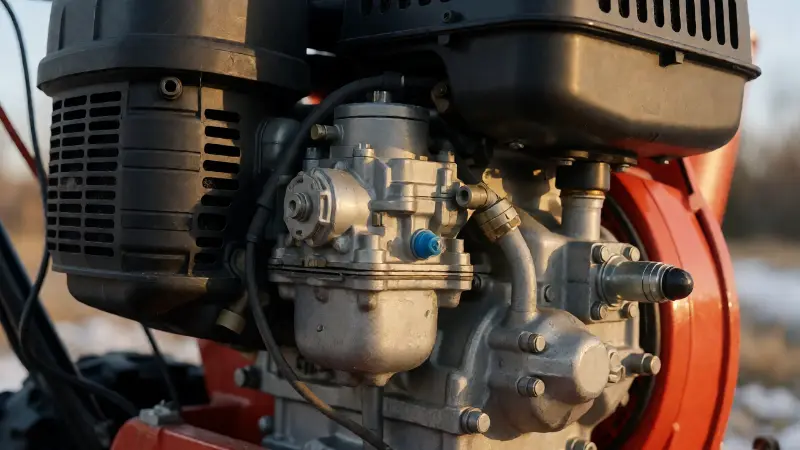
Some owners notice surging most at idle, while others see it under load when the auger bites into heavy snow. A related symptom is an engine that only runs smoothly when the choke is partly closed. That choke trick is a useful clue because it often means the engine is running lean and needs more fuel to stabilize. Setting the choke correctly for a cold start matters, and a guide on Craftsman snowblower choke position covers that in detail.
It helps to separate surging from other rough-running problems. A misfire tends to sound like a sputter or pop, while a surge is a deliberate up-and-down cycle. A stall is a complete stop. If the engine surges and then stalls, the fuel supply may be restricted enough that the carburetor bowl runs dry under demand.
Cause 1: Stale Fuel and a Partially Blocked Carburetor
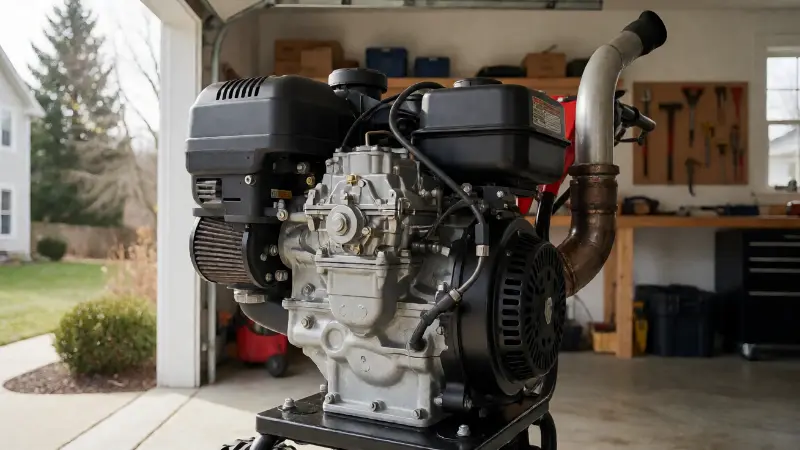
Stale fuel is the leading suspect on any snowblower that has been stored since last winter. Gasoline begins to degrade over time, and the lighter components evaporate, leaving behind varnish and gum. Those deposits can partially block the tiny passages and jets inside the carburetor, so the engine does not receive a smooth, consistent supply of fuel.
A partial blockage is exactly the kind of condition that produces surging. The engine gets slightly too little fuel, the governor opens the throttle to compensate, the engine briefly gets a little more, and the speed hunts back and forth. A carburetor that is fully clogged may prevent the engine from starting at all, but a partial clog often shows up as rough running or surging.
The first step is to drain the old fuel from the tank and the carburetor bowl. Refill with fresh gasoline and add a fuel stabilizer if the machine will sit again. On a mild case, a carburetor cleaner additive run through a tank may help dissolve light deposits, but additives are not a substitute for mechanically cleaning a passage that is already blocked. If fresh fuel and a cleaner do not smooth things out, the carburetor likely needs to come apart for a proper cleaning.
For a deeper walkthrough of reviving a battery-powered tool, the same principle of checking the power source first applies, and our guide on reviving a DeWalt 20V battery covers a similar diagnostic mindset.
Cause 2: A Dirty or Iced Air Filter
The carburetor needs a steady supply of clean air to mix with fuel. If the air filter is clogged with dust, chaff, or old debris, the engine can run rich or struggle to breathe, and the result can feel like surging or rough running. Snowblowers operate in cold, damp conditions, which adds another wrinkle: moisture around the intake can freeze and restrict airflow.
Check the air filter before assuming the carburetor is at fault. A clogged filter is inexpensive to replace and easy to inspect. Some dedicated snowblower engines are designed without a conventional air filter for cold-weather reasons, so confirm what your machine actually has before hunting for a filter that is not there. If a filter is present, clean or replace it according to the owner’s manual.
Cold-weather icing is easy to overlook. If the engine surges only on damp, freezing days and clears up in milder conditions, look for ice buildup around the intake or breather. Bringing the machine into a warmer space to thaw before use can help, but avoid drastic temperature swings that cause condensation inside the fuel tank.
Cause 3: A Fouled or Worn Spark Plug
A spark plug that is dirty, fouled, or gapped incorrectly can cause misfiring that feels like rough running. Snowblowers work in harsh cold and damp conditions, which are hard on ignition components. A plug that is sooty or wet may not fire consistently, and the engine note can become uneven.
Removing and inspecting the spark plug is a quick check. Look for heavy carbon deposits, oil fouling, or a worn electrode. If the plug looks tired, replace it rather than trying to clean it. Check the gap against the specification in your owner’s manual, and make sure the plug wire is firmly seated when you reinstall it.
A faulty ignition system can produce symptoms that mimic a fuel problem. If a new plug does not change the surging and the fuel system has been cleaned, the ignition coil or related components may need testing. That diagnosis is more involved, and a small-engine shop can test the ignition system if you are not comfortable doing it yourself.
Cause 4: Governor Spring Tension and Linkage
The governor is the mechanism that holds engine speed steady as the load changes. It uses a spring and a linkage arm connected to the throttle plate. If the spring is connected to the wrong hole, has lost tension, or the linkage is binding, the governor can overcorrect and cause the engine to hunt.
On many small engines, the governor spring can be moved between holes on the governor arm to change sensitivity. Moving the spring closer to the governor shaft pivot point generally makes the governor more sensitive, which can reduce speed droop under load but may also make surging worse if the setting is too aggressive. Moving the spring farther away makes the governor less sensitive and can calm a hunting engine.
Before adjusting anything, inspect the linkage for bends, loose connections, or debris that prevents free movement. A linkage that is binding can cause the same up-and-down rhythm as a fuel problem. If you decide to adjust the governor, make small changes and test the engine under load. Do not bend the governor arm to control engine speed, because that can create unsafe operating conditions.
Governor settings vary by engine family and model, so consult your manual or a reliable model-specific guide. If your machine is a different brand, the same diagnostic logic applies, and resources such as a guide on Cub Cadet snow blower reverse problems show how model-specific details matter in small-engine repair.
Cause 5: Fuel Supply Restrictions and a Faulty Fuel Cap
Even fresh fuel cannot help if it cannot reach the carburetor at a steady rate. A partially clogged fuel filter, a kinked fuel line, or a fuel cap that is not venting properly can cause the engine to starve intermittently. As the carburetor bowl refills and empties, the engine speed rises and falls.
A quick test for a venting problem is to loosen the fuel cap slightly while the engine is running. If the surging stops, the cap vent may be blocked. Do not run the machine with a loose cap as a permanent fix, because fuel can spill. Replace the cap if it is faulty.
Inspect the fuel line for cracks, soft spots, or pinching. Old fuel lines can degrade from the inside, and a collapsing line can restrict flow. If the machine has a fuel shut-off valve, confirm that it is fully open. A valve that is partially closed can create the same lean condition that causes surging. If you cannot find the valve, a guide on Craftsman snowblower fuel valve location can help.
Fuel system problems are not unique to snowblowers. The same principles of clean fuel flow and correct venting apply to other outdoor power equipment, and even to battery and inverter setups where lithium batteries with traditional inverters raise compatibility questions.
Troubleshooting Table: Matching the Symptom to the Likely Cause
| Symptom | Most likely cause | Quick check | Next step |
|---|---|---|---|
| Surges at idle and under load | Partially blocked carburetor | Does it smooth out with partial choke? | Drain fuel, clean carburetor passages |
| Surges only after storage | Stale fuel or gummed jets | Is the fuel from last season? | Replace fuel, add stabilizer, clean carb |
| Surges on damp, freezing days | Iced air intake or filter | Is there ice around the intake? | Thaw and inspect filter or intake |
| Surges and misfires | Fouled spark plug | Is the plug sooty or wet? | Replace plug, check gap |
| Surges with no fuel-system clues | Governor spring or linkage | Does the linkage move freely? | Inspect spring position, adjust carefully |
| Surges then stalls under load | Restricted fuel flow or cap vent | Does loosening the cap help? | Check filter, line, and cap vent |
How to Clean a Snowblower Carburetor Safely
If fresh fuel and simple checks do not solve the surging, carburetor cleaning is the next logical step. Work outdoors or in a well-ventilated area, away from flames or sparks. Disconnect the spark plug wire before you begin, and clamp the fuel line or drain the tank to reduce spills.
Remove the carburetor according to your machine’s layout. On many snowblowers, you will need to remove an engine panel or shroud to reach the mounting bolts. Take photos as you go, especially of the governor linkage and any springs, so reassembly is easier. Keep small parts organized in a tray.
Once the carburetor is off, remove the bowl and the float. Inspect the needle and seat for wear or debris. Spray carburetor cleaner through every jet and passage, and use a thin wire or a dedicated jet-cleaning tool to clear stubborn deposits. Do not enlarge the jets with a drill bit unless you know exactly what you are doing, because that changes the fuel mixture.
If the carburetor is heavily varnished, an ultrasonic cleaner can help loosen deposits from the internal passages. Reassemble with new gaskets if the old ones are brittle or torn. Set the float height according to the manual, and reinstall the carburetor without overtightening the mounting bolts. Reconnect the fuel line, open the shut-off valve, and check for leaks before starting the engine.
Governor Adjustment: When and How to Approach It
Governor adjustment should come after fuel and ignition causes have been ruled out. If the engine surges with clean fuel, a new plug, and a clear air intake, the governor is a reasonable suspect. The goal is steady speed under changing load, not a specific number on a tachometer that you guessed.
Locate the governor spring and note which hole it occupies on the governor arm. Move it one hole at a time and test the engine. A small change can make a noticeable difference. If moving the spring makes the engine bog excessively under load, you have gone too far in the less-sensitive direction. Return to the previous setting or split the difference if your linkage allows.
Check that the throttle cable or lever moves freely and returns properly. A sticky cable can hold the throttle partly open and confuse the governor. Lubricate or replace a binding cable rather than forcing it. If the governor components are worn or bent, replacing them is usually more reliable than bending them back into shape.
Preventive Maintenance That Reduces Surging
Most surging problems start with fuel that sat too long. At the end of the season, run the engine until it stops from fuel starvation, or drain the tank and carburetor bowl. Add a fuel stabilizer to fresh fuel if you keep gas in a can for more than a few weeks. Store the machine with a clean air filter and a fresh spark plug.
Use fresh gasoline and avoid ethanol blends if your manual recommends it or if you have had fuel-system problems. Ethanol can attract moisture and contribute to corrosion in small-engine fuel systems. Keep the fuel cap and tank clean, and replace a damaged cap rather than taping over a vent.
Before the first snowfall, do a quick preseason check: fresh fuel, clean air filter, new spark plug, and a visual inspection of the fuel line and governor linkage. A few minutes of preparation can prevent a mid-storm breakdown. For tasks that involve threaded fittings or leak-prone connections, the same preventive mindset applies, and a guide on fixing a leaking threaded joint shows how small maintenance details prevent bigger problems.
When to Stop DIY and Call a Small-Engine Technician
Some surging problems are not worth chasing at home. If you have cleaned the carburetor, replaced the plug, checked the fuel supply, and inspected the governor without improvement, a technician can test compression, ignition, and carburetor circuits with specialized tools. A worn valve, a failing ignition coil, or a damaged carburetor body may be the real cause.
Knowing your machine’s exact model and year helps when sourcing parts, and a guide on decoding your Ariens snowblower year shows how to identify it. Stop and seek professional help if you smell raw fuel strongly, see fuel leaking from the carburetor, or notice the engine overheating or running at an uncontrollable speed. Those conditions can be hazardous. A technician can also tell you whether a carburetor rebuild kit or a replacement carburetor is the more economical choice.
If the machine is older or parts are hard to find, compare the repair cost to the value of the equipment. A simple carburetor clean is often worthwhile, but a major engine repair may not be. The decision is similar to other home-equipment trade-offs, where knowing when a repair no longer makes sense is part of good maintenance.
FAQ
Why does my snowblower surge only when the choke is partly on?
If the engine smooths out with partial choke, it is likely running lean. The choke restricts air and richens the mixture, which compensates for a fuel passage that is partially blocked. A dirty carburetor, a restricted fuel line, or a weak fuel pump are common reasons for a lean condition.
Can old gas alone cause surging?
Yes, degraded fuel can burn unevenly and leave deposits that restrict the carburetor. Even if the carburetor is not fully clogged, stale fuel can cause rough running and surging. Draining the old fuel and refilling with fresh gas is a sensible first step before deeper repairs.
Is it safe to adjust the governor spring myself?
Governor adjustment can be done by a careful DIYer, but it requires small changes and testing. Moving the spring to the wrong hole or bending the linkage can cause unsafe engine speeds. If you are unsure, have a technician set the governor to the manufacturer’s specification.
How often should I replace the spark plug in a snowblower?
Many manuals suggest a seasonal replacement or replacement after a set number of operating hours, often around 25 hours for small engines. Check your owner’s manual for the specific interval. A spare plug is inexpensive and worth keeping on hand for cold-weather troubleshooting.
Why does the surging get worse under load?
Under load, the engine needs more fuel and air. If the carburetor or fuel supply is restricted, the engine cannot meet the demand and the governor struggles to hold speed. A lean condition that is mild at idle can become much more noticeable when the auger is working.