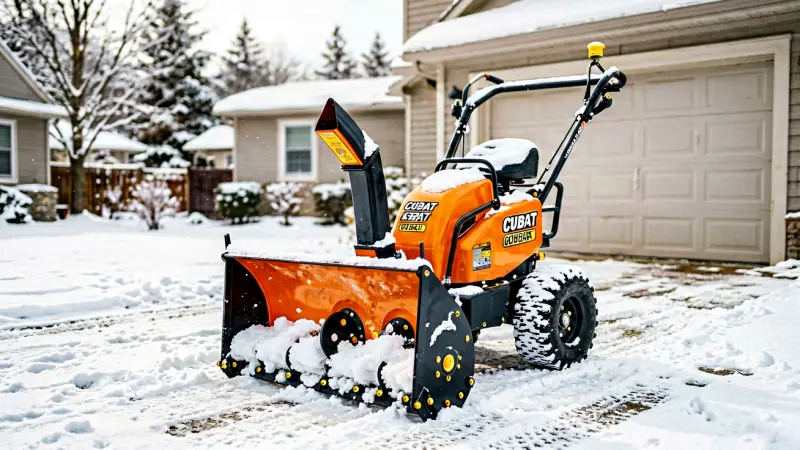
A Cub Cadet snow blower that won’t go in reverse can turn a quick cleanup into a frustrating push. Forward may work perfectly, yet the machine refuses to back away from a garage door, fence, or snowbank.
This guide explains the most likely causes, from cable adjustment to transmission wear. It also provides step-by-step checks that homeowners can perform before calling a service center.
Reverse is not a luxury on a snow blower. It is how operators reposition the machine in tight driveways and avoid dangerous manual pulling.
Understand How Reverse Works on a Cub Cadet Snow Blower
Most Cub Cadet two-stage and three-stage snow blowers use a friction-wheel drive or a hydrostatic transmission. Forward and reverse depend on how power reaches the wheels.
With friction-wheel systems, the shift lever moves a rubber wheel against a spinning metal disc. Reverse happens when the friction wheel contacts the opposite side or a different part of the disc.
Hydrostatic models use a pump and motor to change direction. If the hydrostatic control linkage is loose or fluid is low, reverse may disappear even when forward feels normal.
Signs That Point to a Drive System Problem
If the engine revs and the auger spins but the wheels do not turn, the issue is in the drive system. If the machine moves forward but not backward, the problem is usually in the shift linkage or reverse engagement.
If reverse works only on flat ground or after pushing the lever hard, the cable or friction wheel may be out of adjustment. Squealing, burning smells, or jerky motion suggest belt or friction wheel wear.
Common Causes of No Reverse on a Cub Cadet Snow Blower
1. Stretched or Broken Shift Cable
The shift cable connects the control lever to the transmission. A stretched cable may not pull far enough to engage reverse.
Check the cable at the lever and transmission. Look for fraying, rust, or a loose set screw. Adjust the cable according to the model’s service manual before replacing it.
2. Misadjusted Friction Wheel
The friction wheel must contact the drive disc at the correct point for reverse. If it sits too high or too low, reverse may not engage.
Worn friction wheel rubber can also slip under load. Inspect the wheel for flat spots, cracks, or glazing. Replacement is often inexpensive and restores both forward and reverse.
Cold weather adds another factor that many owners overlook. Reverse often uses a smaller contact patch on the drive disc than forward, so a thin film of oil or ice affects reverse first.
3. Worn or Loose Drive Belt
On many two-stage models, a worn drive belt reduces power to the transmission. Forward may still work because it uses more belt wrap or a different pulley path.
Check belt tension and condition. A glazed, cracked, or stretched belt should be replaced. Also confirm the idler pulley moves freely and the spring is connected.
4. Bent or Disconnected Shift Linkage
The shift rod, yoke, and pivot points can bend if the lever is forced. Ice and rust can also freeze the linkage in one position.
Move the lever through all gears with the engine off. Watch for parts that do not move. Lubricate pivot points and straighten or replace bent linkage.
5. Hydrostatic Transmission Problems
Hydrostatic Cub Cadet models need clean fluid and a working bypass valve. Low fluid or a stuck bypass can stop reverse engagement.
Check the fluid level and condition if the model has a reservoir. A burned smell or dark fluid may mean internal wear. This requires a dealer or advanced repair.
6. Wheel Drive Pins or Axle Keys
Some snow blowers use pins or keys to connect the axle to the wheels. If a pin falls out, one or both wheels may not receive power in reverse.
Inspect the wheel hubs and axle holes. Install new shear pins or keys if missing. Do not substitute a bolt unless the manual approves it.
7. Frozen or Rusted Controls
Moisture can enter cables and freeze overnight. Rust can make the reverse lever stiff or impossible to move.
Store the machine in a dry area and use a cable lubricant designed for cold weather. Work the lever before starting to break up ice.
A cable that feels perfect in a warm garage can become too loose at freezing temperatures. The outer sheath and inner cable contract at different rates, which changes reverse engagement.
8. Safety Switch or Control Engagement
Some models require the drive control handle to be held before shifting. If the handle is not fully engaged, the transmission may not receive drive.
Check the drive control cable and safety switch. A loose cable can prevent full engagement. Confirm the lever reaches the stop without excessive force.
Step-by-Step Troubleshooting Before Buying Parts
Start with simple checks to avoid unnecessary repairs. Park on a level surface, remove the key, and disconnect the spark plug boot.
Clear snow and ice from the linkage and transmission area. Wear gloves and use a flashlight to inspect moving parts.
Step 1: Confirm the Symptom
Does the machine fail to move in reverse only, or does it also lose forward speed? Does the engine change tone when the lever is moved to reverse?
If the engine bogs down, the transmission may be engaging but binding. If nothing changes, the linkage likely is not engaging at all.
Step 2: Check the Shift Lever and Cable
Move the lever from forward to reverse with the engine off. The cable should pull the transmission arm smoothly.
If the cable is loose, adjust it at the threaded fitting. If the cable is frozen, replace it rather than forcing it.
Step 3: Inspect the Friction Wheel and Drive Disc
Remove the access cover if the model allows. Look for rubber dust, flat spots, or oil on the friction wheel.
Clean oil or grease from the drive disc with a safe degreaser. Replace a glazed or worn friction wheel.
Step 4: Check Belts and Pulleys
Inspect the drive belt for cracks, glazing, and correct routing. A belt that slips in reverse may still grip in forward.
Check the idler pulley bearing and spring tension. Replace worn parts as a set when possible.
Step 5: Test the Transmission by Hand
With the engine off, rotate the wheels or transmission pulley by hand. The mechanism should move without grinding or locking.
If the transmission is locked or makes metal-on-metal noise, internal repair may be needed. Stop and consult a Cub Cadet service center.
Step 6: Verify Hydrostatic Functions
On hydrostatic models, confirm the bypass lever is in the drive position. A bypass left open disables both forward and reverse.
Check the fluid level and linkage stroke. If the lever moves but the pump does not respond, the hydrostatic unit may need service.
Diagnostic Table: Cub Cadet Reverse Problems
| Symptom | Likely Cause | First Check |
|---|---|---|
| No reverse, forward works | Shift cable or linkage misadjusted | Move lever with engine off and inspect cable stroke |
| Reverse slips or jerks | Worn friction wheel or drive disc | Look for glazing, oil, or flat spots |
| Engine bogs in reverse | Belt, pulley, or transmission binding | Check belt routing, tension, and idler bearings |
| No wheel movement in any gear | Broken axle key or wheel pin | Inspect wheel hubs and axle holes |
| Lever moves but no engagement | Disconnected shift rod or broken cable | Watch transmission arm while moving lever |
| Hydrostatic model lacks reverse | Low fluid, stuck bypass, or pump wear | Check bypass lever and fluid level |
How to Adjust the Reverse Cable or Linkage
Adjustment steps vary by Cub Cadet model. The general process is to place the lever in neutral, then set the cable so the transmission arm rests in its neutral detent.
Loosen the jam nut on the cable adjuster. Turn the adjuster until the lever engages reverse without forcing.
Tighten the jam nut and test the machine outdoors. If reverse still slips, inspect the friction wheel and belt before further adjustment.
Friction Wheel Adjustment Tips
The friction wheel should contact the drive disc evenly. It should not rub when the drive control is released.
If the wheel contacts too far inward, reverse may be weak. If it contacts too far outward, forward may suffer.
Mark the original position before moving any adjustment collars. This helps restore settings if the repair does not work.
Hydrostatic Linkage Tips
The hydrostatic control rod must move the pump lever through its full range. A loose rod end can reduce reverse travel.
Check for worn plastic bushings and replace them. Metal-to-metal contact can make the lever feel vague and prevent full engagement.
When to Replace Parts vs. Repair the Transmission
Belts, cables, friction wheels, and pins are normal wear items. Replacing them is usually cost-effective for a homeowner.
Internal transmission damage is different. If gears are chipped, bearings are noisy, or the hydrostatic unit leaks, professional service is the safer choice.
Parts Often Needed for Reverse Repair
Common parts include the drive belt, friction wheel, shift cable, idler pulley, and axle keys. Keep a spare shear pin and drive pin on hand.
Use genuine Cub Cadet parts or high-quality equivalents. Cheap belts can stretch quickly and cause repeat reverse failure.
Prevent Future Reverse Problems
Prevention starts with clean, dry storage. Snow blowers that sit in wet sheds are more likely to have frozen cables and rusted linkage.
After each use, brush snow off the machine and let it warm up in a garage. This reduces ice buildup around the transmission.
Winter Maintenance Routine
Before the season, check the drive belt, friction wheel, and cable adjustments. Lubricate pivot points with a cold-weather grease.
Run the machine through forward and reverse before the first storm. This reveals stiff controls before you need the machine urgently.
For homeowners managing snowmelt around the house, a clear patio drainage plan also matters. See this guide on drill holes in patio for drainage to reduce ice pockets near walkways.
Storage and Fuel Care
Old fuel can cause engine surging, but it does not usually stop reverse. Still, fuel stabilizer and a dry storage area keep the whole machine reliable.
If the machine will sit for months, follow the manual for off-season storage. A little preparation prevents corrosion in cables and linkages.
Safety Rules for Testing a Snow Blower in Reverse
Never test reverse with people or pets behind the machine. Clear the area and keep hands away from the auger and impeller.
Disconnect the spark plug before reaching into the drive system. Even with the engine off, stored tension in belts and springs can cause injury.
Wear eye protection and gloves. Use blocks or wheel chocks if the machine must be lifted.
What Not to Do
Do not force the shift lever. Forcing it can bend linkage and turn a simple adjustment into a costly repair.
Do not spray WD-40 into sealed bearings or use motor oil on rubber friction wheels. Use the lubricants specified in the manual.
Do not ignore a burning rubber smell. It usually means a belt or friction wheel is slipping and overheating.
Frequently Asked Questions
Why Does a Cub Cadet Snow Blower Go Forward but Not Reverse?
Forward and reverse often use different parts of the same drive system. The shift cable, linkage, or friction wheel position is the most common culprit.
Start by checking cable adjustment and friction wheel contact. If those are correct, inspect the belt and transmission control arm.
Can a Bad Belt Cause No Reverse?
Yes. A worn or glazed belt can slip under the load and direction change required for reverse.
Forward may still work because the belt has more grip in that pulley path. Replace any belt that looks cracked, shiny, or stretched.
How to Identify a Hydrostatic Transmission on a Cub Cadet
Hydrostatic models usually have a fluid reservoir and a smooth direction control lever. Friction-wheel models have a mechanical shift lever with distinct gear positions.
Check the model number and manual for exact transmission type. The repair approach is very different for each system.
Is It Safe to Use Reverse After a Repair?
Test on a flat, open surface with no bystanders. Start in low speed and confirm the machine stops when the drive control is released.
If reverse is jerky or the lever does not return, stop and recheck the adjustment.
When Should a Professional Repair the Snow Blower?
Seek professional help for internal transmission noise, leaking hydrostatic fluid, or a locked drive system. These issues need specialized tools and parts.
A local Cub Cadet dealer can also provide model-specific service bulletins. That saves time when the reverse problem is a known design issue.
Final Thoughts on Fixing a Cub Cadet Snow Blower Reverse Problem
A Cub Cadet snow blower that won’t go in reverse is usually suffering from a cable, linkage, belt, or friction wheel issue. These are serviceable parts that can be checked at home with basic tools.
Work through the simple causes first: cable adjustment, ice, belt tension, and friction wheel condition. Then move to transmission checks only if the basic repairs fail.
Keep the machine clean, lubricated, and stored dry. With routine maintenance, reverse engagement stays reliable through the toughest winter storms.
For broader winter home readiness, review trusted product insights such as Graber reviews for window treatments that help retain heat. If the hot water system struggles in cold weather, see Navien tankless water heater reviews for efficiency considerations.