Every homeowner eventually faces the battle against stubborn weeds invading their driveway cracks, patio pavers, and garden beds. The frustration of seeing green shoots emerge from concrete days after you thought you removed them is a common pain point. When looking for a solution, two heavy hitters often come up in conversation: household bleach and the commercial herbicide Roundup. Choosing between them is not just about price; it is about the long-term health of your property.
Many people assume that because bleach is a household cleaner, it is a safer or more “natural” alternative to chemical herbicides. Others believe Roundup is the only way to ensure weeds never return. While bleach kills visible foliage quickly upon contact through desiccation, Roundup is a systemic herbicide that travels to the root system to permanently kill the plant, whereas bleach leaves the roots alive and poisons the soil with salt. Understanding the chemical interaction between these substances and your soil is critical for effective weed control.
The Mechanism of Action: Desiccation vs. Systemic Control
To make an informed decision, you must understand how these two liquids attack unwanted vegetation. They operate on fundamentally different biological levels. This difference dictates not only how fast the weed dies but also the likelihood of it returning next week.
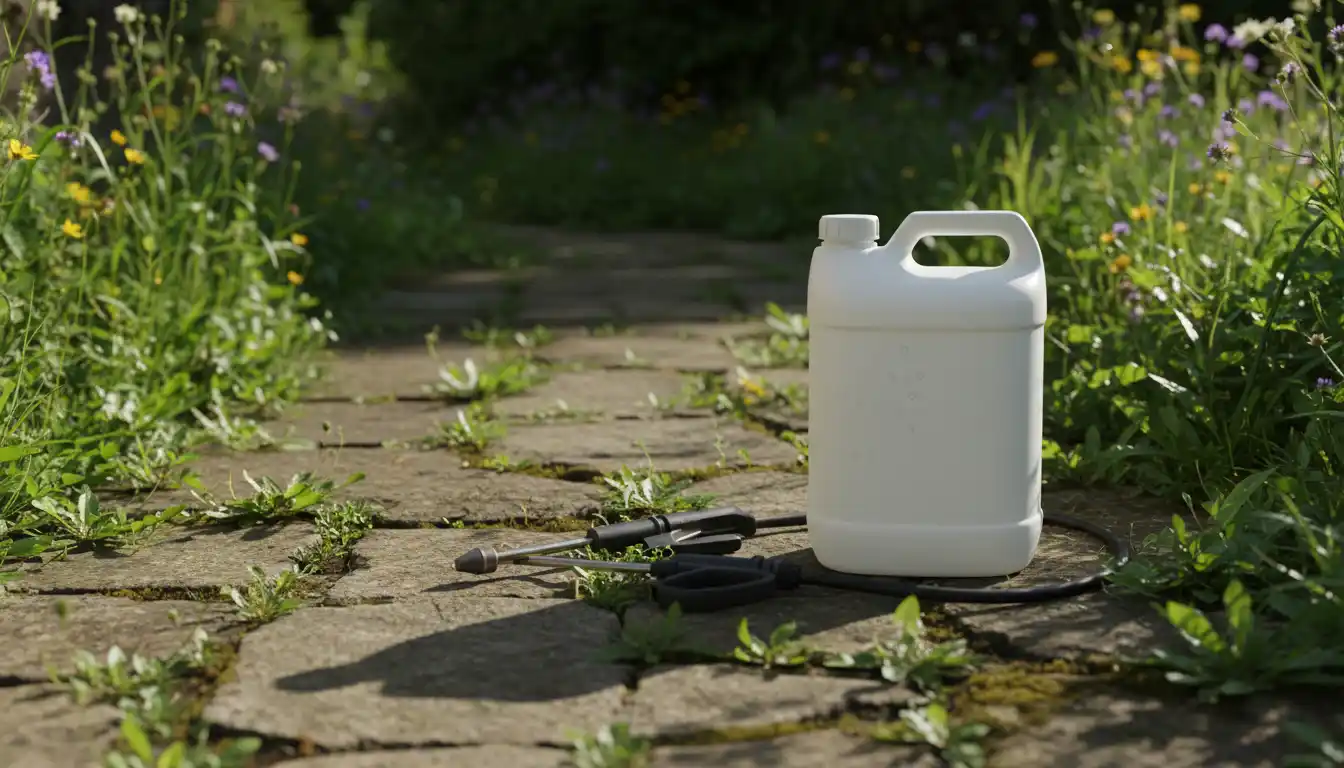
How Bleach Attacks Plants
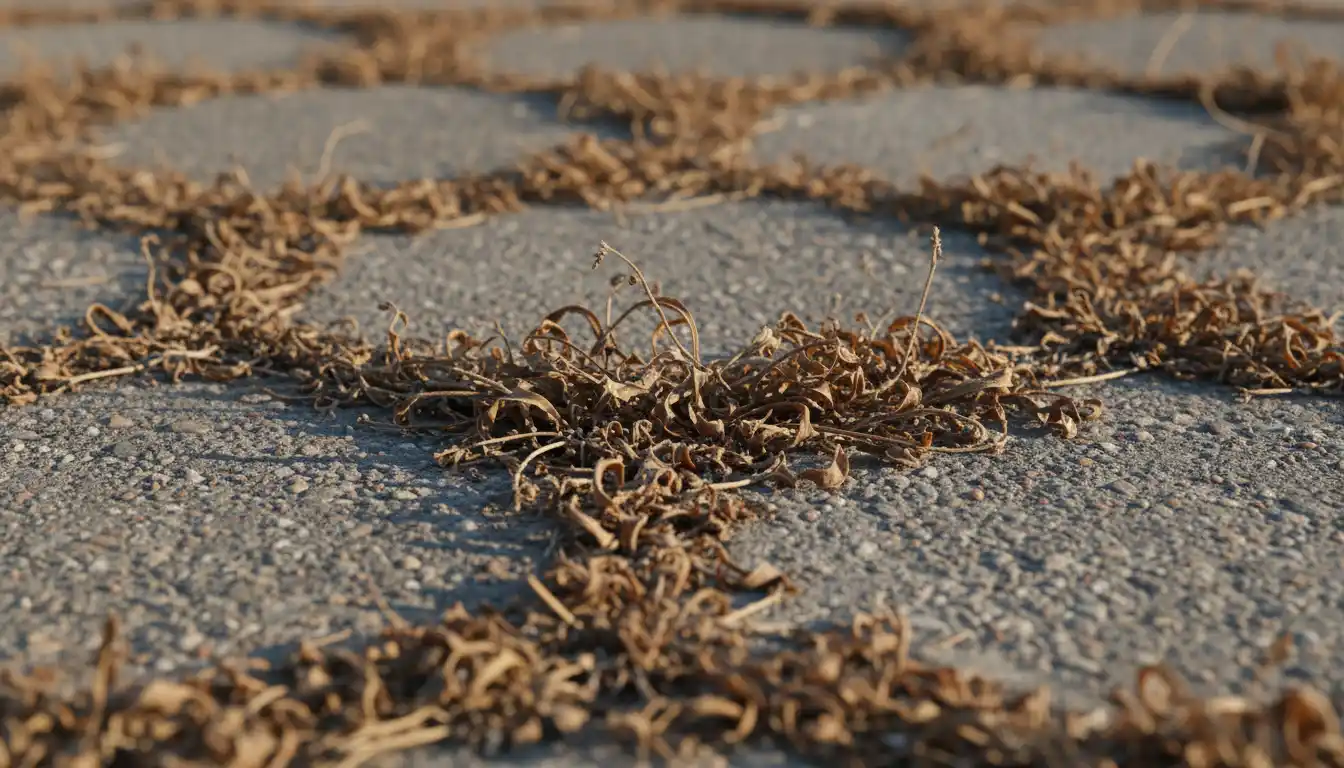
Household bleach, chemically known as sodium hypochlorite, acts as a contact herbicide. When you spray it on a weed, it aggressively strips the protective wax coating from the leaves and extracts moisture from the plant cells. This process, called desiccation, results in rapid browning and wilting, often within hours. It creates the visual satisfaction of an immediate kill.
However, bleach is not “translocated” within the plant. It does not move from the leaves down to the roots. Consequently, deep-rooted perennial weeds like dandelions or thistles will simply sacrifice their top leaves and regenerate from the root crown. You might win the battle today, but the weed is preparing for a counterattack.
How Roundup Works
Roundup utilizes glyphosate as its active ingredient. Unlike bleach, glyphosate is a systemic inhibitor. When applied to the foliage, the plant absorbs the chemical and transports it through its vascular system down to the roots and rhizomes. It targets a specific enzyme (EPSP synthase) that plants need to produce essential amino acids.
Without these amino acids, the plant literally starves to death from the inside out. This process takes longer—usually a week or two to see full results—but it ensures that the entire organism, including the root system, is destroyed. This prevents the “zombie weed” phenomenon often seen with contact killers.
The Hidden Dangers of Bleach: Hardscape and Soil Damage
While bleach is inexpensive and readily available, its use as an herbicide comes with significant downsides that are rarely discussed in DIY forums. The immediate gratification of dead weeds often blinds homeowners to the long-term damage being done to their property.
The Salinity Trap and Soil Sterilization
Bleach leaves behind a significant amount of salt (sodium chloride) in the soil as it breaks down. Most plants cannot survive in high-salinity environments. While this sounds like a benefit for a driveway, the salt does not stay put. Rainwater can wash this saline solution into nearby flower beds or lawn areas, killing expensive landscaping.
Furthermore, once soil is salinized, it is extremely difficult to fix. You are essentially salting the earth, reminiscent of ancient warfare tactics. If you ever decide to plant flowers along that driveway edge in the future, you may find that nothing will grow there for years due to the chemical residue left by repeated bleach applications.
Corrosion of Pavers and Concrete
A critical factor often overlooked is the chemical reaction between bleach and concrete. Concrete is held together by cement paste, which contains calcium hydroxide. Sodium hypochlorite can react with these compounds, slowly degrading the binder in your pavers and driveway. Over time, this manifests as spalling, where the surface flakes off, or a rough, etched texture.
If you are trying to maintain a pristine exterior, using a corrosive agent like bleach is counterproductive. Just as you might troubleshoot trane xv80 red light flashing to protect your HVAC investment, you should protect your hardscaping from chemical erosion. The cost of resealing or replacing etched pavers far outweighs the savings of using a $3 bottle of bleach.
Roundup: Environmental Concerns and Effectiveness
Roundup is the gold standard for efficacy, but it carries its own baggage regarding environmental and health debates. It is important to weigh the efficiency of the product against your personal comfort level with synthetic chemicals.
Soil Persistence and Breakdown
One of the scientific advantages of glyphosate is how it interacts with soil. Unlike the permanent salinity added by bleach, glyphosate binds tightly to soil particles and is eventually broken down by soil bacteria into naturally occurring substances like carbon dioxide and nitrogen. It generally does not migrate easily through the soil to contaminate other plants once it has bonded to the dirt.
However, “eventually” can vary based on soil type and climate. While it doesn’t permanently sterilize the ground like salt, it is still a potent chemical that should be used sparingly. It allows for replanting in the area much sooner than bleach-treated soil would.
Health and Safety Considerations
The debate around glyphosate’s safety is ongoing. While regulatory bodies often classify it as safe when used as directed, many homeowners prefer to minimize exposure to synthetic herbicides. Personal Protective Equipment (PPE) is non-negotiable when using Roundup.
Conversely, bleach is also a hazardous chemical. It creates toxic chlorine gas if mixed with other substances (like ammonia) and is a severe eye and skin irritant. Neither product is “safe” to handle carelessly. Just as you would investigate the white stuff between double pane windows to ensure your home environment is healthy, you must treat these garden chemicals with respect.
Comparative Analysis: Cost, Speed, and Control
To help you visualize the trade-offs, we have broken down the key differences between these two weed control methods. This table assumes typical usage concentrations for residential weed control.
| Feature | Household Bleach | Roundup (Glyphosate) |
|---|---|---|
| Kill Mechanism | Contact (burns leaves) | Systemic (kills roots) |
| Speed of Results | Fast (hours to 1 day) | Slow (7 to 14 days) |
| Root Kill | No (regrowth likely) | Yes (permanent kill) |
| Soil Impact | High (increases salinity) | Low (biodegradable) |
| Hardscape Safety | Low (can etch concrete) | High (inert to concrete) |
| Cost | Very Low | Moderate to High |
The data clearly shows that while bleach wins on cost and initial speed, it fails in long-term control and property safety. Roundup is an investment in time and money that yields a more permanent solution.
Strategic Application: When to Use Which?
There are rare scenarios where bleach might be considered, but for the vast majority of homeowners, the risks outweigh the rewards. Understanding the specific context of your weed problem helps in selecting the right tool.
Driveways and Pavers
If you have a concrete driveway with weeds growing in the expansion joints, Roundup is the superior choice. It will kill the root system without damaging the concrete finish. If you use bleach here, you risk discoloring the concrete and slowly eroding the surface. Similar to the debate of abs vs pvc toilet flange, choosing the right material interaction is key to longevity. Using a corrosive on concrete is simply bad practice.
Gravel and Decorative Rock
In gravel areas where no plants are ever desired, some homeowners use bleach to “sterilize” the ground. While effective at keeping the area bare, the runoff risk remains. Heavy rain can carry that salt into your lawn. A dedicated ground sterilant or a systemic herbicide is still a safer bet for the surrounding ecosystem.
DIY Alternatives and Best Practices
If neither bleach nor Roundup appeals to you, there are other methods to consider. Boiling water is an excellent, non-toxic way to cook weeds in driveway cracks instantly. It leaves no residue and kills on contact, though it doesn’t kill deep roots as effectively as systemic poisons. Vinegar (acetic acid) is another popular option, but like bleach, it is a contact killer and can etch concrete if not used carefully.
For those committed to using chemicals, proper timing is essential. Apply herbicides when the plant is actively growing and absorbing nutrients. For Roundup, this means a sunny day with temperatures above 60°F. For bleach, a hot sunny day accelerates the drying effect, but be wary of the vapors.
Final Verdict: Effectiveness vs. Integrity
The choice between bleach and Roundup ultimately comes down to a choice between a quick, dirty fix and a professional-grade solution. Bleach offers a cheap, rapid visual victory but fails to address the root of the problem and introduces harmful salts into your soil ecosystem. It is a “band-aid” solution that requires frequent re-application, increasing the chemical load on your land over time.
Roundup, despite the controversies, remains the scientifically superior method for eliminating weeds permanently. It respects the integrity of your hardscaping and deals with the biological reality of the plant. If your goal is to spray once and forget it, a systemic herbicide is the only logical path. If you choose to go the chemical route, always prioritize safety, read the label, and consider the long-term health of your home’s environment.