Old houses have a character and charm that modern buildings often lack, but they also present unique insulation challenges. Solid walls, uneven timbers, and a lack of modern damp-proofing mean that the insulation strategy you might use in a new build could cause problems in an older property. This article explores sustainable insulation options for old houses, focusing on materials and methods that respect the building’s original construction while improving thermal comfort and reducing energy use.
Why Old Houses Need a Different Insulation Strategy
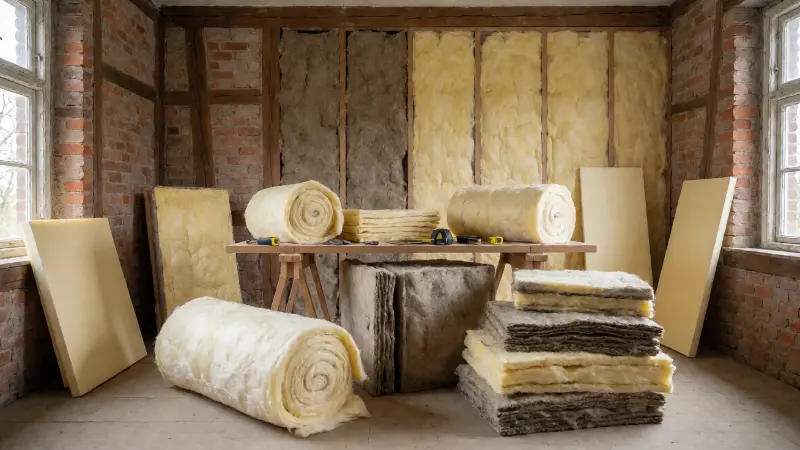
Many older properties were built before the widespread use of cavity walls, damp-proof courses, and impermeable membranes. They rely on the movement of air and moisture through their fabric to stay dry. Walls, floors, and roofs were often designed to allow water vapour to pass through and evaporate, rather than being sealed in. When you introduce a modern, non-breathable insulation material, you can trap moisture inside the structure. This can lead to damp, mould, and rot in timbers.
Another factor is thermal bridging. Old houses often have complex junctions, such as timber lintels, stone reveals, and irregular wall thicknesses. These areas can conduct heat away faster than the surrounding insulation. A sustainable approach considers not just the insulation material itself, but how it interacts with the whole building. The goal is to improve thermal performance without compromising the building’s ability to manage moisture.
Additionally, many old houses are listed or located in conservation areas. This means that external changes, such as cladding or render, may require listed building consent or planning permission. Internal insulation is often more acceptable, but it still needs careful detailing to avoid shifting the dew point and causing condensation on the original wall surface.
Key Principles for Sustainable Insulation in Old Homes
Sustainable insulation for old houses is not just about using natural materials. It is about applying them in a way that works with the building’s physics. The following principles can help guide your choices.
- Breathability: Prefer vapour-open or hygroscopic materials that allow moisture to pass through and be buffered temporarily. This reduces the risk of interstitial condensation.
- Moisture management: Ensure that any insulation does not trap water against timbers or masonry. Allow drying in at least one direction.
- Continuous insulation: Try to reduce thermal bridges by overlapping layers and sealing gaps carefully, but avoid making the building too airtight without planned ventilation.
- Ventilation: Old houses often rely on incidental ventilation. If you increase airtightness, you may need to add background vents, trickle vents, or a modest mechanical ventilation system.
- Compatibility: Use materials that are compatible with existing finishes, such as lime plaster and breathable paints. Cement render and gypsum plaster can trap moisture.
- Reversibility: Where possible, choose insulation that can be removed later without damaging historic fabric. This is particularly important in listed buildings.
These principles point towards natural fibre insulation, which tends to be vapour-open, hygroscopic, and made from renewable or recycled resources. However, no single material is perfect for every situation. The sections below explore the main sustainable options and their trade-offs.
Natural Fibre Insulation Options
Natural fibre insulations are derived from plants, animals, or recycled textiles. They generally have a lower embodied energy than petrochemical foams and can sequester carbon during their growth. They also tend to be safer to handle, though dust masks and gloves are still wise. Here are some of the most common choices for old houses.
Sheep Wool
Sheep wool is a popular sustainable insulation for older properties. It is hygroscopic, meaning it can absorb and release moisture vapour without losing its thermal performance. Wool can buffer moisture, helping to regulate humidity in the building fabric. It is also naturally resistant to fire to some degree, and it can be treated to resist moths and pests. However, wool can be more expensive than some alternatives, and it needs to be kept dry over the long term. If it becomes soaked and stays wet, it can lose its loft and may develop mould. Installation typically involves batts or loose fill, and it works well in lofts, between rafters, and in timber-framed walls.
Hemp
Hemp insulation is often supplied as batts or as a hemp-lime composite. Hemp fibres are strong and have good moisture-buffering properties. Hemp batts are vapour-open and can be used in walls, roofs, and floors. Hemp-lime, sometimes called hempcrete, is a cast material that can be used for solid wall insulation. It is breathable and can help regulate moisture, but it has a lower insulation value per thickness than some other materials, so it may require a thicker build-up. Hemp is a renewable crop that grows quickly, and it can be grown with relatively low inputs. The main drawbacks are cost and the need for skilled installation, especially for hemp-lime.
Wood Fibre
Wood fibre insulation is made from waste wood or softwood fibres. It is available as rigid boards, semi-rigid batts, and loose fill. Wood fibre is vapour-open and has a good ability to buffer moisture. It is often used for internal wall insulation, roof insulation, and as a sarking board on the outside of rafters. It is denser than many other natural fibres, which can help with sound insulation and summer overheating. However, wood fibre boards can be heavy and may require additional fixings. They also need protection from prolonged moisture during installation and in service. Cost is generally moderate to high.
Cork
Cork insulation is made from the bark of cork oak trees, which regenerates after harvesting. It is available as boards, granules, and expanded cork. Cork is naturally moisture-resistant, rot-resistant, and resistant to pests. It is also a good acoustic insulator. Cork boards are vapour-open but have a higher resistance to vapour than some other natural materials, so they need careful detailing in old walls. Expanded cork is often used for external wall insulation or as a breathable render carrier. Cork is relatively expensive, but it is durable and can last a long time if installed correctly.
Cellulose
Cellulose insulation is typically made from recycled newspaper, treated with fire retardants and sometimes borax for pest resistance. It is available as loose fill for lofts and cavities, and as dense-packed material for walls. Cellulose is vapour-open and can buffer moisture. It is often one of the more affordable sustainable options. However, loose-fill cellulose can settle over time, so it needs to be installed at the correct density. In old houses, cellulose can be blown into wall cavities, but this is only suitable if the cavity is clean and free from existing damp problems. Dense-packing can reduce air movement and improve thermal performance, but it requires professional equipment.
Recycled Denim
Recycled denim insulation is made from post-industrial or post-consumer cotton denim, often with a boron-based fire retardant. It is vapour-open, soft, and easy to handle, which makes it a good option for DIY projects in lofts and between joists. It does not contain formaldehyde binders in many products. However, denim insulation can absorb moisture, so it should not be used where it might get wet. It is also less widely available in some regions, and its pest resistance depends on the treatment. It is generally more expensive than fibreglass but comparable to some wool products.
Straw Bale
Straw bale insulation uses agricultural by-products, typically wheat, rice, or barley straw. It is a very low-embodied-energy material and can be used in new build or as infill in timber frames. For old houses, straw bale is less common because it requires a thick wall build-up and careful moisture detailing. Straw bales are breathable and can buffer moisture, but they must be kept dry. They need a breathable render or cladding, and they are vulnerable to pests if not properly detailed. Straw bale is often a self-build option rather than a straightforward retrofit, but it can work in some situations with professional design.
Comparing Sustainable Insulation Materials
The table below summarises key characteristics of common sustainable insulation options. Use it as a starting point, but always check product-specific data and seek advice for your particular building.
| Material | Typical Source | Common Applications | Breathability | Moisture Handling | Fire Performance | Pest Resistance | Relative Cost | Key Considerations |
|---|---|---|---|---|---|---|---|---|
| Sheep wool | Renewable animal fibre | Lofts, roofs, timber walls | High | Hygroscopic, buffers moisture | Natural resistance, can be treated | Can be treated against moths | Moderate to high | Needs to stay dry; good for uneven spaces |
| Hemp | Renewable plant fibre | Walls, roofs, floors; hemp-lime for solid walls | High | Hygroscopic, good buffering | Can be treated; hemp-lime is non-combustible | Generally resistant when dry | Moderate to high | Hemp-lime needs skilled application; thicker build-ups |
| Wood fibre | Waste wood / softwood | Internal walls, roofs, sarking | High | Hygroscopic, buffers moisture | Can be treated; charring slows fire | Generally resistant | Moderate to high | Heavy boards; needs protection from wet |
| Cork | Cork oak bark | Walls, floors, roofs, external render | Moderate to high | Moisture resistant, low absorption | Natural resistance | Resistant to pests | High | Durable; higher vapour resistance than some naturals |
| Cellulose | Recycled paper | Lofts, cavities, dense-packed walls | High | Hygroscopic, buffers moisture | Treated with fire retardants | Treated with borax or similar | Low to moderate | Can settle; needs correct density; avoid damp cavities |
| Recycled denim | Post-industrial / consumer denim | Lofts, between joists, stud walls | High | Absorbs moisture; must stay dry | Treated with fire retardants | Depends on treatment | Moderate | Easy DIY; not for damp locations |
| Straw bale | Agricultural by-product | Timber frame infill, new build, some retrofits | High | Hygroscopic; must be kept dry | Compressed bales resist fire; needs render | Vulnerable if wet; detailing matters | Low material cost, high labour | Thick walls; needs breathable render and good detailing |
Where to Insulate in an Old House
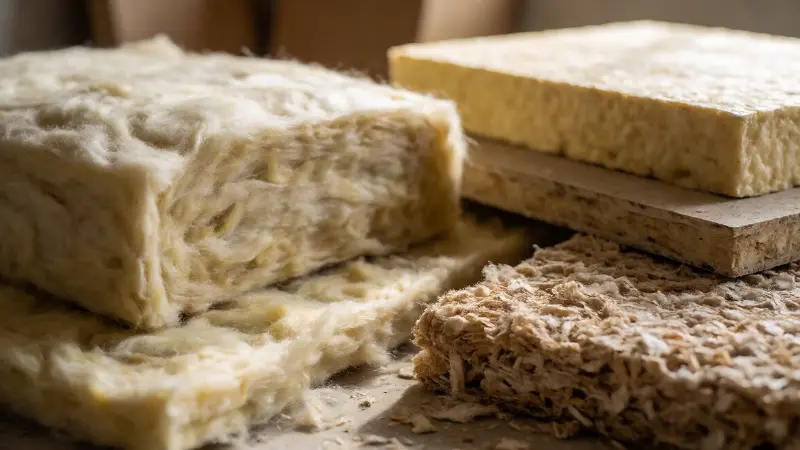
The best location for insulation depends on the building’s construction and your priorities. In many old houses, the loft is the easiest place to start because it is accessible and less disruptive. However, walls and floors can also offer significant savings if addressed carefully.
Lofts and Roofs
Loft insulation is often the simplest sustainable retrofit. You can lay natural fibre batts or loose fill between and over ceiling joists. If the loft is converted, you may need to insulate between the rafters instead. This is more complex because you must maintain a ventilation gap above the insulation and avoid blocking eaves vents. Rigid wood fibre or wool batts can work well here. Be careful not to compress insulation, as this reduces its performance. Also, ensure that any downlights or chimneys are properly guarded to prevent fire risks.
Solid Walls (Internal and External)
Solid walls are common in old houses. Internal insulation involves adding a layer to the inside of the wall, which reduces room size and can create thermal bridges at floor and ceiling junctions. It also shifts the dew point, so a vapour-open material with a smart vapour control layer may be needed. External insulation wraps the building, which preserves internal space and reduces thermal bridging, but it changes the appearance and may not be allowed on listed buildings. Breathable render systems with wood fibre or cork boards are often used. Both approaches require careful detailing to manage moisture and avoid trapping water against the original wall.
Suspended Timber Floors
Floors over unheated spaces, such as suspended timber ground floors, can be insulated from below. Natural fibre batts can be fitted between joists, supported by netting or breathable membrane. It is important to maintain ventilation under the floor to prevent damp. Do not block air bricks. If the floor is above a basement or crawl space, ensure that the insulation does not come into contact with damp surfaces. In some cases, a breathable insulation such as wood fibre or wool is preferable to plastic foams.
Cavity Walls in Older Properties
Some older houses, particularly from the early to mid-20th century, may have cavity walls. However, these cavities are often narrower and may have debris or mortar snots. Blowing in insulation can be risky if the cavity is not clean or if there are damp issues. Sustainable options include loose-fill cellulose or wool, but these should only be installed after a survey. If the cavity is prone to damp, it may be better to leave it empty or use a breathable bead. Always seek professional advice before retrofitting cavity insulation in an old house.
Installation Considerations and Safety
Working with insulation in an old house can expose you to hazards that are not present in modern buildings. Before starting any work, check for asbestos, lead paint, and old electrical wiring. Disturbing these materials can be dangerous. Use appropriate personal protective equipment, including gloves, eye protection, and a dust mask. If you suspect asbestos, stop work and consult a licensed professional.
Ventilation is another key consideration. Old houses often rely on draughts for fresh air. If you insulate and draught-proof extensively, you may need to add purpose-provided ventilation to avoid condensation and poor indoor air quality. This can include trickle vents, extract fans in kitchens and bathrooms, or a mechanical ventilation with heat recovery system. However, these systems need to be designed for the building and may not suit every old house.
Fire safety is important with any insulation. Natural fibres can be treated with fire retardants, but they still need to be installed correctly. Keep insulation away from hot flues, chimneys, and recessed light fittings. Use fire-rated covers where required. Building regulations vary by region, so check with your local authority before undertaking major insulation work. Listed building consent may also be needed for external changes or internal alterations that affect historic fabric.
DIY vs Professional Installation
Some sustainable insulation tasks are well-suited to DIY, such as laying wool or denim batts in a loft. These materials are easy to cut and fit, and you can often complete the job over a weekend. However, other tasks, such as internal wall insulation, dense-packed cellulose, or hemp-lime, are best left to professionals. They require specialist knowledge of moisture management, airtightness, and thermal bridging. A poorly installed job can lead to damp, mould, and wasted money.
If you do hire a professional, look for experience with old buildings and breathable materials. Ask for references and examples of similar projects. A good installer will assess the whole building, not just the insulation material. They will also advise on ventilation and any necessary repairs before insulation is added. Remember that insulation is not a substitute for maintenance. Fix leaks, repair broken gutters, and address rising damp before you insulate.
Common Pitfalls to Avoid
- Using non-breathable materials: Plastic foams and foil-faced boards can trap moisture in old walls and roofs.
- Ignoring ventilation: Making a house too airtight without adding ventilation can cause condensation and poor air quality.
- Blocking eaves or air bricks: This can lead to damp and rot in roof spaces and floors.
- Compressing insulation: Squashing batts reduces their thermal performance.
- Insulating damp walls: If a wall is already wet, insulation can make the problem worse. Fix the source of damp first.
- Skipping thermal bridges: Gaps at joists, lintels, and reveals can undermine the benefits of insulation.
- Using the wrong fixings: Some natural materials need specific fixings or adhesives that are compatible with breathable systems.
By avoiding these pitfalls, you can improve the energy efficiency of your old house while preserving its character and structural integrity.
FAQ
Can I use modern foam insulation in an old house?
Modern foam insulation, such as polyurethane or polystyrene, is generally not recommended for old houses with solid walls or timber frames. These materials are not vapour-open, so they can trap moisture inside the structure. This can lead to condensation, damp, and rot. In some cases, foam can be used in specific locations, such as between rafters in a well-ventilated roof, but it should be specified by a professional who understands old buildings. Natural fibre options are usually a safer choice.
Is sheep wool insulation safe around electrical cables?
Sheep wool is generally safe around electrical cables as long as it is not compressed against them in a way that causes overheating. However, you should always follow the cable manufacturer’s instructions and local wiring regulations. Some wool products are treated with boron or other additives that may affect certain cable types. If you are unsure, consult a qualified electrician. It is also important to keep insulation away from hot surfaces and recessed light fittings.
Do I need a vapour barrier with natural insulation?
In most old houses, a traditional vapour barrier (such as polyethylene sheeting) is not recommended with natural insulation. It can trap moisture and prevent the wall from drying. Instead, use a vapour-open or smart vapour control layer if one is needed. The exact requirement depends on the wall build-up, climate, and internal conditions. A breathable airtightness membrane may be used to reduce draughts while allowing moisture to pass. Always seek advice from a building professional familiar with old houses.
What is the most sustainable insulation for a listed building?
There is no single most sustainable option, as it depends on the building and the specific application. For listed buildings, reversibility and breathability are often key. Sheep wool, wood fibre, and hemp are frequently used because they are vapour-open and can be removed without damaging historic fabric. Cork is also durable and moisture-resistant. However, any insulation in a listed building may require consent, so check with your local conservation officer before proceeding.
How do I know if my old house needs breathable insulation?
If your old house has solid walls, lime plaster, or timber framing, it likely needs a breathable approach. Signs that a non-breathable material could cause problems include damp patches, musty smells, peeling paint, and rotting timbers. A professional survey can assess moisture levels and recommend suitable materials. As a general rule, if the building was constructed before the widespread use of cement and plastic, it probably relies on breathability to manage moisture.
Insulating an old house sustainably is a balance between improving thermal comfort and preserving the building’s ability to manage moisture. By choosing vapour-open materials, detailing carefully, and addressing ventilation, you can make your home warmer without causing harm. Take your time, seek expert advice where needed, and always put the health of the building fabric first.