The shingle recall list 2020 covers class-action deadlines for brands like Atlas Chalet, CertainTeed, and IKO. Older solar roof tiles also faced recalls for thermal hazards. Many homeowners unknowingly have these defective materials overhead. Identifying these warranty disputes saves thousands in replacement costs. This detailed guide shows exactly how to claim your compensation.
The Growing Problem of Defective Roof Shingles
Many assume a new roof lasts decades without major issues. Sadly, the industry has seen multiple product lines fail prematurely. These defects involve poor adhesion or improper granule embedment. When exposed to daily UV radiation, they break down very fast. Understanding these failures helps get your roof covered under warranty.
Recognizing Early Signs of Roof Failure
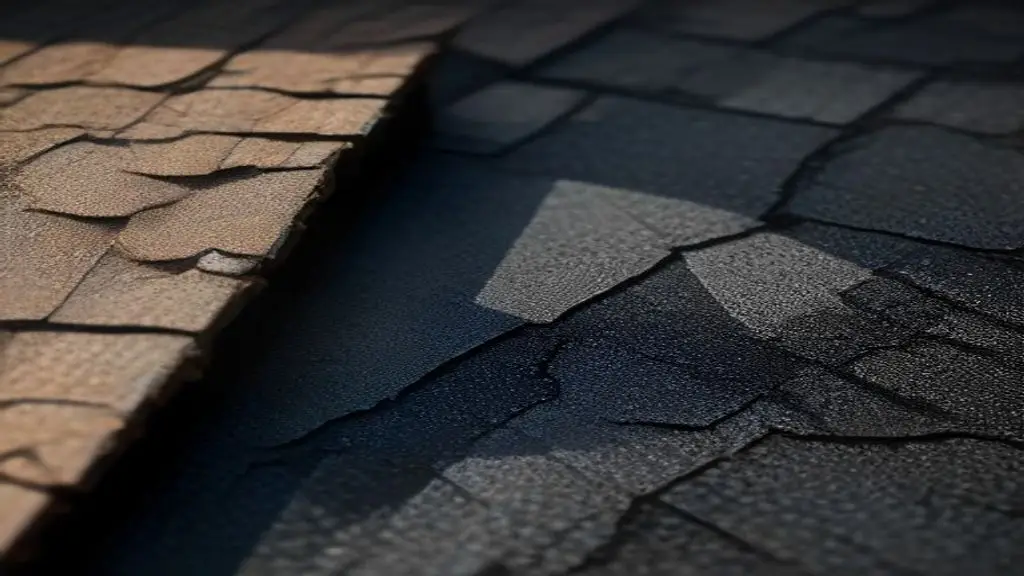
Defective shingles show specific symptoms unlike normal wear and tear. One common sign is thermal blistering, where trapped moisture pops the surface. You might also notice severe granule loss, leaving large bald spots. Another sign is excessive curling at the shingle edges. Manufacturing defects usually appear uniformly across the entire roof plane.
How Weather Factors Accelerate Damage
Environmental conditions easily expose hidden shingle defects. Extreme summer heat causes substandard asphalt to soften and slide. In colder climates, defective shingles become overly brittle. This leads to spiderweb cracking across the surface. Freeze-thaw cycles force moisture into micro-cracks, splitting the shingles apart.
The Impact on Homeowner Insurance Claims
Insurers are vigilant about pre-existing defects when assessing storm damage. If your roof is on a discontinued list, they may deny your claim. They argue the damage stems from product failure, not a storm. However, you can leverage this to your advantage. Mixing new and old discontinued shingles compromises integrity, forcing full replacement payouts.
Navigating the Shingle Recall List 2020 and Beyond
When searching for a shingle recall list 2020, homeowners hunt for active settlements. The year 2020 was a critical deadline for several lawsuit claims. Federal agencies rarely mandate recalls unless there is a fire hazard. Therefore, manufacturers frequently settle these issues privately. Knowing the involved brands is crucial for financial restitution.
Understanding Class Action Lawsuit Deadlines
Most roofing lawsuits operate with strict submission windows that eventually close. Settlements for organic shingles required claims filed around 2020. Missing these deadlines means forfeiting the collective payout. However, a closed class-action does not invalidate a standard warranty. You can still file a direct claim if your roof is within the coverage period.
Prominent Shingle Brands with Past Issues
Several major manufacturers faced scrutiny over discontinued product lines. Atlas Chalet shingles are infamous for widespread blistering and cracking. CertainTeed also faced class actions for organic shingles made between 1987 and 2005. IKO and Owens Corning dealt with claims about premature deterioration. Seeing these names on your contract is a massive red flag.
Why True Recalls Are Rare in Roofing
The term recall is misleading when applied to the roofing industry. The safety commission only mandates recalls for immediate physical dangers. Standard asphalt shingles that wear out too fast do not meet this criteria. Instead, these issues are handled through lawsuits or voluntary extensions. This shifts the burden onto the homeowner to initiate the claims process.
The Rise of Solar Shingle Complications
While older asphalt shingles dominated claims, newer technologies face scrutiny. Early solar roof tiles integrated with asphalt experienced overheating. Specific modules and diodes posed thermal hazards when shaded. If you installed a high-tech solar roof recently, check for manufacturer notices. Always ensure electrical safety protocols are strictly followed.
The Legal Landscape of Roofing Defects
Understanding the legal landscape helps navigate complex warranty disputes. Most homeowners feel overwhelmed when fighting a massive roofing corporation. However, knowing your legal rights levels the playing field significantly. Legal frameworks dictate exactly how and when manufacturers must compensate you. Familiarize yourself with these concepts before submitting paperwork.
How Class Action Lawsuits Are Formed
Class action lawsuits begin when many consumers report the exact same defect. Law firms aggregate these complaints to prove a widespread manufacturing error. Once certified by a judge, the lawsuit represents all affected homeowners. These legal battles often take years to resolve before a settlement is reached. Participation usually requires submitting proof of purchase and photos.
The Role of the Consumer Product Safety Commission
The CPSC monitors consumer products for imminent safety and health hazards. They rarely get involved in standard shingle wear and tear issues. However, they step in immediately if a roofing product poses a fire risk. This happened recently with specific solar shingles that overheated rapidly. A CPSC mandate forces the company to provide free repairs or full replacements.
Understanding Prorated Warranties
Roofing warranties typically shift from full coverage to prorated over time. During the initial period, the manufacturer covers both materials and labor. Once the prorated phase begins, coverage drops steadily every single year. By year fifteen, a warranty might only cover a fraction of material costs. Always read the fine print to know exactly what phase you are currently in.
Transferability of Roofing Warranties
Many homeowners lose warranty coverage because it was not properly transferred. When buying a home, you have a strict window to transfer the warranty. This window is often just thirty to sixty days after the closing date. Failing to submit the transfer paperwork voids all future claims entirely. Always demand warranty transfer documents during your real estate negotiations.
How to Check if Your Roof is Affected
Discovering if your home has defective roofing requires detective work. Many inherit roofs from previous owners and do not know the brand. Luckily, there are reliable methods to identify your shingle manufacturer. Taking time to properly identify materials is the foundation of any claim. This prevents premature denials from the manufacturer.
Identifying Your Roofs Manufacturer
The most direct way to identify a shingle is checking the back wrapper. This requires lifting a loose shingle or checking leftover attic bundles. Many manufacturers print their name and production date on this wrapper. If you cannot find spare shingles, a roofer can extract a small sample. This sample is then compared against known material specifications.
Locating Original Roofing Paperwork
Your best asset in a defective product claim is the original contract. Dig through closing documents or home inspection reports carefully. Building permits at your municipal office can reveal the contractors name. You can then contact them to request original material invoices. These documents provide undeniable proof of the shingle brand and installation date.
Consulting with Independent Roof Inspectors
Do not rely solely on a quick visual check from a door-to-door roofer. Hire an independent inspector who specializes in forensic material analysis. These professionals easily distinguish between hail damage and factory defects. They provide a detailed report with macro photography of the failing granules. This documentation is highly persuasive during intense negotiations.
Utilizing Third-Party Lab Testing
Manufacturers often request you send them a damaged shingle for lab testing. Unsurprisingly, internal labs frequently blame poor installation instead of defects. To combat this bias, send a secondary sample to an independent lab first. Having third-party scientific proof prevents easy claim dismissals. This proactive step is highly effective for protecting homeowners.
Finding an Accredited Testing Facility
Look for materials testing labs that specialize in asphalt composition. They will bake, freeze, and stress-test the shingle to measure adhesion. The detailed report they generate is practically bulletproof in a dispute. This unique approach stops manufacturers from hiding behind fake technicalities. Ensure the chosen lab is certified for construction materials analysis.
Checking Your Attic for Hidden Shingle Debris
Sometimes the clearest evidence of roof failure is inside your attic. Defective shingles often crack and allow small pieces to fall through gaps. Inspect your attic floor directly beneath the roof decking for black debris. You might also spot water stains on the wood where the underlayment failed. This hidden evidence strongly supports a claim of premature material degradation.
Table of Known Defective Shingles and Status
To help determine your roof risk, a quick reference guide is provided below. This table highlights widely discussed discontinued and defective shingles. Keep in mind that individual warranty terms vary based on your location. Always verify your specific situation with a legal or roofing professional. Deadlines for class actions can shift based on various legal appeals.
| Manufacturer / Brand | Reported Defect | General Status / Outcome |
|---|---|---|
| Atlas Chalet | Severe blistering, premature cracking | Discontinued; Multiple class-action lawsuits filed |
| CertainTeed (Organic) | Curling, tearing, rapid granule loss | Class action settlement (Claim deadlines largely passed) |
| IKO (Organic) | Moisture absorption, warping | Settlement reached; specific claim periods applied |
| GAF Timberline Solar | Thermal events / electrical fire hazard | Voluntary CPSC safety recall (active remediation) |
| Owens Corning (Some 3-Tab) | Premature degradation, blow-offs | Handled primarily via individual warranty claims |
Actionable Solutions: Filing a Warranty Claim
If you confirm your roof is compromised, immediate action is required. Filing a warranty claim can be a frustrating process designed to wear you down. Manufacturers demand precise documentation and look for tricky technicalities. Approaching the claim methodically improves your chances of a payout. Here is the step-by-step approach to securing your proper compensation.
Documenting the Damage Thoroughly
Before contacting the manufacturer, build an undeniable photo portfolio. Take clear, high-resolution photos of the roof from the ground. Use a drone to safely photograph macro details of the severe blistering. Document the attic space to prove your roof has adequate ventilation. Thorough documentation eliminates their ability to easily blame environmental factors.
Navigating the Manufacturers Claims Process
Every roofing company has a warranty packet that must be filled out perfectly. You will need to submit original invoices, photographs, and physical samples. Send all physical packages via certified mail with a tracking number. Be prepared for an initial lowball offer covering only prorated materials. Do not accept this immediately; negotiate hard if the defect is severe.
When to Hire a Public Adjuster
If the manufacturer stonewalls you, bring in an independent professional. Public adjusters work exclusively for the homeowner, not the insurer. They understand the intricate language of roofing warranties and policies. While they take a percentage, their expertise results in a higher settlement. They easily argue that discontinued shingles require complete replacement.
Dealing with Unresponsive Manufacturers
Manufacturer warranty departments are notorious for incredibly slow response times. They often hope frustrated homeowners will simply give up and pay out of pocket. To combat this, follow up on your submitted claim every single week. Document every phone call, including the date, time, and representative name. Persistence is your strongest weapon when facing a stalling corporation.
Escalating Your Claim to Corporate Levels
If lower-level representatives deny your claim unfairly, escalate the issue immediately. Request to speak with a regional manager or senior warranty claims adjuster. You can also file a formal complaint with the Better Business Bureau. Publicly airing your grievance often forces a faster, more favorable resolution. Corporations highly dislike negative publicity regarding product defects.
Addressing Structural Weaknesses During Replacement
Replacing a defective roof provides a rare opportunity for deeper fixes. When old shingles are stripped, the bare deck and framing are exposed. This is the perfect time to address sagging joists and outdated ventilation. Overlooking hidden problems during replacement leads to costly repairs later. Take advantage of the open roof deck to modernize your entire infrastructure.
Inspecting Flat Roof Additions and Framing
Homes often have areas where pitched roofs meet flat extensions. These flat zones trap water if original shingles failed prematurely. Inspect the structural framing supporting these flat areas for rot. If joists are compromised, you need to use flat-roof-joist-hangers_gem2. This ensures stability and prevents future sagging under heavy loads.
Fixing Junction Box Issues in Roof Overhangs
Defective shingles allow slow water leaks to run down into the eaves. Moisture pools around exterior electrical boxes used for security lighting. Over time, this causes boxes to rust, making new fixture attachment hard. If a mounting-bracket-doesn-t-fit-junction-box_gem1snb, replace the entire box. Doing this while the roof is open makes routing new wiring much easier.
Ensuring Proper Electrical Safety and Grounding
Upgrading involves dealing with attic fans, solar parts, or exterior lighting. Anytime you handle rooftop electrical elements, proper grounding is crucial. If water from bad shingles corroded your hardware, safety is highly compromised. Ensure your contractor is grounding-metal-junction-box_gem2 correctly. A grounded system protects your new roof from unexpected power surges.
Maximizing Attic Ventilation Systems
Inadequate attic ventilation is the top reason warranty claims get denied. Without proper airflow, extreme heat bakes the shingles from below. Have your contractor cut wider channels for new continuous ridge vents. Combine these with clear soffit vents to create a balanced exhaust system. Proper ventilation protects new shingles and lowers summer cooling bills.
Choosing the Right Replacement Contractor
Winning a warranty claim is only half the battle for a secure home. Choosing the right contractor to install your replacement roof is equally vital. A poor installation will void even the best new manufacturer warranty immediately. You must heavily vet any roofer before allowing them on your property. Following strict hiring protocols ensures your new roof lasts for decades.
Verifying Manufacturer Certifications
Always hire a contractor certified directly by the new shingle manufacturer. Brands like GAF and Owens Corning offer elite certification tiers for top roofers. Certified installers are trained in the exact nailing patterns required for warranties. They can also offer extended warranties that uncertified roofers simply cannot provide. This extra layer of protection is absolutely invaluable for your home.
Demanding Detailed Written Estimates
Never accept a verbal quote or a vaguely written roofing estimate. A professional estimate must detail the exact brand of shingles and underlayment. It should also include costs for flashing, drip edges, and ventilation upgrades. This detailed breakdown prevents surprise charges halfway through the project. It also gives you a clear benchmark to compare multiple contractor bids accurately.
Avoiding Storm Chaser Scams
Be highly wary of contractors who knock on your door after a storm. These out-of-town storm chasers often use high-pressure sales tactics on homeowners. They frequently install cheap materials rapidly and leave town before problems arise. Always verify the contractor has a physical local address and established reputation. A reputable local roofer will stand behind their guaranteed warranty work.
Checking Local Building Code Compliance
Roofing codes change frequently to improve home safety and energy efficiency. Your contractor must pull the required municipal permits before starting any work. They must also follow specific regulations regarding ice and water shield placement. A local building inspector will verify this compliance once the roof is finished. Skipping this mandatory step can ruin your chances of selling the home later.
Maximizing Your New Roofs Lifespan
Once your defective roof is replaced, proactive maintenance is incredibly vital. Even the highest quality fiberglass shingles require basic upkeep for longevity. Neglecting routine maintenance can silently void your newly acquired manufacturer warranty. Implementing a simple seasonal checklist prevents minor issues from becoming major leaks. Here are the very best practices for preserving your beautiful new roof.
Scheduling Annual Professional Inspections
Do not wait for a visible leak to have your roof inspected closely. Hire a certified roofer to examine the shingles and flashing every single spring. They spot minor lifted shingles or cracked caulking before water penetrates the deck. Catching these small issues early costs significantly less than repairing water damage. Annual reports also prove you maintained the roof properly over time.
Keeping Gutters and Downspouts Clear
Clogged gutters cause water to back up directly under the shingle edges. This standing water rots the fascia board and destroys starter strip adhesives. Clean your gutters thoroughly in the late fall and early spring without fail. Consider installing high-quality gutter guards to prevent severe leaf and debris buildup. Free-flowing gutters are absolutely essential for a dry, healthy roof.
Trimming Overhanging Tree Branches
Trees growing too close to your home pose a massive threat to asphalt shingles. Heavy branches can scrape across the roof during high winds, stripping protective granules. Overhanging branches also drop excessive shade, promoting harmful moss and algae growth. Keep all tree limbs trimmed at least ten feet away from your main roofline. This incredibly simple step drastically improves your overall roof longevity.
Monitoring Attic Insulation Levels
Your roof functions as a complete system that heavily relies on the attic environment. Poor insulation allows household heat to escape into the attic space rapidly. During winter, this melts snow unevenly, creating destructive ice dams on the eaves. Ensure your attic insulation meets the recommended R-value for your specific local climate. Balanced attic temperatures keep your new shingles completely stable year-round.