Homeowners often face a frustrating dilemma when repainting walls. Should they choose an orange peel texture or a smooth finish? Both options have distinct advantages and drawbacks. Understanding the difference can save thousands in repair costs and dramatically improve property appeal.
The choice between these two finishes affects more than aesthetics. It influences how light interacts with surfaces, how noticeable imperfections become, and even how long the paint job lasts. Many homeowners make this decision without fully grasping the long-term implications.
Some hire professional painters who default to one finish without explanation. Others attempt DIY projects, only to discover regrettable results months later. This guide explores every critical factor so you can make an informed decision for your space.
Understanding Orange Peel Texture and Smooth Finishes
Before comparing these finishes, understanding their fundamental characteristics is essential. Each type creates a completely different visual and tactile experience on walls and ceilings throughout your home.
What Is Orange Peel Texture?
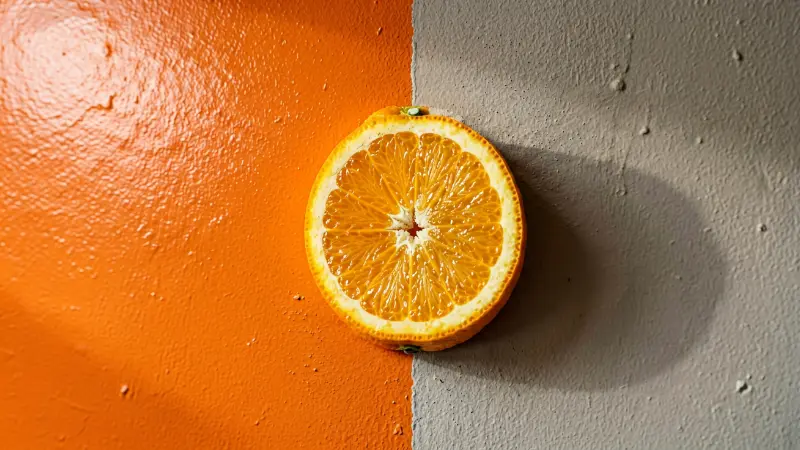
Orange peel texture resembles the dimpled surface of an actual orange rind. This finish features a subtle,均匀 bumpy pattern created during application. The texture is neither rough nor completely flat.
The name comes from the visual similarity to citrus skin. It is one of the most popular wall finishes in residential construction across North America. Builders frequently choose this option for new homes and renovations.
The texture is typically applied using a spray gun or roller technique. Professional applicators control the nozzle distance and pressure to achieve consistent results. The finish usually measures between one-eighth to one-quarter inch in texture height.
What Is a Smooth Finish?
A smooth finish presents a flat, even surface with minimal to no texture variation. This look mimics the appearance of high-end gallery walls or modern minimalist interiors. Smooth finishes have gained tremendous popularity in contemporary home design.
Creating a truly smooth surface requires significant preparation work. Walls must be properly skim coated, sanded, and primed before paint application. Any imperfection in the substrate will show through clearly on a smooth finish.
Smooth finishes come in various sheens ranging from matte to high gloss. Each sheen level interacts differently with light and reveals surface flaws to varying degrees. A matte smooth finish hides the least amount of imperfection while a glossy version reflects more light.
How Orange Peel Texture and Smooth Finishes Are Applied
The application method significantly impacts the final outcome of either finish. Knowing the process helps homeowners set realistic expectations and avoid costly mistakes during their painting projects.
Applying Orange Peel Texture
Professional painters typically apply orange peel texture using an airless spray gun. The sprayer atomizes the paint or texture compound into fine droplets. These droplets land on the wall creating the characteristic bumpy pattern automatically.
The distance between the spray nozzle and the wall controls texture intensity. Holding the gun farther away produces a lighter, more dispersed texture. Moving closer creates a heavier, more pronounced orange peel effect.
Some homeowners attempt rolling on orange peel texture using special textured rollers. While this method works, it rarely achieves the consistency of professional spray application. Results often vary across different wall sections, creating an uneven appearance over time.
Achieving a Smooth Finish
Achieving a smooth finish demands meticulous surface preparation from start to finish. Every crack, dent, and imperfection must be filled and sanded before any paint touches the wall. This preparation phase alone can take significantly more time than the actual painting.
Skim coating is the gold standard for creating smooth surfaces on existing walls. This process involves applying a thin layer of joint compound across the entire wall. After drying, the compound is sanded smooth to create an even canvas for painting.
Roller technique matters enormously for smooth finishes. Using a high-quality foam roller or a short-nap roller minimizes stipple marks. Some painters prefer brushes for cutting in edges followed by careful rolling on flat areas to maintain uniformity.
Understanding the fundamentals of surface preparation can transform your project outcomes. Learning when to skim coat vs primer determines whether your smooth finish succeeds or fails dramatically.
Visual Appearance and Aesthetic Impact
The visual difference between orange peel and smooth finishes is striking and immediate. These finishes fundamentally alter how rooms feel and appear to anyone entering the space.
How Light Interacts with Each Finish
Light behavior differs dramatically between these two finishes. An orange peel texture scatters light across its bumpy surface. This scattering effect reduces glare and creates soft shadows within the texture itself. Rooms with orange peel finishes often feel warmer and more inviting.
Smooth finishes reflect light in a more direct and uniform manner. Flat matte smooth walls absorb light rather than reflecting it. Glossy smooth surfaces bounce light around the room, potentially creating bright spots and hotspots on walls.
Southern-facing rooms with abundant natural light often look spectacular with smooth finishes. The light plays across the flat surface creating an elegant, refined appearance. Northern-facing rooms with limited light may benefit more from orange peel textures that hide flaws while adding visual interest.
Style Compatibility in Different Rooms
Orange peel textures suit traditional, transitional, and rustic interior design styles beautifully. These finishes add depth and character to living rooms, bedrooms, and hallways throughout the home. The subtle texture prevents large wall surfaces from appearing flat or lifeless.
Smooth finishes align perfectly with modern, contemporary, and minimalist design schemes. They create the clean lines and uncluttered appearance that define these styles. Bedrooms and dining rooms with smooth finishes often feel more sophisticated and intentional.
Commercial spaces increasingly favor smooth finishes for their professional appearance. Many home offices now replicate this polished look within residential settings. The trend toward open-concept living spaces has further increased demand for smooth wall finishes.
Durability and Long-Term Performance
Longevity and maintenance requirements vary considerably between orange peel and smooth finishes. These differences matter significantly for homeowners planning to stay in their property for many years.
Scratch and Impact Resistance
Orange peel textures excel at concealing minor damage and wear over time. Small bumps, scuffs, and scratches blend into the existing texture pattern almost invisibly. This characteristic makes orange peel an excellent choice for high-traffic areas like hallways and family rooms.
Smooth finishes reveal every imperfection immediately. A light bump from furniture can leave a visible dent that demands touch-up painting. Even normal cleaning with a damp cloth can create subtle variation in the finish over years of use.
Children’s bedrooms and play areas benefit enormously from orange peel textures. Active households experience far fewer visible wall damages with textured finishes. The texture effectively masks the daily wear and tear of family life.
Repainting and Repair Considerations
Repainting an orange peel textured wall requires matching the existing texture pattern precisely. Professional painters must spray or roll new texture to blend seamlessly with the old. Matching texture perfectly during spot repairs remains challenging even for experienced applicators.
Repainting smooth walls is considerably simpler in theory. However, achieving perfect smoothness after repair requires recompletely resurfacing the area. Simply touching up a small section often leaves a visible patch that contrasts with surrounding walls.
Full-room repainting delivers the best results for both finishes. Homeowners should budget accordingly when planning refreshes for textured versus smooth surfaces. The cost differential becomes particularly noticeable in larger homes with extensive wall space.
Cost Comparison and Installation Expenses
Budget considerations play a major role in finish selection for most homeowners. The total cost includes materials, labor, and preparation work required for each option.
Material and Labor Costs
Orange peel texture application generally costs less than achieving a truly smooth finish. The texture hides surface imperfections, reducing the amount of preparation needed. Fewer coats of primer and less sanding labor contribute to lower overall expenses.
Smooth finish installation demands substantial prep work that drives up costs significantly. Multiple layers of joint compound, extensive sanding, and precise priming all add time and materials. Professional painters charge premium rates for the skill and patience required for smooth results.
DIY homeowners can reduce costs substantially with either finish. However, the learning curve for smooth finishes is steeper and more unforgiving. Failed smooth finish attempts often require professional remediation that exceeds original project budgets considerably.
When to Choose Each Finish for Your Home
Specific situations call for specific finishes. Matching the right option to your room and lifestyle ensures satisfaction for years to come.
When Orange Peel Texture Makes Sense
Older homes with uneven plaster or plasterboard walls benefit enormously from orange peel textures. The finish camouflages decades of settling cracks and surface irregularities gracefully. Attempting a smooth finish on such walls requires extensive and expensive preparation work.
Five-year homeowners who plan to sell relatively soon should consider orange peel textures. The finish photographs well for listings and appeals to broad buyer demographics. Prospective buyers often prefer textured walls because they signal durability and practicality.
Garages, basements, and utility rooms gain practical advantage from orange peel textures. These spaces endure more physical abuse and environmental fluctuations. The texture hides damage that would be obvious on a smooth surface.
If you experience issues with lighting in your home, understanding basic electrical solutions can help. Sometimes only one light works on a dual switch, creating uneven illumination that makes wall texture choices more complicated to evaluate.
When Smooth Finish Is the Better Choice
New construction homes with properly installed drywall represent ideal candidates for smooth finishes. The fresh substrate provides a perfect foundation for skim coating and painting. Owners of new builds should consider smooth finishes before closing on the property.
High-ceiling rooms above nine feet benefit from smooth finishes dramatically. Textured walls at extreme heights create visual noise that overwhelms the eye. Smooth walls maintain an elegant, expansive feel in rooms with significant vertical space.
Formal dining rooms and entry foyers command attention with smooth finishes. These spaces host guests who appreciate refined architectural details. A smooth finish communicates intentionality and design sophistication to visitors.
Side-by-Side Comparison of Key Factors
The following table summarizes the critical differences between orange peel and smooth finishes across multiple dimensions that matter most to homeowners.
| Factor | Orange Peel Texture | Smooth Finish |
|---|---|---|
| Application Difficulty | Moderate – spray or roll | Difficult – requires extensive prep |
| Preparation Required | Minimal to moderate | Extensive sanding and skim coating |
| Cost Range | $1.50 to $3.00 per square foot | $2.50 to $5.00 per square foot |
| Conceals Imperfections | Excellent | Poor |
| Modern Aesthetic Appeal | Moderate | Excellent |
| Scratch Resistance | High | Low |
| Repainting Complexity | Moderate – texture matching needed | Moderate – smoothness matching needed |
| Light Reflection | Diffused and soft | Direct and uniform |
| Best For High-Traffic Areas | Yes | No |
| Lifespan Before Touch-Up | 8 to 12 years | 5 to 8 years |
Common Mistakes to Avoid with Each Finish
Homeowners and even some painters make predictable errors when choosing or applying these finishes. Recognizing these pitfalls prevents costly corrections and disappointment.
Orange Peel Texture Mistakes
Applying texture too heavily creates an exaggerated, bulky appearance that looks dated and unprofessional. The finish should remain subtle enough to catch light gently without casting harsh shadows across the wall surface.
Inconsistent spray technique produces uneven texture density across walls. Some sections appear heavy while others look nearly smooth. This inconsistency becomes glaringly obvious under certain lighting conditions and is extremely difficult to correct after drying.
Skipping primer before texturing causes adhesion problems and premature peeling. Proper surface preparation including appropriate priming ensures the texture bonds securely to the wall substrate for decades.
Smooth Finish Mistakes
Inadequate sanding between coats leaves visible ridges and bumps under the final paint layer. Each coat of joint compound must be sanded completely smooth before applying the next layer. Rushing this process guarantees a flawed finished result.
Using the wrong roller nap creates unwanted stipple patterns that defeat the purpose of a smooth finish. Foam rollers or extra-short nap rollers are essential for achieving true smoothness. Standard rollers leave texture that mimics orange peel and disappoints homeowners entirely.
Applying smooth finish over poorly prepared walls guarantees failure. Any underlying imperfection transfers directly through the paint. Walls must be evaluated thoroughly before beginning the skim coating process to ensure success.
Understanding application fundamentals is crucial for every homeowner. If you ever encounter paint roller leaving texture on your walls, switching to the correct roller type or technique can resolve the issue completely.
Maintenance and Longevity Expectations
Both finishes require different maintenance approaches throughout their lifespans. Knowing what to expect helps homeowners plan adequately for ongoing care.
Caring for Orange Peel Textured Walls
Orange peel textures accumulate dust in their microscopic crevices over time. Gentle vacuuming with a soft brush attachment removes surface dust effectively. Avoid aggressive washing which can degrade the texture pattern at high-traffic points.
Touch-up painting textured walls requires recreating the original spray pattern. Testing on an inconspicuous area first ensures color and texture compatibility. Professional touch-ups remain the most reliable option for significant damage repair.
Caring for Smooth Finished Walls
Smooth walls require careful cleaning using mild soap and warm water solutions. Abrasive cleaners scratch the finish permanently and create visible dull spots. Microfiber cloths provide the gentlest effective cleaning method for maintained smooth surfaces.
Minor scuffs on smooth walls can often be addressed with a gentle eraser sponge. This technique removes surface marks without requiring paint touch-ups. Deep scratches and dents necessitate re-skimming and repainting the affected section completely.
The Environmental and Health Considerations
Modern homeowners increasingly consider environmental impact and health implications of their finish choices. Both options have different environmental footprints worth examining.
VOC and Air Quality Concerns
Low-VOC and zero-VOC paints are now widely available for both finish types. Choosing these environmentally friendly options reduces indoor air pollution during and after application. Ventilate rooms thoroughly for at least forty-eight hours after painting regardless of finish selected.
Skim coating compounds used for smooth finishes may contain formaldehyde and other volatile compounds. Selecting premium quality joint compounds with low emissions protects household health during the lengthy preparation process.
Sustainability and Waste Considerations
Orange peel textures often require fewer material layers during application. This characteristic can reduce overall material consumption compared to smooth finish preparation. The reduced material usage translates to lower environmental impact and potentially lower costs as well.
Smooth finish preparation generates significant waste from sanding debris and dried compound scraps. Proper disposal of these materials is essential for maintaining a clean and safe work environment during renovation projects.
Making Your Final Decision with Confidence
The choice between orange peel texture and smooth finish ultimately depends on your specific circumstances. No single option serves every home or homeowner perfectly.
Questions to Ask Before Choosing
Consider how long you plan to remain in your current home before deciding. Long-term residents investing in a forever home may prefer the elegance of smooth finishes. Shorter-term residents might prioritize the practicality and lower cost of orange peel textures.
Evaluate the condition of your existing walls honestly. Severely damaged or uneven walls require extensive repair before smooth finishes become viable. Addressing these issues honestly prevents future regrets and expensive corrections down the line.
Assess your lifestyle and household dynamics realistically. Families with young children and pets should lean toward orange peel textures for their durability and forgiveness. Single occupants or couples without children may appreciate the refined aesthetics of smooth finishes more readily.
Professional Consultation Recommendations
When uncertain about which finish suits your space, consult with experienced painters before committing. Professional applicators can assess wall conditions and recommend the optimal finish for your specific situation. Their expertise prevents costly mistakes and ensures satisfactory results.
Request sample boards with both finishes applied before making your final decision. Viewing each option in your actual room under your specific lighting conditions reveals differences that photos cannot capture accurately. This simple step provides invaluable clarity during the decision-making process.
The difference between orange peel texture vs smooth finish extends far beyond superficial aesthetics. Each choice impacts your budget, maintenance routine, and overall satisfaction with your home environment for many years. Making an informed decision protects your investment and enhances daily living comfort.
Whether you select the practical resilience of orange peel or the refined elegance of smooth, understanding both options empowers confident decision-making. Your walls represent the largest visual surface area in most homes. Choosing the right finish pays dividends in beauty, durability, and property value for years to come.