The sideways slot on your electrical outlet may seem like an odd design choice. Many homeowners notice it and wonder about its purpose. This small rectangular opening is not a manufacturing defect or decorative element.
It serves a critical safety function that protects both your appliances and your family. Understanding this feature can prevent costly mistakes and potential hazards in your home.
The Sideways Slot Is the Grounding Connection
The sideways rectangular slot located between the two vertical slots on a standard North American electrical outlet is the grounding terminal. This design is part of the NEMA 1-15 and NEMA 5-15 receptacle configurations used throughout residential buildings.
The U-shaped ground slot provides a safe path for electrical current to travel during a fault condition. When a loose wire inside an appliance touches the metal casing, the ground connection directs the stray current away from you and back to the electrical panel.
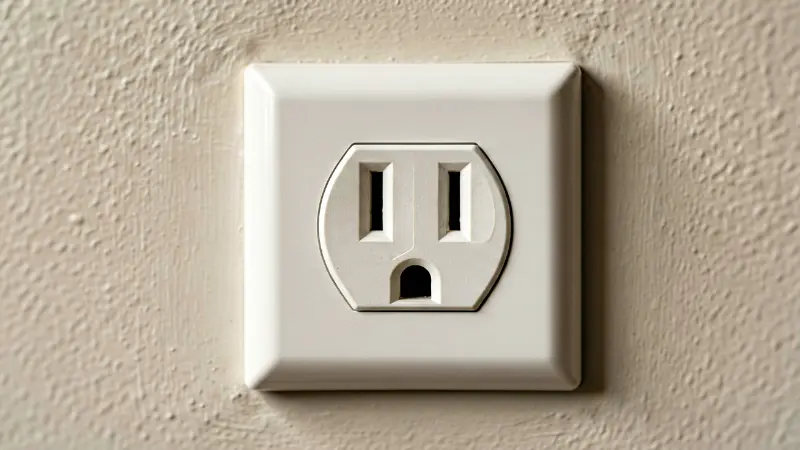
This prevents electric shock by giving electricity a low-resistance path instead of routing it through your body. The grounding system works silently and invisibly every time you use a grounded appliance.
How the Grounding System Works
Electrical grounding operates on a simple but vital principle. Under normal conditions, electricity flows through the hot and neutral wires in a closed circuit. The grounding wire sits idle, waiting for an abnormal situation.
When a fault occurs — such as a damaged wire or a loose connection inside a device — electricity can escape its intended path. The ground wire catches this stray current and routes it directly to the main service panel. From there, the current trips the circuit breaker and shuts off power.
This rapid response happens in milliseconds, often before anyone notices anything unusual. Without this ground connection, the metal casing of an appliance could remain energized and deliver a dangerous shock to anyone who touches it.
The effectiveness of this system depends on proper installation and maintenance throughout the home’s electrical infrastructure. Any break in the grounding path compromises the entire safety mechanism. Just as preventing pests requires securing entry points around your property, protecting your home from electrical hazards requires understanding every component of your wiring system.
Different Types of Outlets and Their Slot Configurations
Not all outlets share the same configuration. Understanding the differences between outlet types helps you identify which devices require proper grounding and which do not.
Two-Prong Outlets (Ungrounded)
Older homes built before the 1960s frequently contain two-prong outlets. These receptacles have only the two vertical slots and lack the sideways ground slot entirely. They provide no grounding protection whatsoever.
Appliances plugged into these outlets rely solely on the hot and neutral connections. If a fault develops inside a connected device, there is no safe path for the stray current to follow.
The National Electrical Code has required grounded outlets in most residential settings since 1962. Homes with original two-prong wiring should consider having a licensed electrician upgrade the system to modern grounded outlets.
Three-Prong Outlets (Grounded)
Modern three-prong outlets include both vertical slots for hot and neutral connections plus the round or U-shaped ground slot. These provide complete three-wire protection for your devices and family.
Most kitchen, bathroom, and living area outlets in homes built after the 1960s are three-prong grounded receptacles. They are the standard configuration required by electrical codes nationwide.
GFCI Outlets
Ground Fault Circuit Interrupter outlets add an extra layer of protection beyond standard grounding. These specialized receptacles monitor the current flowing between hot and neutral wires and detect imbalances as small as four to six milliamps.
When a GFCI detects that current is leaking — potentially through a person — it interrupts the circuit in approximately one-thirtieth of a second. This rapid shutoff prevents fatal electric shock in wet locations.
GFCI outlets are required in kitchens, bathrooms, garages, basements, and outdoor areas according to current electrical codes. They feature test and reset buttons on the face of the receptacle.
AFCI Outlets
Arc Fault Circuit Interrupter outlets detect dangerous electrical arcing conditions that standard breakers cannot identify. Arcing occurs when electricity jumps across a gap in a circuit, creating intense heat that can ignite surrounding materials.
AFCI protection is now required in living rooms, bedrooms, dining rooms, and hallways in most jurisdictions. These outlets help prevent electrical fires that might otherwise start behind walls or under floors.
Identifying the Ground Slot on Your Outlets
Locating the ground connection on your outlets is straightforward once you know what to look for. The visual identification process takes only a few seconds and can prevent serious mistakes.
On a standard three-prong receptacle, the ground slot is the U-shaped or round opening positioned below the two vertical slots. It is typically centered between them and clearly visible when you look directly at the face of the outlet.
The ground slot is larger than the vertical slots and often has a different color — green or bare metal — on the receptacle itself. This visual distinction makes it easy to differentiate from the hot and neutral connections.
If you are unsure whether an outlet is grounded, use a simple outlet tester. These inexpensive devices cost only a few dollars and clearly indicate whether the ground connection is present and properly wired. Before making any modifications to kitchen or bathroom outlets, ensure you understand the existing wiring configuration, just as proper gap-filling techniques require knowing the materials you are working with.
| Outlet Type | Slots Present | Ground Protection | Common Locations |
|---|---|---|---|
| Two-prong (NEMA 1-15) | Two vertical slots only | None | Pre-1960s homes, older buildings |
| Three-prong (NEMA 5-15) | Two vertical + one U-shape | Standard grounding | Most modern residential rooms |
| GFCI | Two vertical + one U-shape | Grounding plus fault detection | Kitchens, bathrooms, garages, outdoors |
| AFCI | Two vertical + one U-shape | Grounding plus arc fault detection | Bedrooms, living rooms, hallways |
| TT-5 (Tamper-Resistant) | Two vertical + one U-shape | Standard grounding with child safety | All new construction and renovations |
Why the Ground Slot Has a Sideways Orientation
The sideways orientation of the ground slot is intentional and serves multiple important purposes. This design choice was not arbitrary but resulted from extensive engineering analysis and safety standards development.
First, the orientation prevents incorrect plug insertion. A three-prong grounded plug cannot be forced into a two-prong ungrounded outlet because the ground pin will not align with either vertical slot. This physical barrier ensures that grounded devices cannot be used on ungrounded circuits without an appropriate adapter.
Second, the U-shape design accommodates the ground pin on plugs while maintaining a secure connection. The open bottom of the U allows the prong to slide in easily during insertion and provides firm contact around the pin during normal operation.
Third, the orientation helps electricians identify wiring during installation and troubleshooting. A quick visual inspection reveals whether an outlet is grounded, ungrounded, or improperly wired. This standardization across all receptacle types simplifies inspections and repairs throughout the industry.
Common Misconceptions About the Ground Slot
Several persistent myths surround the grounding slot that can lead to unsafe practices and confusion among homeowners.
Some people believe the ground slot carries current during normal operation. This is incorrect. The ground wire carries no current under normal conditions. It only becomes active when a fault exists in the circuit or connected device.
Another common misconception is that the ground slot provides power to devices. The ground connection does not supply electricity to operate appliances. It exists solely as a safety pathway for fault currents. Power comes exclusively from the hot and neutral slots.
Some homeowners think they can ignore the ground slot if an appliance works fine on a two-prong adapter. This is dangerous thinking. Removing the ground connection eliminates critical protection against electric shock and fire hazards.
The idea that ground straps or jumper wires between slots provide adequate grounding is also false. These makeshift solutions do not meet electrical code requirements and can create additional safety risks. Understanding why proper materials matter in plumbing applications — such as choosing between ABS and PVC for toilet flanges — mirrors the importance of using correct electrical components rather than improvised shortcuts.
When to Replace or Upgrade Your Outlets
Recognizing when outlets need replacement or upgrading is essential for maintaining home safety. Several indicators suggest that your electrical system may need attention.
Outlets that feel warm or hot to the touch indicate excessive resistance or a loose connection inside the receptacle. This condition can lead to fire hazards and requires immediate professional evaluation. Discontinue using the affected outlet until it is repaired or replaced.
Visible damage such as cracked faces, scorch marks, or discolored plates signals potential internal problems. Moisture exposure can degrade outlet components over time, especially in bathrooms and kitchens where humidity levels are higher.
Outlets that do not securely hold plugs are wearing out. Loose connections create arcing points inside the receptacle that generate heat and can eventually cause fires. Tamper-resistant outlets with built-in shutters offer improved safety for households with young children.
Homes built before 1970 should be evaluated for outdated electrical systems. Knob-and-tube wiring, fuse boxes, and ungrounded circuits represent significant safety concerns that warrant professional assessment and likely upgrades.
Proper Use of Grounding Adapters
Grounding adapters, commonly called cheater plugs, allow three-prong plugs to fit into two-prong outlets. While they provide temporary convenience, they should not be used as permanent solutions.
The green tab on a grounding adapter is designed to be attached to the screw terminal on the outlet cover plate. This connection only works if the outlet box itself is grounded. Most older homes with two-prong outlets have non-metallic boxes that provide no grounding path.
Using a grounding adapter without a proper ground connection gives a false sense of security. The device will appear to work normally, but the dangerous condition remains unresolved. The metal casing of a faulty appliance connected through such an adapter could still deliver a severe shock.
The only permanent solution for ungrounded circuits is to replace the outlets with properly grounded three-prong receptacles. This upgrade may involve running new wiring from the circuit back to the service panel, which should be performed by a licensed electrician.
Testing Your Grounding System
Regular testing of your home’s grounding system is a simple practice that provides valuable peace of mind. Several methods are available for verifying proper operation.
Outlet testers are the easiest and most affordable option. These small devices plug into any standard receptacle and display indicator lights that show whether the wiring is correct, reversed, or missing ground. They cost between five and fifteen dollars at any hardware store.
For more comprehensive testing, a professional electrician can use a ground impedance tester to measure the resistance of the grounding system. This test verifies that the ground path has sufficiently low resistance to trip circuit breakers quickly during a fault.
GFCI outlets should be tested monthly by pressing the test button. This simulates a ground fault and should immediately trip the outlet, cutting power to any devices plugged into it. The reset button restores normal operation.
Grounding and Home Values
Modern grounded electrical systems contribute significantly to home resale value and marketability. Homebuyers and inspectors view proper grounding as a basic safety standard that should not be compromised.
Properties with updated electrical panels, grounded outlets throughout, and modern GFCI and AFCI protection command higher prices and sell faster than homes with outdated systems. Electrical upgrades rank among the most impactful improvements for increasing property value.
Insurance companies may offer discounts for homes with updated electrical systems. Some insurers require proof of GFCI and AFCI protection before providing coverage, particularly in older properties.
Safety Reminders for Homeowners
Maintaining a safe electrical environment requires ongoing attention and proper knowledge. The following guidelines should be followed by every homeowner.
Never remove the ground pin from a plug to force it into an incompatible outlet. This defeats the safety purpose of the grounding system and creates a serious shock hazard. Use proper adapters or have the outlet upgraded instead.
Avoid overloading outlets and extension cords. Each circuit has a maximum amperage rating, usually fifteen or twenty amps. Exceeding this limit causes overheating and increases fire risk significantly.
Keep electrical outlets away from water sources whenever possible. Install GFCI protection in all areas where moisture is present, including near sinks, bathtubs, and outdoor areas.
Have a qualified electrician inspect your home’s wiring if you notice flickering lights, frequently tripped breakers, burning smells, or warm outlets. These warning signs indicate potential hazards that require professional diagnosis and repair.
When replacing outlets yourself, always turn off the circuit breaker before removing the old device. Use a non-contact voltage tester to confirm that no power is present before touching any wires. Working with electricity without proper precautions can result in severe injury or death.
Conclusion
The sideways slot on your electrical outlet is a carefully engineered safety feature that deserves respect and understanding. It is the grounding connection that provides a critical lifeline between your appliances and the earth, redirecting dangerous fault currents away from people and toward safety.
Whether you live in a recently built home or a decades-old property, taking time to understand and maintain your grounding system is one of the most important steps you can take for household safety. Regular testing, prompt attention to warning signs, and professional upgrades when necessary ensure that this vital feature continues protecting your
family.
Do not underestimate the importance of this small slot. It represents decades of electrical safety engineering and stands between your home and potentially devastating shock or fire hazards. Treat your grounding system with the care it deserves, and never ignore signs that it may need attention.