King Hickory is a name that comes up often among shoppers looking for American-made upholstery that sits somewhere between mass-market furniture and true heirloom pieces. The company is based in Hickory, North Carolina, a region long associated with furniture manufacturing, and it sells through independent dealers rather than big-box chains. That distribution model shapes both the buying experience and the review landscape: you will find passionate defenders of the brand and frustrated owners in equal measure, often in the same forum thread.
This review pulls together what owners actually say, what the published construction details reveal, and where the real trade-offs sit. The goal is not to declare the brand good or bad, but to help you judge whether a specific King Hickory sofa matches your expectations, your budget, and the way your household uses furniture.
Brand Background and Manufacturing Approach
King Hickory Furniture is a family-owned manufacturer based in Hickory, North Carolina. The brand positions itself around domestic production and traditional upholstery techniques, and it sells through a network of independent furniture retailers. That dealer-based model means you will not find King Hickory on a typical big-box floor, and pricing can vary from one retailer to the next.
The company offers a broad catalog of sofas, sectionals, chairs, and ottomans in traditional, transitional, and casual styles. Many pieces are available with fabric and cushion options, and some lines offer performance fabrics. Because the furniture is often built to order, lead times can stretch well beyond what a shopper might expect from in-stock retail. Owners report waits ranging from several weeks to several months, and a few describe delays that extended far beyond the original estimate.
That build-to-order approach is a double-edged sword. It allows for customization and avoids the compromises of whatever happens to be on the floor. It also means the buying experience depends heavily on the dealer, and the wait can test patience when a promised delivery date slips. If timing matters, confirm the dealer’s current lead time in writing rather than relying on a brochure estimate.
Construction and Materials: What King Hickory Claims
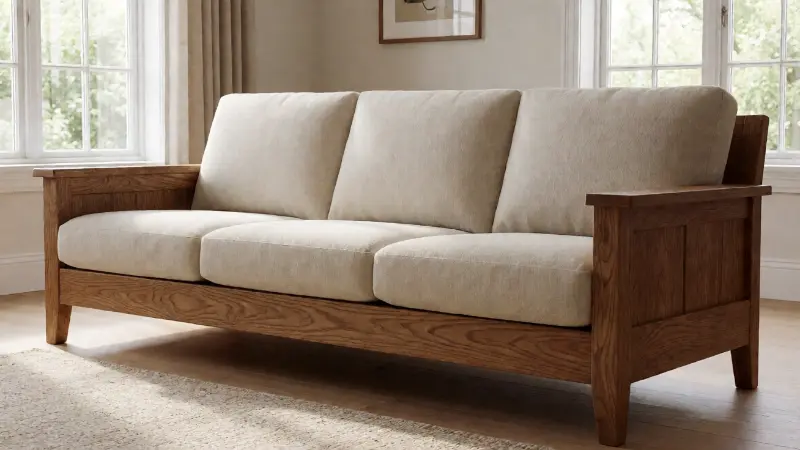
King Hickory publishes a detailed list of standard construction features, and that list is a useful starting point for evaluating the brand. The company states that its frames are made from kiln-dried hardwood, double-dowelled and glued for strength, with corners that are blocked, glued, and fastened. Legs are built into the frame where styling allows, and the spring base is described as eight-way hand-tied construction using double-cone, high-carbon tempered steel springs.
The cushion specification calls for high-resiliency polyurethane foam seat cushions wrapped in a bag filled with fiber for comfort and crown. Back cushions are fiber-filled and channeled to help prevent sagging. The company also notes that exposed wood legs are made from select hardwoods, skirts are fully lined and tailored, and fabrics are matched top to bottom and side to side on skirts.
Eight-way hand-tied springs are a genuine benchmark in upholstery. The process involves tying coil springs to the frame in eight directions with twine, which creates a supportive, durable seating foundation. It is labor-intensive, and it is one of the features that separates mid-to-upper-tier furniture from budget construction. The caveat is that the presence of eight-way hand-tied springs does not, by itself, guarantee that every other component is equally premium. Frame material, foam density, and fabric quality still matter, and those details can vary by model.
A furniture professional on a home forum offered a blunt counterpoint: many frames in this segment, including some King Hickory frames, may be plywood rather than solid hardwood, and not every model includes a spring-edge seat. That observation is anecdotal and should be treated as a prompt to verify the specification for the specific sofa you are considering, not as a blanket statement about the brand. The lesson is to ask the dealer for the construction details of the exact piece rather than assuming the marketing summary applies uniformly.
Owner Reviews: The Positive Experiences
The positive reviews tend to cluster around durability, comfort, and the sense that the furniture is built to last. One long-term owner on a home forum described a 15-year-old King Hickory sofa and loveseat that had held up extremely well. Another said the brand had held up well even with two teenagers using the furniture, and described it as indestructible in their experience. A different owner said they planned to refurnish their living room with King Hickory for all the upholstered pieces based on that track record.
Another recurring theme is the ability to customize. A Nextdoor user described a custom-ordered sofa with chosen fabric and pillow options, praising the salesperson and the final result. They specifically mentioned choosing King Hickory for its hardwood frame construction and the absence of particle board, and said the sofa arrived about six weeks after ordering. That combination of customization and a solid frame is a meaningful draw for shoppers who want a specific look without stepping into true custom-furniture pricing.
Comfort is another point of praise. Some owners describe the seating as firm and supportive in a way that suits their preferences, particularly those who want a sofa that does not immediately collapse into a soft slump. One reviewer who purchased a King Hickory sectional on a retail marketplace said it was comfortable and looked better in person than expected. These are not universal experiences, but they reflect a segment of buyers who feel the brand delivers on its promise.
Owner Reviews: Complaints and Recurring Problems
The negative reviews tend to focus on three areas: cushion performance, fabric durability, and customer service. On a consumer complaint site, one owner reported that back cushions began slumping within about four and a half months, even with light use. They said the replacement cushions also began to give way shortly after arriving. Another owner reported fabric shredding after about two years and described difficulty getting the issue resolved through the dealer.
A different complaint described upholstery material unraveling within two months on a sofa that had seen little use. The owner said the retailer was slow to respond and that the resolution process involved sending material samples back for testing. These are serious concerns for a purchase at this price point, and they are worth weighing alongside the positive reports. Not every owner experiences these problems, but the pattern of cushion and fabric complaints is consistent enough to warrant attention.
Customer service is another friction point. Some owners report that King Hickory directs them back to the dealer rather than dealing with them directly, which can leave a buyer feeling caught between two parties. Others describe long waits for responses and difficulty confirming refund values or repair timelines. The dealer relationship is central to the King Hickory experience, and a weak dealer can turn a manageable defect into a frustrating ordeal.
Delivery delays also appear in complaints. One owner described a promised 9-to-11-week window that stretched to roughly seven months. Another mentioned a seven-month wait that was extended again just before delivery. Custom furniture does take time, but the gap between the estimate and the actual delivery is a recurring source of frustration.
Durability and Longevity: What the Evidence Suggests
The durability picture is genuinely mixed. The positive reports include sofas that have lasted 15 years or more, which suggests that a well-built King Hickory piece can deliver a long service life. The construction details, particularly the eight-way hand-tied springs and hardwood frame claims, support that possibility. The negative reports involve cushion and fabric failures within months or a few years, which suggests that the experience is not uniform across models or production runs.
One way to reconcile those outcomes is to distinguish between the frame and the soft goods. The frame and spring system may be genuinely robust, while the cushions and fabric are the components most likely to disappoint. A sofa can have an excellent frame and still feel worn out if the foam loses resilience or the fabric pills and frays. If you are considering a King Hickory sofa, pay close attention to the cushion specification and the fabric grade rather than focusing only on the frame.
Household use intensity matters as well. A sofa in a formal living room that sees occasional use will age differently from a family-room sofa that is sat on daily by multiple people. Some complaints come from owners who describe light use, which makes the failures more concerning, but the broader pattern still points to variability rather than a guaranteed outcome. The honest summary is that King Hickory can last a long time, but the cushion and fabric choices carry real risk.
Comfort, Cushion Options, and Seating Feel
King Hickory offers cushion construction choices on many models, which is a meaningful advantage for buyers who have strong preferences about firmness. The standard specification calls for high-resiliency foam wrapped in fiber, and some lines offer upgraded foam or hybrid cushioning. The company also describes pocketed coil and foam constructions on certain models, which can change the seating feel.
Owners who prefer a firmer seat often speak positively about the brand, while those who expect a plush, sink-in feel may find it too firm. That is a preference issue rather than a quality issue, but it matters because a sofa that does not match your comfort expectations will feel like a bad purchase even if it is well built. Sit on the exact model if possible, and ask whether the floor model has the standard cushion or an upgrade. A floor model with upgraded foam will feel different from the standard build.
Cushion maintenance is part of ownership. Fiber-wrapped foam cushions benefit from regular fluffing and rotation, and back cushions that are fiber-filled need to be shaken out to maintain their shape. Owners who are unwilling to do that maintenance may see faster slumping, and that is true of many mid-to-upper-tier sofas, not just this brand. If you want a low-maintenance seat, ask about tighter, more structured cushion options.
Fabric Quality and Performance Considerations
Fabric is where some of the strongest complaints originate. Reports of shredding, unraveling, and premature wear appear in owner reviews, and those issues can be expensive to fix because reupholstering a sofa often costs a significant fraction of the purchase price. Fabric performance depends on fiber content, weave, and abrasion resistance, and those details are not always easy to compare across brands.
King Hickory offers a range of fabrics, including performance options on some models. Performance fabric can be a sensible choice for households with children or pets, but the term covers a wide range of materials and finishes. Ask the dealer for the specific fabric’s cleaning code and durability information, and request a sample to feel the texture and see the color in your room’s lighting. A fabric that looks elegant in a showroom can show soil or wear quickly in a busy family room.
Fabric matching is another detail that matters on tailored pieces. The company states that fabrics are matched top to bottom and side to side on skirts, and that floral patterns are flow-matched from cushion to skirt. That attention to detail is a positive sign for the higher-end models. Still, matching quality and abrasion resistance are separate issues, and a well-matched fabric can still wear prematurely if it is not suited to the application.
Customer Service, Dealer Network, and Warranty
King Hickory sells through independent dealers, and that structure shapes the service experience. When something goes wrong, the dealer is typically the first point of contact, and the manufacturer may direct the owner back to the dealer for resolution. That can work well when the dealer is responsive and poorly when the dealer is slow or unhelpful. Several complaints describe exactly that dynamic, with owners feeling passed between the retailer and the manufacturer.
Warranty coverage varies by product and component, and the details matter more than the headline length. Frames and springs may carry longer coverage than cushions and fabric, which are often treated as wear items. Before you buy, ask for the written warranty for the specific sofa and read the exclusions. Pay attention to whether the warranty covers labor, shipping, or replacement materials, because those costs can add up even when a defect is covered.
Lead times and delivery are part of the service picture too. Custom orders can take weeks or months, and delays are a common complaint. Get the estimated delivery window in writing, ask about the dealer’s policy if the date slips, and confirm who handles delivery damage. Inspect the sofa at delivery and note any issues on the paperwork before the delivery team leaves.
King Hickory vs Other Mid-Tier Brands
Shoppers often compare King Hickory with brands such as Flexsteel, Smith Brothers of Berne, and other American-made upholstery lines. Forum comparisons tend to place King Hickory in a similar quality band to those brands, with differences in feel, styling, and dealer experience rather than a clear hierarchy. One long-term owner who had both King Hickory and Flexsteel sofas described both as great and over 15 years old, with the King Hickory seeing heavier use.
The comparison that matters most is the specific sofa, not the brand label. Two brands in the same tier can differ in frame material, cushion density, and fabric options from one model to the next. A King Hickory sofa with a strong frame and a durable fabric may outperform a competitor’s entry-level model, while a competitor’s upgraded model may outperform a King Hickory piece with a weaker cushion specification. The brand is a starting point, not a guarantee.
For a useful contrast in how another furniture brand approaches construction and value, the Jessica Charles furniture reviews offer a different data point in the mid-to-upper segment. Looking at multiple brands side by side helps calibrate what “good construction” actually means at a given price.
Side-by-Side Comparison Table
| Factor | King Hickory | Typical mid-tier competitor |
|---|---|---|
| Frame | Claims kiln-dried hardwood, double-dowelled, blocked and glued | Varies from hardwood to plywood depending on model |
| Spring system | Eight-way hand-tied springs on many models | Sinuous wire or eight-way tied depending on price |
| Cushion | High-resiliency foam wrapped in fiber; upgraded options available | Foam density and wrap vary widely |
| Fabric | Broad selection, including performance options | Selection varies by dealer and brand |
| Customization | Built to order with fabric and cushion choices | Often limited to in-stock configurations |
| Lead time | Can be several weeks to several months | Often shorter on in-stock items |
| Service model | Dealer-based; manufacturer may direct owners to dealer | Varies by brand and retailer |
| Typical price band | Mid to upper-mid for a sofa | Similar band, with overlap |
How to Evaluate a King Hickory Sofa Before You Buy
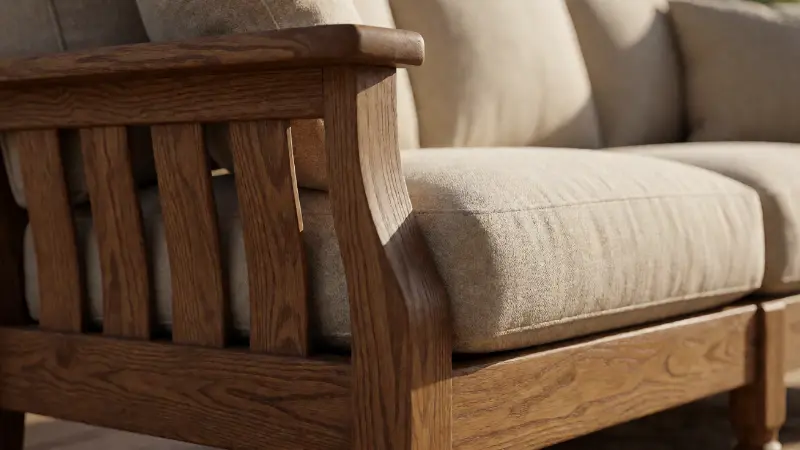
The most important step is to ask for the construction details of the exact model you are considering. Request the frame material, the spring type, the foam density, and the fabric’s durability information. A dealer who cannot answer those questions is a warning sign, and a dealer who can provide a spec sheet is a better partner for a purchase at this level.
Sit on the floor model for several minutes and pay attention to how the cushions recover when you stand. A cushion that stays compressed or feels uneven is a concern. If the floor model has been on the floor for a while, it can tell you something about how the cushions will age, though showroom traffic is not the same as daily household use. Ask how long the floor model has been there and whether the cushions are standard or upgraded.
Request fabric samples and view them in your room’s lighting. Check the cleaning code and ask about the expected wear characteristics. If you have pets or children, prioritize a performance fabric or a tightly woven material over a delicate weave. The fabric is one of the most visible and expensive components to replace, so it deserves as much attention as the frame.
Get the delivery window and warranty terms in writing. Confirm the dealer’s policy on defects, returns, and delivery damage. Ask who handles service if a problem arises and how long the process typically takes. Those administrative details are not glamorous, but they determine how a defect is resolved if one occurs.
Finally, compare the total cost of ownership rather than the sticker price. A sofa that lasts 15 years costs less per year than a cheaper sofa that needs replacing in five. King Hickory’s better-built models can make that math work, but the cheaper models with weaker cushions or delicate fabrics may not. The brand name alone does not settle the calculation.
Related Home Upgrade Considerations
Furniture decisions often sit alongside other home improvement projects, and the same principles of material quality and long-term value apply. If you are also evaluating flooring, the Steller Floors buyer reviews provide a useful look at how another home product balances cost, durability, and installation considerations. For exterior upgrades, the Therma Tru French doors buyer guide covers what to check before committing to a premium product. These comparisons reinforce a common lesson: the specification matters more than the marketing label.
FAQ
Is King Hickory a good quality sofa brand?
King Hickory sits in the mid-to-upper range of the upholstered furniture market. Its better models use eight-way hand-tied springs and hardwood frame construction, and some owners report 15 years or more of service. However, cushion and fabric complaints appear in owner reviews, so quality varies by model and by the specific materials chosen. Evaluate the individual sofa rather than the brand alone.
Where are King Hickory sofas made?
King Hickory Furniture is based in Hickory, North Carolina, and the brand emphasizes domestic manufacturing. It sells through independent dealers rather than large chains, which affects pricing and the service experience. Confirm the country of origin for the specific model if that is a priority for you.
Why do some King Hickory reviews mention cushion problems?
Some owners report that back cushions slump or seat cushions lose resilience sooner than expected, even with light use. Cushion performance depends on foam density, fiber wrap, and how the sofa is used and maintained. If cushion durability is a concern, ask about upgraded foam options and the specific cushion construction for the model you are considering.
Does King Hickory use hardwood frames?
The company states that its standard construction includes kiln-dried hardwood frames that are double-dowelled, glued, and blocked at the corners. A furniture professional on a home forum noted that some frames in this segment may be plywood, so the safest approach is to ask the dealer for the frame specification of the exact model you are buying rather than assuming the standard applies uniformly.
How long does a King Hickory sofa last?
Some owners report 15 years or more of use, particularly when the frame and springs are the focus. Other owners report cushion and fabric issues within a few years. The realistic expectation is that a well-specified King Hickory sofa can last many years, but the soft components may need attention before the frame does. Fabric choice and cushion maintenance play a large role.
Is King Hickory worth the price?
It can be worth the price if you value American-made construction, eight-way hand-tied springs, and customization, and if you choose a durable fabric and appropriate cushion specification. It is harder to justify if you prioritize quick delivery, a low-maintenance seat, or a plush, soft feel. Compare the specific model’s construction and warranty against competitors at the same price point.