Choosing the right entryway door is a major home investment. Many homeowners struggle to find reliable, unbiased feedback on Therma-Tru French doors. Reviews often mix marketing hype with overlooked durability concerns. This guide cuts through the noise to deliver a clear, actionable assessment.
We analyze real-world performance, energy efficiency, and long-term maintenance needs. The goal is to help you decide if Therma-Tru is the right fit for your climate and budget. Understanding these factors prevents costly mistakes and ensures lasting satisfaction.
Why Homeowners Search for Therma-Tru French Door Reviews
Therma-Tru is a dominant name in the pre-insulated door market. Yet, finding comprehensive, independent reviews remains difficult. Most published content leans heavily on manufacturer partnerships. This creates a gap in consumer knowledge that fuels confusion at the point of purchase.
Homeowners worry about specific issues like seal failure and frame warping. These are critical concerns for French doors, which involve two large glass panels. Proper review analysis must address these structural vulnerabilities directly. It highlights the difference between lab data and actual household performance.
The Glass and Seal Integrity Challenge
French doors rely on large insulated glass units. The seal around this glass is the first point of failure in many older installations. Therma-Tru uses argon-filled units with polyisocyanurate foams. However, user reports often cite fogging between panes after five to seven years.
This fogging indicates a seal breach, reducing insulation value. It also voids certain warranty aspects if not handled correctly. Understanding this risk helps set realistic expectations for the door’s lifespan. It emphasizes the importance of checking the seal integrity during any pre-purchase inspection.
If you are already experiencing issues with your current windows, you might notice similar symptoms. For example, seeing white stuff between double pane windows is a classic sign of seal failure. Recognizing this early can save you from replacing an entire door unit unnecessarily.
Analysis of Therma-Tru French Door Construction and Quality
Therma-Tru doors are typically constructed with fiberglass skins and polyurethane cores. This combination offers better insulation than standard steel or wood. The fiberglass exterior is resistant to rot, corrosion, and insect damage. This makes it a strong candidate for high-humidity environments.
However, the quality of the installation is just as critical as the product. Poor framing can lead to misalignment and sticking doors. Reviews often praise the ease of installation but criticize the lack of post-sale support. Homeowners must ensure their installer follows manufacturer specifications to maintain warranty validity.
The black or white grids are factory-attached. This design keeps the bars inside the glass seal. It simplifies cleaning but makes replacement difficult if a panel cracks. A single broken pane can be costly to fix. It is crucial to verify the glass specification before finalizing the order.
Energy Efficiency and R-Value Performance
Therma-Tru claims high R-values for their insulated door lines. For French doors, the glass area significantly impacts overall efficiency. The surrounding frame must also meet energy standards to prevent thermal bridging. Homeowners in cold climates need to verify the specific R-value of the frame.
Real-world energy savings depend on proper weatherstripping. Therma-Tru includes standard weatherstripping, but gaps can develop over time. Regular inspection of these seals is necessary for optimal performance. Neglecting this maintenance leads to higher heating and cooling costs.
Compare this to other brands like Okna windows vs Andersen, where frame material differences affect thermal performance significantly. While Okna and Andersen are window brands, their construction principles offer a useful benchmark for evaluating door frame efficiency and long-term durability in similar materials.
Common Complaints and Pain Points from Homeowners
Aggregating data from homeowner forums and review sites reveals consistent themes. Many users report difficulties with the door hardware, specifically the strike plates. The pre-drilled holes can be misaligned, requiring manual modification. This adds complexity to a project many homeowners consider “DIY-friendly.”
Another frequent complaint is the weight of the doors. French doors are heavy due to the glass and core. Standard hinges may struggle to support this weight without proper bracing. Weak hinges lead to drooping and rubbing against the frame. This issue is often misattributed to poor product quality when it is actually an installation error.
Color consistency is also a topic in reviews. Some users note fading or color shifts after prolonged sun exposure. While Therma-Tru uses UV-resistant coatings, the fiberglass can still oxidize over decades. Choosing a neutral color or applying a protective sealant may mitigate this issue. It is a trade-off between aesthetics and long-term maintenance.
The Hardware and Locking Mechanism
The locking mechanism on Therma-Tru French doors is a key functional component. Users often find the standard multipoint locks to be stiff. This stiffness can make daily operation frustrating, especially for older adults or those with limited hand strength. Upgrading to a smoother, branded lockset is a common recommendation.
The deadbolt must engage securely with the strike plate. A loose strike plate compromises the security of the entry point. Tightening these components periodically is essential. It ensures that the door locks firmly against intrusion attempts.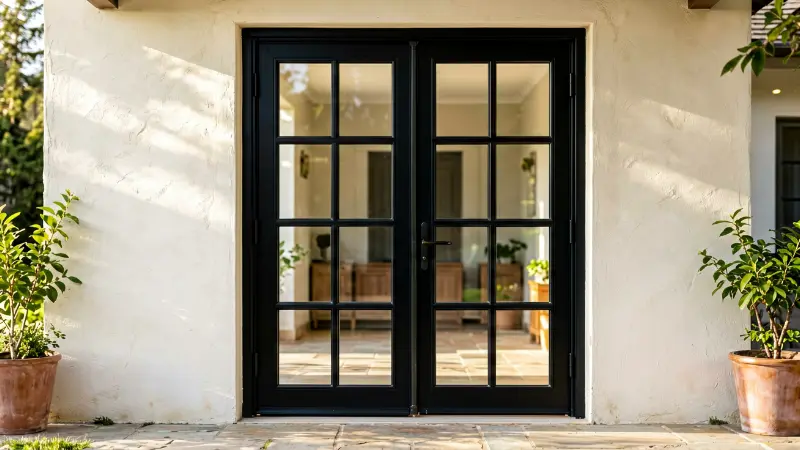
Pros and Cons: A Balanced View for Buyers
Evaluating Therma-Tru French doors requires a balanced perspective. The benefits are clear for many homeowners, but the drawbacks are equally valid. This section outlines the key factors to consider before purchase.
Key Advantages of Therma-Tru French Doors
- Durability: Fiberglass construction resists rot and corrosion, outperforming wood in wet climates.
- Insulation: Polyurethane core provides excellent thermal resistance, reducing energy bills.
- Low Maintenance: The surface does not require painting, only occasional cleaning with mild soap.
- Warranty: A limited lifetime warranty covers manufacturing defects, providing peace of mind.
Notable Disadvantages and Risks
- Cost: Higher upfront price compared to standard steel entry doors.
- Weight: Requires robust hardware and professional installation to prevent sagging.
- Glass Dependency: Replacement of a single glass pane can be expensive and complex.
- Hardware Fit: Pre-drilled holes may not align perfectly with every lock or handle.
Installation Best Practices to Avoid Common Issues
Even the best door fails if installed incorrectly. For Therma-Tru French doors, precise leveling is non-negotiable. The doors must swing freely without dragging on the threshold. Any deviation causes the seals to compress unevenly. This leads to premature wear and difficulty in opening the doors.
When preparing the opening, ensure the frame is squared and plumb. Shims are essential for supporting the door without warping the frame. Over-tightening screws can crush the flexible fiberglass. This crush can lead to cracks and seal failure over time.
If you notice your grout lines around the opening look uneven or grout looks wet in spots, check for moisture intrusion before finalizing the installation. Proper flashing and waterproofing are critical to prevent water from damaging the surrounding structure. This step protects the integrity of the entire entryway system.
Choosing the Right French Door Style
Therma-Tru offers various grid patterns and glass types. The choice impacts both aesthetics and energy performance. Full grids increase visual appeal but may slightly reduce insulation efficiency. Clear glass allows for maximum light transmission. Homeowners should prioritize their visual preferences while considering the local climate.
The swing direction also matters. Out-swinging doors are common in North America for security. In-swinging doors save interior space but may conflict with furniture placement. Deciding on the swing early prevents costly framing changes. It ensures a smooth installation process.
Long-Term Maintenance for Maximum Lifespan
Proper maintenance extends the life of your Therma-Tru French doors. Regular cleaning with a soft cloth and non-abrasive cleaner prevents surface damage. Avoid using harsh chemicals that can degrade the fiberglass finish. A gentle approach preserves the color and texture for years.
Inspect the weatherstripping annually. Replace any worn or cracked sections immediately. This maintains the air seal and keeps drafts out. It is a low-cost task that yields significant energy savings. It also protects the interior of the frame from moisture accumulation.
Lubricate the hinges and lock mechanisms every six months. Use a silicone-based lubricant to avoid gummy buildup. This keeps the doors operating smoothly. It prevents the stiffness that often leads to complaints in reviews. Consistent care ensures the door performs as intended.
Is Therma-Tru Worth the Investment? A Final Verdict
Therma-Tru French doors are a solid choice for homeowners prioritizing durability and insulation. They excel in extreme climates where wood doors would fail. The energy savings over time can offset the higher initial cost. The limited lifetime warranty adds a layer of financial protection.
However, they are not without quirks. Hardware alignment and glass replacement costs require careful consideration. Professional installation is strongly recommended to avoid common pitfalls. If you are looking for a low-maintenance, high-performance entryway, Therma-Tru is a top contender.
Compare your specific needs against the pros and cons outlined above. Focus on the climate and your budget. A well-installed Therma-Tru door will serve your home for decades. It balances aesthetic appeal with functional resilience. Make the choice that aligns with your long-term home improvement goals.
Summary of Key Specifications
The table below summarizes the critical technical aspects of Therma-Tru French doors. Use this data to compare models and make an informed decision.
| Feature | Specification/Detail | Implication for Homeowner |
|---|---|---|
| Frame Material | Fiberglass and Polyurethane Core | High insulation and resistance to rot and corrosion. |
| Glass Type | Insulated Argon-Filled Units | Improved thermal performance and sound reduction. |
| Warranty | Limited Lifetime (Manufacturing) | Covers defects in materials and workmanship. |
| Hardware | Pre-installed or Ready-to-Drill | May require minor adjustment for perfect lock engagement. |
| Maintenance | Low (Cleaning and Weatherstrip Check) | Requires minimal effort to maintain appearance and function. |