Winter is approaching, and your Ariens snowblower needs attention before storage. Leaving old gasoline in the tank through the cold months causes serious engine problems. Stale fuel creates varnish deposits that clog carburetors and fuel lines.
Many snowblower owners skip this critical maintenance step. They discover the damage only when trying to start the machine in spring. Fuel system repairs can cost hundreds of dollars. A proper drain-and-stabilize routine takes under thirty minutes.
Why Draining Gas Is Essential for Ariens Snowblowers
Gasoline degrades significantly within thirty to sixty days of being stored. Oxidation transforms liquid fuel into sticky varnish and gum residues. These deposits accumulate inside the carburetor jets and fuel passages of your Ariens engine.
The small orifices in carburetor systems are particularly vulnerable. Even a thin film of degraded fuel can block proper airflow and fuel mixture. This blockage prevents the engine from starting or running smoothly.
Ethanol-blended fuels accelerate the degradation process through moisture absorption. Ethanol pulls water from the air into the fuel system. This separated water settles at the bottom of the tank where it contacts metal components. The result is corrosion inside the fuel tank and lines.
Ariens snowblower engines typically use carburetors with precision-machined passages. These are not designed to handle the abrasive particles formed by fuel breakdown. Cleaning or replacing a carburetor often costs between seventy and two hundred dollars.
Understanding Your Ariens Snowblower Fuel System
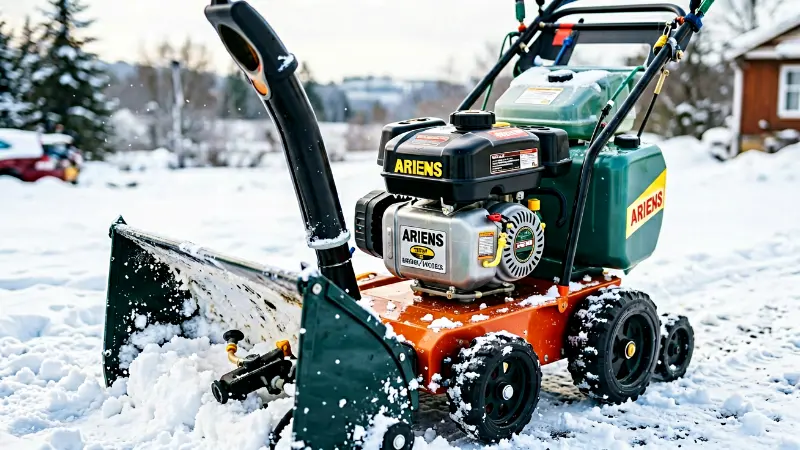
Before draining fuel, understanding the layout of your Ariens fuel system proves valuable. Most Ariens snowblower models feature a straightforward gravity-feed fuel system. The gas tank sits above the carburetor, allowing fuel to flow naturally through a single fuel line.
The fuel petcock or valve controls flow from the tank to the carburetor. Some Ariens models include an in-line fuel filter near the carburetor connection. Knowing where each component sits makes the draining process much faster and cleaner.
The fuel tank on Ariens machines often holds between one and two quarts depending on the model. Larger two-stage units carry more fuel than compact single-stage models. This capacity matters when planning how much stabilizer to add later.
Some newer Ariens snowblower models feature fuel tanks with built-in drain ports. Older models may require removing the fuel line at the carburetor end instead. Identifying your model number helps determine the best draining approach for your specific machine.
Step-by-Step Guide to Draining Gas from Your Ariens Snowblower
Step One: Gather Your Supplies
Before beginning the fuel drain process, collect all necessary supplies. You will need an approved gasoline storage container, funnel, basic hand tools, and fuel stabilizer. Having everything ready prevents interruptions and keeps the workspace organized.
Use only containers rated for gasoline storage and inspect them for cracks or damage before each use. Rubber or nitrile gloves protect your skin from fuel contact. Paper towels or shop rags help catch spills during the process.
Step Two: Prepare the Snowblower for Draining
Position your Ariens snowblower on a flat, level surface in a well-ventilated area. Performing this task outdoors or in a garage with open doors is safest. Engine parts remain hot after operation, so allow the machine to cool completely before starting.
Locate the fuel shut-off valve if your model has one. Turn the valve to the off position to stop fuel flow. This simple step prevents fresh fuel from entering the carburetor while you work on the system.
Step Three: Remove Fuel from the Tank
If your Ariens snowblower has a drain bolt or port at the bottom of the fuel tank, place your collection container underneath. Loosen the drain bolt slowly and allow the fuel to flow out completely. Tighten the bolt securely once draining finishes.
Models without a drain port require removing the fuel line at the carburetor end. Place a rag under the connection point to catch residual fuel. Use the appropriate wrench size to disconnect the line over your storage container.
Fuel siphon pumps offer an alternative method for removing gasoline from the tank. These affordable tools draw fuel out through the filler neck without disconnecting any lines. This approach keeps the fuel system sealed and reduces spill risk significantly.
Step Four: Treat Remaining Fuel or Replace It
Some fuel always remains in the carburetor bowl and fuel lines even after draining. Adding fresh fuel with stabilizer to the tank addresses this residual fuel. The stabilized mixture circulates through the system and protects internal components.
Calculate the correct stabilizer ratio based on your tank capacity. Most fuel stabilizers recommend one ounce per gallon of gasoline. For a typical Ariens tank holding one and a half quarts, use approximately half an ounce of stabilizer.
Step Five: Complete the Procedure
Reconnect the fuel line to the carburetor if you removed it. Tighten connections to the manufacturer specification without over-torquing. Over-tightened fittings crack fuel line threads and cause dangerous leaks at startup.
Clean any spilled fuel immediately with appropriate cleaning supplies. Dispose of old fuel at a hazardous waste facility or local auto parts store. Never pour gasoline down drains or onto soil in your yard.
Fuel Stabilizer: Your Snowblower Engine Protection Strategy
Simply draining the fuel tank does not fully protect your Ariens snowblower through storage. Residual fuel in the carburetor and fuel lines still faces oxidation and moisture contamination. Fuel stabilizer forms the critical second layer of protection for the entire fuel system.
High-quality stabilizers contain detergents that clean fuel system components. They also include corrosion inhibitors that coat metal surfaces inside tanks and lines. These additives prevent the formation of acidic compounds that damage engine parts over time.
STA-BIL and Sea Foam remain the most trusted stabilizer brands among snowblower owners and small engine technicians. Both products deliver reliable protection when used at the recommended dosages. Mixing fresh gasoline with stabilizer before adding it to the tank ensures even distribution.
Add stabilized fuel to your Ariens tank after draining the old gas. Run the engine for five to ten minutes to circulate the treated fuel through the carburetor. This brief run period coats all internal surfaces with protective chemicals before winter storage begins.
Common Mistakes When Draining Gas from Snowblowers
Skipping the Drain Entirely
The most damaging error is assuming old fuel will simply burn away or cause no harm. Degraded gasoline loses volatility and fails to ignite properly. Starting a snowblower on stale fuel strains the starter mechanism and may leave the engine misfiring permanently.
Using Incorrect Storage Containers
Improper containers degrade when exposed to gasoline over time. Thin plastic jugs and unauthorized containers develop microcracks that leak fuel. These containers also off-gas chemicals into the stored fuel, creating additional contamination risks.
Ignoring the Carburetor Bowl Drain
Some Ariens carburetors feature a small drain screw at the bottom of the float bowl. Leaving this bowl full of untreated fuel subjects internal components to direct damage. Draining the bowl removes the most concentrated reservoir of degraded fuel in the entire system.
Storing with Empty Tanks Long Term
Completely emptying the fuel system without adding stabilized fuel exposes internal metal surfaces to atmospheric moisture. Empty tanks accumulate condensation as temperatures fluctuate during storage. This condensation causes rust on carburetor internals and fuel tank surfaces alike.
Advanced Tips for Extended Snowblower Lifespan
Beyond basic fuel draining, several advanced practices dramatically extend Ariens snowblower longevity. These techniques address issues that standard maintenance guides overlook and protect components most prone to seasonal failure.
Rotate seasonal fuel intake strategically by filling the tank no more than half full each autumn. This habit ensures you always use older fuel first and minimizes the time any gasoline spends dormant. A half-full tank also reduces the air space where condensation forms inside the fuel container.
Consider installing a snowblower gearbox grease schedule alongside your fuel maintenance. Fresh lubrication in the gearbox prevents the costly failures that often coincide with fuel system problems in neglected machines.
Tire pressure management also affects overall machine health. Properly inflated tires reduce strain on the drive system during winter operation. Check tire pressure for Ariens snowblower models before each season begins to ensure optimal performance.
Another overlooked practice involves draining and refilling the gear housing before winter. Fresh gear lubricant protects auger and drive components during the demanding first uses of the season. Consult resources on Ariens L3 gear lube specifications to select the correct product for your model.
Temperature cycling accelerates fuel degradation far more than simple calendar time does. Each thermal expansion and contraction cycle forces air in and out of the fuel tank through the vent. This breathing action introduces moisture repeatedly into the fuel system throughout winter.
Installing a fuel tank cap with an integrated vapor seal reduces this moisture exchange. Specialized caps limit air movement in and out of the tank during temperature swings. This small upgrade significantly slows the oxidation process inside sealed fuel systems.
Recording service dates on a maintenance log creates accountability and tracking ability. noting when fuel was last drained and stabilized helps identify patterns in starting reliability. Over multiple seasons, this data reveals whether certain brands of gasoline or stabilizer perform better in your climate.
Frequently Asked Questions About Ariens Snowblower Fuel Maintenance
How Often Should I Drain the Gas from My Ariens Snowblower?
Drain and treat the fuel system at the end of every operating season before storage. If the snowblower sits unused for more than ninety days between seasons, draining becomes absolutely necessary. Regular end-of-season draining prevents the majority of carburetor-related repair calls.
Can I Use Fuel Stabilizer Without Draining the Tank First?
Stabilizer works best when added to fresh gasoline in an otherwise drained system. Mixing stabilizer with old degraded fuel dilutes its effectiveness and traps contaminants in the system. For maximum protection, drain old fuel completely before adding fresh gas and stabilizer.
What Happens If I Skip Draining Gas and Start the Snowblower in Spring?
The engine may crank but fail to ignite due to heavy varnish blocking fuel passages. Attempting repeated starts floods the carburetor with unburned fuel. Severe cases require complete carburetor disassembly and ultrasonic cleaning or full replacement.
Is It Safe to Store Gasoline in a Garage for Snowblower Use?
Store approved fuel containers in a cool, dry, well-ventilated area away from ignition sources. Indoor garage storage works if temperatures remain stable and the space is free from sparks or open flames. Never store gasoline near water heaters, furnaces, or electrical panels.
Seasonal Maintenance Checklist for Ariens Snowblowers
| Maintenance Task | Timing | Difficulty | Time Required |
|---|---|---|---|
| Drain old gasoline from tank and carburetor | End of each season | Easy | 15-20 minutes |
| Add fresh fuel with stabilizer | After draining | Easy | 5-10 minutes |
| Replace spark plug | Every season | Easy | 10 minutes |
| Change engine oil | Every 25 hours or annually | Easy | 15 minutes |
| Lubricate all moving parts and cables | Each season start | Medium | 20-30 minutes |
| Inspect and replace shear pins | Each season start | Easy | 10 minutes |
| Clean or replace air filter | Each season start | Easy | 5-10 minutes |
| Check belt tension and condition | Each season start | Medium | 15 minutes |
Conclusion: Protect Your Investment with Proper Fuel Management
Draining gas from your Ariens snowblower represents one of the most impactful maintenance actions available. This single procedure prevents the majority of spring starting failures and costly carburetor repairs. The time investment remains minimal compared to replacement part costs and lost snow removal capability.
A consistent end-of-season routine builds directly into long-term machine reliability. Combining fuel drainage with stabilizer treatment, spark plug replacement, and lubrication creates a comprehensive protection strategy. Each maintained component reinforces the overall durability of the snowblower.
Regular fuel system maintenance preserves engine compression and carburetor precision across multiple seasons. Snowblowers receiving proper seasonal care consistently outlast neglected machines by years. The habit of draining and treating fuel separates reliably starting equipment from seasonal repair nightmares.
Take the thirty minutes required this autumn to complete the fuel draining procedure. Your Ariens snowblower will reward you with dependable performance throughout the next winter season and many seasons beyond.