Finding unidentified organic matter in your home is always unsettling, especially when it resembles food but appears in corners, under rugs, or behind furniture. You might stumble upon small, hard, oval-shaped objects that look eerily like brown rice grains. This discovery often triggers immediate concern about infestation. Understanding exactly what these objects are is the first and most critical step in reclaiming your home from unwanted guests.
Most homeowners assume these are eggs, but in many cases, they are a different stage of an insect’s life cycle entirely. Misidentifying the pest can lead to ineffective treatment, allowing the underlying infestation to grow unchecked. You need to distinguish between harmless debris and signs of a serious sanitary issue or structural threat. Immediate identification helps determine if you need a vacuum cleaner or a professional exterminator.
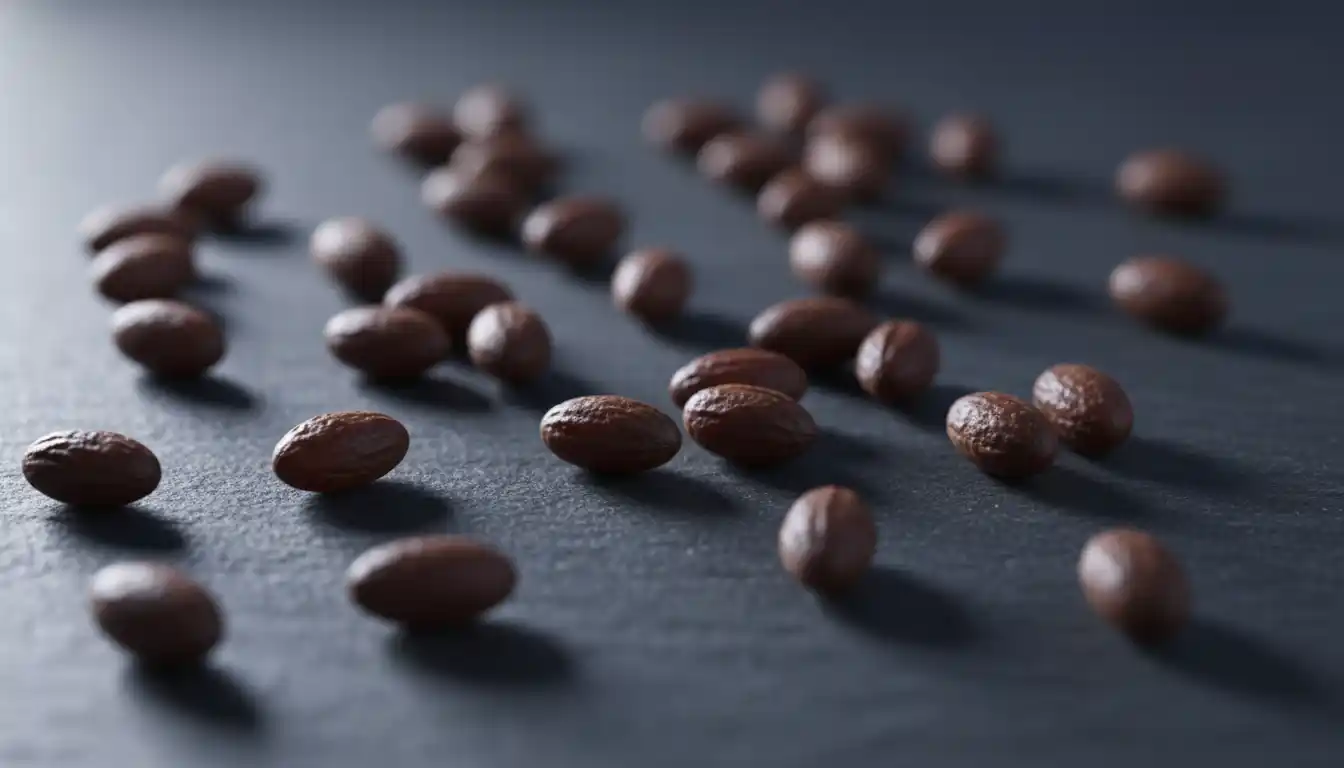
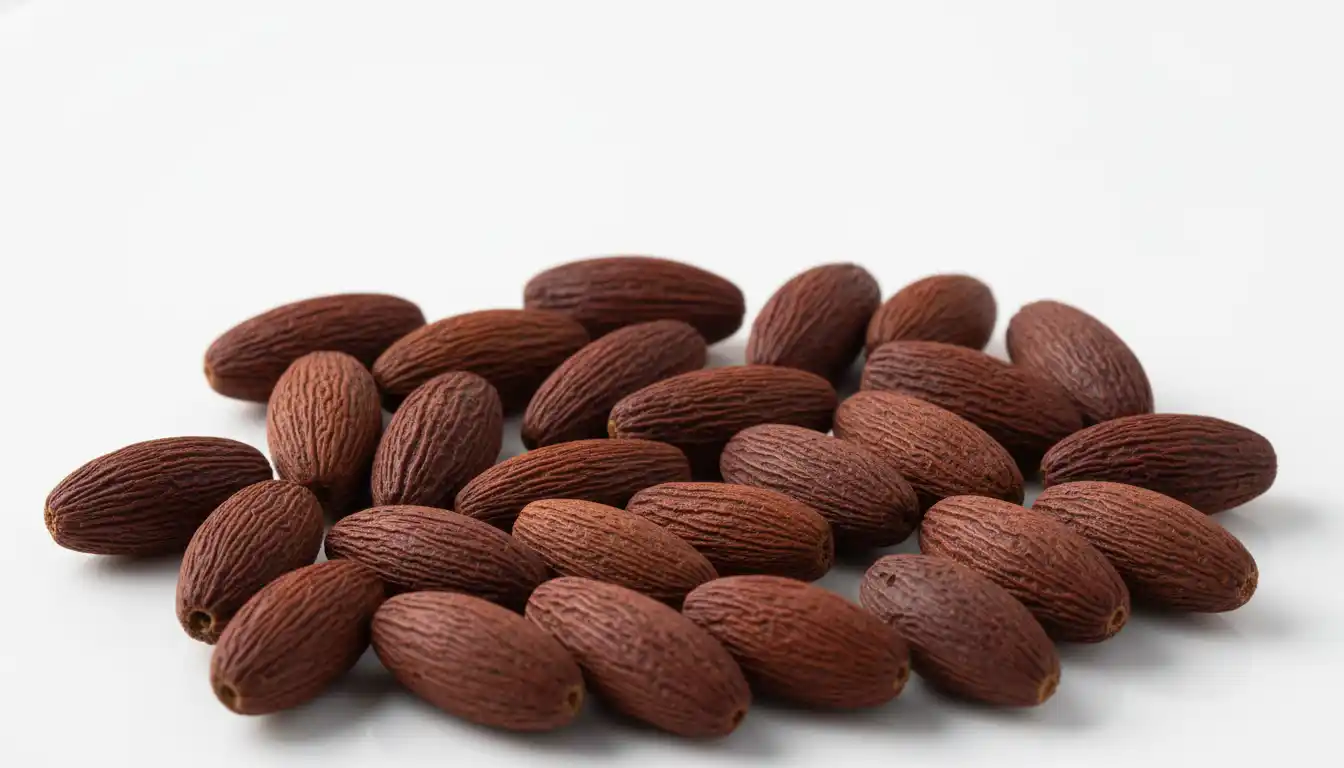
If you find small, reddish-brown, hard casings that look like brown rice, you are most likely looking at fly pupae (puparia) left behind by house flies or blow flies, which indicate that maggots have finished feeding and migrated away from a decaying source to develop into adult flies.
Identifying the Intruder: What Looks Like Brown Rice?
When analyzing “brown rice shaped bug eggs,” accuracy is paramount. Several pests leave behind evidence that fits this description, but the texture, location, and slight variations in shape tell the true story. While fly pupae are the most common culprit, you must rule out other serious threats like termites or cockroaches.
The Primary Suspect: Fly Pupae
The most accurate match for a “brown rice” description is the pupal casing of a fly. After a fly larva (maggot) has consumed enough food, it enters a wandering phase. It leaves the wet, decaying food source to find a dry, dark, and safe location to metamorphose into an adult fly. Once it settles, its outer skin hardens and darkens, turning from creamy white to reddish-brown or dark brown.
These casings are roughly the size of a grain of rice, oval with rounded ends, and have a segmented texture that becomes smoother as the shell hardens. If you find them, it means the active feeding stage is over. The presence of pupae indicates that a breeding source—something rotting—was present nearby within the last week or two. If the casing has a small hole at one end, the fly has already hatched; if it is intact, the fly is still inside.
The Structural Threat: Drywood Termite Frass
Another common misidentification involves Drywood termites. Unlike subterranean termites that build mud tubes, Drywood termites live inside the wood they eat. They push their fecal pellets, known as frass, out of “kick-out holes” in the wood. These pellets often accumulate in small piles directly below the infested wood.
To the naked eye, these piles can look like coarse sawdust, sand, or tiny brown seeds. However, under magnification, termite frass is distinct. Each pellet is hard, elongated, and has six concave sides, giving it a hexagonal shape. While generally smaller than a grain of rice, a pile of them can be mistaken for broken rice or seeds. This identification is critical because termite frass indicates active structural damage that requires immediate professional intervention.
The Pantry Pest: Indian Meal Moth Larvae
If the “rice” is found inside your pantry or near stored food, you might be dealing with Indian Meal Moths. The larvae spin silken webs and can clump together food particles. However, the pupae themselves are often wrapped in a silken cocoon located in cracks or crevices of shelving. While the pupa inside is brown and oblong, it is usually covered by the webbing.
Sometimes, the larvae themselves, which are cream-colored with brown heads, are mistaken for rice when they are still. If you see the “rice” wriggling, it is a larva. If it is a hard shell, it is a pupa. These pests are notorious for infesting grains, cereals, and pet food, making the kitchen their primary battleground.
Cockroach Egg Cases (Oothecae)
Cockroach eggs are not laid singly like rice grains; they are enclosed in a capsule called an ootheca. An American cockroach ootheca is dark brown, purse-shaped, and significantly larger than a grain of rice, often resembling a kidney bean. However, the German cockroach ootheca is smaller, lighter brown, and segmented.
While an intact ootheca doesn’t look exactly like rice, fragments of dried, hatched egg cases can be confusing. More importantly, finding these casings implies a heavy infestation, as cockroaches are cryptic and typically hide their eggs well. If you find these in the open, the population density in your home may be high.
The Science of Migration: Why They Are Where They Are
Understanding why you found these casings in a specific spot is the key to solving the problem. A unique aspect of fly biology that many sources overlook is the “post-feeding migration.” Maggots do not pupate in the food they eat because the moisture and bacteria would kill them during their vulnerable transformation.
Once fully grown, maggots instinctively migrate away from the filth. They can travel significant distances—sometimes 50 feet or more—seeking dry, cool crevices. This explains why you might find “brown rice” casings under a living room rug, behind a bookshelf, or in the corner of a bedroom, nowhere near the kitchen garbage. The presence of the casing is merely the end of the journey; the start of the journey was a decaying organic source that existed days ago.
This migration behavior is often why homeowners are baffled. They clean their kitchen spotless but find bugs in the hallway. The larvae traveled there while you weren’t looking, often at night, and then hardened into the rice-like shells you found later.
Health Risks and Implications
Finding fly pupae is more than a nuisance; it is a sanitation red flag. House flies and blow flies are vectors for numerous pathogens. They breed in fecal matter, rotting meat, and garbage. If pupae are present in your home, it means maggots were recently crawling across your floors to get there.
The pathogens they carry can include Salmonella, E. coli, and other bacteria that cause food poisoning. While the pupal casing itself is dormant and not biting, it represents a history of contamination. If the casings are from cockroaches, the risk shifts to allergens. Cockroach debris is a potent trigger for asthma and allergic reactions, particularly in children.
Termite frass carries less immediate disease risk but signifies severe financial risk. Ignoring termite droppings because they look like “dirt” or “seeds” allows the colony to continue eating the structural framing of your house, leading to thousands of dollars in repairs.
Locating the Hidden Source
To stop the cycle, you must find where the larvae came from. The pupae are the symptom; the source is the disease. You need to investigate your home like a crime scene investigator. Start by checking the most obvious areas and then move to hidden voids.
Check the bottom of garbage cans. Even with a bag, juices can leak into the bottom of the bin, creating a sludge that supports maggot development. Inspect under appliances. Food scraps kicked under a stove or refrigerator can rot unnoticed. Look for dead animals. A mouse trapped in a wall void or attic will generate maggots that eventually fall through light fixtures or vents.
Sometimes, the entry point is structural. If you have recently done renovations, check if gaps were left open. For instance, if a mounting bracket doesn’t fit the junction box correctly, it creates a small opening into the wall or ceiling cavity. Flies or other pests often utilize these voids to breed or overwinter, eventually appearing in your living space.
Comprehensive Removal Guide
Once you have identified the objects as fly pupae or a similar pest product, you need a systematic removal plan. Simply sweeping them up is not enough to ensure the infestation is gone. You must treat the area to remove bacterial traces and prevent recurrence.
Step 1: Mechanical Removal
Use a vacuum cleaner with a HEPA filter to remove the casings. This is safer than sweeping, which can flick the lightweight shells into the air or spread microscopic allergens. Vacuum cracks and crevices thoroughly using the wand attachment. Immediately empty the vacuum canister or bag into an outdoor trash bin to prevent any live pests from hatching inside the machine.
Step 2: Enzymatic Cleaning
After physical removal, clean the surfaces where the pupae were found. Since maggots traveled across this area, they likely left behind a trail of bacteria. Use an enzymatic cleaner designed for pet stains or organic waste. These cleaners break down the proteins and pheromones left behind, which neutralizes odors that might attract future pests.
Step 3: Source Elimination
If you suspect the source was a trash bin, wash it out with hot water and bleach. If the source is unclear, check for dead pests in hidden areas. Sometimes, a dead rat in the attic is the culprit. If you cannot locate the source, inspect your drains. Bio-film buildup in drains can support drain fly larvae, which also have a worm-like stage.
Preventing Future Infestations
Prevention focuses on exclusion and sanitation. You must seal the fortress that is your home. Pests are opportunistic; they need only a tiny gap to enter. Start by inspecting your windows and doors for torn screens or gaps in weather stripping.
Moisture Control
Many pests, including flies and termites, are drawn to moisture. Bathrooms are common hotspots. If you have a shower that generates a lot of steam, proper ventilation is mandatory. Ensure you have an exhaust fan with light directly above the shower to pull moisture out effectively. Reducing humidity makes your home less hospitable to insect larvae.
Sealing Wall Penetrations
Check all points where pipes or wires enter your home. Renovations often leave small imperfections that pests exploit. For example, when painting or refinishing walls, pay attention to the surface. You don’t want a paint roller leaving texture that hides small pinholes or cracks. Smooth, well-sealed walls are harder for pests to breach and easier to keep clean.
Comparison Table: Is it Rice or a Bug?
Use this table to quickly differentiate between the common “brown rice” look-alikes found in homes.
| Object/Pest | Appearance | Texture | Typical Location |
|---|---|---|---|
| Fly Pupae | Reddish-brown to dark brown, oval, rice-sized | Hard shell, smooth or slightly segmented | Under rugs, corners, behind furniture (migrated away from trash) |
| Termite Frass | Tiny, brown/tan, hexagonal pellets (smaller than rice) | Hard, gritty, sand-like | Piles on floor, window sills, directly below wood |
| Roach Ootheca | Brown to black, purse-shaped or bean-like | Leather-like, hard | Cabinets, behind appliances, glued to surfaces |
| Carpet Beetle Larvae | Brown, worm-like, hairy/bristly | Fuzzy, soft (unless it’s a shed skin) | Closets, wool carpets, under furniture |
| Sesame/Rice Seeds | White to tan, teardrop or oval | Solid, crushes into powder/paste | Kitchen, pantry, dining areas |
Final Thoughts on Home Defense
Discovering brown rice shaped bug eggs is a distinct warning signal from your home environment. While the immediate reaction is often disgust, the presence of these pupae provides you with valuable data. It tells you that a decomposition process has occurred nearby and that the cycle is nearing its end. By identifying the casings as fly pupae, termite frass, or cockroach egg cases, you move from panic to action.
Remember that the appearance of these casings in random rooms is due to the natural migration of larvae seeking a safe place to transform. Your response should be swift: vacuum thoroughly, sanitize the area with enzymes, and relentlessly hunt down the decaying organic matter that fueled the infestation. With proper identification and targeted cleaning, you can ensure that the only rice in your home is the kind boiling in your pot.