Whether you are a DIY HVAC enthusiast or managing inventory for a small contracting business, knowing the exact weight of an empty 410a cylinder (known as tare weight) is critical for calculating remaining refrigerant and ensuring safe recovery. A miscalculation here doesn’t just mess up your inventory; it can lead to dangerous overfilling of recovery tanks.
The direct answer depends on the type of tank you are holding. An empty disposable R-410A cylinder (the standard pink tank) typically weighs between 6 and 9 pounds, with 7 pounds being the industry average. However, reusable recovery cylinders are much heavier, ranging from 17 to 27 pounds depending on their size and material.
Finding the Exact Tare Weight
The term “Tare Weight” (TW) simply refers to the weight of the container when it is completely empty. While this seems straightforward, the method for finding this number changes drastically depending on whether you are using a disposable “virgin” gas cylinder or a reusable recovery tank.
Disposable Cylinders (The “Missing Stamp” Issue)
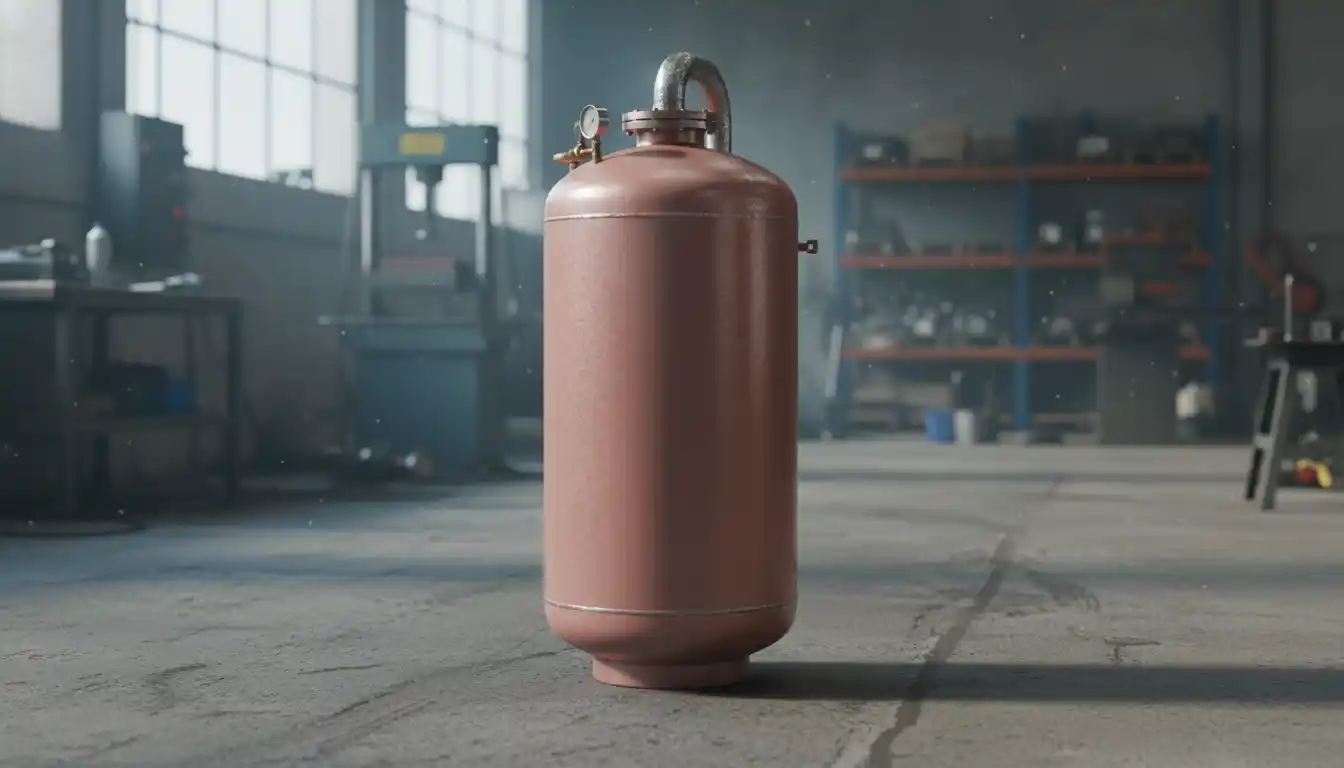
Most disposable R-410A cylinders sold in the United States contain exactly 25 pounds of refrigerant. These are the pink tanks (or sometimes gray/pink) labeled as DOT-39. The confusing part for many technicians is that manufacturers rarely stamp the tare weight on these disposable tanks. They only print the “Net Weight” (25 lbs).
If you put a partially used tank on a scale and it reads 15 lbs, how much gas is left? You can’t know for sure unless you know the weight of the steel.
The “New Box” Trick: Since the tare weight isn’t stamped, the most accurate method is to weigh a brand-new, sealed cylinder immediately upon purchase. If a full sealed tank weighs 32 lbs, and you know it contains 25 lbs of gas, the empty tank weighs exactly 7 lbs. Use a permanent marker to write this tare weight on the side of the tank immediately. This simple step saves massive headaches later when you are trying to calculate if you have enough gas for a top-off.
Recovery Cylinders (Reading the TW Stamp)
Recovery cylinders (typically yellow and gray) are treated differently because they are refilled repeatedly. By law, these heavy-duty tanks must have their specific data stamped directly into the metal collar or handle.
Look for the letters “TW” stamped on the collar. The number following it is the empty weight. For example, a stamp reading “TW 27.5” means that tank weighs 27.5 lbs when completely empty. Never guess with recovery tanks; slight variances in steel thickness mean two identical-looking tanks can differ by several pounds.
The Importance of “WC” (Water Capacity)
Next to the Tare Weight, you will often see “WC” stamped on recovery tanks. This stands for Water Capacity. While Tare Weight tells you the weight of the metal, Water Capacity helps you calculate the safe maximum fill level. You should never fill a recovery tank purely by pressure; it must be done by weight to avoid hydraulic expansion and explosion.
Why Knowing Cylinder Weight Matters
Beyond simple curiosity, knowing the weight of an empty 410a cylinder is a fundamental safety and operational skill in the HVAC trade.
Calculating Remaining Refrigerant
If you are working on a home project, such as installing sonotubes for fence posts near your condenser unit, you might decide to check your AC charge. Knowing the tare weight allows you to perform a “static check” of your inventory. If your tank weighs 12 lbs on the scale and you know the empty weight is 7 lbs, you have exactly 5 lbs of R-410A remaining. This prevents the frustration of running out of gas mid-charge.
The 80% Safety Rule
When recovering refrigerant from a system, you are pumping gas into a recovery cylinder. If you overfill this cylinder, the liquid refrigerant expands as it warms up. With no vapor space left to compress, the hydrostatic pressure can rupture the steel tank, causing a catastrophic explosion.
To prevent this, you must stop filling when the tank reaches 80% capacity. The formula requires the tare weight:
Max Gross Weight = (Water Capacity × 0.8 × Specific Gravity) + Tare Weight
Without an accurate tare weight, this safety calculation is impossible.
R-410A Cylinder Weight Chart
The following table provides average weights for common cylinder types. Always verify with your specific manufacturer, as steel thickness varies.
| Cylinder Type | Standard Gas Capacity | Approximate Empty (Tare) Weight | Typical Gross Weight (Full) |
|---|---|---|---|
| Disposable (Pink/Rose) | 25 lbs | 6 – 9 lbs | 31 – 34 lbs |
| Disposable (Small/DIY) | 5 lbs | 2 – 3 lbs | 7 – 8 lbs |
| Standard Recovery (Steel) | 30 lbs | 17 – 20 lbs | Varies by fill |
| Large Recovery (Steel) | 50 lbs | 27 – 30 lbs | Varies by fill |
Proper Disposal of Empty Cylinders
Once you have confirmed your cylinder is empty, you cannot simply toss it in the trash. R-410A is a greenhouse gas, and while the EPA is phasing it out, strict handling rules remain. Just like you wouldn’t blindly paint over RedGuard without preparation, you shouldn’t discard a tank without prepping it.
EPA Section 608 Requirements
Under EPA Section 608, it is illegal to vent any remaining refrigerant. You must connect a recovery machine to the “empty” tank and pull it down to a vacuum (typically 0 PSIG or lower) to ensure every ounce of refrigerant is removed. Even a tank that feels empty can hold residual vapor pressure that is harmful to the atmosphere.
How to “Knock Out” a Tank for Scrap
Disposable cylinders are made of valuable steel that can be recycled, but scrap yards will not accept them if they are pressurized. Once you have recovered the refrigerant:
- Open the Valve: Ensure the valve is fully open and no gas is escaping.
- Disable the Check Valve: Most disposable tanks have a one-way check valve. You may need to use a screwdriver to depress the Schrader valve stem while venting into your recovery machine.
- Puncture the Tank: This is the most critical step. Using a non-sparking pick or a special tank-punching tool, punch a hole through the side of the metal casing (marked by a designated “knockout” spot on some brands). This visually proves to the scrap dealer that the tank is at atmospheric pressure and safe to melt down.
Safety Warning: Never Refill Disposables
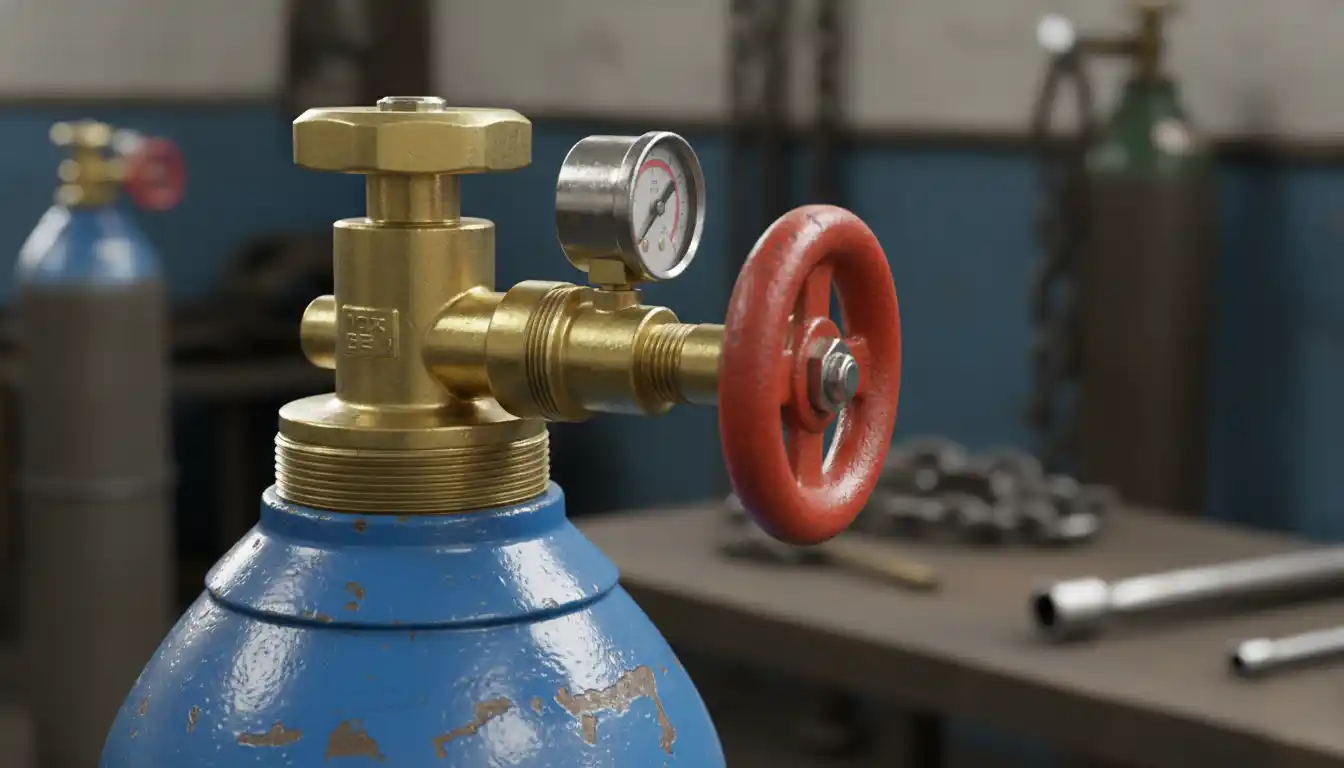
A dangerous trend among DIYers is attempting to refill pink disposable tanks to use as portable air tanks or for holding recovered gas. Do not do this. These tanks, officially DOT-39 cylinders, are engineered for “single use.” The metal is thin and not treated for corrosion protection inside. Moisture from compressed air will rust the tank from the inside out, turning it into a potential bomb. Always use proper yellow/gray recovery tanks for storing used refrigerant.
Troubleshooting Common Issues
Sometimes, despite your best efforts, the numbers don’t add up. If you are weighing a tank and the calculation suggests you have negative refrigerant, check your scale. Digital HVAC scales can drift over time. Additionally, ensure the mounting bracket doesn’t fit junction box style interferences aren’t happening with your scale platform—sometimes a cable or hose touching the ground can throw off the reading by several pounds.
Scale Calibration
If you suspect your tare weight calculation is off, test your scale with a known weight (like a dumbbell). An error of even 0.5 lbs can be significant when you are charging a critical system where precision matters.
By understanding the weight of your empty 410A cylinder, you move from guessing to precision. Mark your tanks, respect the high pressures involved, and always recycle your steel responsibly.
Frequently Asked Questions: R-410A Cylinder Weights and Recycling
What is the standard tare weight of an empty R-410A cylinder?
For a standard disposable 25-pound R-410A cylinder, the tare weight (the weight of the empty metal container) typically ranges between 6 and 8 pounds. While 7 pounds is a common average, manufacturing specifications vary slightly by brand, so it is essential to check the specific tank for accuracy.
Where can I find the exact tare weight on my specific cylinder?
The exact tare weight is permanently stamped into the metal collar or handle of the cylinder. Look for the letters “TW” followed by a number (e.g., TW 6.8 or TW 7.2). This number represents the weight of that specific tank when it is completely void of refrigerant.
How do I calculate how much refrigerant is left in the tank?
To find the remaining refrigerant level, place the cylinder on a scale to obtain the total gross weight. Subtract the stamped tare weight (TW) from the gross weight. The result is the net weight of the R-410A remaining in the cylinder.
What is the difference between a disposable cylinder and a recovery cylinder?
Disposable cylinders (DOT-39) are rose-colored, lightweight tanks designed for single use with a tare weight of 6-8 lbs. Recovery cylinders are reusable tanks (DOT-4BA/4BW), usually gray with a yellow top, built with thicker steel and dual valves, resulting in a much heavier tare weight of approximately 17 to 20 pounds for a standard 30-lb capacity vessel.
Is it legal to refill a disposable R-410A cylinder?
No, it is strictly prohibited by federal regulations to refill disposable DOT-39 cylinders. These tanks are manufactured with thinner metal that is not designed to withstand the stress of refilling, posing a significant risk of rupture or explosion. They must be properly discarded after a single use.
How do I properly prepare an R-410A cylinder for recycling?
Before recycling, you must use an EPA-certified recovery machine to remove all remaining refrigerant until the cylinder reaches the required vacuum level. Once verified empty, open the valve to equalize pressure. Many scrap yards require you to puncture the rupture disc or drill a hole in the tank to prove it is empty and safe for crushing.
Can I vent the remaining R-410A gas to empty the tank?
No, venting R-410A (a hydrofluorocarbon) into the atmosphere is illegal under Section 608 of the Clean Air Act. Intentional venting carries significant fines. All residual gas must be recovered into a compliant recovery cylinder before the disposable tank is scrapped.
What does the rose color on the cylinder indicate?
The rose (pink) color is the AHRI Guideline N color code specifically assigned to R-410A. This visual standard helps technicians quickly identify the refrigerant type to avoid cross-contamination in HVAC systems, which can cause equipment failure and safety hazards.
What is the gross weight of a brand new “25 lb” R-410A cylinder?
A “25 lb” cylinder refers to the net weight of the gas inside. To get the total shipping or carrying weight, you must add the tare weight to the net weight. Therefore, a full 25 lb cylinder typically has a gross weight of approximately 31 to 33 pounds.
What should I do if the cylinder valve is damaged and I cannot recover the gas?
If the valve is stuck or damaged and the tank still contains pressurized refrigerant, do not attempt to puncture the tank or force the valve. You should treat this as hazardous waste and contact a specialized refrigerant reclaimer or a local hazardous waste disposal facility that handles pressurized vessels.