A snowblower that refuses to start in freezing weather is frustrating. Often the problem is not the engine but a misunderstood snowblower choke symbol.
The tiny butterfly-like icon controls how much air enters the carburetor. Read it correctly, and cold starts become faster and less messy.
This guide explains the symbol, lever positions, temperature-based settings, and fixes for common choke problems. It is written for homeowners who want reliable winter yard equipment without guesswork.
What the Snowblower Choke Symbol Actually Means
The choke symbol tells the operator to restrict airflow before combustion. Less air creates a richer fuel mixture that ignites more easily in a cold engine.
It is not a fuel pump symbol, primer bulb symbol, or ignition symbol. The choke only changes the air-to-fuel ratio while the engine warms up.
On most snowblowers, the symbol appears near a lever, knob, or combined throttle control. The lever may be on the dashboard, engine shroud, or remote cable housing.
Why Cold Engines Need a Rich Fuel Mixture
Cold air is dense, and cold metal does not vaporize gasoline well. Liquid fuel droplets burn poorly, so the engine may sputter or fail to fire.
Closing the choke plate increases vacuum inside the carburetor throat. That vacuum pulls extra fuel through the main and idle circuits.
The result is a temporarily rich mixture that supports combustion until the engine reaches operating temperature. Once warm, the choke must be opened or the engine will run poorly.
How the Butterfly Icon Relates to the Choke Plate
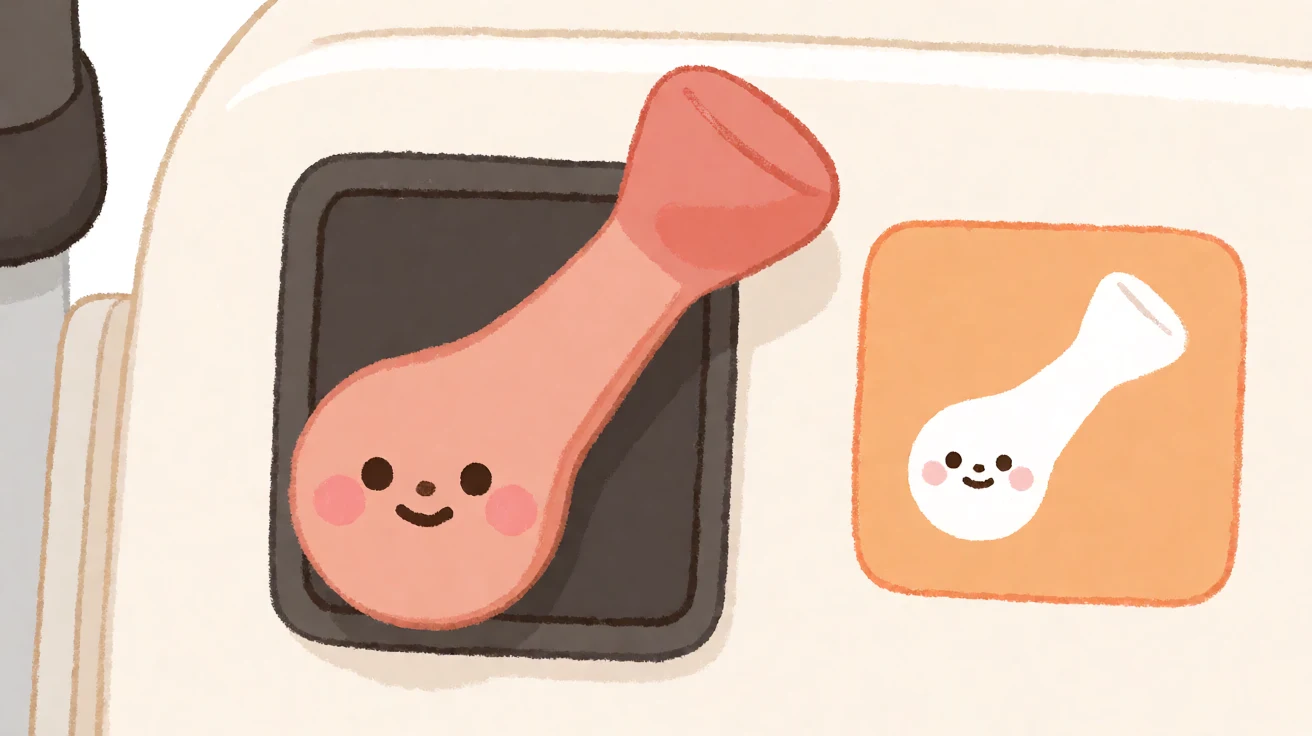
Many choke symbols resemble a butterfly valve because that is exactly what the choke is. A round or oval plate pivots inside the intake, much like a butterfly wing.
A diagonal line, closed circle, or shaded side often indicates the closed or choked position. An open circle or unobstructed line usually indicates the normal run position.
Some brands use a snowflake, the word CHOKE, or a lever detent instead of the butterfly. The meaning remains the same: rich mixture for cold starting.
Common Snowblower Choke Symbols and Lever Positions
Symbol designs vary by manufacturer, model year, and engine brand. Ariens, Toro, Craftsman, Cub Cadet, Honda, and Briggs & Stratton machines may all look slightly different.
The table below decodes the most common markings. Use it with the owner’s manual, because a worn decal or reversed lever can make a simple symbol misleading.
| Symbol or Marking | Meaning | Cold-Start Setting | Warm-Start Setting | Common Mistake |
|---|---|---|---|---|
| Butterfly valve with a closed line or shaded plate | Choke closed | Full choke | Off or open | Leaving it closed after the engine fires |
| Butterfly valve with an open line or clear circle | Choke open | Not for initial cold start | Run position | Using open choke on a freezing engine |
| Word CHOKE with arrow | Choke control | Arrow toward CHOKE | Arrow away from CHOKE | Assuming the arrow points to the run position |
| Snowflake icon | Cold-start enrichment | Full cold setting | Normal setting | Confusing it with a weather or temperature gauge |
| Primer bulb icon | Fuel primer | Push or press as directed | Usually not needed | Pressing the primer instead of moving the choke |
| Fuel shutoff valve icon | Fuel flow control | Open for starting | Open while running | Mistaking it for the choke and closing fuel flow |
| Rabbit and turtle icons | Throttle speed | Fast or rabbit for starting | Adjust to load | Using throttle as a choke substitute |
Some choke levers have detents, which are small stops you can feel. A typical sequence is FULL CHOKE, HALF CHOKE, and RUN.
Not every snowblower has a half-choke position. If no half position exists, move the lever smoothly from full choke to run after the engine stabilizes.
On certain models, the choke is automatic or linked to the throttle. In that design, moving the throttle to full may also close the choke plate.
That linked system can fool owners who search for a separate choke symbol. Check the engine manual before assuming the symbol is missing or broken.
Why the Snowblower Choke Symbol Can Be So Confusing
The choke symbol often looks like other small-engine icons. A fuel shutoff valve, primer bulb, and choke plate can all appear as circles, lines, or valves at a glance.
Decals also fade, peel, or get covered by snow and gloves. A lever may feel identical in two positions, especially when the cable is stiff from cold.
Older snowblowers sometimes have mirrored control panels. A symbol that means closed on one machine may sit on the opposite side of the lever on another.
Dashboard Symbols vs. Engine Symbols
Some snowblowers place the choke lever directly on the engine. Others route a cable to the dashboard or handlebar area.
Dashboard labels may use words, while engine labels may use only the butterfly icon. The same machine can therefore have two different visual cues.
When a decal is missing, trace the cable or linkage to the carburetor. The choke plate is usually near the air intake and moves when the lever is shifted.
Temperature Changes the Correct Choke Setting
A snowblower stored in a heated garage may need less choke than one parked in an unheated shed. Cold-soaked metal and fuel require a richer mixture.
At 30°F, full choke may be needed for only one or two pulls. At 0°F, the engine may need full choke plus a longer warm-up.
If the garage itself creaks and ticks after a cold start, that sound is usually thermal expansion rather than the engine. Homeowners can learn how to stop thermal expansion noise to separate building sounds from equipment sounds.
Step-by-Step Cold-Start Procedure Using the Choke Symbol
Correct starting is a sequence, not a single lever movement. The choke symbol is the most important clue, but fuel, primer, throttle, and ignition must also be set correctly.
Step 1: Identify the Choke Control
Look for the butterfly icon, the word CHOKE, or a snowflake marking. Confirm whether the control is a lever, knob, or combined throttle lever.
If the marking is unclear, inspect the carburetor linkage while moving the control. The part that closes off airflow is the choke plate.
Step 2: Set Fuel and Ignition
Turn the fuel shutoff valve to the open position if the machine has one. Make sure the ignition switch or key is in the run or start position.
Check that the fuel tank has fresh gasoline. Stale fuel can defeat even a perfectly set choke.
Step 3: Prime Only If the Manual Says So
Some snowblowers have a primer bulb; many do not. Pressing a primer too many times can flood the engine before the choke is even used.
Follow the manual for primer count. Cold temperatures may require one extra press, but more is not always better.
Step 4: Move the Choke to Full
Push or slide the choke control to the full choke position shown by the symbol. The lever should feel seated in its detent or stop.
On linked throttle systems, move the throttle to the fast or rabbit position if that also engages the choke. Confirm the choke plate is closed.
Step 5: Start the Engine
Pull the recoil handle firmly or press the electric start button. Use short, controlled attempts rather than endless cranking.
If the engine coughs but does not run, it is close to firing. Move to half choke and try again.
Step 6: Open the Choke as the Engine Warms
Once the engine runs smoothly, move the choke from full to half, then to run. Do this gradually to avoid stalling.
Leaving the choke on creates black smoke, fouled plugs, and rough running. The symbol is a starting aid, not a permanent setting.
Temperature-Based Choke Tips for Reliable Winter Starts
Snowblower starting is different at 35°F than at -10°F. The choke setting and warm-up time should reflect the actual conditions.
In mild cold, start with full choke but move it off quickly. In deep cold, allow a longer half-choke warm-up before taking load.
An electric start does not remove the need for choke. The starter spins the engine faster, but the fuel mixture still needs enrichment.
If three pulls with full choke produce no fire, turn the choke off and wait a minute. Then try again with no choke or half choke to clear a possible flood.
Heated Garage vs. Outdoor Storage
A snowblower kept above freezing may need only half choke on a cold day. A machine left outside may need full choke and a longer warm-up.
Let the engine idle for a minute before engaging the auger or drive. Cold oil is thick, and sudden load can stall a rich-running engine.
Keep the fuel fresh and the carburetor clean. The choke symbol cannot compensate for old gasoline or a clogged jet.
Manual, Automatic, and Semi-Automatic Choke Systems
Not every snowblower uses a manual choke lever. Some engines have automatic or semi-automatic chokes that adjust enrichment based on temperature.
A manual choke gives the operator direct control through a lever or knob. The choke symbol and detents show how far to move the control.
An automatic choke uses a thermostatic spring, electric heater, or vacuum diaphragm. It may have no choke symbol because the system adjusts itself.
Semi-automatic designs may set the choke when the throttle is moved. They often return to run as the engine warms or as the operator moves the lever.
Automatic chokes can fail rich or lean. Black smoke, hard cold starts, and plug fouling may point to a stuck automatic choke mechanism.
How to Test Choke Plate Movement
Remove the air filter housing carefully and locate the choke plate. Move the choke control and watch whether the plate closes and opens fully.
If the plate does not move, inspect the cable, spring, and linkage. A frozen or kinked cable is common after seasonal storage.
If the plate moves but the engine does not react, the problem may be inside the carburetor. A clogged jet or worn gasket can override the choke’s effect.
In freezing weather, ice can block the choke plate. Let the machine thaw in a heated space before forcing the lever.
Choke Symbol vs. Other Snowblower Icons
Misreading one icon can lead to flooding, no-start conditions, or unnecessary repairs. Compare the choke symbol with the other common controls before starting.
Primer Bulb Symbol
The primer bulb is a small rubber pump that squirts fuel into the intake. Its icon often looks like a bulb, circle, or droplet.
Priming adds fuel mechanically, while choking restricts air. Using both excessively can flood the engine.
Fuel Shutoff and On/Off Symbols
A fuel valve symbol often resembles a petcock or a line with a lever. It controls whether gasoline flows from the tank to the carburetor.
If the fuel valve is closed, the engine will not run no matter where the choke lever sits. Confirm open flow before blaming the choke.
Throttle, Rabbit, and Turtle Symbols
The rabbit means fast engine speed, and the turtle means slow speed. Neither symbol is a choke symbol on most snowblowers.
Some linked systems use the throttle lever to activate the choke. In that case, the rabbit position may also enrich the mixture during cold start.
Ignition and Start Symbols
Ignition symbols include a key, a circle with a line, or an on/off switch. These controls manage spark, not air or fuel mixture.
If the ignition is off, the engine will not fire even with full choke. Check the simple controls before removing the spark plug.
How to Read the Choke Symbol When the Decal Is Gone
A missing decal does not make the choke control impossible to identify. The lever’s travel, linkage, and engine response provide strong clues.
Trace the control cable to the carburetor and watch for a plate that blocks airflow. That plate is the choke, not the throttle or fuel valve.
Choke levers usually have two or three detents with a short travel. Fuel shutoff valves often turn 90 degrees and feel very different.
Once the correct control is confirmed, mark the choke and run positions with paint or weather-resistant tape. This simple step prevents future cold-start confusion.
Common Cold-Start Mistakes That Damage Snowblowers
Holding the starter for long periods can overheat the electric starter. Use short bursts and let the starter cool between attempts.
Over-priming floods the engine and can wash oil from the cylinder wall. Follow the manual’s primer count instead of guessing.
Revving a cold engine before warm-up increases wear. Let the engine idle for a minute before engaging the auger or drive.
Leaving the choke on after warm-up causes carbon buildup and spark plug fouling. Move the choke to run as soon as the engine stabilizes.
Using starting fluid on a snowblower engine can damage internal parts. Avoid it unless the engine manual specifically allows it.
Troubleshooting When the Choke Symbol Does Not Solve the Problem
A correct choke setting should improve cold starting. If the engine still fails, the issue may be fuel, spark, compression, or a mechanical choke fault.
Engine Flooded
Flooding symptoms include a strong gasoline smell, black smoke, and a wet spark plug. The engine has too much fuel and not enough air.
Move the choke to off, hold the throttle open, and crank the engine to clear excess fuel. Wait several minutes before trying again.
If flooding happens often, reduce primer presses and use less choke. A needle and seat problem in the carburetor can also cause rich running.
Choke Lever Stuck or Cable Broken
A choke lever should move with light resistance and click into detents. If it moves freely with no effect, the cable or linkage may be disconnected.
Inspect the cable at the carburetor while a helper moves the control. Replace kinked, rusted, or stretched cables rather than forcing the lever.
On manual choke engines, a return spring may be broken. That can leave the choke partially closed and cause rich running after warm-up.
Carburetor and Fuel Delivery Problems
An engine that only runs with the choke on is usually running lean. It needs more fuel because a jet, passage, or gasket is restricted.
Clean the carburetor, replace worn gaskets, and check the fuel line for cracks. Ethanol fuel can leave varnish that blocks tiny idle and main jets.
Do not repair a gasoline line with household plumbing parts. It is fine to join PVC pipe with a rubber coupling for non-fuel drain lines, but fuel systems require fuel-rated hose and clamps.
Spark Plug and Ignition Issues
Remove the spark plug and check for spark while grounding it against the engine. A weak or absent spark will prevent starting regardless of choke.
Inspect the plug for black soot, oil, or wet fuel. Replace the plug with the correct gap and type recommended by the engine manual.
Compression and Valve Problems
Low compression can mimic a choke problem because the engine cannot draw fuel properly. A compression tester can confirm whether the cylinder is sealing.
Hard starting, popping, or oil smoke may point to valve or piston ring issues. Those repairs are usually best handled by a small-engine technician.
Maintenance Tips to Keep Choke Starting Reliable
Annual maintenance keeps the choke symbol meaningful and the cold-start procedure predictable. A clean carburetor and free-moving linkage matter more than a perfect decal.
Inspect the choke plate for gum, ice, or corrosion before each season. It should close fully when the lever is in the choke position and open fully in run.
Lubricate the choke cable with a cable-specific lubricant, not heavy grease. Heavy grease can stiffen in freezing temperatures and prevent full movement.
Use fresh fuel with stabilizer, or drain the system before off-season storage. Old fuel is a leading cause of lean running and choke-only operation.
Replace the spark plug, air filter, and fuel filter at the intervals in the manual. Small, inexpensive parts prevent most winter starting failures.
Storage, Garage Layout, and Seasonal Readiness
A snowblower stored in a dry, accessible spot is easier to start and maintain. Damp storage encourages rust in cables, linkages, and the carburetor.
Keep the owner’s manual with the machine or save a digital copy. The manual shows the exact choke symbol and starting sequence for the model.
If a decal is worn, photograph the control panel before cleaning. Use the photo to label the lever with paint or tape if the original symbol is gone.
When finishing a garage wall for shelves or hooks, proper drywall technique prevents cracks and sag. A guide on how to hang drywall on 10-foot walls can help create a sturdy storage wall.
Keep fuel, oil, and spare plugs on a shelf away from the machine. That reduces clutter and makes seasonal prep faster.
When to Replace the Choke Control or Carburetor
Some choke problems are not worth repeated repairs. A cracked lever, seized shaft, or badly worn carburetor may need replacement.
Use OEM or exact-fit parts whenever possible. Generic cables may not have the correct travel to open and close the choke plate fully.
After replacement, adjust the cable so the choke closes completely when engaged. It must also open completely when the control returns to run.
If adjustment is unclear, have a small-engine shop set the linkage. A choke that never opens fully can cause poor fuel economy and spark plug fouling.
Frequently Asked Questions About the Snowblower Choke Symbol
Is the choke symbol the same as the primer bulb symbol?
No. The choke symbol controls airflow and enriches the mixture by vacuum. The primer bulb symbol controls a manual fuel pump that squirts extra gasoline into the intake.
Some machines have both controls, while others have only one. Using both incorrectly can flood the engine.
Should the choke be on or off for a warm snowblower?
A warm engine usually needs little or no choke. Start with the choke off or at half if the machine has been sitting in cold air.
Full choke on a warm engine often causes black smoke, rough running, and a flooded condition.
What does a butterfly symbol mean on a snowblower?
A butterfly symbol represents the choke plate inside the carburetor. It indicates the control that restricts air for cold starting.
The closed or shaded side usually means choke on. The open side usually means normal run.
Why does my snowblower only run with the choke on?
The engine is likely running lean and needs more fuel. A clogged carburetor jet, vacuum leak, or weak fuel pump can cause this symptom.
Clean the carburetor and inspect fuel lines before assuming the choke symbol is wrong. Running with the choke on long-term can foul the spark plug.
Can a snowblower start without choke in cold weather?
It is possible but uncommon for a cold engine. Some fuel-injected or electronically controlled engines manage enrichment automatically.
Most carbureted snowblowers need at least partial choke when temperatures are near or below freezing.
Does electric start change how the choke symbol is used?
Electric start spins the engine faster but does not warm the intake. The choke is still needed for the first cold start.
Release the starter promptly once the engine fires. Then reduce the choke gradually as the engine warms.
Final Checklist for Reading the Snowblower Choke Symbol
Confirm the symbol is the choke and not the primer or fuel valve. Check that the fuel is fresh and the ignition is on.
Set the choke to full for a cold engine, then move to half or run as it warms. If the engine floods, turn the choke off and clear the excess fuel.
If the lever does not change engine behavior, inspect the cable, linkage, and carburetor. A snowblower that only runs with choke on needs fuel-system service.
Keep the control panel clean and the manual handy. With the right symbol reading and a simple starting routine, winter yard work becomes far less frustrating.