Keeping pipes from freezing when hosting guests takes a little planning, because a full house changes how water is used and how heat moves through the home. Extra showers, laundry, dishwasher cycles, and doors propped open can stress plumbing in exterior walls or unheated spaces. A few focused checks before guests arrive can reduce the chance of a frozen line, a burst pipe, or an unexpected plumbing emergency during the visit.
The practical approach is to identify vulnerable pipes, keep heat consistent, protect exterior walls and fixtures, and give guests simple guidance. You do not need to remodel the plumbing or monitor every faucet. You do need to think about the cold spots that are easy to overlook when the house is busy and the weather turns sharply colder.
Why Hosting Guests Raises the Risk of Frozen Pipes
Guests bring more water use and more traffic through the home. Extra showers and laundry loads are usually fine, but they can reveal a slow drain or a weak shutoff valve that was not obvious during quiet weeks. More importantly, guests may close registers, shut doors to unused rooms, or adjust the thermostat without realizing how those choices affect pipes in exterior walls.
Hosting also changes heat distribution. A guest room that stays closed may run cooler than the rest of the house, and a bathroom on an exterior wall may lose heat when the door is kept shut. If cabinet doors under a sink stay closed and the room is cool, the pipes behind them have less warm air to draw on during a cold snap.
Holiday travel adds another layer. You may leave for part of the holiday, or guests may arrive and depart at different times, which means the house is sometimes full and sometimes empty. A heating setback that feels reasonable when the house is occupied can be too aggressive when the weather drops and no one is home to notice a problem.
Identify Vulnerable Pipes Before Guests Arrive
Walk through the house and list the plumbing locations that are most exposed to cold. Exterior walls, unheated basements, crawlspaces, garages, attics, and cabinet spaces against outside walls are common trouble spots. Outdoor hose bibs, irrigation lines, ice maker supply lines, and any plumbing in a bonus room over a garage deserve attention too.
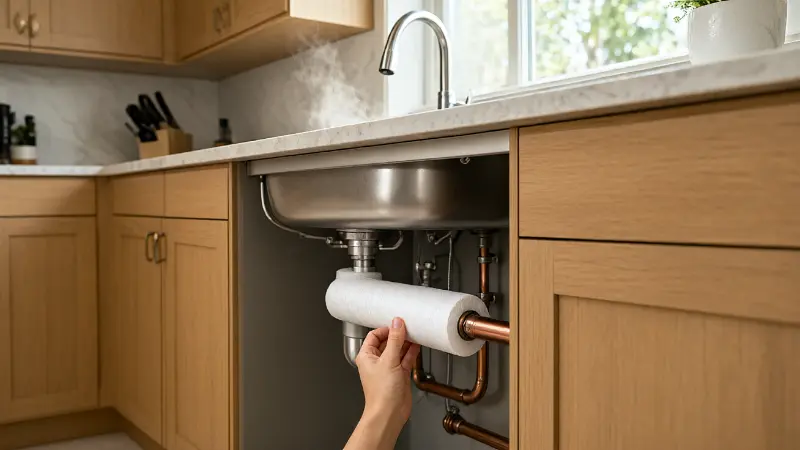
Look under kitchen and bathroom sinks, especially on exterior walls. Check whether the pipes are insulated, whether cold air can enter through gaps around the cabinet, and whether the cabinet doors are normally kept closed. In basements and crawlspaces, look for pipes near foundation vents, drafty rim joists, or unheated stairwells.
Find the main water shutoff and show another adult in the household where it is located. Confirm that the valve turns and that everyone knows how to shut off water in an emergency. If you have individual shutoffs for outdoor spigots or a seasonal irrigation system, label them so you are not guessing when the weather turns cold.
Check for existing damage before guests arrive. A pipe that has already frozen and thawed may show slight bulging, pinhole leaks, or water stains. A supply line that drips under the sink can worsen with extra use. Addressing small issues early is easier than handling them when guests are waiting for a bathroom.
Set the Thermostat for Consistency, Not Extremes
Keep the home at a steady temperature rather than making large setbacks during cold weather. A modest overnight setback may be fine for comfort and energy use, but a deep setback can leave exterior-wall pipes closer to freezing. The right setting depends on your home, insulation, and climate, so use a conservative approach when a hard freeze is forecast.
Do not rely on a single thermostat reading to judge the whole house. A hallway thermostat may stay comfortable while a bathroom on an exterior wall runs colder. Check guest rooms and bathrooms with a simple room thermometer, and adjust dampers or registers so those spaces receive some heat.
Keep interior doors open enough to allow air circulation, especially in rooms with plumbing on exterior walls. If a guest prefers a closed bedroom door, make sure the room still has a working heat supply and that the bathroom it uses is not cut off from warmth. Avoid blocking registers with furniture, luggage, or bedding.
If you use a smart thermostat, confirm that its schedule will not drop the temperature unexpectedly while you are out or asleep. Check the battery or power connection, and make sure the app is working before the holiday. A thermostat that loses power or reverts to a default schedule can undo your planning.
Protect Exterior Walls and Cabinet Spaces
Open the cabinet doors under sinks on exterior walls during cold snaps so room air can reach the pipes. This is especially useful in kitchens and bathrooms that are used less often or that sit on the windy side of the house. Move cleaning supplies and fragile items out of the way so guests do not knock them over when reaching for a towel.
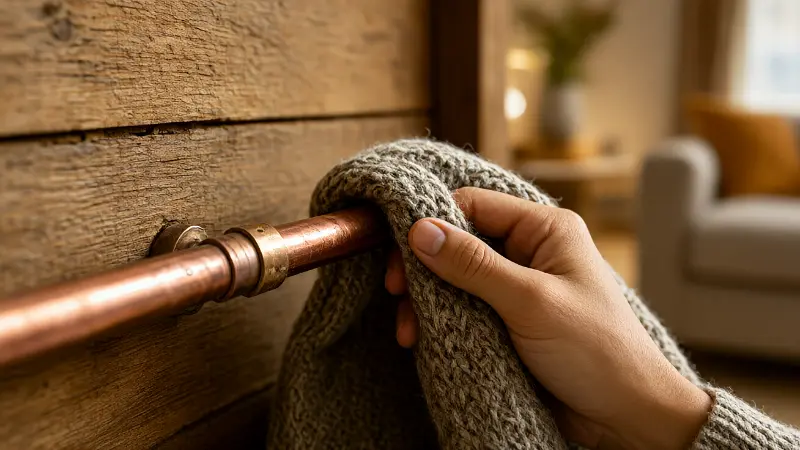
Add pipe insulation to accessible supply lines if the pipes are bare and you can reach them safely. Foam sleeves are common for straight runs, and proper pipe insulation can reduce heat loss. Do not cover electrical junction boxes, and do not wrap a water heater or exhaust vent in a way that blocks clearances required by the manufacturer.
Seal obvious drafts around cabinet penetrations, foundation vents, and rim joists with appropriate materials. A blast of cold air directed at a supply line can matter more than the general room temperature. Use caulk, foam, or weatherstripping that suits the surface, and avoid sealing combustion air openings or vents that must remain open.
If you use heat tape or pipe heating cable, choose a product listed for the application and follow its instructions exactly. Plug it into a circuit that can handle the load, and do not wrap cords around pipes in a way that creates a hazard. Heat tape is not a substitute for insulation and a sensible thermostat setting, and it should not be used on every pipe without understanding the product.
Manage Guest Bathroom and Laundry Water Use
Ask guests to run a trickle of water in the bathroom faucet during the coldest nights if the sink is on an exterior wall. A slow drip can help keep water moving and reduce pressure buildup if a line begins to freeze. It is not a guarantee, but it is a low-cost precaution when temperatures drop well below freezing.
Make sure guests know where the bathroom shutoff valves are and how to report a leak. A guest may notice a slow drip under the sink before you do. Leave a small note or mention it during the house tour so they feel comfortable speaking up rather than ignoring a problem.
Spread out laundry and dishwasher use if the plumbing runs through a cold space. Running several hot-water appliances at once can tax the water heater and increase water use, but the bigger issue is often the supply lines in unheated areas. Check the laundry area for drafts and make sure the washer hoses are not pinched or exposed to freezing air.
If a guest bathroom is rarely used, run the faucets and shower briefly before guests arrive. This confirms the water is flowing and gives you a chance to spot a slow drain or a leak. A dry P-trap can also allow sewer gas into the room, so running water helps restore the trap seal.
Prepare Outdoor Spigots and Irrigation Lines
Disconnect garden hoses from outdoor spigots before freezing weather arrives. A hose left connected can trap water in the faucet and cause the pipe behind the wall to split. Drain the hose and store it so it does not hold water through the winter.
If your outdoor faucets are frost-proof sillcocks, remove hoses and let them drain according to the manufacturer’s design. If they are standard spigots with a shutoff valve inside, turn off the indoor valve and open the outdoor faucet to drain the remaining water. Insulated covers can help, but they work best when the faucet is already drained and the cover fits properly.
Blow out irrigation systems according to the system manufacturer’s instructions or hire a professional before the first hard freeze. Sprinkler lines, backflow assemblies, and valve boxes can hold water in low spots. Do not assume that a mild forecast means the system is safe, especially if you live where temperatures can drop quickly overnight.
Coordinate Other Holiday Prep and Repairs
Pipe protection is one part of getting the house ready for guests. While you are checking plumbing, confirm that the heating system is ready for extra use and that the guest areas will stay warm. A Thanksgiving furnace check before guests can reveal airflow or thermostat issues before they affect guest rooms and bathrooms.
Use a written walkthrough so small tasks do not get lost in the holiday rush. A holiday hosting home repair checklist can help you group plumbing, heating, and safety checks by room. Keep the list realistic, and leave enough time to test repairs before the house fills up.
Inspect toilets and supply lines as part of the same walkthrough. A loose toilet or a high flange can cause wobble, leaks, or wax seal problems, and a toilet flange above floor fixes guide can help you understand when a repair needs attention. Do not start a major plumbing project right before guests arrive unless you have a clear plan and a professional available if needed.
If You Leave During the Holiday
Do not shut off the heat completely if freezing weather is possible. Set the thermostat to a conservative temperature that keeps the house above freezing, and ask a neighbor or friend to check on the house if you will be away. A small heating bill is usually preferable to a burst pipe and water damage.
If you plan to shut off the water while away, understand the risks. Shutting off the main valve reduces the chance of a major leak, but it does not remove water already in the pipes and fixtures. In some homes, draining the system properly is more involved, and a plumber can advise you on the best approach for your plumbing layout.
Keep a house key with a trusted person who can respond if the heat fails or a leak is suspected. Give them the HVAC company’s number and the location of the main shutoff. A quick response can limit damage if a pipe freezes while no one is home.
Recognize the Signs of a Frozen or Burst Pipe
A faucet that produces little or no water during cold weather can be an early sign of a frozen line. Other clues include frost on an exposed pipe, a toilet that will not refill normally, or a faint hissing or banging sound in the walls. If you suspect a frozen pipe, keep the faucet open and apply gentle heat to the affected area if it is safely accessible.
Use a hair dryer on a low setting, a portable heater positioned safely, or warm towels to thaw a pipe gradually. Do not use an open flame, a blowtorch, or a high-powered heat gun near plumbing, insulation, or framing. Never leave a space heater unattended, and keep it away from water and flammable materials.
If a pipe bursts, shut off the main water valve immediately if it is safe to do so. Turn off electricity to any wet area at the breaker if water is near outlets or appliances, and call a plumber. Document the damage with photos for insurance if needed, but put safety first and avoid standing in water near electrical equipment.
Quick Reference: Freeze Protection by Area
The table below summarizes common trouble spots and practical first steps. The guidance is general, so adapt it to your home’s layout, insulation, and climate. When in doubt, choose the more conservative setting and call a professional for gas, electrical, or major plumbing work.
| Area or Fixture | Why It Is Vulnerable | Preventive Action | Warning Sign |
|---|---|---|---|
| Kitchen sink on exterior wall | Cabinet air may stay cold and pipes may be poorly insulated | Open cabinet doors; add pipe insulation; drip faucet in severe cold | Slow flow or frost on supply line |
| Guest bathroom sink and toilet | Closed door and exterior wall reduce warm air reach | Keep door open when possible; confirm heat supply; run water briefly | Toilet refills slowly or faucet sputters |
| Outdoor hose bib | Water trapped in faucet or pipe can freeze and split metal | Disconnect hose; drain faucet; use proper insulated cover | Hose still connected or faucet drips |
| Laundry supply lines | Washer hoses in cold garage or utility area can freeze | Check area for drafts; insulate accessible pipes; avoid deep setbacks | Washer fills slowly or hoses feel stiff |
| Crawlspace or basement piping | Drafty vents and unheated air expose pipes | Seal drafts; insulate pipes; keep foundation vents clear but not blasting pipes | Frost or condensation on pipes |
| Irrigation system | Trapped water in valves and low spots can freeze | Blow out system or hire a professional before hard freeze | Visible water in valve boxes after shutdown |
| Ice maker supply line | Small tubing behind refrigerator can freeze in cold kitchens | Check routing; keep refrigerator area warm; inspect for kinks | Ice maker stops working or line leaks |
Use the table as a starting point, then check the specific pipes in your home. A short walkthrough with a flashlight can reveal gaps, missing insulation, or a hose bib you forgot. If a pipe is inaccessible or the repair involves soldering, gas, or electrical work, call a qualified professional.
Give Guests Simple, Clear Guidance
A short house tour can prevent many problems. Show guests the thermostat, the bathroom fan switch, and the location of extra towels. Mention that cabinet doors under exterior-wall sinks may stay open during cold nights, and ask them to report any leak, slow drain, or lack of hot water.
Keep the guest bathroom stocked with a small towel or mat for drips, and make sure the trash can is easy to find. A tidy room encourages guests to tell you if something is wrong rather than working around it. Small communication now can prevent a larger plumbing surprise later.
If guests include young children, check that they cannot reach plumbing shutoffs or play with faucets unattended. Keep cleaning chemicals and drain tools out of reach. Safety around water and electrical outlets matters even more when the house is full and routines are disrupted.
Conclusion
Keeping pipes from freezing when hosting guests comes down to preparation and awareness. Identify vulnerable lines, keep the heat consistent, open cabinet doors on exterior walls, and prepare outdoor spigots before the cold arrives. Give guests simple guidance so they can help you notice problems early.
A steady thermostat, sensible water use, and a quick walkthrough can reduce risk without turning the holiday into a plumbing project. Know where the main shutoff is, watch for slow drains or sputtering faucets, and use gentle heat only if a pipe begins to freeze. Call a professional for gas, electrical, or major plumbing work.
The goal is a comfortable visit and a house that handles cold weather gracefully. Do the important checks ahead of time, keep the plan simple, and respond quickly if something looks wrong. That approach protects your plumbing and lets you focus on the people around the table.