Transforming an unfinished basement can add significant living space and value to a home. However, basements present unique challenges that differ greatly from renovating upstairs rooms. Homeowners often grapple with issues like persistent dampness, chilly temperatures, potential for mold growth, and the sheer complexity of traditional construction below grade.
Many seek solutions that promise to overcome these hurdles efficiently and effectively. The Owens Corning Basement Finishing System (OCBFS) frequently emerges as a highly specialized option. This system aims to address common basement problems with a unique approach to materials and installation.
The Persistent Problem: Why Basements Are So Tricky to Finish
Basements are inherently different from other areas of a house due to their subterranean nature. They are in direct contact with the earth, making them susceptible to moisture intrusion and temperature fluctuations. These conditions create a challenging environment for conventional building materials like drywall and wood framing.
Excess humidity can lead to condensation on cold surfaces, fostering an ideal breeding ground for mold and mildew. This can result in musty odors, poor air quality, and damage to finishes. Structural considerations and limited natural light also add layers of complexity to any basement renovation project.
Traditional basement finishing can be a lengthy, messy process, involving extensive framing, insulation, drywall installation, and painting. This often disrupts daily life for weeks or even months. Homeowners are constantly searching for alternatives that offer a quicker, cleaner, and more durable solution tailored to the basement environment.
Understanding the Owens Corning Basement Finishing System
Owens Corning recognized the distinct challenges of basement environments and developed a specialized finishing system. Launched in 2001, the OCBFS is often described as a “soft-wall system.” It utilizes a unique combination of materials designed specifically for below-grade conditions.
The core of the system consists of lightweight, R-11 fiberglass panels. These panels are not only insulated but are also designed to resist mold and mildew growth. Unlike organic materials such as wood and drywall, the inorganic composition of OCBFS panels does not provide a food source for mold.
Instead of traditional wood studs, the system uses PVC lineals and foamed PVC trim moldings. These components replace conventional framing and trim, snapping together to hold the panels in place. This innovative approach ensures that the entire wall system is resistant to moisture and rot.
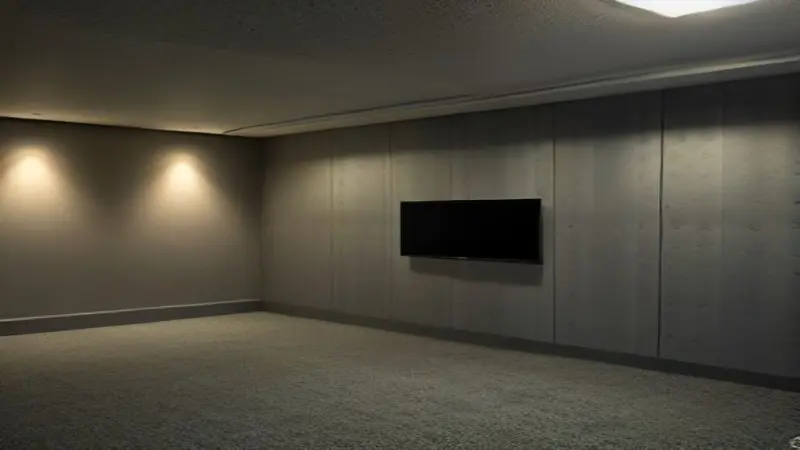
A key advantage of the OCBFS is its rapid installation time, typically completed in about two weeks. This significantly reduces the disruption associated with traditional renovations. The system also includes suspended ceiling options with acoustic panels.
These ceilings hide unsightly plumbing and electrical work while allowing for easy access for future maintenance or upgrades. The overall design prioritizes both functionality and aesthetics.
The Promise vs. Reality: What Reviews Reveal
Many homeowners considering the Owens Corning Basement Finishing System turn to reviews for insights. Experiences vary, but several common themes emerge regarding the system’s performance and the overall renovation process.
The Positives: Speed, Durability, and Comfort
A frequently praised aspect of the OCBFS is its remarkable installation speed. Many customers report their basements being completely transformed in as little as two to three weeks. This is a stark contrast to the months often required for traditional drywall methods.
The system’s inherent resistance to mold and mildew is a major draw for homeowners. Basements are prone to dampness, and knowing the finishing materials won’t support mold growth offers significant peace of mind. The fiberglass panels are designed to breathe, allowing moisture to pass through rather than trapping it.
Energy efficiency and improved sound dampening are also highlighted benefits. The R-11 insulated panels contribute to a warmer basement in winter and a cooler one in summer, potentially leading to energy savings. The high Noise Reduction Coefficient (NRC) means the panels effectively absorb sound, creating a quieter living space.
Another unique advantage is the easy accessibility to foundation walls, wiring, and plumbing. The panels are designed to be removable, allowing for inspections or repairs without destructive demolition. This feature is invaluable for long-term home maintenance.
The system also comes with a limited lifetime transferable warranty. This provides an additional layer of assurance regarding the product’s longevity and performance. Such warranties are a testament to the manufacturer’s confidence in their specialized materials.
The Challenges: Cost, Customization, and Dealer Variability
While the benefits are substantial, some common concerns appear in Owens Corning basement reviews. The most frequently cited challenge is the upfront cost. The OCBFS is generally considered a premium product and can be significantly more expensive than traditional drywall finishing.
Initial estimates for a finished basement using this system can range from $50 to $70 per square foot. This price point often leads homeowners to weigh the long-term benefits against the immediate investment. It is crucial to understand what is included in these costs, as flooring is typically not part of the system.
Customization options have historically been a point of contention. The original OCBFS offered limited color and texture choices, and panels had visible seams. This could restrict design flexibility for homeowners desiring a highly personalized space.
However, Owens Corning has introduced the “Unlimited” system, which features paintable panels. This innovation addresses the desire for greater aesthetic control, allowing homeowners to customize their basement’s look. Still, hanging heavy items on the soft walls may require special fasteners or reinforcement.
The quality of the dealer and installation crew can significantly impact the overall customer experience. Since the system requires certified installers, the professionalism, communication, and attention to detail of the local contractor are paramount. Reviews suggest that experiences can vary based on the specific company performing the installation.
Beyond the System: Addressing Key Concerns for a Successful Basement Finish
Even with a specialized product like the Owens Corning Basement Finishing System, a successful basement renovation hinges on addressing fundamental issues. Proactive planning and preparation are non-negotiable for long-term satisfaction and preventing costly future problems. This is where true originality in basement finishing lies, focusing on comprehensive solutions that go beyond surface-level aesthetics.
Moisture Management: The Absolute Foundation
Before any finishing system is installed, thorough moisture remediation is paramount. No basement finishing product, regardless of its mold resistance, can compensate for active water intrusion or persistently high humidity. Ignoring these issues will inevitably lead to problems.
Begin by inspecting your foundation for cracks and sealing any visible entry points. Ensure your exterior drainage is optimal, with proper grading sloping away from the house, and clean, extended gutters and downspouts. These external measures are often the first line of defense against water seepage.
Interior drainage systems, such as French drains and sump pumps, are critical for managing water that does penetrate the foundation. A high-quality sump pump system can prevent flooding and protect your investment. Regular testing of your sump pump is a simple but vital maintenance task.
Controlling indoor humidity is equally important. Basements should maintain relative humidity levels between 30% and 50% to inhibit mold growth. A properly sized dehumidifier is an essential tool for achieving this.
Ensure any moisture-producing appliances, like clothes dryers, are properly vented to the outside. Good air circulation also helps dissipate moisture, so consider fans or improving your HVAC system’s basement returns. For comprehensive air quality solutions, understanding components like those found in Carlin gas conversion burner troubleshooting can offer insights into maintaining all your home’s systems efficiently.
Long-Term Value and Investment
While the Owens Corning system has a higher upfront cost, its long-term benefits can justify the investment. These include enhanced energy efficiency, reduced risk of mold-related issues, and the durability of the materials. The system’s robust construction means less upkeep and fewer surprising issues down the road.
The transferable lifetime warranty also adds significant value, especially if you plan to sell your home in the future. This can be a compelling selling point for potential buyers. It signals a well-thought-out and durable basement renovation.
Choosing the Right Installer
The success of your OCBFS project heavily relies on the expertise of the installation team. It is crucial to work with Owens Corning certified contractors who have extensive experience with the system. Look for companies with strong local reviews and a proven track record.
A good installer will conduct a thorough assessment of your basement, clearly explain the process, and provide a detailed quote. They should also be transparent about what is and isn’t included in the system, such as flooring options. Effective communication throughout the project is key to a smooth experience.
Alternatives to Consider for Your Basement Project
The Owens Corning system is just one approach to basement finishing. Depending on your budget, DIY inclination, and specific basement conditions, other methods might be suitable. Exploring these alternatives can help you make the most informed decision for your home. This is particularly relevant when sourcing materials, where knowing if a supplier like SupplyHouse.com is legit can be helpful for DIYers.
Traditional Drywall Finishing
Traditional drywall involves framing with wood or metal studs, adding insulation, and then hanging and finishing drywall. It offers maximum customization in terms of paint colors and finishes. However, it is generally slower, messier, and its organic materials are highly susceptible to moisture and mold if the basement isn’t perfectly dry.
Rigid Foam Boards and Spray Foam Insulation
For superior insulation and moisture control, rigid foam boards (like XPS or EPS) or closed-cell spray foam are excellent choices for basement walls. These materials create an effective thermal and vapor barrier. They can be covered with traditional drywall or other finishes.
Rigid foam boards are installed directly against the foundation walls and sealed at seams. Spray foam offers an airtight seal, conforming to irregular surfaces. Both options significantly improve energy efficiency and reduce condensation risks.
Other Panel-Based Systems
Several other manufacturers offer proprietary basement finishing systems with moisture-resistant panels. Companies like Total Basement Finishing and Matrix Basement Systems provide alternatives that also aim for quick installation and durability. These systems often come with their own unique material compositions and aesthetic options.
| Feature | Owens Corning Basement Finishing System (OCBFS) | Traditional Drywall Finish | Rigid Foam Board + Drywall |
|---|---|---|---|
| Primary Material | Fiberglass panels, PVC framing | Wood/metal studs, fiberglass batts, gypsum board | Rigid foam board, wood/metal studs, gypsum board |
| Moisture/Mold Resistance | High (inorganic, breathable, resists mold/mildew) | Low (organic materials, prone to mold) | High (foam is impermeable, protects organic materials) |
| Installation Time | Fast (approx. 2 weeks) | Slow (weeks to months) | Moderate (insulation then framing/drywall) |
| Cost (Upfront) | High (premium system) | Lower (materials often cheaper) | Moderate to High (foam adds cost) |
| Customization | Limited (panels, but “Unlimited” is paintable) | High (paint, wallpaper, textures) | High (paint, wallpaper, textures) |
| Sound Absorption | High (good NRC rating) | Low (unless specialized insulation added) | Moderate (depends on additional insulation) |
| Accessibility to Utilities | Excellent (removable panels) | Poor (requires demolition) | Poor (requires demolition) |
Making an Informed Decision for Your Basement
Choosing the right basement finishing solution requires careful consideration of your specific needs, budget, and long-term goals. Start by conducting a thorough assessment of your basement’s current condition, paying close attention to any existing moisture issues. Addressing these problems first is the most critical step, regardless of the finishing system you choose.
Define your desired aesthetic and functionality for the new space. If speed, mold resistance, and easy access to utilities are top priorities, the Owens Corning Basement Finishing System could be an excellent fit. Its specialized design offers distinct advantages in the challenging basement environment.
However, if budget is a primary concern and you are willing to invest more time in traditional methods, other options might be more appealing. Consider the long-term value, including energy savings and potential resale benefits, when evaluating the initial investment. Remember, a well-finished basement can significantly enhance your home’s appeal and functionality. For advanced home systems, research into topics like piezoelectric water heater technology can also inform your decisions about efficient utility installations in your new space.
Obtain multiple quotes from different contractors and ask detailed questions about their process, materials, and warranties. Don’t hesitate to ask for references and review their past projects. A trustworthy contractor will help you navigate the complexities of basement finishing and ensure a result that meets your expectations. The right choice will transform your basement into a comfortable, healthy, and valuable extension of your home.
Conclusion: A Smart Investment in Your Home’s Future
The Owens Corning Basement Finishing System offers a compelling solution for homeowners looking to transform their basements. Its unique combination of speed, moisture resistance, sound dampening, and accessibility addresses many of the common pain points associated with below-grade renovations. While it represents a premium investment, the long-term benefits in comfort, durability, and reduced maintenance can offer significant value.
Ultimately, the best basement finishing choice is one that aligns with your specific needs and a meticulously prepared space. By prioritizing moisture control and choosing an experienced installer, you can ensure your finished basement becomes a cherished and functional part of your home for years to come. This strategic approach ensures not just a beautiful space, but a genuinely healthy and resilient one.