You pull a 240-volt outlet out of the wall and see two hot wires, a ground, and maybe a white wire. The big question is simple: do you need a neutral wire for 240V? The answer depends on what the equipment actually uses.
A pure 240V load usually does not need a neutral. A 120/240V appliance often does. The nameplate and installation manual are the final authority, not a forum guess.
The Short Answer: Neutral Is Load-Dependent
In North American homes, 240V is created by two hot legs that are 180 degrees out of phase. The voltage between those two hots is 240V. The neutral is the center tap that gives 120V from either hot to neutral.
If a device only uses 240V, current flows from one hot to the other. It never needs the neutral to complete the circuit. That is why a baseboard heater, water heater, or central air conditioner can run on two hots plus a ground.
If a device uses 120V for lights, clocks, controls, or outlets, it needs a neutral. The circuit must then have two hots, one neutral, and one ground. That is a four-wire circuit.
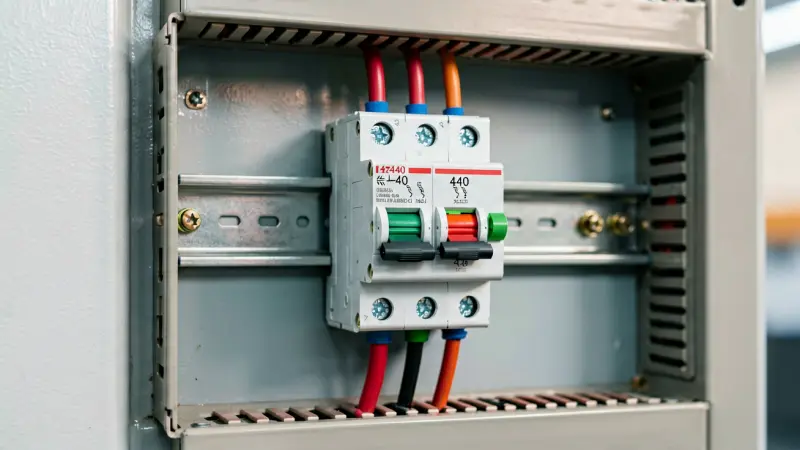
Why 240V Does Not Automatically Need a Neutral
Many homeowners assume every circuit needs a neutral because 120V outlets have one. That logic does not carry over to 240V. A 240V circuit can be a complete loop between two hot conductors.
The neutral only carries current when a 120V load is connected between one hot and neutral. In a balanced pure 240V circuit, the neutral would carry no current even if it were present. That is why some 240V equipment has no neutral terminal at all.
The equipment grounding conductor is still required. It does not carry current during normal operation. Its job is to provide a safe fault path and trip the breaker if a hot wire touches metal.
The Nameplate Tells You the Truth
Look at the rating label before buying wire. A label that says “240V” usually points to a pure 240V load. A label that says “120/240V” almost always means the equipment needs a neutral.
This distinction matters because “120/240V” equipment is designed to use both voltages. The heating elements may run on 240V while the timer, light, or control board runs on 120V. Without a neutral, those 120V parts will not work.
Some labels say “208-240V” or “240V only.” Those ratings still require you to check the manual. A control transformer inside the unit may create the low voltage it needs without a neutral.
Watch for Hidden 120V Features
Modern appliances add features that older models did not have. A smart water heater may have Wi-Fi and a display. A shop heater may include a convenience outlet or LED work light.
Those features can turn a simple 240V load into a 120/240V load. If the manual shows a neutral terminal, you must run a neutral. Do not cap it and hope the electronics are forgiving.
The same rule applies to hot tubs and spas. Their pumps and heaters may be 240V, but the controls, lights, and ozonator often need 120V. Most modern spas require a four-wire feed.
240V Devices That Usually Do Not Need a Neutral
Pure heating and motor loads are the classic no-neutral examples. Electric baseboard heaters, wall heaters, and garage heaters usually run on two hots plus ground. They do not need a white neutral wire.
Electric water heaters are also typically pure 240V. The upper and lower elements use 240V, and the thermostats are mechanical or 240V-rated. A standard electric water heater normally has no neutral terminal.
Central air conditioners and heat pumps usually use 240V for the outdoor condenser. The contactor, fan motor, and compressor are 240V loads. Unless the manufacturer requires a neutral for a specific control board, no neutral is needed.
Hardwired EV chargers are often pure 240V. Many models use two hots plus ground and no neutral. However, some plug-in models use a NEMA 14-50 plug, which includes a neutral pin even if the charger does not use it.
Workshop welders, kilns, and large air compressors commonly run on 240V without a neutral. Always verify the nameplate, especially on imported equipment with electronic controls.
240V Devices That Often Require a Neutral
Electric ranges and ovens are the most common neutral-required appliances. The bake and broil elements use 240V. The oven light, clock, timer, and control board often use 120V.
Electric dryers are another major example. The heating element is usually 240V. The drum motor, controls, and interior light may be 120V, so a neutral is required.
Hot tubs, swim spas, and some outdoor kitchens often need a neutral. Their control systems, LED lights, and accessories may be 120V. A 240V-only feed can damage or disable those parts.
Cooktops with touch controls and built-in smart features may also need a neutral. The same is true for some wall ovens and microwave-oven combinations. The installation manual will show a neutral connection if needed.
If you want to add a 120V outlet from a 240V feed, you need a neutral. That type of conversion is possible only when the circuit is designed for it. For a safer path, review a proper convert 240V to 120V outlet guide before changing anything.
The Wire Confusion: 10/2, 10/3, and 10/4
Cable names describe the number of current-carrying conductors, not the total wire count. A 10/2 cable usually has black, white, and bare ground. For a pure 240V load, the white wire can be re-identified as a hot conductor.
A 10/3 cable usually has black, red, white, and bare ground. That gives you two hots, one neutral, and one ground. This is the common cable for a 120/240V appliance that needs a neutral.
Choosing between cable types gets confusing fast, especially when comparing 10/4 vs 10/3 wire. The key is to count the conductors your equipment actually requires and then add the ground.
Never use the bare ground wire as a neutral. That mistake, often called a bootleg neutral, can energize metal parts of an appliance. It creates a serious shock hazard and violates electrical code.
Neutral vs. Ground: They Are Not Interchangeable
The neutral is a current-carrying conductor. It returns current from 120V loads back to the panel under normal operation. The ground is a safety conductor that should carry current only during a fault.
Neutral and ground are bonded together only at the main service disconnect. After that point, they must remain separate. In a subpanel, the neutral bar must be isolated from the grounding bar.
If you connect a 240V appliance’s neutral terminal to ground, you create a dangerous shortcut. The frame of the appliance can become part of the return path. That can shock anyone who touches it.
Three-Wire vs. Four-Wire Dryer and Range Circuits
Older homes may have three-wire dryer or range outlets. Those circuits used two hots and a neutral, with the neutral also bonded to the appliance frame. They were allowed under older codes but are not safe by modern standards.
New installations require a four-wire circuit for dryers and ranges. That means two hots, a separate neutral, and a separate ground. The receptacle is usually a NEMA 14-30 for dryers or NEMA 14-50 for ranges.
When replacing an old appliance, do not simply reuse the old cord. Match the cord and receptacle to the circuit type. If the circuit is three-wire, an electrician can advise whether upgrading to four-wire is practical.
Do not remove the bonding strap on a new appliance unless the manual tells you to. The bonding method depends on whether the circuit is three-wire or four-wire. A mistake here can leave the frame ungrounded or create a double bond.
GFCI Breakers and the Hidden Neutral Requirement
A two-pole GFCI breaker often has a white pigtail that connects to the panel’s neutral bar. This pigtail may be required even when the 240V load itself does not use a neutral. It powers the GFCI’s internal sensing circuitry.
The load neutral terminal on that breaker may remain empty for a pure 240V circuit. That is different from running a neutral to the equipment. The breaker needs a neutral reference, but the load may not.
This detail trips up many DIYers because they see a white wire and assume the appliance needs a neutral. Read the breaker instructions and the equipment manual separately. Follow both.
How to Plan a 240V Circuit With or Without a Neutral
Start with the equipment nameplate and installation manual. Write down the voltage rating, amperage, and whether the unit lists a neutral connection. That single step prevents most wiring mistakes.
Next, choose the receptacle or connection method. NEMA 6-15, 6-20, 6-30, and 6-50 receptacles are 240V designs without a neutral. NEMA 14-30 and 14-50 receptacles include a neutral for 120/240V loads.
Then select the conductors. A no-neutral 240V circuit needs two hots and a ground. A neutral-required circuit needs two hots, a neutral, and a ground.
Size the wire for the load and the distance. Voltage drop can force a larger conductor on long runs, which is explained in what size wire to run 500 feet. Undersized wire can overheat and create a fire risk.
Use a two-pole breaker that trips both hots together. Match the breaker amperage to the wire size and equipment rating. If GFCI protection is required, install the correct two-pole GFCI breaker.
If a white wire is used as a hot conductor, re-identify it with black or red tape at both ends. Do not leave it looking like a neutral. Clear labeling prevents future mistakes.
If you run a cable with an unused neutral, cap it securely at both ends. Do not connect it to the equipment if the equipment does not require it. Label it for future use if that helps the next person.
Common DIY Questions and Pain Points
Can I Use 12/2 or 10/2 for 240V?
Yes, if the wire gauge matches the load and the white wire is re-identified as a hot. A 12/2 cable can supply a 20A 240V circuit. A 10/2 cable can supply a 30A 240V circuit, depending on the cable type and installation conditions.
You cannot use 12/2 for a 30A load just because it has two conductors. The breaker must match the wire’s ampacity. Overloading a conductor is a code violation and a fire hazard.
Can I Use a 240V Circuit Without a Neutral for a Hot Tub?
Usually no, but the manufacturer’s manual decides. Many hot tubs need a neutral for 120V controls, lights, and accessories. Running only two hots and a ground can leave those features dead or damaged.
Check the wiring diagram on the spa control pack. If it shows a neutral terminal, the circuit must include a neutral. If it shows only L1, L2, and ground, a neutral may not be required.
Can I Use the Ground as a Neutral?
No. The ground wire is not designed to carry current during normal operation. Using it as a neutral can energize metal parts and defeat safety devices.
This mistake is especially dangerous on 120/240V appliances. The frame, cabinet, or water lines can become a shock path. Never make this substitution, even as a temporary fix.
Does a 240V Subpanel Need a Neutral?
It depends on what the subpanel supplies. If it feeds any 120V circuits, it needs a neutral feeder. If it feeds only pure 240V loads, a neutral may not be required by the load.
Most home subpanels still include a neutral because 120V circuits are common. For detached garages and workshops, planning for a neutral now can avoid a costly re-pull later.
Garden, Workshop, and Outdoor 240V Loads
Outdoor 240V projects often have different neutral needs. A well pump motor usually runs on 240V without a neutral. An irrigation pump may also be pure 240V, but its control box may need 120V for timers or sensors.
Greenhouse heaters and grow lights can be 240V. Many commercial grow lights use 240V ballasts with no neutral. Smart controllers, however, may require a neutral for their displays and Wi-Fi modules.
Outdoor spas and hot tubs are the biggest exception. They commonly need a four-wire feed because the control pack, LED lights, and blower may use 120V. A GFCI breaker is also typically required.
If you are running power to a garden studio or shed, decide whether you need 120V outlets. If yes, the feeder needs a neutral. If the building only has a 240V welder or heater, a neutral may not be needed for the load, but most owners install one for future flexibility.
The Shared Neutral Trap on 240V Circuits
A multiwire branch circuit uses two hots and a shared neutral to supply 120V loads. It can look like a 240V circuit because it has two hots and a neutral. But it is not the same as a pure 240V load.
If the two hots are on different phases, the shared neutral carries only the imbalance. If they are on the same phase, the neutral can overheat. This is why multiwire circuits must use a two-pole breaker or handle ties.
Do not assume a white wire in a 240V box is always a neutral. In some cables it is a re-identified hot. In a multiwire circuit it may be a shared neutral. Testing and labeling are essential.
Receptacle Types That Reveal Neutral Needs
NEMA 6-series receptacles are 240V only and have no neutral pin. NEMA 14-series receptacles are 120/240V and include a neutral pin. NEMA 10-series receptacles are older 120/240V designs without a separate ground.
If your appliance plug has three flat blades and one round pin, it likely needs a 14-series receptacle. If it has two flat blades and one round pin, it may be a 6-series 240V plug with no neutral.
The shape of the plug is a clue, not proof. Always confirm with the nameplate and wiring diagram. Adapters and cheater cords can create serious hazards if they bypass grounding or neutral requirements.
240V Equipment Neutral Cheat Sheet
| Equipment | Typical Circuit | Neutral Needed? | Reason |
|---|---|---|---|
| Baseboard heater | Two hots + ground | No | Heating element is pure 240V. |
| Electric water heater | Two hots + ground | No | Elements and thermostats are 240V. |
| Central AC condenser | Two hots + ground | No | Compressor and fan are 240V. |
| Hardwired EV charger | Two hots + ground | Usually no | Most models do not use 120V internally. |
| Electric dryer | Two hots + neutral + ground | Yes | Motor, light, and controls often use 120V. |
| Electric range or oven | Two hots + neutral + ground | Yes | Clock, lights, and controls often use 120V. |
| Hot tub or spa | Two hots + neutral + ground | Usually yes | Controls, lights, and accessories may use 120V. |
| Mini-split outdoor unit | Two hots + ground | Usually no | Most units are pure 240V; verify manual. |
| Workshop welder | Two hots + ground | Usually no | Welder transformer is 240V; check for 120V outlet. |
| Greenhouse heater | Two hots + ground | No | Fan and element are typically 240V. |
Testing a New 240V Circuit
Before connecting the appliance, test the voltage at the receptacle. You should read 240V between the two hot slots. You should read 120V from each hot slot to neutral if a neutral is present.
If you read 240V from a hot slot to ground, stop and investigate. That can indicate a lost neutral or a wiring error. Do not plug in expensive equipment until the readings are correct.
Check that the ground path is continuous and bonded properly. A simple continuity test can reveal a loose connection. Tighten terminals to the torque listed in the instructions.
Safety and Code Essentials
Electrical code changes over time, and local rules can be stricter than the national code. New dryer and range circuits generally require a separate neutral and ground. Existing three-wire circuits may be grandfathered in some areas, but they are not ideal.
Permits and inspections protect you and future owners. A licensed electrician can confirm the correct wire size, breaker, and receptacle type. If you are unsure about neutral requirements, get professional help before energizing the circuit.
Always turn off the main breaker before working in a panel. Test for voltage with a reliable meter. Treat every wire as live until you prove it is not.
Final Verdict: Pure 240V Versus 120/240V
Do you need a neutral wire for 240V? If the load is pure 240V, the answer is usually no. You need two hots and a ground, plus the correct breaker and receptacle.
If the load uses any 120V feature, the answer is yes. You need two hots, a neutral, and a ground. The neutral is not optional when the equipment has a neutral terminal or a 120/240V rating.
Do not guess from the voltage alone. Read the nameplate, check the manual, and match the circuit to the equipment. That is the only reliable way to know whether your 240V project needs a neutral wire.