An Ariens snowblower that surges can turn a clean driveway into a frustrating repair session. The engine may rev up, drop down, and repeat in a steady hunt. That uneven rhythm usually points to a fuel or air imbalance, not a dead machine.
This guide explains why Ariens snowblowers surge and how to fix the problem at home. It covers fuel, carburetor, governor, ignition, and maintenance steps. The goal is simple: restore steady power before the next storm.
What Ariens Snowblower Surging Actually Sounds and Feels Like
Surging sounds like a repeated vroom-vroom cycle. The engine idle may rise, fall, and rise again without any change in throttle. Some owners also notice the auger speed pulsing or the snow-throwing distance changing.
The problem may appear only at idle, only under load, or after the engine warms up. It can happen on Ariens Compact, Classic, Deluxe, Platinum, and Professional models. The model matters less than the engine’s fuel and air delivery.
A steady engine should hold a consistent rpm. When it hunts, the governor is trying to correct a mixture problem. That correction often creates the rhythmic surge owners hear.
Quick Safety and Pre-Diagnosis Checks
Before touching the carburetor, let the engine cool completely. Work outside or in a well-ventilated area because fuel vapors are dangerous. Shut off the fuel valve and disconnect the spark plug boot.
Check the basics first: fuel level, oil level, air filter, and spark plug condition. Confirm the choke opens fully after warm-up. A partially closed choke can mimic a carburetor problem.
Use fresh fuel with a stabilizer. If the fuel smells stale or looks dark, drain it before any other repair. Old fuel is the most common reason an otherwise healthy Ariens snowblower begins to surge.
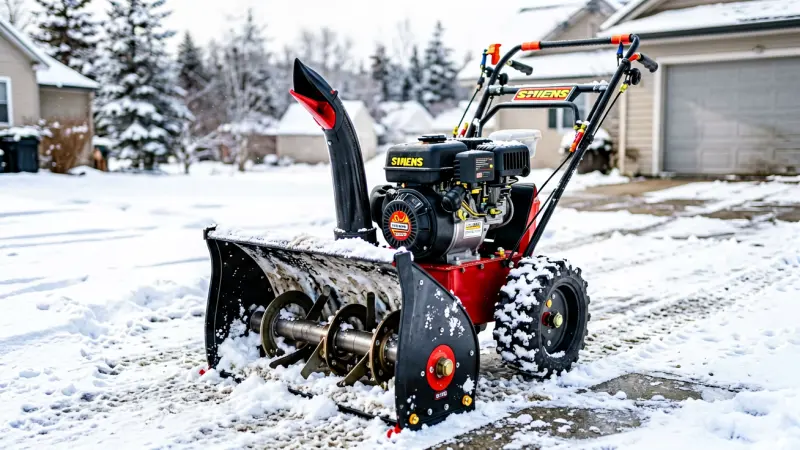
The Most Common Causes of an Ariens Snowblower Surging
Old or Ethanol-Blended Fuel
Ethanol attracts water and can separate in the tank. That mixture leaves varnish and tiny deposits in the carburetor. The smallest jets become restricted, causing a lean condition and surging.
Fuel older than 30 days is already suspect in small engines. Fuel older than 90 days can clog passages even if the engine still starts. Drain it and refill with fresh, high-octane, ethanol-free fuel when available.
Temperature swings also cause condensation inside a metal tank. That moisture can sit under the fuel and enter the pickup tube. A fuel cap with a clogged vent can add pressure changes that make the surge worse.
Dirty Carburetor Jets and Passages
The carburetor has pilot and main jets that meter fuel. A partially blocked pilot jet often causes surging at idle. A blocked main jet causes surging at full throttle or under load.
Cleaning requires removing the bowl, float, and jets. Use carburetor cleaner and a fine wire to clear tiny openings. Never drill or enlarge a jet because that changes the fuel curve permanently.
Rebuild kits include gaskets, needle valves, and sometimes a new float. Replace soft parts while the carburetor is apart. On Ariens AX, Briggs, and Tecumseh engines, the jet access differs, so follow the engine manual.
Vacuum Leaks and Intake Gaskets
A vacuum leak lets extra air enter after the carburetor. The engine runs lean, and the governor reacts by hunting. Common leak points include intake gaskets, throttle shaft seals, and cracked spacers.
Inspect gaskets for cracks, flattening, or fuel stains. Tighten carburetor mounting bolts evenly, but do not overtighten and warp the flange. Replace any gasket that looks compressed or brittle.
A propane or smoke test can reveal hidden leaks without spraying flammable cleaner. If the engine changes tone when propane is directed at a joint, that area needs attention. This step is often skipped, yet it solves many mysterious surges.
Fuel Delivery Restrictions
Fuel must flow steadily from the tank to the carburetor. A clogged fuel filter, shutoff valve, or tank outlet restricts flow. The engine then starves briefly, recovers, and surges again.
Disconnect the fuel line at the carburetor and open the shutoff valve. Catch the fuel in a clean container and watch the stream. It should flow in a steady, full line, not a weak dribble.
Test the fuel cap by loosening it while the engine runs. If the surge stops, the cap vent is clogged. Replace the cap or clean the vent passage carefully.
Governor and Linkage Problems
The governor controls engine speed by adjusting the throttle plate. A stretched spring, bent linkage, or sticky pivot can make rpm hunt. This creates surging even when the fuel mixture is correct.
Check all springs and rods against the parts diagram. A spring that is stretched or missing changes governor response. Plastic bushings can also shrink in cold weather and cause linkage drag.
Governor adjustment is model-specific and must be done with the engine off. Follow the Ariens or engine manufacturer procedure exactly. A random adjustment can create dangerous overspeed.
Air Filter, Choke, and Altitude
A dirty air filter may cause a rich condition, while a stuck choke can do the same. Surging is often linked to lean mixtures, but any air-fuel imbalance can unsettle the governor. Inspect the filter and choke plate first.
At high altitude, the air is thinner and the carburetor runs rich. Some engines need a high-altitude jet or adjustment. If the snowblower surges mainly at a mountain cabin, altitude may be the missing clue.
The choke plate must open fully after the engine warms. A cable that binds or a linkage that rubs can leave the choke partly closed. That small restriction changes the mixture and creates rough running.
Spark and Compression Issues
A weak spark plug or failing ignition coil can cause uneven combustion. The engine may surge because some cycles burn poorly. Replace the spark plug yearly and check the gap before deeper repairs.
Low compression from worn rings or tight valves can also cause surging. A compression test gives a quick answer. If compression is far below spec, a carburetor cleaning will not solve the problem.
Check the flywheel key if the engine backfires or surges after hitting a hard object. A partially sheared key changes ignition timing. This is uncommon but easy to overlook.
Step-by-Step Fix for Ariens Snowblower Surging
Step 1: Drain and Replace the Fuel
Siphon or drain all old fuel from the tank and carburetor bowl. Add fresh fuel with the correct octane rating. Run the engine for five minutes and see if the surge improves.
If the engine smooths out, the old fuel was the main problem. Add a fuel stabilizer to the fresh tank. Repeat this step whenever the machine sits unused for more than a month.
Step 2: Clean or Replace the Carburetor
Remove the carburetor and place it on a clean tray. Take photos before disassembly so linkage and springs go back correctly. Remove the bowl, float, needle, and jets.
Soak metal parts in carburetor cleaner and blow passages with compressed air. Replace all gaskets and the needle valve. Reassemble with care and set the float height to spec.
If the carburetor body is worn or the throttle shaft has excessive play, replace the carburetor. Rebuilding a worn body may not stop the surge. New aftermarket carburetors are often affordable for common Ariens engines.
Step 3: Test Fuel Flow and Cap Vent
With the carburetor removed, open the fuel shutoff and observe flow. Clean or replace the fuel filter if the stream is weak. Remove the tank outlet and check for debris or gum.
Run the engine with the fuel cap loose for a short test. If surging stops, replace the cap. A clogged vent can create a vacuum in the tank that starves the engine.
Step 4: Inspect Intake Gaskets and Vacuum Lines
Replace intake gaskets whenever the carburetor is removed. Old gaskets often leak after they are disturbed. Check any vacuum hose for cracks or loose connections.
Look for fuel stains around joints, which can indicate a poor seal. Use a torque wrench or snug bolts in a cross pattern. A flat, clean mating surface is critical.
Step 5: Adjust Governor and Idle
Set the idle mixture screw to the baseline in the manual. Turn it in gently until it seats, then back it out the specified number of turns. Fine-tune with the engine at operating temperature.
Check governor linkage for free movement. Replace stretched springs and worn bushings. If the governor still hunts after adjustment, internal governor parts may be worn.
Step 6: Service Ignition and Compression
Install a new spark plug with the correct gap. Inspect the ignition coil air gap if the engine has a consistent misfire. Test compression with a gauge and compare it to the engine spec.
If electric start is weak, inspect the battery and wiring. Voltage drop can affect starting, much like choosing the right circuit matters in a 10-4 vs 10-3 wire comparison. Clean terminals and tighten grounds.
Step 7: Test Under Load
Move the snowblower to a safe area and engage the auger. Let it throw snow or run against a safe resistance. Listen for surging at idle, half throttle, and full throttle.
If the engine only surges under load, fuel flow or main jet size is still suspect. If it surges with no load, the governor or idle circuit is more likely. Document when the surge happens to narrow the cause.
Ariens Model-Specific Tips
Ariens snowblowers use several engine families, including Briggs & Stratton, Tecumseh, Kohler, Honda, and Ariens AX. Each family has slightly different carburetor and governor designs. Always identify the engine model before buying parts.
Tecumseh engines often respond well to a thorough pilot jet cleaning. Briggs & Stratton plastic carburetors can warp and may need replacement. Honda engines are durable but still suffer from stale ethanol fuel.
Hydrostatic drive models can feel like the engine is surging when the transmission is low on oil. Verify that the surge is from the engine, not the drive system. Listen to the exhaust note and watch the engine rpm.
Ariens Snowblower Surging Symptom, Cause, and Fix
| Symptom | Likely Cause | Best Fix |
|---|---|---|
| Surges at idle only | Clogged pilot jet or idle mixture | Clean pilot jet, adjust idle screw |
| Surges at full throttle under load | Main jet restriction or weak fuel flow | Clean main jet, replace fuel filter |
| Hunts constantly with no load | Governor spring or linkage problem | Adjust or replace governor spring |
| Runs better with choke partly on | Lean condition from vacuum leak | Replace intake gaskets, check seals |
| Starts then dies with cap tight | Clogged fuel cap vent | Replace cap or clean vent |
| Backfires and surges after impact | Sheared flywheel key or ignition timing | Replace key, check ignition timing |
Preventive Maintenance That Stops Surging Before It Starts
Use ethanol-free fuel whenever possible. Add a quality stabilizer at every fill-up, not just before storage. Run the engine long enough to circulate treated fuel through the carburetor.
Replace the spark plug and air filter once a year. Change the oil according to the Ariens manual. Keep the cooling fins clean so the engine does not overheat.
Start the snowblower monthly during the off-season. Let it run for ten minutes to warm up and burn off moisture. This simple habit keeps seals lubricated and fuel passages cleaner.
Store the machine in a dry area. Moisture control matters for the fuel system, electrical contacts, and painted surfaces. Homeowners who care about humidity, whether comparing Okna windows vs Andersen for a tight home envelope or sealing a garage, already know damp air causes damage.
Dampness can also point to other home system issues, such as an AC copper pipe not cold problem. Keeping the garage dry protects the snowblower from rust and electrical corrosion. A dry machine is easier to start and less likely to surge.
Inspect fuel lines and gaskets before each season. Replace cracked lines and brittle gaskets before they leak air. A five-minute inspection can prevent a mid-storm breakdown.
When to Stop DIY and Call a Pro
Some surging problems require dealer tools or specialized knowledge. Low compression, internal governor damage, and worn carburetor throttle shafts are common examples. If two cleanings do not fix the surge, professional diagnosis may be cheaper than parts swapping.
An Ariens dealer can test ignition timing, compression, and governor behavior under load. They also have the correct service manuals and jets. For a machine still under warranty, avoid unauthorized repairs that could void coverage.
Safety must come first. A snowblower engine can overspeed if the governor is misadjusted. If the engine races uncontrollably, shut it down and seek service immediately.
Frequently Asked Questions
Why does my Ariens snowblower surge only after warming up?
Heat can worsen a vacuum leak as gaskets expand or contract. It can also affect ignition components and fuel vaporization. A lean condition often becomes more noticeable once the choke opens fully.
Can bad gas cause surging in an Ariens snowblower?
Yes. Old or ethanol-blended fuel is the leading cause of small-engine surging. The fuel leaves deposits that restrict tiny carburetor passages. Draining and replacing the fuel is the first repair to try.
What carburetor settings stop surging?
Start with the manufacturer’s baseline settings for the idle and main mixture screws. Adjust in small increments with the engine warm. If no setting smooths the engine, a jet or passage is still clogged.
Is surging dangerous for the engine?
Long-term surging can cause lean running and higher combustion temperatures. That may lead to valve damage or overheating. Fixing the cause early protects the engine and improves snow-throwing performance.
Will Sea Foam fix an Ariens snowblower surge?
Fuel additives can help with minor deposits and moisture. They rarely clear a fully clogged jet or a vacuum leak. Mechanical cleaning and gasket replacement are still needed for serious surging.
How often should the carburetor be cleaned?
Clean the carburetor yearly if the snowblower uses ethanol fuel. Clean it more often if the machine sits for long periods. Always drain old fuel before storage to reduce deposit buildup.
Final Thoughts
Ariens snowblower surging is usually a fuel system problem, but the exact cause can vary. Start with fresh fuel, then clean the carburetor, then check for vacuum leaks and governor issues. That order saves time and avoids unnecessary parts.
Regular maintenance with ethanol-free fuel and stabilizer prevents most surges. Replace worn gaskets, spark plugs, and filters before winter. A steady-running Ariens snowblower clears snow faster and lasts longer.