
Painting over textured wallpaper is one of those shortcuts that looks attractive on paper. It avoids the messy, time-consuming job of stripping, and it promises a quick colour change at minimal cost. The reality depends entirely on the condition of the wallpaper, the adhesive beneath it, and the type of texture you are dealing with.
Sometimes it works well and lasts for years. Sometimes it fails within weeks, with seams lifting, bubbles appearing, and paint peeling away in sheets. This guide explains how to tell which situation you are in, how to prepare a textured wall for paint, and what to do when painting over the wallpaper is simply not the right answer.
What Textured Drywall Wallpaper Actually Is
The phrase covers several different products, and they behave differently under paint. Knowing which one you have changes the preparation and the risk.
Textured Vinyl Wallpaper
Vinyl wallpaper has a plastic or vinyl surface layer bonded to a paper backing. Embossed vinyl products mimic plaster, stucco, or stippled finishes. The vinyl face resists moisture, but the paper backing and the adhesive are vulnerable to it. Paint adheres to the vinyl surface reasonably well when it is clean and dull.
Blown Vinyl and Expanded Vinyl
Blown vinyl is thicker and more three-dimensional, with a foam layer that expands during manufacture. Expanded vinyl is similar but less pronounced. Both are paintable in principle, but the deeper texture can look heavy under a solid colour, and the foam layer can compress or dent.
Anaglypta and Lincrusta
These are heavier embossed products designed to imitate plasterwork and panelling. Anaglypta is paper-based with a deep relief. Lincrusta is made from a linseed-based material and is very rigid. Both accept paint well and are often designed to be painted, but they need careful preparation because their deep texture traps dust and their seams can telegraph.
Textured Lining Paper
Lining paper is a plain, unpatterned paper used to smooth imperfections before decorating. Textured versions add a subtle relief. It is thin, and paint can cause it to swell and lift, particularly if the adhesive is weak.
Self-Adhesive Textured Panels
Peel-and-stick textured wall coverings are common in rentals and quick makeovers. Their adhesive is often weak, and paint can pull the panel away from the wall. These are generally poor candidates for painting.
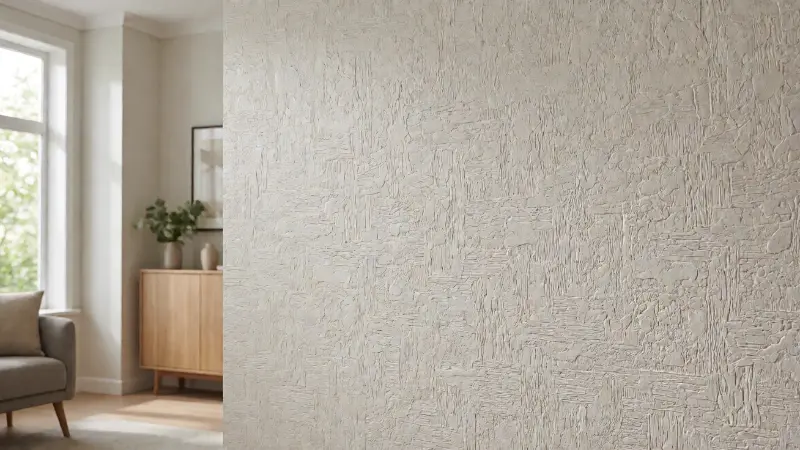
The Honest Answer to Whether You Can Paint It
Yes, you can paint over many textured wallpapers, and in some cases it is the intended finish. But painting over wallpaper is not the same as painting a wall. You are adding weight and moisture to a material that is attached by adhesive to a substrate, and the failure modes are different.
The key question is not whether paint will stick to the wallpaper. It is whether the wallpaper will stay attached to the wall once it gets wet with paint and then dries. Paint introduces moisture, which can soften the adhesive, reactivate old paste, and cause seams to lift.
If the wallpaper is firmly bonded, the seams are tight, and the surface is clean, painting over it is a legitimate approach. If the seams are lifting, bubbles are present, or the paper is peeling at the edges, painting will make the problem worse rather than hiding it.
Assessing Whether Your Wallpaper Is a Good Candidate
Work through the checks below before committing to paint. Each one reveals something about how the wall will behave.
Check for Lifting Seams and Edges
Run your hand along the seams and around outlets, switches, and trim. Any edge that lifts or curls is a failure point. Paint will catch on those edges and pull them further away from the wall.
Look for Bubbles and Blisters
Bubbles indicate that the adhesive has failed in that area. They may be small and scattered, or large and obvious. Press gently on a bubble and see whether it moves. A bubble that compresses or shifts means the paper is not bonded, and paint will not fix it.
Test the Adhesion
In a discreet area, apply a strip of masking tape to the wallpaper and press it firmly. Pull it away slowly at a low angle. If the tape brings wallpaper fibres or a layer of the paper with it, the surface is weak and painting is risky.
Check for Moisture and Staining
Water stains, musty odours, or soft spots suggest moisture behind the wallpaper. Painting over damp wallpaper traps the problem and guarantees a recurrence. Address the moisture source first, and consider whether the affected wallpaper needs removal.
Identify the Wallpaper Type
Vinyl and embossed products with a plastic face are better candidates than thin paper or self-adhesive panels. Washable vinyl resists the moisture in paint better than paper-backed products with a weak bond.
Consider the Texture Depth
Deeply embossed patterns can look muddy under a solid colour, especially dark colours, because the relief shadows disappear. A lighter colour or a wash technique that highlights the texture often looks better.
When to Strip Instead of Paint
Stripping is the right decision in several situations, even though it is more work. Understanding them saves you from a failed paint job.
- Loose or peeling wallpaper: Paint cannot reattach wallpaper to the wall.
- Extensive bubbling: Widespread adhesive failure means the whole surface is unstable.
- Moisture damage: Damp wallpaper and stained walls need investigation, not coverage.
- Multiple layers: Several layers of wallpaper add weight, and paint can cause the stack to delaminate.
- Self-adhesive panels: Weak adhesive and thin material make these poor painting candidates.
- High-humidity rooms: Bathrooms and kitchens without good ventilation are risky for painted wallpaper.
- You want a smooth finish: If you dislike the texture, paint will not remove it. It will emphasise it.
Stripping textured wallpaper is more involved than removing standard paper, because the embossing can hold water and the material may come away in pieces. Steamers, scoring tools, and a wallpaper removal solution help, but the process still takes patience. If the drywall beneath is damaged, it will need repair before painting, which adds time and cost.
Preparing Textured Wallpaper for Paint
Preparation is where the job succeeds or fails. Skipping steps here leads to peeling, flashing, and visible seams.
Clean the Surface
Wallpaper in kitchens and high-traffic areas collects grease and grime that paint will not adhere to. Wash the walls with a mild degreaser or a solution suitable for the wallpaper type, then rinse with clean water. Allow the surface to dry completely.
Repair Seams and Loose Edges
For small lifted edges, a wallpaper repair adhesive applied with a syringe or a small brush can reattach the paper. Press the edge flat and wipe away excess adhesive immediately. Allow it to cure fully before painting. If large sections are loose, painting over them is not advisable.
Fill Dents and Gouges
Textured wallpaper can be dented or gouged, particularly the foam-based vinyl products. A lightweight spackle or patching compound can fill small defects. Feather the edges and sand lightly once dry, then prime the patch.
Sand Gently if Needed
If the wallpaper has a glossy vinyl face, a very light scuff sanding helps the primer grip. Use a fine grit and go gently, because aggressive sanding can tear the embossing or scuff the pattern in a way that shows through paint. Remove all dust with a tack cloth.
Prime With the Right Product
Priming is essential over wallpaper. It seals the surface, reduces the risk of the wallpaper reactivating, and provides a uniform base for the topcoat. A water-based bonding primer or a wallpaper-specific primer is a common choice.
Some products are formulated specifically to seal wallpaper and prevent seams from lifting. Oil-based and shellac-based primers offer strong sealing but have stronger odours and require ventilation. For most textured wallpapers, a quality water-based bonding primer is a reasonable starting point.
Roll the primer on rather than spraying it, because spraying can push moisture into seams and edges. Work in thin, even coats and avoid over-wetting the surface. Let the primer dry completely before evaluating whether a second coat is needed.
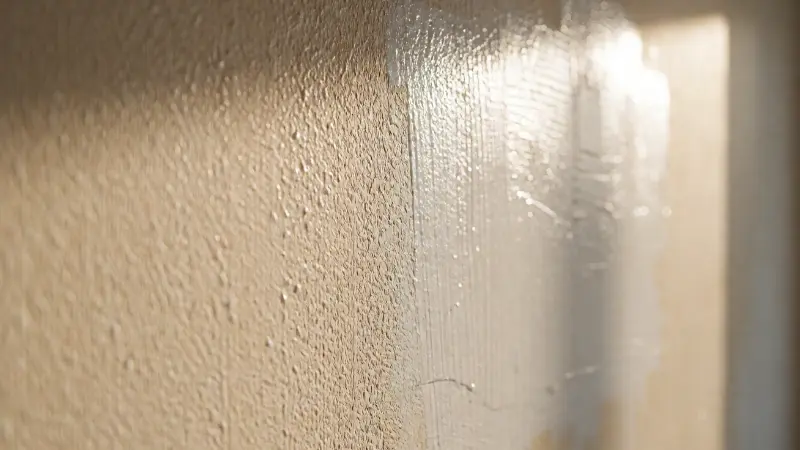
Applying the Topcoat
Once the primer has dried and any lifted seams have been addressed, the topcoat goes on much like paint on any textured wall. A few adjustments improve the result.
Use a roller with a nap suited to the texture. A medium nap works for light texture, while deeper embossing may need a longer nap to reach into the recesses. Back-brush or back-roll to work the paint into the pattern evenly and avoid a patchy appearance.
Apply two coats rather than one. Textured surfaces have more surface area than flat walls, and a single coat often looks thin and uneven across the relief. Allow proper dry time between coats according to the product instructions.
Watch for paint bridging across the pattern. If the paint fills the texture too heavily, the relief flattens and the wall looks smeared rather than defined. Thin coats reduce this risk, and a light colour preserves the shadow detail better than a dark one.
Seams are the most likely place for problems to appear. Check them after the first coat and address any lifting immediately. If a seam lifts after painting, it is easier to repair while the paint is still relatively fresh.
Comparing Wallpaper Types for Painting
The table below summarises how common textured wall coverings behave under paint. Use it as a comparison aid and confirm specifics with the product manufacturer where possible.
| Wallpaper Type | Paint Suitability | Preparation Needed | Main Risk | Best Approach |
|---|---|---|---|---|
| Embossed vinyl wallpaper | Good | Clean, light scuff, bonding primer | Seams lifting when moisture reactivates paste | Prime with a wallpaper sealer, two thin topcoats |
| Blown vinyl | Good | Clean, fill dents, bonding primer | Foam layer compressing or denting | Light colour to preserve texture, avoid heavy coats |
| Anaglypta | Very good, often designed for paint | Clean, repair seams, primer | Dust trapped in deep relief | Vacuum texture, prime thoroughly, back-brush paint |
| Lincrusta | Very good | Clean, repair, oil or shellac primer | Rigid material cracking if the wall moves | Address wall movement first, then prime and paint |
| Textured lining paper | Moderate | Check adhesion, seal with primer | Swelling and bubbling from paint moisture | Seal first, use thin coats, avoid soaking the paper |
| Self-adhesive textured panels | Poor | Not recommended | Adhesive failure pulling panels off the wall | Remove and install a paintable wall covering instead |
| Multiple layers of wallpaper | Poor | Strip back to a single layer or bare wall | Delamination between layers | Remove the layers before painting |
Moisture, Ventilation, and Long-Term Performance
Painted wallpaper is more vulnerable to moisture than a painted wall. The wallpaper sits between the paint and the drywall, and if moisture gets behind it, the paper can swell and the adhesive can fail.
In bathrooms, laundry rooms, and kitchens, ventilation is essential. An extract fan ducted to the exterior, sized for the room and run long enough after use, reduces the humidity that causes problems. Leaving a window open when weather allows also helps.
Water damage behind wallpaper is a particular concern, because the wallpaper can conceal the problem until the stain bleeds through the paint. If you notice discolouration, bubbling, or a musty smell after painting, investigate rather than repainting over it. Repairing a water damaged drywall ceiling is a separate skill set, but the principle is the same: fix the source before covering the damage. A guide to repairing a water damaged drywall ceiling explains how to assess and repair the substrate when moisture has already caused harm.
Comparing This to Painting Other Special Substrates
Painting over textured wallpaper shares characteristics with other specialty coating projects. In each case, the question is whether the coating will bond, whether the substrate will tolerate the moisture in the paint, and whether the finished appearance will meet expectations.
Waterproofing membranes present a similar challenge, because they are designed to resist moisture and can be slick or rubbery. Understanding whether a coating will adhere to a membrane involves the same logic about surface energy and adhesion that applies to wallpaper. A guide to painting over a RedGard waterproofing membrane covers that specific case in detail.
Rigid foam backer boards used in wet areas are another substrate where adhesion and moisture behaviour matter. Whether a coating bonds properly to a foam board depends on the surface texture and the primer chosen, just as it does with wallpaper. Guidance on whether you can paint a GoBoard panel explains the considerations for that material.
Safety and Practical Notes
Older wallpaper and adhesives can harbour mould, especially in rooms with moisture problems. If you suspect mould behind the wallpaper, wearing a respirator during preparation is sensible, and containment with plastic sheeting prevents spores from spreading to other rooms.
Some older wallpapers, particularly vinyl products from certain periods, may contain materials that warrant testing. If your home is older and you are unsure about the composition, and if the wallpaper will be disturbed by sanding or scraping, testing is a reasonable precaution.
Ventilation is important when working with primers and paints, even water-based products. Open windows, use fans, and take breaks. Avoid working in a closed room for extended periods.
Watch your footing when working at height on ladders or platforms. Wallpaper work involves reaching and stretching, and falls are a common injury in home improvement projects.
Cost and Time Considerations
Painting over wallpaper is generally faster and less expensive than stripping, repairing, and painting a bare wall. The material cost is modest: primer and paint, plus a few supplies for seam repair.
Stripping, by contrast, involves removal tools, possibly a steamer, wallpaper removal solution, and considerable labour. If the drywall beneath is damaged, add patching and possibly skim coating to the total. In many cases, stripping is the more durable option, but the cost and disruption are real.
If you are planning a broader room refresh alongside the wall project, it helps to consider the whole budget rather than just the wall. Flooring choices, trim work, and cabinetry all compete for the same funds. A comparison of Home Depot vs Lowe’s carpet installation is useful if flooring is part of the plan.
FAQ
Can you paint directly over textured wallpaper?
In many cases yes, provided the wallpaper is firmly bonded, the seams are tight, and the surface is clean. Priming first is essential. If the wallpaper is loose, bubbling, or moisture damaged, painting will not fix those problems and stripping is the better route.
Will paint make textured wallpaper look smooth?
No. Paint does not remove texture. A solid colour can actually make the relief look flatter and less defined, particularly with dark colours. If you dislike the texture, removing the wallpaper is the only way to achieve a smooth wall.
Do I need to prime before painting textured wallpaper?
Yes. Primer seals the surface, reduces the risk of the wallpaper reactivating from the moisture in the paint, and provides a uniform base for the topcoat. A wallpaper-specific sealer or a bonding primer is a common choice.
How do I stop wallpaper seams from lifting after painting?
Repair loose seams with a wallpaper adhesive before painting, and prime with a product designed to seal wallpaper. Roll the primer on rather than spraying, and avoid over-wetting the surface. Check seams after the first topcoat and repair any lifting promptly.
Can I paint over wallpaper in a bathroom?
It is possible but riskier than in dry rooms. Bathrooms are humid, and moisture behind the wallpaper can cause the adhesive to fail. Good ventilation, a moisture-tolerant primer, and careful seam repair improve the odds, but stripping may be the more durable choice.
How many coats of paint do I need over textured wallpaper?
Two coats are typical because textured surfaces have more area to cover and a single coat often looks thin across the relief. Thin coats applied evenly look better than one heavy coat that fills the pattern.
What if the wallpaper starts bubbling after I paint it?
Bubbling indicates that the adhesive has failed or that moisture has reactivated old paste. Small areas can sometimes be reattached through the paint with a repair adhesive, but widespread bubbling usually means the wallpaper needs to be removed.
Is painting over wallpaper a permanent solution?
It can last many years if the wallpaper is well bonded and the room is not excessively humid. However, painted wallpaper remains a layered system, and the underlying adhesive can fail over time. Removing the wallpaper is the more permanent option.
Can I paint over self-adhesive textured wall panels?
It is generally not recommended. The adhesive on peel-and-stick panels is often weak, and the moisture in paint can cause the panels to lift or curl. Removing the panels and preparing the wall properly is the more reliable approach.
Painting over textured wallpaper can be a practical, cost-effective way to refresh a room, provided you are honest about the condition of the wall. Check for loose seams, bubbles, and moisture first. Clean, repair, and prime carefully. If the wallpaper is unstable, strip it and start fresh. That decision, made early, determines whether the finished wall looks good for years or fails within a season.