Owning an Ariens snowblower is a significant investment in home comfort. Many homeowners encounter gearcase leaks, unusual noises, or premature wear when the gearcase is not maintained according to the model’s service instructions. Ariens L3 gear lube is the manufacturer-recommended lubricant for many Ariens snowblower gearcases, but the correct lubricant and service procedure depend on the specific model.
Using the wrong lubricant can contribute to inadequate lubrication, leakage, or component wear. Ariens describes L3 as a synthetic severe-duty gear lubricant formulated for heavy loads and extreme pressure. This guide explains why the specified lubricant matters and how to check and service the gearcase correctly. It also covers maintenance steps that are easy to overlook.
Why Ariens L3 Gear Lube Matters
Many Ariens snowblower gearcases use an oil-filled gearcase with an oil-fill plug rather than a conventional grease-gun zerk system. Ariens recommends L3 synthetic severe-duty gear lube for compatible gearcases because it is formulated for heavy loads and extreme pressure. The exact lubricant and service procedure vary by model, so the operator’s manual should be the final reference.
Lubricants behave differently as temperatures change. A lubricant that is not specified for the gearcase may not provide the intended protection or flow characteristics in cold weather. Using the correct L3 lubricant helps provide the protection the gearcase was designed to receive and may reduce wear under normal operating conditions.
Ariens describes L3 as a severe-duty gear lubricant intended to protect gears under heavy loads and extreme pressures. Proper lubrication also helps limit wear and corrosion, but it does not replace inspection of seals, bearings, gears, or the gearcase housing. Storage conditions and water contamination can also affect lubricant condition.
Identifying the Correct L3 Specification
Not every Ariens machine uses the same lubricant or service method. Check the operator’s or service manual for your exact model and use the specified Ariens lubricant and service part number where applicable. Ariens currently lists L3 synthetic severe-duty gear lube as an 8-ounce product, part number 00068800, for compatible applications.
Many Ariens products use the Sno-Thro name for snowblower equipment, while engine oil is a separate lubricant from gearcase oil. Do not substitute engine oil for gearcase lubricant unless the manufacturer specifically specifies it for that model. The gearcase lubricant, fill procedure, and required level are model-specific.
Here is a general reference table for Ariens equipment. It should be treated as a starting point rather than a substitute for the manual for the exact machine. Gearcase type, lubricant, fill level, and service procedure can vary between models and production years.
| Machine Model Series | Required Lube Type | Capacity Approximate | Application Point |
|---|---|---|---|
| Ariens SS222 / SS322 | Check model manual; use specified gearcase lubricant | Model-specific | Gearcase oil-fill/service point |
| Ariens SS522 / SS722 | Check model manual; use specified gearcase lubricant | Model-specific | Gearcase oil-fill/service point |
| Gravely GZS Series | Model-specific lubricant | Model-specific | Follow the equipment manual |
| Ariens ZT-HD Mowers | Model-specific lubricant or grease | Varies | Follow the mower service manual |
Note that zero-turn mowers can use different lubricants and service procedures from snowblower gearcases. Do not assume that an Ariens-branded lubricant is suitable for every Ariens or Gravely machine. The model-specific manual is the best source for the correct lubricant, quantity, and service point.
Understanding the Gearcase Service Point
On many Ariens snowblowers, L3 gear lube is added through an oil-fill plug in the auger gearcase rather than through a conventional grease zerk. The fill opening and required oil level vary by model. This is important because forcing grease into a gearcase that is designed for gear oil can result in improper lubrication or damage.
Before servicing the gearcase, clean the area around the fill plug and inspect the plug, seal washer, and surrounding housing. Dirt or water entering the gearcase can contaminate the lubricant. Do not use excessive force on the plug or fitting, and replace damaged sealing components as required by the manufacturer’s instructions.
After servicing, check the area for signs of leakage. Oil around the gearcase can indicate a worn seal, damaged gasket, loose hardware, or an overfilled gearcase. A persistent leak should be diagnosed rather than corrected simply by adding more lubricant.
Step-by-Step Application Guide
Servicing Ariens gear lube is straightforward when the procedure in the machine’s manual is followed. The tools and fill level vary by model, so confirm the correct procedure before beginning. Proper service helps keep the gearcase adequately lubricated without overfilling it.
Step 1: Secure the Machine
Place the snowblower on a level, stable surface. Shut off the engine and allow hot components to cool. Remove the ignition key where applicable and disconnect the spark plug wire on gasoline models before performing maintenance that could allow the engine or attachment to start accidentally. Follow the safety procedure in the operator’s manual.
Step 2: Clean the Fill Area
Wipe the area around the gearcase oil-fill plug with a clean rag. Remove snow, ice, dirt, and other debris before opening the gearcase. Avoid blowing contamination directly into an open fill port with compressed air.
Step 3: Prepare the Lubricant
Use the lubricant and dispensing method specified for your model. Ariens L3 synthetic severe-duty gear lube is sold in an 8-ounce bottle for compatible applications. Do not assume that an entire bottle belongs in the gearcase; the required level is determined by the model’s service instructions.
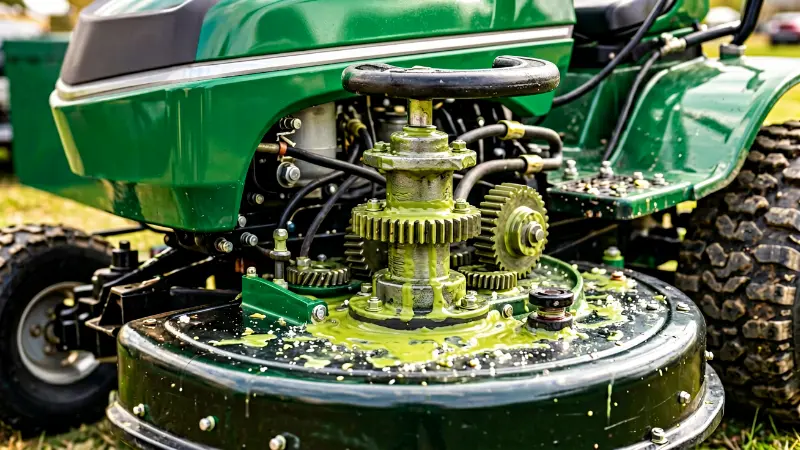
Step 4: Check and Add Lubricant
Remove the oil-fill plug or other service fitting specified in the manual. Check the lubricant level using the method given for your model, then add the specified lubricant if necessary. Do not overfill the gearcase or force lubricant into it under pressure unless the manufacturer specifically calls for that procedure.
Step 5: Reinstall and Inspect
Reinstall the fill plug, seal washer, or other service components as specified by the manufacturer. Wipe away any spilled lubricant and inspect the gearcase for leakage. If the gearcase continues to leak or makes unusual grinding or clicking noises, stop using the machine until the cause is identified.
Common Myths and Mistakes
One common mistake is adding too much lubricant. A gearcase needs the correct lubricant level, not simply as much lubricant as possible. Overfilling can contribute to leakage, while an insufficient level can leave gears inadequately lubricated. Follow the specified fill level for the exact machine.
Another misconception is that L3 gear lube never needs attention. Some Ariens gearcases are designed around specific inspection and service procedures, and lubricant condition can change through use, contamination, and leakage. Follow the maintenance interval in the operator’s or service manual rather than relying on a universal two- or three-season replacement rule.
Some owners consider automotive transmission fluid or other readily available lubricants as substitutes. That is not automatically appropriate. The correct lubricant depends on the gearcase design and manufacturer specification. Use Ariens L3 or another lubricant specifically approved for the particular model rather than guessing based on viscosity or availability.
The Cold Weather Factor
Temperature affects lubricant flow and equipment performance. Even lubricants designed for severe cold can become more viscous as temperatures fall. If the gearcase develops unusual noise, resistance, or leakage in freezing conditions, do not assume that the lubricant simply needs to be replaced. Check the lubricant level, seals, gears, bearings, and other components according to the service manual.
Storing the machine in a dry, sheltered location can reduce exposure to moisture and temperature extremes. A heated garage is not required for normal storage, and adding an improvised gearcase heater is generally unnecessary unless the manufacturer specifically recommends one. Avoid exposing the machine to unnecessary heat that could affect lubricants, seals, or other components.
Integrate gearcase checks into your broader maintenance routine. Inspect the lubricant level and gearcase condition at the intervals specified by Ariens, and investigate leaks or unusual sounds before they develop into larger failures. Consistent inspection is more useful than adding lubricant without checking the actual condition of the gearcase.
Complementary Maintenance Tasks
Gearcase lubrication is only one part of snowblower maintenance. Check tire condition and inflation against the pressure listed on the tire or specified by the manufacturer. Also inspect shear bolts or pins, belts, cables, fasteners, skid shoes, scraper components, and the auger and impeller areas as appropriate for the model.
Consider maintaining your outdoor infrastructure as well. When installing fence posts for your property, using sonotubes for fence posts can provide a stable form for concrete where the installation requires them. Properly installed property features can also help keep equipment storage and snow-clearing areas organized.
Home maintenance extends to your garage walls. If you store your snowblower in a garage with damaged drywall, repair openings and moisture-entry points as appropriate. A guide on drywall patch not flush techniques can help with wall repairs. Keeping the storage area dry is useful for protecting metal components from corrosion.
Do not neglect the tires on your riding mowers or snowblowers. Correct tire pressure is important for traction, handling, and predictable machine operation. Read up on tire pressure for ariens snowblower specifications. Proper inflation can also help the machine operate as intended, but it does not directly determine the required gearcase lubricant or compensate for a mechanical problem.
Seasonal Storage Best Practices
When winter ends, store the snowblower in a clean, dry location protected from weather and direct sunlight. Follow the manufacturer’s storage procedure for the gearcase, engine, fuel system, and battery if equipped. Do not assume that heat exposure will necessarily thin the gear lubricant enough to cause a problem; excessive heat and sunlight should simply be avoided during storage.
Prepare the engine and fuel system according to the operator’s manual before storage. On gasoline models, this may include stabilizing fuel or following the manufacturer’s recommended fuel-draining procedure. Do not run the engine solely to “warm the gear box” unless the manufacturer specifically recommends it. Allow the machine to cool as appropriate before covering it, and use a cover that allows moisture to escape according to the storage instructions.
Service the engine oil according to the maintenance schedule and prepare other components for storage as specified by Ariens. Proper storage includes a full seasonal inspection. This helps identify leaks, corrosion, damaged shear components, worn belts, or other problems before the next winter. Inspect the auger, chute, skid shoes, and fasteners as part of that process.
When to Replace, Not Just Lubricate
Lubrication is maintenance, not a repair for worn or damaged components. If the gearcase makes persistent grinding, clicking, or other abnormal noises, adding lubricant may not correct the underlying problem. The cause could include worn gears, bearings, bushings, seals, or other components. Further inspection may be necessary before returning the machine to service.
Inspect the gear housing for cracks, deformation, or other damage. A damaged housing can allow lubricant to escape or contaminants to enter. If a structural part of the gearcase is cracked, follow the manufacturer’s repair procedure or have the assembly evaluated by a qualified technician rather than relying on an adhesive repair.
Check the shear bolts or pins on the auger assembly as specified for your model. These components are designed to protect the drivetrain from certain impacts and overloads. If one fails, use the correct replacement part specified by Ariens rather than installing an improvised fastener that could compromise the intended protection of the machine.
Expert Tips for Longevity
Buy L3 gear lube from a reputable source and keep it sealed until needed. Storing lubricant in a cool, dry place away from direct sunlight helps preserve its condition. Do not stock large quantities solely on the assumption that every Ariens machine will use the same lubricant or that unopened lubricant will remain suitable indefinitely.
Use dispensing equipment that matches the service procedure for your machine. Because many Ariens snowblower gearcases use an oil-fill plug rather than a grease zerk, a conventional grease gun is not appropriate for every model. Keep containers, funnels, and service tools clean so dirt and moisture do not enter the gearcase.
Document your maintenance. Keep a log of when you checked or serviced the gearcase and note the lubricant and quantity used. This helps with future troubleshooting and provides a useful maintenance history if you eventually sell the machine. Follow the model-specific service schedule rather than relying on a universal interval.
Conclusion
Using the correct Ariens gearcase lubricant is an important part of reliable snowblower maintenance. Ariens specifies L3 synthetic severe-duty gear lube for many compatible snowblower gearcases, but the correct fill level and service method depend on the exact model. Following the manual helps prevent overfilling, contamination, and incorrect lubricant selection.
Remember that gearcase lubricant is only one part of a broader maintenance strategy. Combine it with tire checks, inspection of shear components and belts, engine service, and proper storage-area maintenance. Proactive maintenance can reduce avoidable downtime and help identify mechanical problems before the first major snowfall. Keep the machine clean, correctly lubricated, and serviced according to the manufacturer’s instructions so it is ready when you need it.