For homeowners and DIY enthusiasts, understanding the weight of an empty R410a refrigerant tank might seem like a minor detail. However, this seemingly simple question holds significant implications for safety, accurate refrigerant management, and environmentally responsible disposal practices. Navigating the world of refrigerants requires precision and adherence to specific guidelines, making the tare weight of a cylinder a critical piece of information.
R410a is a widely used hydrofluorocarbon (HFC) refrigerant in modern air conditioning and heat pump systems. Its widespread adoption means many homes will eventually encounter tanks containing this vital substance. Knowing the empty weight of these tanks is not just for professionals; it empowers homeowners to make informed decisions and ensure compliance with environmental regulations.
The Hidden Truth: Why Knowing Your R410a Tank’s Empty Weight is Crucial
The weight of an empty R410a tank, often referred to as its tare weight, is more than just a number. It is a foundational piece of data that impacts several critical aspects of refrigerant handling and system maintenance. Ignoring this detail can lead to safety hazards, inefficient HVAC operation, and even legal repercussions.
Safety First: Handling Pressurized Cylinders
Even when a refrigerant tank feels empty, it can still contain residual pressure and refrigerant vapor. These cylinders are designed to hold substances under high pressure. Mishandling what appears to be an empty tank can still pose serious risks, including the potential for the cylinder to become a projectile or cause cryogenic injuries if residual liquid refrigerant is present. Therefore, it is always recommended to treat all refrigerant cylinders, regardless of their perceived fullness, with the utmost care and respect for their potential hazards.
Accurate Refrigerant Management
One of the primary reasons to know the empty weight of an R410a tank is for accurate refrigerant measurement. When charging an HVAC system, technicians rely on precise measurements to ensure optimal performance. By weighing a full tank and then subtracting its tare weight, the exact amount of refrigerant added or removed can be determined. This precision is vital to avoid underfilling or overfilling a system, both of which can lead to reduced efficiency, increased energy consumption, and premature system failure. An improperly charged system can struggle to cool or heat effectively, leading to discomfort and higher utility bills.
Environmental Responsibility and Legal Compliance
The United States Environmental Protection Agency (EPA), under Section 608 of the Clean Air Act, strictly prohibits the knowing venting of refrigerants like R410a into the atmosphere. This regulation applies to both professionals and homeowners. Proper disposal of refrigerant tanks requires ensuring they are truly empty—meaning all refrigerant has been recovered—and then depressurized and often punctured. Knowing the tare weight helps confirm that a tank has been fully evacuated, preventing harmful greenhouse gases from escaping and avoiding significant fines for non-compliance. Environmental stewardship begins with understanding and following these crucial guidelines.
Logistics and Transportation
The actual weight of a refrigerant cylinder, whether full or empty, impacts its transportation. Department of Transportation (DOT) regulations dictate how pressurized cylinders must be secured during transit to prevent movement and potential damage.
An understanding of the tare weight contributes to calculating the total gross weight of a cylinder during transport. This information is essential for safe loading and securing, protecting both individuals and other cargo. Proper securing prevents accidents, such as a tank becoming a dangerous projectile during sudden stops or collisions.
Decoding the Labels: Finding the “Tare Weight” (TW)
To accurately determine the empty weight of an R410a tank, it is essential to understand the markings found on the cylinder itself. These markings provide critical information for safe and effective refrigerant handling.
What is Tare Weight?
Tare weight (TW) is simply the weight of the empty cylinder assembly. This includes the steel tank, the valve, and any other components permanently attached to the cylinder. It serves as a baseline measurement, allowing users to calculate the net weight of the refrigerant inside. It’s important to remember that tare weight can vary slightly between tanks.
Factors such as the manufacturer, the thickness of the steel, the type of valve, the number of times a cylinder has been refurbished, and even the paint thickness can contribute to these minor differences. For this reason, relying on a general average can be misleading; the specific tare weight stamped on each individual tank is the most accurate value to use.
Locating the Tare Weight Marking
The tare weight is typically stamped or etched directly onto the tank collar or handle. Look for the letters “TW” followed by a numerical value, usually expressed in pounds. This marking is a direct and reliable source of information for that specific cylinder. Always refer to this stamped value rather than assuming a standard weight for a given tank size. This practice eliminates guesswork and ensures the highest level of accuracy for your refrigerant calculations.
Understanding Water Capacity (WC)
Another important marking you might find on a refrigerant cylinder is “WC,” which stands for Water Capacity. This value indicates the total weight in pounds of liquid water that the tank can hold when completely full. While not directly the empty weight, water capacity is crucial for calculating the safe fill limit for recovery tanks. Refrigerant does not have the same weight-to-volume ratio as water, and its density changes with temperature.
Professionals use the WC in conjunction with the refrigerant’s specific gravity and a safe fill percentage (typically 80% for R410a) to determine the maximum allowable refrigerant weight. This calculation prevents dangerous overfilling due to liquid expansion, which could lead to hydrostatic pressure buildup and tank rupture. It’s a complex calculation that underscores the need for specialized knowledge when handling refrigerants.
Typical Empty R410a Tank Weights: What to Expect
While the stamped tare weight on each tank is the definitive answer, understanding the general range of empty weights for common R410a tank sizes can be helpful for initial planning and identification. It provides a useful context for homeowners and professionals alike.
Common Tank Sizes for R410a
R410a refrigerant is commonly sold in cylinders with net capacities of 10 pounds, 25 pounds, and 30 pounds. Larger recovery tanks, used by professionals to collect refrigerant from systems, can range from 30 pounds to 50 pounds, or even up to 1000 pounds for commercial applications. It is crucial to remember that these “pound” ratings refer to the net weight of the refrigerant contained within the tank, not the total weight of the cylinder itself when full or empty. The cylinder’s material, typically steel, contributes significantly to the overall weight.
Average Tare Weights for Different Sizes
Based on various manufacturers and tank designs, the empty (tare) weight of R410a cylinders can fall within these approximate ranges. For a 10 lb R410a tank, the empty weight typically ranges from 4.14 to 5.4 pounds. A common 25 lb R410a tank usually has an empty weight between 7 and 9 pounds. For cylinders designed to hold 30 lbs of R410a, the tare weight is often around 6 to 7 pounds, though some sources indicate values up to 7.7 pounds for new 25lb tanks and 9 pounds for others. Larger recovery tanks, especially those with 50-pound refrigerant capacities, can have tare weights upwards of 16-27 pounds, and commercial 250lb tanks can weigh 86-87 lbs empty, while 1000lb tanks weigh 360 lbs. These figures are general guidelines; the specific tare weight stamped on your tank is the authoritative value.
The variance in tare weights highlights an important, often overlooked aspect of refrigerant tank management. Different manufacturing processes, the gauge of steel used, and even the design of the valve assembly can all contribute to these slight differences. This means two seemingly identical tanks from different batches or manufacturers might have slightly different empty weights. Always checking the stamped “TW” ensures accuracy, which is paramount for both safety and financial reasons when accounting for expensive refrigerants.
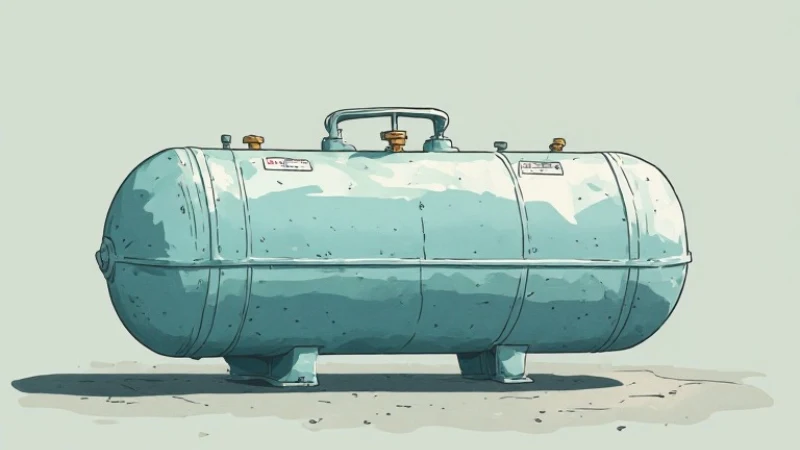
Below is a table outlining the approximate empty weights (tare weights) for common R410a refrigerant tank sizes. This table serves as a general reference, but always consult the specific tare weight stamped on your individual tank for precise measurements.
| R410a Tank Size (Net Refrigerant Capacity) | Approximate Empty (Tare) Weight Range |
|---|---|
| 10 lbs | 4.1 – 5.5 lbs |
| 25 lbs | 7 – 9 lbs |
| 30 lbs | 6 – 8 lbs |
| 50 lbs (Recovery Tank) | 16 – 27 lbs |
| 250 lbs (Recovery Tank) | 86 – 87 lbs |
| 1000 lbs (Recovery Tank) | 360 lbs |
The “Empty” Paradox: Residual Pressure and True Emptiness
The concept of an “empty” refrigerant tank is more nuanced than it initially appears. A tank might no longer dispense liquid refrigerant, yet still contain refrigerant vapor under pressure. This residual pressure is a critical factor that must be addressed for both safety and environmental compliance.
Beyond “Empty”: Understanding Residual Vapor
When a refrigerant tank stops dispensing liquid, it is not truly empty. A significant amount of refrigerant can remain in vapor form, still exerting pressure within the cylinder. This is particularly true for R410a, which operates at higher pressures than older refrigerants. Professionals use recovery machines to pull this remaining vapor out, often down to a deep vacuum (e.g., 500 microns or 0 psig). This process ensures that the tank is as empty as possible before any further steps, like disposal, are taken.
Why Residual Pressure Matters
Residual pressure in a seemingly “empty” tank poses several problems. Environmentally, if the tank is improperly disposed of without full evacuation, the remaining refrigerant can eventually leak into the atmosphere, contributing to global warming.
From a safety perspective, a pressurized tank, even with just vapor, still carries an explosion risk if exposed to heat or physical damage. For those considering reusing tanks, residual refrigerant can contaminate new refrigerant, leading to system issues. Therefore, achieving true emptiness through recovery and evacuation is paramount.
The Role of a Vacuum Pump
After a recovery machine has removed most of the refrigerant, a vacuum pump is used to draw out any remaining vapors and moisture from the system or tank. This process creates a deep vacuum, ensuring that the tank is truly devoid of refrigerant and non-condensable gases. A vacuum pump is an indispensable tool in professional HVAC work, guaranteeing that cylinders are prepared safely for storage, reuse, or disposal. This step is often overlooked by those without proper training, leading to potential environmental and safety concerns.
Practical Applications for Homeowners and DIYers
While refrigerant handling is primarily a task for certified professionals, understanding the basics, especially tare weight, can benefit homeowners. Knowing what to look for and when to call an expert is key to home and garden maintenance.
Weighing Your Tank at Home
For homeowners who might purchase small amounts of R410a (where legally permitted and with appropriate certification), having a reliable refrigerant scale is invaluable. To determine the amount of refrigerant remaining in a tank, simply place the tank on the scale and read the gross weight.
Then, subtract the tare weight (TW) stamped on the tank. The result is the net weight of the refrigerant still inside. This method allows for precise tracking of refrigerant usage, preventing unexpected shortages during a job and ensuring accurate charging. Without an accurate scale, estimating refrigerant levels is a gamble that can lead to costly mistakes.
When to Call a Professional
It is critical to emphasize that handling refrigerants requires specific training, certification, and specialized equipment. In many regions, purchasing, handling, and disposing of refrigerants like R410a without EPA Section 608 certification is illegal and dangerous. DIY charging of an HVAC system can lead to improper refrigerant levels, system damage, and serious personal injury from high pressures or frostbite.
Complex repairs, leak detection, and complete system evacuation are tasks that should always be performed by qualified HVAC professionals. Just as understanding the intricate mechanics for mastering a Toro snowblower’s governor adjustment ensures peak performance, professional expertise is paramount in HVAC to prevent costly errors and ensure safety. Professionals have the tools, knowledge, and experience to work safely and efficiently, ensuring your system operates correctly and complies with all regulations.
Advanced Techniques for Professionals (and Curious Homeowners)
Professionals employ advanced techniques to manage refrigerant, ensuring both system efficiency and environmental protection. For those interested in the deeper mechanics, these insights offer valuable perspective.
Calculating Remaining Refrigerant with Precision
HVAC technicians use highly accurate digital scales to weigh refrigerant tanks before and during charging. This method allows them to inject refrigerant into a system by weight, ensuring the exact manufacturer-specified charge. This precision is essential for maximizing energy efficiency and extending the lifespan of the HVAC unit. By constantly monitoring the weight, technicians can prevent the costly and damaging effects of undercharging or overcharging, which can lead to compressor failure or reduced cooling capacity.
Recovery Tank Considerations
Recovery tanks, used to store refrigerant removed from systems, have strict fill limits for safety. DOT regulations mandate that recovery cylinders should only be filled to 80% of their water capacity by weight. This critical safety margin accounts for the expansion of liquid refrigerant as its temperature rises, preventing dangerous pressure buildup that could rupture the tank.
Professionals must calculate this maximum allowable fill weight by considering the tank’s water capacity (WC), the specific gravity of the refrigerant, and the 80% safety factor. Overfilling a recovery tank is extremely hazardous and illegal, underscoring the importance of accurate weighing and calculations. This careful attention to detail protects technicians, the environment, and prevents catastrophic failures.
Responsible Disposal of Empty R410a Tanks
Proper disposal of R410a refrigerant tanks is a non-negotiable aspect of environmental protection and regulatory compliance. Homeowners and professionals alike share the responsibility to ensure these cylinders are handled correctly once “empty.”
The Law: No Venting Allowed
As reinforced by the EPA’s Clean Air Act Section 608, it is illegal to knowingly vent R410a or any other regulated refrigerant into the atmosphere. R410a is a potent greenhouse gas, meaning its release contributes significantly to climate change. Violations of this law can result in substantial fines and penalties. This regulation is not merely a suggestion; it is a legally binding requirement designed to protect our planet. Every effort must be made to recover refrigerants and prevent their release.
Steps for Proper Disposal
Once an R410a tank is truly empty (meaning all refrigerant has been recovered, and the pressure has been reduced to 0 psig), specific steps must be followed for safe disposal. First, it is often required to puncture the cylinder to ensure it cannot be re-pressurized. This prevents accidental refilling or misuse. The safest options for disposal include contacting your local hazardous waste facility, as many accept empty refrigerant tanks.
Some metal scrap yards may also accept punctured tanks for recycling, but it is essential to confirm their specific requirements beforehand. Additionally, many refrigerant retailers or gas suppliers offer take-back programs for used cylinders, providing a convenient and compliant disposal route.
Ensuring proper disposal of refrigerant tanks is a fundamental responsibility, much like understanding how sheathing should correctly cover a sill plate for a home’s structural integrity. Both require adherence to established best practices to protect long-term well-being.
Avoiding Common Disposal Mistakes
A critical mistake to avoid is placing “empty” refrigerant tanks in curbside trash or recycling bins. Even tanks with residual pressure pose an explosion risk during compaction in waste disposal trucks, endangering sanitation workers. Furthermore, unpunctured tanks could still release harmful refrigerants into the environment.
Never attempt to modify, cut, or reuse pressurized refrigerant tanks for other purposes, as their structural integrity is designed specifically for refrigerant storage. Always prioritize safety and environmental regulations when disposing of these specialized containers. Disposing of a tank improperly can have serious consequences, both for individuals and the environment.
Innovative Solutions and Future Considerations
The HVAC industry is continuously evolving, with advancements aimed at improving refrigerant management and environmental sustainability. These innovations impact how refrigerants are handled, from initial purchase to final disposal.
Reclaimed vs. Virgin Refrigerant
The distinction between virgin (newly manufactured) and reclaimed refrigerant is increasingly important. Reclaimed refrigerant is processed to the same purity standards as virgin refrigerant, offering an environmentally responsible alternative. Utilizing reclaimed R410a reduces the demand for new production and minimizes the overall environmental footprint. Homeowners should be aware that while older industry practices used color-coded cylinders for different refrigerants, a new AHRI standard (as of January 2020) mandates a standardized light gray-green (RAL 7044) color for all disposable refrigerant cylinders. This change aims to reduce confusion and enhance safety as more refrigerants enter the market.
Technological Advancements in Recovery
Modern recovery machines and refrigerant scales are becoming more sophisticated, offering greater accuracy and efficiency in capturing and measuring refrigerants. These technological improvements make the recovery process faster, more complete, and safer, further reducing the likelihood of refrigerant emissions. Innovations like integrated vacuum pumps and precise digital readouts simplify complex tasks for technicians, ensuring that systems are evacuated thoroughly and tanks are filled to safe capacities. This ongoing development benefits both HVAC professionals and the environment.
The Evolving Landscape of Refrigerants
The HVAC industry is moving towards refrigerants with lower Global Warming Potential (GWP) to further mitigate environmental impact. While R410a was a significant improvement over ozone-depleting substances, research and development continue to introduce next-generation refrigerants. Staying informed about these changes, and understanding how they affect handling and disposal protocols, will be crucial for homeowners and professionals in the coming years. This proactive approach ensures that environmental protection remains at the forefront of HVAC practices.
Conclusion
The question of “how much does an R410a empty tank weigh” opens the door to a deeper understanding of refrigerant management. From ensuring safety during handling and transportation to achieving precise system charging and complying with strict environmental regulations, the tare weight is a fundamental piece of information. Homeowners benefit from knowing when to seek professional help, understanding the legalities of refrigerant disposal, and appreciating the meticulous processes involved in responsible HVAC maintenance.
Prioritizing accuracy, safety, and environmental stewardship when dealing with R410a tanks is not just about following rules; it’s about contributing to a safer, more efficient home and a healthier planet. Always consult the stamped tare weight on your specific tank and, when in doubt, rely on the expertise of certified HVAC professionals for all refrigerant-related tasks.