A snow-covered driveway is a daunting sight, especially when your reliable Ariens snowblower suddenly refuses to budge. The frustration of engaging the drive lever only to find your machine stubbornly stationary, whether forward or reverse, is a common pain point for many homeowners. This comprehensive guide will help diagnose and resolve the issues preventing your Ariens snowblower from moving. We aim to get your equipment back to efficiently clearing snow with expert-level solutions.
Understanding Your Ariens Drive System: The Basics
Before diving into troubleshooting, it is essential to understand how your Ariens snowblower’s drive system operates. The engine powers a series of belts, a friction disc, and a transmission to transfer motion to the wheels. This intricate system allows for self-propulsion in both forward and reverse gears. Any disruption in this chain can halt your snowblower’s movement. Regular maintenance ensures all these components work in harmony.
The core of the self-propel mechanism often involves a rubber-faced friction disc that presses against a rotating drive plate. This engagement transfers power to the axle, propelling the wheels. Understanding this fundamental operation is key to diagnosing problems.
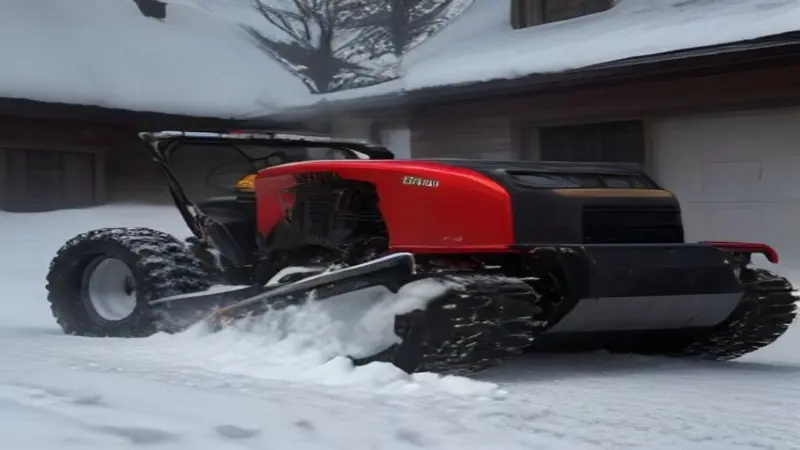
Why Your Ariens Snowblower Won’t Move: Common Culprits
When your Ariens snowblower loses its ability to move, several components could be at fault. Pinpointing the exact cause requires systematic inspection. The most frequent issues stem from problems within the drive belt, friction disc, or control cables. Addressing these common problems can often restore full functionality.
Drive Belt Problems
Drive belts are crucial for transferring power from the engine to the drive system. Over time, these belts can wear out, stretch, or even break. A loose or damaged belt will slip, failing to transmit enough power to the wheels.
Inspect the drive belt for signs of wear, fraying, or cracks. Even if the belt appears intact, it might be stretched beyond its effective tension. Proper belt tension is critical for efficient operation.
Friction Disc Issues
The friction disc, also known as the friction wheel, is a common point of failure for snowblower drive systems. This rubber-coated component makes contact with the drive plate to propel the unit. A worn or damaged friction disc will lose its grip, resulting in poor or no traction.
Contamination from oil or grease can also cause the friction disc to slip. Even if the rubber isn’t severely worn, a greasy surface will prevent proper engagement. Ensure the friction disc and drive plate are clean and dry.
Drive Cable & Linkage Malfunctions
The drive cable connects the control lever on the handlebars to the drive system, engaging the friction disc. If this cable is stretched, broken, or improperly adjusted, the drive system may not engage correctly.
Linkage components can also become corroded or seized, preventing smooth operation. A lack of proper lubrication can exacerbate these issues. Check for any obstructions or stiffness in the linkage.
Transmission or Gearbox Problems
While less common than belt or friction disc issues, internal transmission or gearbox problems can also cause a loss of drive. These can include worn gears, low or contaminated lubricant, or other internal damage. Symptoms might include grinding noises or complete failure to move.
Regular lubrication of internal gears and shafts is vital for transmission longevity. Consult your owner’s manual for specific lubrication points and recommended lubricants.
Wheel/Axle Issues
Sometimes, the problem isn’t with the drive system itself but with the wheels or axles. Frozen wheels, seized axles due to rust, or missing axle pins can prevent movement. Even tire pressure can affect how the snowblower tracks.
Ensure that the wheels are free to rotate and that any pins securing them to the axle are in place. Lubricating the axles annually can prevent rust and seizing.
Step-by-Step Troubleshooting Guide: Diagnosing Your Snowblower’s Drive Failure
Systematic troubleshooting is essential to identify the root cause of your Ariens snowblower’s drive issues. Always approach repairs with caution and prioritize safety. A methodical approach saves time and prevents further damage. Just as meticulous planning ensures a strong foundation for composite decking at 24 on center, careful diagnosis is the bedrock of effective snowblower repair.
Safety First: Essential Precautions
Before performing any inspection or repair, always ensure the snowblower is turned off. Remove the ignition key and disconnect the spark plug wire to prevent accidental starting. Wear appropriate protective gear, such as work gloves and eye protection.
Allow the engine to cool completely before touching any components. This prevents burns and other injuries. Safety should always be your top priority.
Inspecting Drive Belts
To access the drive belts, you will typically need to remove the belt cover, often located on the bottom or side of the snowblower’s frame. Tip the unit forward onto its auger housing for easier access.
Visually inspect both the auger and drive belts for cracks, fraying, or signs of breakage. Check their tension; a loose belt will have excessive slack. If a belt is worn or broken, it needs replacement.
Examining the Friction Disc
The friction disc is usually located beneath the engine, accessible by removing the bottom cover or belly pan. Tip the snowblower onto its front housing to get a clear view.
Inspect the rubber surface of the friction disc for wear, cracking, or missing sections. A severely worn disc will appear thin or uneven. Also, check for any oil or grease contamination on the rubber surface and the drive plate it contacts.
Checking Drive Cables and Linkage
Locate the drive cable, which typically runs from the traction control lever on the handlebar to the drive system. Examine the entire length of the cable for kinks, frays, or breaks.
Test the movement of the control lever and observe if the cable pulls smoothly. Check the linkage points for rust or stiffness. Lubricating these points can often restore smooth operation.
Investigating the Transmission/Gearbox
While internal transmission issues are less common, a visual inspection can sometimes reveal external leaks. If you suspect internal damage, it might be best to consult a professional or refer to your service manual. Lubrication of external gears and shafts is a good preventative measure.
Some models have grease zerks for lubricating the auger gearbox; ensure these are serviced. Proper lubrication reduces wear and tear on internal components.
Expert Solutions: Getting Your Ariens Snowblower Moving Again
Once you have identified the problem, implementing the correct solution is straightforward with the right approach. Many common drive issues can be resolved with basic tools and a bit of mechanical aptitude. Repairing your snowblower yourself can save significant time and money. Always double-check your work before operating the machine.
Replacing Worn or Broken Drive Belts
Replacing a drive belt typically involves separating the snowblower’s housing from the engine frame, or at least accessing the belt compartment. Carefully note the routing of the old belt before removal. Refer to your owner’s manual for specific instructions for your model.
Install the new belt, ensuring it is properly seated on all pulleys and tensioners. Reassemble the components, making sure all bolts are securely tightened. Test the drive system at various speeds after reassembly.
Servicing the Friction Disc
If the friction disc is worn, it must be replaced. This usually involves removing the wheels and the hex shaft that holds the disc. Clean the shaft thoroughly and apply anti-seize compound before installing the new disc.
If the disc is merely contaminated with oil or grease, clean it and the drive plate with a degreaser. Ensure no residue remains that could cause future slipping. A clean surface is paramount for proper engagement.
Adjusting or Replacing Drive Cables
Drive cable adjustment is often performed at an adjustment barrel located along the cable. Loosen the jam nut, turn the adjustment barrel to shorten or lengthen the cable, and then tighten the jam nut. The goal is to remove slack and ensure proper tension.
If the cable is broken or severely frayed, it must be replaced. This involves routing a new cable through the existing path and adjusting its tension. Ensure the new cable moves freely without binding.
Lubricating Linkage and Moving Parts
Regular lubrication of all moving parts in the drive system, including linkages, shafts, and gears, is crucial. Use a good quality grease or anti-seize compound as recommended by Ariens. This prevents corrosion and ensures smooth operation.
Focus on points where metal components rub together, but be careful not to get grease on the friction disc or drive plate. Proper lubrication extends the life of your snowblower’s drive system.
Addressing Transmission Issues
For significant transmission or gearbox problems, especially those involving internal damage, professional service is often recommended. Attempting complex internal repairs without proper expertise can lead to further damage. However, always check for external leaks and ensure proper lubricant levels if your model allows.
Sometimes, simply ensuring the speed selector lever is fully engaged can resolve perceived transmission issues. A partially engaged lever might cause erratic movement or a lack of drive.
Preventative Maintenance for a Reliable Drive System
Proactive maintenance is the best way to avoid your Ariens snowblower becoming stuck. A little effort before and after each season can significantly extend the life and reliability of your machine. Regular checks can prevent minor issues from becoming major repairs. This diligence is akin to the careful preparation needed for a smooth wall finish, where understanding the skim coat vs. primer application ensures lasting quality.
Regular Belt Inspection: Inspect drive belts annually for wear, cracking, or stretching. Replace them if any damage is evident, even if they haven’t broken. This prevents unexpected breakdowns during heavy snowfall.
Friction Disc Care: Keep the friction disc and its contact surface clean and free of oil or grease. Periodically inspect the rubber for wear and replace it if it appears thin or damaged. This maintains optimal traction.
Cable and Linkage Lubrication: Lubricate all control cables and linkage points at least once a season. This ensures smooth engagement and prevents components from seizing due to rust or dirt. Use a lubricant suitable for outdoor equipment.
Seasonal Check-ups: Before the first snowfall, perform a thorough check of your entire snowblower. Look for loose bolts, ensure tire pressures are correct, and check oil levels. This proactive approach ensures your machine is ready for winter’s demands.
Proper Storage: When storing your snowblower for the off-season, clean it thoroughly and lubricate all moving parts. Store it in a dry area to prevent rust and corrosion. Stabilize any remaining fuel or drain the fuel tank completely.
Advanced Tips & Unique Insights for Ariens Owners
Beyond the standard troubleshooting, some deeper insights can help Ariens owners maintain their machines more effectively. These tips come from years of practical experience and often address subtle issues overlooked by general guides. Understanding these nuances can save you considerable frustration and expense. For instance, ensuring all structural components are aligned is vital, much like correcting vinyl siding not lining up on a home project.
The “Frozen” Snowblower Myth
Sometimes, particularly after a period of non-use in freezing conditions, a snowblower might seem stuck. While less common for the drive system itself, moisture can freeze around axles or internal linkages, causing temporary immobility. Allowing the machine to warm up in a garage can sometimes free seized components.
However, do not mistake a frozen component for a mechanical failure. Always inspect for underlying issues if the problem persists after thawing. A quick visual check can often differentiate between ice and a broken part.
Understanding Drive Plate Condition
The drive plate, against which the friction disc presses, is critical for power transfer. While the friction disc gets most of the attention for wear, the drive plate itself can accumulate grime or develop imperfections. A smooth, clean drive plate is essential for effective friction disc engagement. Always clean this surface when servicing the friction disc.
The Importance of Authentic Parts
When replacing components like drive belts or friction discs, using genuine Ariens parts or high-quality aftermarket equivalents is recommended. Subpar parts may not fit correctly or offer the same durability, leading to premature failure. Investing in quality parts ensures long-term reliability.
Diagnostic Flowchart for No Drive
Here’s a quick-reference flowchart to guide your troubleshooting process efficiently:
| Problem Symptom | Potential Cause | Action/Solution |
|---|---|---|
| Snowblower won’t move at all (forward or reverse) | Broken drive belt | Inspect and replace drive belt. |
| Snowblower moves slowly or intermittently | Worn friction disc | Inspect friction disc for wear; replace if necessary. |
| Snowblower moves slowly or intermittently | Loose or stretched drive belt | Adjust drive belt tension or replace belt. |
| Snowblower won’t move, drive lever feels loose | Stretched or broken drive cable | Adjust drive cable tension or replace cable. |
| Snowblower moves, but with grinding noises | Transmission/gearbox issues (internal wear, low lubricant) | Check lubricant levels (if applicable); consult professional for internal repair. |
| Wheels are locked or hard to turn manually | Seized axles, frozen components, missing axle pins | Lubricate axles, thaw frozen parts, check and reinsert axle pins. |
| Excessive rubber dust in belly pan | Worn friction disc | Inspect and replace friction disc. |
Conclusion
A non-moving Ariens snowblower can quickly turn a winter chore into a nightmare. However, with a systematic approach to troubleshooting and a commitment to regular maintenance, most drive system issues are well within the capabilities of a diligent homeowner to fix. From inspecting and replacing worn belts and friction discs to adjusting cables and lubricating moving parts, the solutions are often straightforward. By understanding your machine and performing preventative care, you can ensure your Ariens snowblower remains a dependable workhorse for many winters to come.