Waking up to a cold house is stressful, especially when your Carrier furnace stops working and displays a confusing error code. A Carrier furnace limit circuit lockout typically occurs when the unit overheats, triggering the high limit switch to trip multiple times in succession to prevent fire hazards or component damage. This safety mechanism shuts down the heating cycle, requiring specific intervention to restore warmth to your home.
Modern furnaces are equipped with sophisticated sensors designed to monitor internal temperatures constantly. When these temperatures exceed safe operating parameters, the system intervenes automatically. Understanding why this happens is the first step toward a permanent fix.
Ignoring this error can lead to expensive repairs or a cracked heat exchanger. This guide provides a comprehensive breakdown of why a limit circuit lockout happens and how to resolve it safely.
Understanding the Limit Circuit Lockout
Before attempting repairs, it is essential to distinguish between a temporary fault and a hard lockout. Carrier furnaces communicate these issues through LED flash codes on the control board.
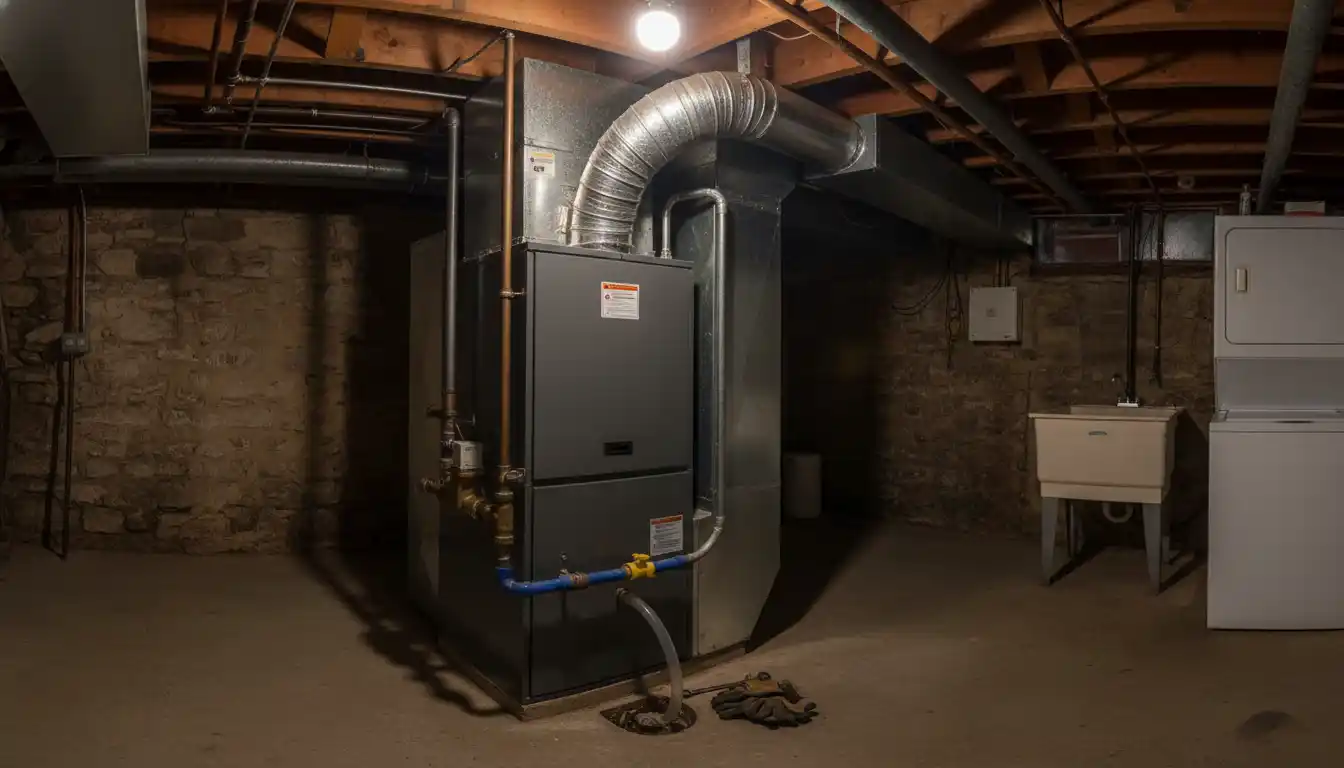
The Difference Between Code 33 and Code 13
The most common error associated with this issue is Code 33. This code indicates a “Limit Circuit Fault,” meaning the limit switch is currently open because the furnace is too hot. The blower will typically run continuously to cool the unit down.
Code 13 represents a “Limit Circuit Lockout.” This occurs after the furnace has triggered Code 33 three consecutive times during a single heating cycle. The control board interprets this as a critical failure and locks the furnace out for three hours. This prevents the system from cycling on and off dangerously, giving the components time to cool completely.
The Role of the High Limit Switch
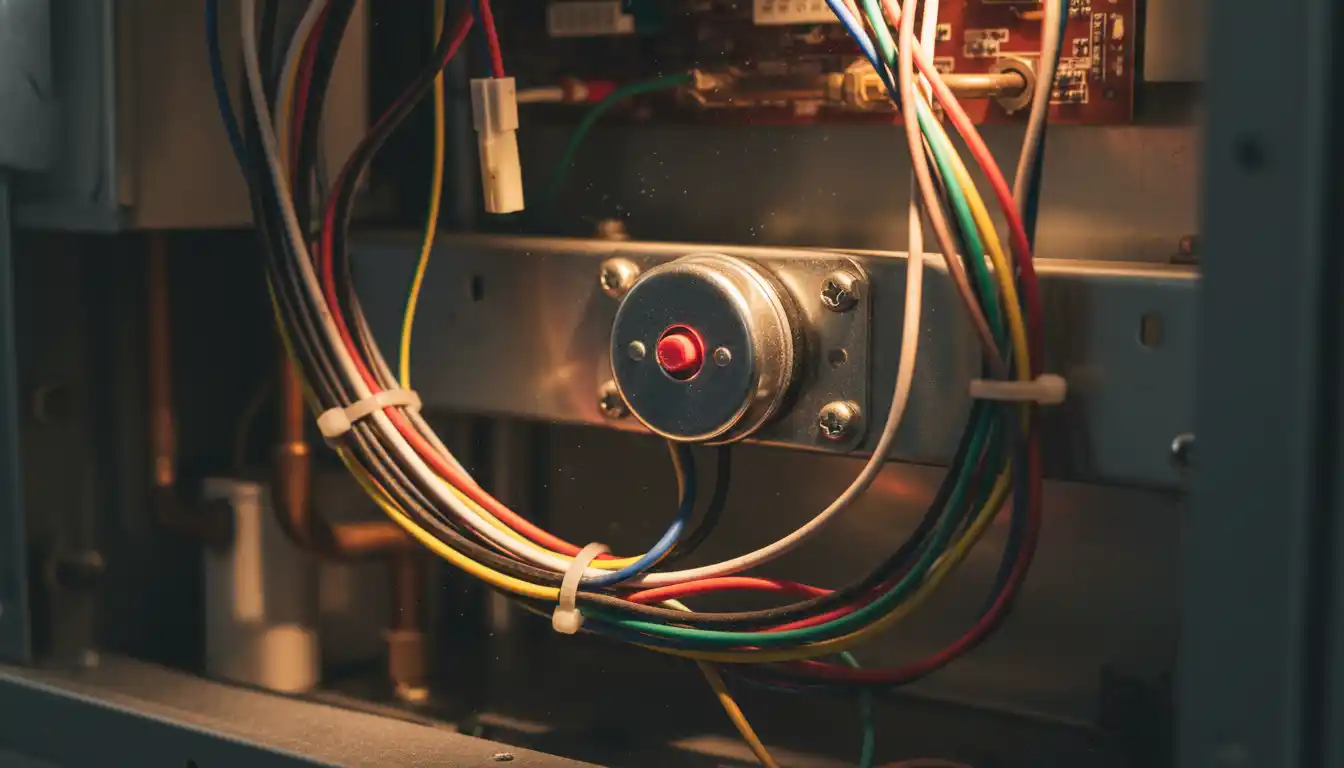
The high limit switch is a thermal safety device located on the partition panel near the heat exchanger. It acts as a guardian for your heating system. When the internal temperature rises above a factory-set limit (often around 160°F to 200°F), the switch cuts power to the gas valve.
This action extinguishes the burners immediately while keeping the blower fan running to dissipate the excess heat. Once the temperature drops to a safe level, the switch closes, and the furnace attempts to restart. If the underlying cause of overheating remains, the cycle repeats until the system enters a hard lockout.
Common Causes of Limit Circuit Lockout
Overheating is rarely caused by the limit switch itself but rather by external factors affecting airflow. Without adequate airflow, heat builds up rapidly inside the cabinet.
Restricted Airflow from Dirty Filters
The single most frequent cause of a limit circuit lockout is a clogged air filter. A dirty filter acts like a wall, preventing cool air from entering the furnace to absorb heat from the exchanger. This causes the internal temperature to spike within minutes of ignition.
Homeowners often underestimate how quickly high-efficiency filters can restrict flow. If you use thick, pleated filters with a high MERV rating, they may restrict air even when relatively clean. Checking the filter is the first and easiest step in troubleshooting.
Blocked Supply or Return Vents
Furniture, rugs, or curtains blocking your return air grilles suffocate the system. The furnace requires a specific volume of air to operate safely. If the return side is starved, the supply side cannot dissipate heat fast enough.
Similarly, closing too many supply registers in unused rooms can increase static pressure. This backpressure traps heat in the ductwork and the furnace cabinet. Ensure all vents are open and unobstructed to maintain balanced airflow throughout the home.
Blower Motor Performance Issues
The blower motor is responsible for pushing air across the heat exchanger. If the motor is failing, running at a lower speed than necessary, or has a dirty blower wheel, heat transfer will be inefficient.
A failing capacitor can also prevent the blower from reaching full speed. If the fan cannot move enough air, the heat exchanger gets too hot, tripping the limit switch. Listen for strange noises or weak airflow from your registers as indicators of motor trouble.
Detailed Troubleshooting and Solutions
Once you understand the potential causes, you can proceed with a systematic approach to fixing the issue. Always turn off power to the furnace at the breaker before opening the cabinet.
Performing a System Reset
To clear a Code 13 lockout immediately without waiting three hours, you can reset the system manually. Locate the power switch on the side of the furnace or the main circuit breaker panel. Turn the power off for at least 30 seconds, then flip it back on.
This resets the control board logic. The thermostat will call for heat, and the furnace will attempt to ignite. Watch the process closely. If the limit switch trips again, do not keep resetting it. This confirms a persistent mechanical or airflow issue that must be addressed.
Inspecting the A-Coil and Heat Exchanger
If the filter is clean, the obstruction might be deeper in the system. The A-coil (evaporator coil) sits directly above the heat exchanger in most setups. If this coil is plugged with dust or pet hair, it blocks airflow just like a dirty filter.
Cleaning an A-coil is difficult and often requires professional service. However, you can visually inspect it by removing the access panel. While you are inspecting the internal components, check for any obstructions in the plumbing vent exterior wall terminations if you have a high-efficiency unit, as intake blockages can also cause combustion issues that confuse system diagnostics.
Testing the Limit Switch with a Multimeter
Sometimes, the limit switch itself wears out. Over time, the bimetallic disc inside the switch can become “lazy,” tripping at lower temperatures than intended or failing to close properly.
Step-by-step testing procedure:
1. Turn off the power to the furnace.
2. Disconnect the two wires connected to the limit switch.
3. Set your multimeter to the lowest resistance (Ohms) setting.
4. Touch the probes to the switch terminals. A functional switch at room temperature should read near 0 Ohms (continuity). If it reads “OL” (Open Loop) while the furnace is cold, the switch is stuck open and must be replaced.
Advanced Diagnostics and Technical Issues
If airflow is perfect and the switch tests fine, the problem may lie within the furnace’s structural or electrical components. These issues typically require a higher level of expertise to diagnose safely.
Secondary Heat Exchanger Clogs
In Carrier high-efficiency furnaces (90% AFUE and above), a clogged secondary heat exchanger is a known issue in older models. The polypropylene lining can deteriorate, causing restriction in the flue path. This traps heat and combustion gases, rapidly overheating the primary exchanger.
This is a serious condition often accompanied by a bad smell or signs of corrosion. Unlike replacing abs vs pvc toilet flange components which is a standard plumbing task, a compromised heat exchanger usually warrants a full furnace replacement due to safety risks.
Induction Fan and Pressure Switch Conflicts
While the limit circuit monitors heat, it operates in sequence with the inducer motor. If the inducer motor is weak, it may not pull enough draft, causing flame rollout or heat buildup near the limit switch area.
Check the exhaust piping for sagging or water accumulation. Improperly sloped pipes can trap condensate, restricting exhaust flow. This mimics the symptoms of a blocked vent. Ensure your PVC exhaust is supported correctly, similar to how you would secure pvc trim around bathtub installations to prevent movement.
Troubleshooting Matrix
Use this table to quickly identify the likely culprit based on your specific symptoms.
| Symptom | Error Code | Potential Cause | Recommended Action |
|---|---|---|---|
| Furnace runs for 5-10 mins then stops | 33 | Dirty Air Filter | Replace filter with MERV 8 or lower |
| Blower runs continuously, no heat | 33 (Stuck) | Open Limit Switch | Test switch for continuity; replace if open when cold |
| Furnace will not start at all | 13 | Lockout Mode | Reset power; inspect airflow immediately |
| Rapid cycling (Short cycling) | 33 | Blocked Vents | Open all registers; clear return air grilles |
| Strange smell + Lockout | 33 / 13 | Dirty A-Coil / Exchanger | Call professional for deep cleaning or inspection |
Preventive Maintenance Strategies
Preventing a limit circuit lockout is far easier than fixing one. Regular maintenance ensures your system operates within the manufacturer’s temperature specifications.
Routine Filter Changes
Set a reminder to check your filter every 30 days during the heating season. Even if the manufacturer claims a 3-month lifespan, 30-day checks prevent unexpected buildup. A clean filter is the cheapest insurance for your furnace’s longevity.
Professional Seasonal Tune-ups
An annual inspection by a certified technician goes beyond basic cleaning. They will measure the temperature rise—the difference between the supply and return air temperature. If the temperature rise is higher than the rating plate specifies, the system is overheating.
Technicians can adjust the gas valve pressure or increase the blower speed to bring the temperature rise back into the safe zone. This proactive adjustment prevents the limit switch from ever needing to trip, ensuring reliable heat throughout the winter.
By addressing airflow issues promptly and understanding the error codes, you can resolve most carrier furnace limit circuit lockouts without expensive emergency calls. Keep the air moving freely, and your furnace will run reliably for years to come.