You set a trap to solve a pest problem, and now you’ve caught a skunk. The immediate challenge is dealing with the animal trapped in the cage, with the primary fear being its notorious defensive spray. In this situation, many people search for a quick disposal method and consider drowning. This is a critical mistake.
Drowning a trapped skunk is not only an exceptionally cruel way to handle the animal, but it can also lead to serious legal consequences. This guide will explain the significant risks associated with this method and provide a comprehensive overview of safer, more humane, and legal alternatives. Understanding the correct procedures will protect you from harm, prevent unnecessary animal suffering, and effectively solve your skunk problem for good.
The Severe Consequences of Drowning a Trapped Animal
Before considering any action, it is crucial to understand that the choice of method for dealing with a trapped animal is not just a matter of personal preference. It is governed by laws and ethical standards that carry significant weight. Drowning is widely condemned by wildlife experts and is illegal in many jurisdictions for several compelling reasons.
Understanding the Legality: A Serious Warning
Most states and many local municipalities have animal cruelty laws that explicitly prohibit the drowning of animals. These laws are not limited to domestic pets; they extend to wildlife as well. Subjecting an animal to a slow, agonizing death by drowning can be classified as a misdemeanor or even a felony, resulting in substantial fines and potential jail time.
The legal framework exists because drowning is recognized as an inhumane method of euthanasia. Wildlife officials and animal control officers are trained in specific, approved methods for dispatching animals when necessary. Using an unapproved and cruel method like drowning puts you in direct violation of these statutes, regardless of the animal being considered a “pest.”
Why Drowning Is an Inhumane and Unnecessary Method
From an ethical standpoint, drowning is one of the most stressful and painful ways an animal can die. Mammals have a physiological response known as the dive reflex, which prolongs the process of dying from lack of oxygen. The animal experiences extreme panic, terror, and pain that can last for several minutes.
Organizations like the American Veterinary Medical Association (AVMA) and the Humane Society of the United States (HSUS) have established guidelines for humane euthanasia. Drowning is explicitly listed as an unacceptable method that causes undue suffering. Choosing a humane approach is a mark of responsible wildlife management.
Practical Dangers and Risks to Your Safety
Beyond the legal and ethical issues, attempting to drown a skunk in a trap is fraught with practical risks. The process requires you to handle a heavy, water-filled trap containing a terrified and defensive animal. A panicked skunk is far more likely to spray, and its defensive spray can travel up to 15 feet.
The risk of being sprayed is incredibly high during this process. Furthermore, moving a trap full of water and a struggling animal is awkward and can lead to injury. You could slip, fall, or break the trap, potentially allowing the agitated animal to escape in close proximity to you, leading to a worst-case scenario.
Humane and Effective Alternatives to Drowning
Fortunately, there are several highly effective, safe, and legal alternatives for handling a trapped skunk. These methods prioritize both your safety and the welfare of the animal. The best option will depend on your local laws and personal comfort level.
Option 1: Releasing the Skunk (The Preferred Method)
In many cases, the best course of action is to simply release the skunk. Skunks do not want to spray you; they use their spray as a last resort when they feel their life is in danger. By handling the situation calmly and correctly, you can release the skunk without any incident.
First, check your local wildlife regulations. Some areas prohibit the relocation of wildlife, requiring you to release the animal on the same property where it was caught. This is to prevent the spread of disease and the transfer of a “problem animal” to someone else’s property.
To release a skunk safely, grab an old blanket or a large, thick towel. Hold the blanket in front of you as you approach the trap slowly and quietly. The blanket will shield you from any potential spray and also help keep the skunk calm. Move without any sudden gestures and speak in a low, soothing voice. Skunks have poor eyesight, and if they cannot see you clearly, they are less likely to feel threatened. Once you have the trap covered, you can safely lift it and move it to the release location. Open the trap door while standing behind it and quietly walk away. The skunk will eventually wander out on its own when it feels safe.
Option 2: Contacting a Professional Wildlife Control Service
If you are not comfortable with handling the situation yourself, the best and safest option is to call a professional. Wildlife control operators are trained and equipped to handle these exact scenarios. They understand local laws, have the right equipment to ensure safety, and can remove the animal humanely.
A professional will not only remove the trapped skunk but can also offer a permanent solution to your problem. They can identify how and why skunks are attracted to your property in the first place. This may involve sealing entry points under decks, sheds, or porches, which is a crucial step in preventing future captures. When dealing with home maintenance, properly sealing utility entry points around pipes for appliances like a piezoelectric water heater is essential to block rodent and pest access.
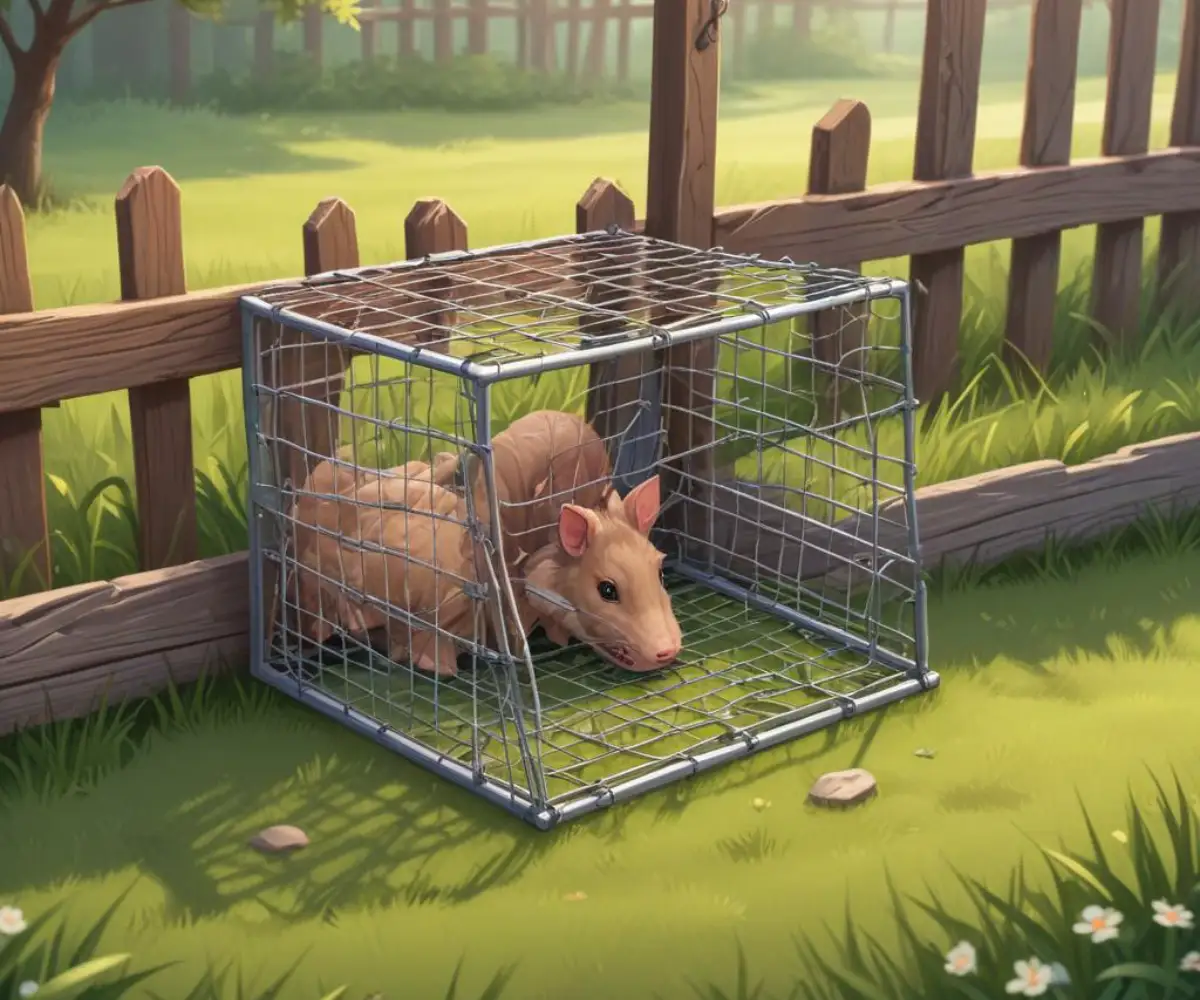
Option 3: Humane Dispatch as a Last Resort
In some situations, such as when an animal is clearly sick or injured, or when relocation is illegal, euthanasia may be the only option. However, drowning is never the correct method. The AVMA provides guidelines on methods that cause rapid unconsciousness and death with minimal pain and distress.
For wildlife, this often involves a properly placed gunshot with a suitable caliber firearm or the use of a carbon dioxide chamber. These methods should only be performed by those who are trained, licensed, and legally permitted to do so. For the average homeowner, attempting these methods can be unsafe and illegal. Therefore, even in this scenario, contacting a wildlife professional or local animal control is the most responsible course of action.
Comparing Your Options: A Clear Path Forward
To make the decision easier, consider the following table which breaks down the different methods based on key factors. This will help you visualize why certain choices are far superior to others in terms of legality, safety, and ethics.
| Method | Legality | Humane Level | Personal Risk | Effectiveness |
|---|---|---|---|---|
| Drowning | Illegal in most areas | Extremely Inhumane | High (Risk of being sprayed, injury) | Low (Stressful, messy, problematic) |
| Live Release | Legal (Check local rules) | Highly Humane | Low (When done correctly with a blanket) | High (Solves the immediate problem) |
| Professional Removal | Legal | Humane (Professionals use approved methods) | Very Low | Very High (Solves problem and prevents recurrence) |
| Humane Dispatch (DIY) | Highly Regulated / Often Illegal | High (If done correctly) | High (Requires skill and safety precautions) | Variable (High risk of failure if inexperienced) |
Long-Term Solutions: How to Prevent Future Skunk Encounters
Catching and removing a skunk is only half the battle. To ensure you don’t find yourself in this situation again, you need to address the root causes that attracted the skunk to your property. This involves making your home and yard less inviting.
Eliminate Food and Water Sources
Skunks are opportunistic omnivores and are drawn to easily accessible food. The most effective preventative measure is to remove these attractants. Secure your garbage cans with tight-fitting lids or store them in a garage or shed.
Do not leave pet food or water bowls outside overnight. If you have fruit trees, be sure to clean up any fallen fruit promptly. Bird feeders can also be a significant attractant, as skunks will eat the spilled seeds, so consider using models that minimize waste or removing them temporarily if you have a persistent skunk problem.
Secure Potential Shelters and Dens
Skunks are always looking for a safe, dark, and dry place to create a den. Porches, decks, sheds, and crawl spaces are ideal locations. To prevent skunks from moving in, you must block access to these areas.
Use sturdy hardware cloth or wire mesh to seal off any openings. The mesh should be buried at least 6-12 inches deep and bent outward in an “L” shape to prevent them from digging underneath it. Properly securing these areas is a fundamental part of wildlife exclusion. When doing DIY projects like this, you might encounter frustrating moments, much like when a mounting bracket doesn’t fit a junction box, but taking the time to ensure a perfect, gap-free fit is essential for success.
Understanding Skunk Behavior: Knowledge is Your Best Defense
Understanding why a skunk behaves the way it does can demystify the animal and empower you to handle encounters confidently. They are not aggressive creatures and prefer to avoid conflict whenever possible. Their infamous spray is a defense mechanism used only when they feel cornered and threatened.
Decoding the Warning Signs
A skunk will almost always give a series of clear warnings before it sprays. Recognizing these signals is key to avoiding getting sprayed. If you see a skunk, watch for these behaviors:
- Stomping its front feet: This is one of the most common initial warnings.
- Hissing or growling: These vocalizations are a clear sign of agitation.
- Raising its tail: This is the final warning before it turns its back to spray.
If you see any of these signs, stop moving and back away slowly and quietly. Do not make direct eye contact, as this can be perceived as a threat. By giving the skunk space, you are showing it that you are not a danger, and it will almost always retreat without spraying.
The Purpose of Skunks in the Ecosystem
While they can be a nuisance, skunks play a beneficial role in the local ecosystem. They are excellent predators of common garden and lawn pests, including grubs, insects, beetles, and small rodents like mice and voles. By controlling these populations, they can actually help protect your garden and lawn from damage.
Reframing your perspective on skunks can help in managing them more patiently. They are not malicious animals trying to cause trouble; they are simply trying to survive by finding food and shelter. Often, the most sustainable solution is to make your property less attractive to them so they will naturally choose to go elsewhere.
A Note on Outdoor Electrical Safety
While securing your property from wildlife, take the opportunity to inspect outdoor areas for other potential hazards. Ensure that all exterior electrical outlets, especially those near decks or sheds where animals might seek shelter, are up to code. A properly functioning switched GFCI outlet provides crucial protection against electrical shock in damp outdoor environments and should be checked regularly.
Final Thoughts on Responsible Wildlife Management
Encountering a trapped skunk can be a stressful event, but it is a manageable one. The key is to approach the situation with a clear understanding of your legal and ethical responsibilities. Drowning is never an acceptable solution; it is an illegal act of cruelty that creates more risks than it solves.
By choosing a humane alternative like releasing the animal correctly or calling a professional, you ensure a safe and effective outcome. Taking the extra step to skunk-proof your property by removing attractants and sealing potential dens will provide a lasting solution. Responsible wildlife management is about finding ways to coexist, and with the right knowledge, you can resolve conflicts peacefully and effectively.