If you are shopping for vinyl replacement windows, the Pella 150 and 250 Series will almost certainly appear on your shortlist. Both wear the same badge, both are sold through Lowe’s and Pella’s dealer network, and both promise energy-efficient vinyl construction at a price that undercuts Pella’s wood and fiberglass lines. The similarity ends there. The 150 Series is a builder-grade product built to hit a budget, while the 250 Series is Pella’s retail flagship vinyl window, with a heavier frame, more glass options, and a wider style menu. This guide breaks down the real differences so you can decide whether the 250’s upgrades justify the price jump for your home.
The Short Answer: Positioning and Price
The clearest way to understand the difference is by market position. The 150 Series, formerly sold under the Encompass name, is Pella’s entry-level vinyl line. It is designed for budget-conscious replacements, rentals, and projects where basic performance is enough. The 250 Series sits one tier up as the mainstream retail vinyl product, with a broader assortment and engineering upgrades aimed at homeowners who plan to stay put.
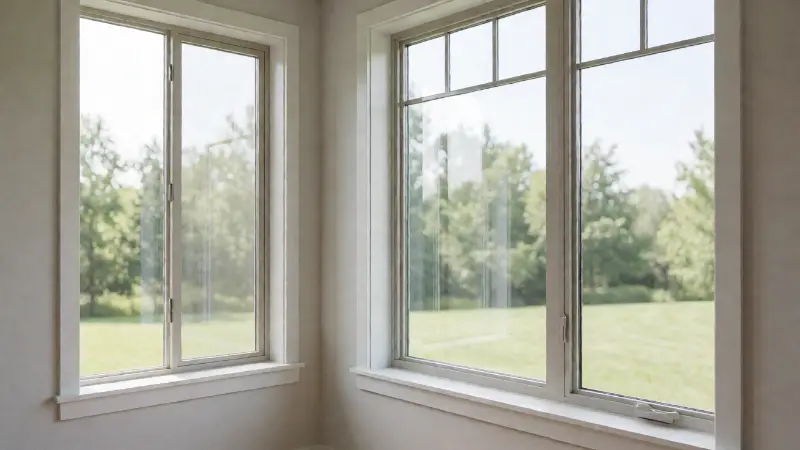
That positioning shows up immediately in pricing. Published ranges for the 150 Series start around $150 per window for the unit itself and run roughly $350 to $850 installed depending on size and region. The 250 Series starts closer to $250 per unit, with installed prices commonly quoted in the $450 to $1,350 range. For a whole-house project, the gap compounds quickly. A ten-window job might land in the $1,500 to $2,500 material range for the 150 and $2,500 to $4,000 for the 250 before labor, which is why the choice often comes down to how long you intend to own the home.
Frame Construction and Structural Differences
Both windows use vinyl frames, but the extrusions are not the same. The 250 Series uses a multi-chambered PVC profile with fully fusion-welded corners. The internal chambers act as insulated air pockets that slow heat transfer through the frame, and the welded corners eliminate mechanical fasteners that can loosen over time. The 250 frame is also noticeably heavier than builder-grade vinyl, with walls that resist flexing when shimmed during installation.
The 150 Series uses a simpler, thinner frame profile with fewer insulating chambers. It is a functional vinyl window, and it meets basic performance requirements, but it is not engineered to the same structural standard. The 250 also offers optional foam filling in key frame and sash chambers, which stiffens the extrusion and improves thermal performance. For large window openings or homes in windy areas, the heavier 250 frame is the more forgiving choice.
Performance and Energy Efficiency
Both series offer dual-pane Low-E insulating glass as a baseline, and both can meet ENERGY STAR requirements in many climate zones. The 250 Series pulls ahead in two ways: glazing upgrades and air sealing. The 250 offers optional triple-pane glass, which creates two insulating air spaces and can push U-factors into the 0.19 to 0.22 range depending on the package. The 150 Series is a dual-pane product without the triple-pane option.
Air infiltration is the other differentiator. The 250 Series uses a triple-weatherstrip design that reduces air leakage compared with the standard weatherstripping on the 150. Published testing for the 250 shows air infiltration around 0.02 to 0.10 cfm per square foot depending on the style. The 150 is tighter than a poorly sealed wood window, but it does not match the 250’s sealing package. If you are replacing windows to cut drafts or heating bills, the 250’s combination of frame insulation and weatherstripping is a meaningful upgrade.
| Feature | Pella 150 Series | Pella 250 Series |
|---|---|---|
| Market position | Entry-level / builder-grade vinyl | Mainstream retail vinyl flagship |
| Frame profile | Simpler vinyl profile, fewer chambers, thinner walls | Multi-chambered PVC, fusion-welded corners, heavier walls |
| Foam insulation | Not a standard feature | Optional or standard depending on configuration |
| Weatherstripping | Standard weatherstrip | Triple-weatherstrip design |
| Glass options | About 5 options, dual-pane only | About 8 options, including triple-pane |
| Available styles | Single-hung, double-hung, sliding | Awning, casement, single-hung, double-hung, picture, sliding |
| Typical unit price | Roughly $150 to $425 depending on size | Roughly $250 to $950 depending on size and options |
| Typical installed price | Roughly $350 to $850 per window | Roughly $450 to $1,350 per window |
| Warranty | Limited lifetime frame, 10-year glass seal | Limited lifetime frame, 10-year glass seal, similar structure |
Style and Configuration Options
The 150 Series is deliberately limited. It covers the three most common replacement configurations: single-hung, double-hung, and sliding windows. That is enough for a straightforward bedroom or living room swap, but it leaves gaps if you need a casement for a kitchen sink, an awning for a bathroom, or a picture window for a large opening.
The 250 Series doubles the menu to six styles: awning, casement, single-hung, double-hung, picture, and sliding. It also offers a wider range of sizes and a broader exterior color palette, including darker options that the 150 does not carry. Hardware choices are more extensive on the 250, including upgraded balance systems and finish options. If your project involves a mix of window types or you care about matching a specific exterior color scheme, the 250 is the only one of the two that can cover the whole house.
Glass and Glazing Choices
The 150 Series offers roughly five glass options, including clear Low-E, advanced Low-E, tempered, obscure, and bronze-tinted. The 250 Series expands to about eight, adding NaturalSun Low-E with argon, SunDefense Low-E for hot climates, and the triple-pane upgrade. For a home in a cold climate, the 250’s AdvancedComfort Low-E coating can push the U-factor toward 0.26 on a double-pane unit. For a home in intense sun, the SunDefense coating targets a lower solar heat gain coefficient. Those climate-specific coatings are not part of the 150’s menu.
Warranty and Long-Term Protection
Warranty terms on both series are more similar than the marketing suggests. Both carry a limited lifetime warranty on the vinyl frame for the original homeowner, and both carry a 10-year warranty on the insulating glass seal against premature failure. Pella’s broader vinyl warranty documentation describes a transferable 20-year limited warranty on glass for its vinyl windows, but the coverage structure and exclusions matter more than the headline number.
Neither warranty is a maintenance contract. Labor is typically covered for a limited period, and the warranty does not cover damage from improper installation, substrate movement, or extreme weather events. Keep your purchase documentation and register the product if the process is offered. If you are comparing this to other big-ticket home purchases, the same principle applies to appliance and system warranties: the written terms and the exclusions tell you more than the brochure.
Installation Considerations
Both series can be installed as replacement windows or in new construction, and both are sold through Lowe’s as well as Pella’s dealer network. The 250 Series offers an integral nail fin and optional fold-out installation flanges, which make new-construction and full-frame retrofits cleaner. The heavier frame also gives installers more material to work with when shimming and squaring the opening. The 150’s thinner frame is less forgiving if the rough opening is out of square, because there is less material to bridge gaps and maintain a consistent reveal. Before closing up walls, it’s wise to check neutral and ground continuity in any circuits you disturb.
Installation labor is generally similar for both series and is driven by the opening conditions and trim details rather than the window brand. If you are hiring out the project, get quotes that specify the series, the glass package, the installation method, and the disposal of old windows. A low bid that swaps a 250 for a 150 without telling you is a common way to make a quote look cheaper than it is. Just as you would investigate hot and neutral continuity before assuming a circuit is safe, you should verify the series and options in every quote.
Which Series Fits Which Homeowner
The 150 Series makes the most sense for rentals, flips, garage and shed windows, and budget-driven replacements where the windows are functional but dated and the owner does not plan to stay for decades. It is also reasonable for a single window in a low-stress location where the style options and thermal upgrades of the 250 would be wasted. If the goal is to replace ten windows on a fixed budget, the 150 keeps the project moving. This is similar to comparing Champion spark plugs, where subtle differences determine the right fit.
The 250 Series is the better fit for a primary residence, new construction, and any project where energy performance, style consistency, or long-term durability matters. It is the line most homeowners are actually quoted for a reason: it covers the full range of window types, supports triple-pane glass, and has the frame engineering to handle larger openings. If you are planning to stay in the home through multiple heating and cooling seasons, the incremental cost per window is easier to justify.
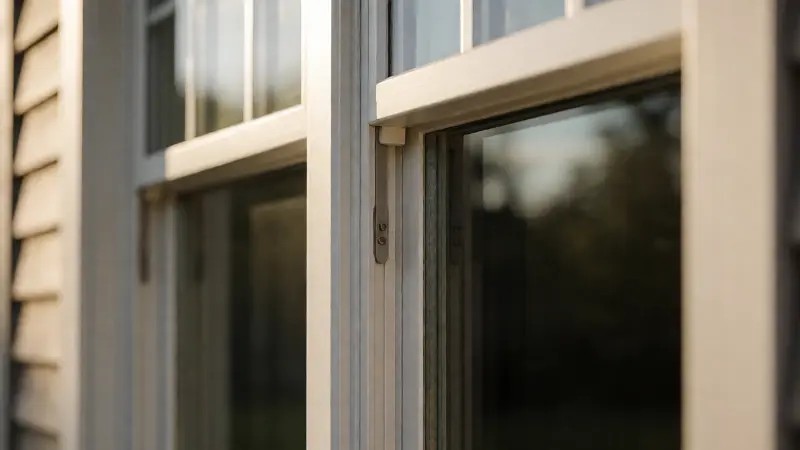
One practical compromise is to use the 250 for the most visible and most weather-exposed windows and the 150 for secondary locations such as a garage, basement, or utility room. That approach keeps the budget in check while putting the better-performing product where it does the most good. Just be aware that mixing series can create visible differences in frame profile and sightlines, so check samples side by side before committing.
Common Mistakes When Comparing Pella 150 and 250
- Comparing unit prices without installation. The installed price gap is smaller than the unit price gap in some markets, but it is still real; get full-project quotes.
- Assuming the warranty is identical. Read the exclusions and the labor coverage, not just the years.
- Forgetting the glass package. A 250 with a basic double-pane package is not the same product as a 250 with triple-pane and foam fill.
- Ignoring style limits. The 150 cannot cover casement or awning openings, so a mixed-style house may need the 250 anyway.
- Skipping the site check. Rough openings, trim, and flashing details can erase the savings of the cheaper series if they require extra labor.
- Not verifying the seller. Both series are sold through multiple channels, and dealer pricing varies; confirm you are comparing the same series and options.
FAQ
Is the Pella 250 worth the extra cost over the 150?
For a primary residence where you plan to stay long-term, the 250’s heavier frame, triple-weatherstrip design, and broader glass and style options generally justify the price difference. For a rental, flip, or budget-limited replacement where basic performance is sufficient, the 150 can be the more sensible choice. The decision depends on how much you value energy performance and design flexibility.
What is the main difference between Pella 150 and 250 windows?
The 250 Series uses a heavier, multi-chambered vinyl frame with fusion-welded corners, a triple-weatherstrip design, and a wider menu of styles and glass packages including triple-pane. The 150 Series is a simpler, thinner-framed entry-level vinyl window with fewer styles and no triple-pane option. The 250 is the upgraded product in almost every measurable category.
Are Pella 150 windows energy efficient?
Yes, the 150 Series offers dual-pane Low-E insulating glass and can meet ENERGY STAR requirements in many climate zones. It does not offer triple-pane glass or the same level of frame insulation and air sealing as the 250, so it is less efficient in extreme climates or in homes where draft reduction is the primary goal.
Do Pella 150 and 250 windows have the same warranty?
Both carry a limited lifetime warranty on the vinyl frame and a 10-year warranty on the insulating glass seal, with similar exclusions for improper installation and substrate issues. Pella’s broader vinyl documentation also references transferable glass coverage, but the practical coverage depends on the specific product and the written terms. Compare the exclusions and labor coverage rather than the headline years alone.
Can I buy Pella 250 windows at Lowe’s?
Yes, both the 150 and 250 Series are sold through Lowe’s as well as Pella’s dealer network. Availability of specific styles, sizes, and glass packages can vary by store and region, so confirm the exact configuration before ordering. Dealer pricing may differ from big-box pricing, so it is worth getting more than one quote.
Which Pella vinyl series is best for cold climates?
The 250 Series is the stronger cold-climate choice because it offers AdvancedComfort Low-E, optional foam-filled frames, and triple-pane glass, all of which help lower the U-factor. The 150 Series can still be specified with Low-E glass, but it lacks the same range of cold-weather upgrades. For severe cold, the 250 with a cold-climate glass package is the more appropriate specification.