You scraped a popcorn ceiling, then noticed a warning label or a test report. Now you are worried about asbestos. The first step is not panic. It is containment.
An accidental removal can release microscopic fibers. Those fibers can settle on floors, furniture, and ductwork. Quick action can reduce the spread and protect your household.
This guide explains what to do, what not to do, and when to call a licensed professional. It also covers testing, cleanup, disposal, health risks, insurance, and prevention.
What an Accidental Removal Really Means
Asbestos popcorn ceiling removal is regulated for a reason. The texture is often friable, meaning it crumbles easily. Scraping, sanding, or even brushing can release fibers.
The danger is not only the chunks you see. The bigger concern is the fine dust that travels through air. That dust can remain suspended for hours and settle on surfaces.
If the ceiling was wet, painted, or covered, the release may be lower. However, no one can promise safety without testing. Treat any pre-1980 popcorn ceiling as asbestos-containing until a lab says otherwise.
Why Popcorn Ceilings Contain Asbestos
Builders used asbestos in popcorn ceiling texture from the 1950s through the 1980s. It added fire resistance, sound dampening, and texture. Many products contained 1% to 10% asbestos, though some had more.
Common asbestos types in ceiling texture include chrysotile and, less often, tremolite. The exact risk depends on fiber type, concentration, and how much was disturbed.
How Much Asbestos Is in Popcorn Ceiling?
There is no single answer. One home may have 2% chrysotile. Another may have 8% or more. Some ceilings contain asbestos only in the joint compound beneath the texture.
That is why a single scrape sample can miss the full picture. Multiple layers may need testing. The popcorn, skim coat, and drywall joint compound can all contain asbestos.
The Hidden Layers Most People Forget
Many articles focus only on the textured coating. In real renovations, the joint compound and patching materials often contain asbestos too. If those layers were disturbed, testing only the popcorn is incomplete.
Painted popcorn ceilings create another twist. Paint can bind some fibers, but scraping breaks the paint film. The broken edges can still release asbestos dust and larger friable pieces.
Ask the lab to analyze each distinct layer separately. This detail can change the abatement plan and the clearance strategy.
Immediate Emergency Steps: The First 30 Minutes
Act quickly, but do not rush into the debris cloud. Protect your lungs first. Then isolate the area and stop air movement.
Stop, Isolate, and Protect
Stop all scraping, sanding, or demolition immediately. Keep everyone out of the room, especially children, pregnant people, and pets. Close the door if possible.
Put on a P100 respirator if available. Use disposable coveralls, gloves, eye protection, and boot covers. If you do not have proper PPE, leave the area and call a professional.
Do not eat, drink, or smoke in the contaminated area. Those actions increase hand-to-mouth contact and fiber ingestion.
Shut Down Air Movement
Turn off central HVAC, fans, and portable heaters. Air movement spreads fibers into other rooms. Seal supply and return vents with plastic and tape if you can do so safely.
Do not run a standard vacuum, leaf blower, or shop vac without HEPA filtration. Those machines can exhaust asbestos fibers back into the air.
If the HVAC system was running, assume ductwork may be contaminated. A professional should assess the system before normal use resumes.
Seal the Space
Use plastic sheeting to cover doorways and openings. Seal gaps around pipes, vents, and light fixtures. The same containment principle applies when you seal around a PVC pipe through concrete.
Do not use a box fan to create negative pressure unless you have a HEPA air scrubber. A fan can make the contamination worse. Proper negative air machines are part of professional abatement.
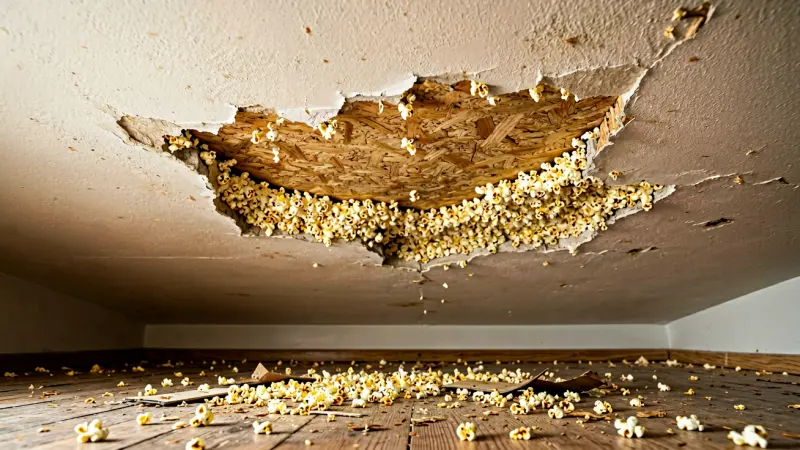
The Cleanup Protocol That Actually Reduces Exposure
Cleanup is not the same as ordinary housework. Dry methods are forbidden. Wet methods and HEPA filtration are the minimum.
Wet Methods and HEPA Vacuuming
Mist debris with amended water before disturbing it. Amended water is plain water with a few drops of dish soap. It reduces surface tension and helps keep fibers from becoming airborne.
Wipe surfaces with wet cloths or paper towels. Use a true HEPA vacuum with a sealed system and HEPA filter. A household vacuum labeled “HEPA” may still leak.
Work from clean areas toward dirty areas. Do not sweep, dust, or use compressed air. Those steps scatter fibers and defeat containment.
Bagging and Disposal
Place debris in heavy 6-mil polyethylene bags. Double bag the material and seal each bag with tape. Label the bags as asbestos-containing waste.
Check local rules before placing anything in regular trash. Many landfills require an appointment, manifest, or special packaging. Some municipalities accept homeowner disposal, but others require a licensed hauler.
Keep bags closed and stored away from living areas until disposal. Do not break up large pieces to fit them into smaller bags. That creates more dust.
Decontamination for People and Pets
Remove outer clothing carefully and bag it. Shower with warm water and soap. Wash hair thoroughly, but avoid harsh scrubbing that could irritate skin.
Do not shake contaminated clothes. If they cannot be cleaned safely, discard them as asbestos waste. Wash contaminated items separately from family laundry.
Pets may carry fibers in fur and paws. Keep them out of the area and consult a veterinarian if they were in the debris. A damp wipe of paws and fur may help, but avoid spreading dust.
When to Call a Professional Asbestos Abatement Team
Call a licensed asbestos abatement contractor for any significant disturbance. Popcorn ceilings are friable, so most accidental removals qualify as significant.
Also call an industrial hygienist if you need testing, air monitoring, or clearance. These are separate roles. The abatement contractor removes the material; the hygienist verifies safety.
Keep emergency contacts ready for other household hazards too. For example, know who do you call for a downed cable line before a storm causes exterior damage.
Signs You Should Not DIY
Do not DIY if the ceiling covers more than a small patch. Do not DIY if the HVAC was running or debris spread beyond one room. Do not DIY if anyone in the home has lung disease or a compromised immune system.
Do not DIY if you lack a P100 respirator, sealed HEPA vacuum, disposable coveralls, and proper disposal options. Without those controls, cleanup can increase exposure.
Do not DIY if the material is already crumbling, dusty, or tracked through the house. Those conditions call for professional containment and decontamination.
What a Pro Will Do
Professionals build critical barriers and use negative air machines with HEPA filters. They wear full PPE and follow regulated work practices. They also use amended water, HEPA vacuums, and proper waste bags.
After removal, they clean surfaces and perform visual inspections. Air samples are often collected to confirm clearance. Reoccupancy happens only after the hygienist approves.
Ask for licenses, insurance, certifications, and a written scope. Confirm how they will handle disposal and clearance testing before work begins.
Testing and Clearance: Air, Dust, and Debris Samples
Testing is essential, but timing matters. If the ceiling is intact, test before disturbing it. If it was already removed, test the debris and settled dust.
Lab Accreditation and Sample Types
Use an accredited laboratory for asbestos analysis. In the United States, look for NVLAP or AIHA accreditation. PLM is common for bulk samples, while PCM or TEM is used for air samples.
Bulk samples identify asbestos in the material. Air samples estimate airborne fiber levels. Dust wipe samples can reveal settled contamination that air sampling misses.
For an accidental removal, dust wiping is often more useful than a single air test. Asbestos fibers settle quickly onto horizontal surfaces. Air results alone can look clean while dust remains.
Clearance Criteria and Reoccupancy
Clearance criteria vary by state, project type, and hygienist. Many residential projects use visual inspection plus air sampling below a set threshold. Some require TEM for greater sensitivity.
Do not reoccupy the space just because the air looks clear. Visible dust, debris, and damaged surfaces must be cleaned or removed. The hygienist should provide written clearance.
If clearance fails, additional cleaning or abatement is required. Do not paint over contaminated surfaces to hide the problem. That can trap fibers but not eliminate the hazard.
Health Risks and Exposure Questions
Asbestos risks are real, but they are dose-dependent. A one-time small exposure is not the same as years of occupational exposure. Still, no safe exposure level has been established.
One-Time Exposure vs Ongoing Exposure
The highest risk comes from repeated or prolonged inhalation. An accidental scrape can create a short-term exposure. The goal is to prevent that exposure from becoming ongoing.
Smoking greatly increases the risk of asbestos-related lung cancer. People with existing lung disease should be especially cautious. Children may be more vulnerable because their lungs are still developing.
Do not use this information to self-diagnose. Use it to decide how aggressively to contain, clean, and test the area.
Symptoms, Latency, and Medical Follow-Up
Asbestos-related diseases often take 10 to 40 years to appear. Shortness of breath, persistent cough, and chest pain can have many causes. Tell your doctor about the exposure so it is in your medical history.
There is no routine test that proves a single asbestos exposure. A doctor can assess symptoms and risk factors. If you develop unexplained respiratory symptoms later, share the exposure history.
Stop smoking, avoid further asbestos exposure, and follow up on lung health. Those steps reduce total risk and support early detection of other conditions.
Insurance, Landlord, and Legal Issues
Financial and legal concerns often follow an accidental removal. Document everything before cleanup if it is safe to do so. Photos, samples, receipts, and written messages can matter later.
If a Contractor Caused the Damage
Stop work and ask the contractor to stop disturbing the material. Request their asbestos license, insurance, and abatement plan. Notify your state or local asbestos program if they refuse to comply.
Do not sign a release or final payment until testing and clearance are complete. If the contractor created the hazard, they may be responsible for cleanup. Keep a timeline of events and all communications.
If the incident occurred at a workplace, OSHA reporting rules may apply. Employees should report the exposure to a supervisor and safety officer.
If You Rent or Own
Renters should notify the landlord in writing immediately. Landlords generally must address asbestos hazards and arrange proper abatement. Keep copies of every message and photo.
Homeowners insurance often excludes asbestos abatement. Some policies may cover sudden accidental damage, but coverage varies. Call your insurer before assuming the cost is covered.
Keep receipts for PPE, testing, hotel stays, and professional cleanup. These records may support an insurance claim or legal claim if someone else caused the disturbance.
Prevention for Future Renovations
The best time to deal with asbestos is before demolition. Test first, plan second, and remove third. That order protects your health and your budget.
Test Before You Touch
Assume popcorn ceilings in homes built before 1980 contain asbestos. Also consider ceilings built into the early 1980s. Test multiple samples from different rooms and layers.
Do not rely on a home inspector’s visual opinion. Only a lab analysis can confirm asbestos. If the test is positive, hire a licensed abatement contractor.
If the test is negative, keep the report. Future buyers, contractors, and insurance companies may ask for it.
Safer Renovation Planning
Plan containment before any ceiling work. Move furniture, seal vents, and protect floors. Use HEPA filtration and wear proper PPE even when asbestos is not expected.
Address unrelated moisture and structural issues before scraping. For example, verify details like deck height below door threshold to prevent water damage that leads to rushed ceiling repairs.
Hire trained professionals for any friable material. A small mistake can turn a weekend project into a costly abatement job.
Table: Do and Don’t for Accidental Asbestos Popcorn Removal
| Action | Do This | Avoid This |
|---|---|---|
| Stop work | Stop scraping and keep people out. | Continuing to scrape or sand. |
| Air control | Turn off HVAC and seal vents. | Running fans, heaters, or central air. |
| Cleaning | Use wet methods and a sealed HEPA vacuum. | Dry sweeping, dusting, or compressed air. |
| Debris | Double bag in 6-mil poly and label. | Putting loose debris in regular trash. |
| PPE | Wear P100, coveralls, gloves, and eye protection. | Working without respiratory protection. |
| Testing | Use an accredited lab or hygienist. | Trusting a visual inspection alone. |
| Reoccupancy | Wait for written clearance. | Returning because the room looks clean. |
Final Thoughts: Containment First, Panic Second
An accidental asbestos popcorn ceiling removal is stressful, but the response can be systematic. Stop the disturbance, isolate the area, and avoid dry cleanup methods.
Call a licensed abatement contractor and an industrial hygienist when needed. Test the material and settled dust, then wait for written clearance before reoccupying the space.
Document everything and protect vulnerable people and pets. With careful action, you can reduce the spread and make informed decisions about cleanup, health, and liability.