Navien tankless water heater reviews often send homeowners in two opposite directions. Some owners praise endless hot water and lower energy bills, while others report error codes and costly repairs. The truth usually sits between those extremes and depends on sizing, installation, water quality, and maintenance.
This guide cuts through the noise for home and garden readers. It explains what Navien does well, where complaints come from, and how to choose a model that fits a real household. It also covers the maintenance habits that keep a tankless unit reliable for years.
Why Navien Tankless Water Heater Reviews Are So Divided
A tankless water heater is not a simple swap for a tank. It must match the home’s hot water demand, gas supply, venting path, and water chemistry. A glowing review from a soft-water home with a professional install may not reflect a hard-water home with a rushed replacement.
Many low-star reviews describe installation problems, not product defects. Others describe maintenance neglect that would damage any brand. Reading reviews with that context makes the feedback far more useful.
Product Quality Versus Installation Quality
Navien units are engineered well, but they are sensitive to poor setup. Gas pressure, vent length, condensate drainage, and water flow all affect performance. If any of those are wrong, the heater may cycle, lock out, or produce inconsistent temperatures.
Homeowners should separate the equipment from the installer. A five-star review often means the installer performed a proper load calculation and commissioning. A one-star review may mean the unit was undersized or vented incorrectly.
Household Habits Shape the Experience
A family of five taking back-to-back showers asks more of a tankless heater than a couple using one bathroom. Incoming groundwater temperature also matters. Cold winter water reduces flow capacity, even when the model is rated for a higher number.
Recirculation settings, fixture flow rates, and simultaneous appliance use change results. Reviews rarely mention these details, yet they explain many comfort complaints. Buyers should evaluate the whole system, not just the box on the wall.
What Navien Brings to a Home
Condensing Efficiency and Space Savings
Many Navien tankless models use condensing technology to capture heat that would otherwise escape. This can deliver high efficiency and lower standby losses compared with a storage tank. The wall-mounted design also frees up garage or utility room space.
That space savings matters in home and garden planning. A compact unit can open room for storage, a workbench, or a mudroom upgrade. It can also reduce the visual clutter of a large tank in a finished basement.
Recirculation and Endless Hot Water
Some Navien models include built-in recirculation pumps and buffer tanks. These features reduce the wait for hot water at distant fixtures. They are especially useful in long ranch homes, two-story houses, and bathroom-heavy layouts.
Recirculation is not automatically efficient, however. Running it constantly can increase energy use. Scheduling it for morning and evening demand usually gives better comfort without wasting heat all day.
Smart Controls and Monitoring
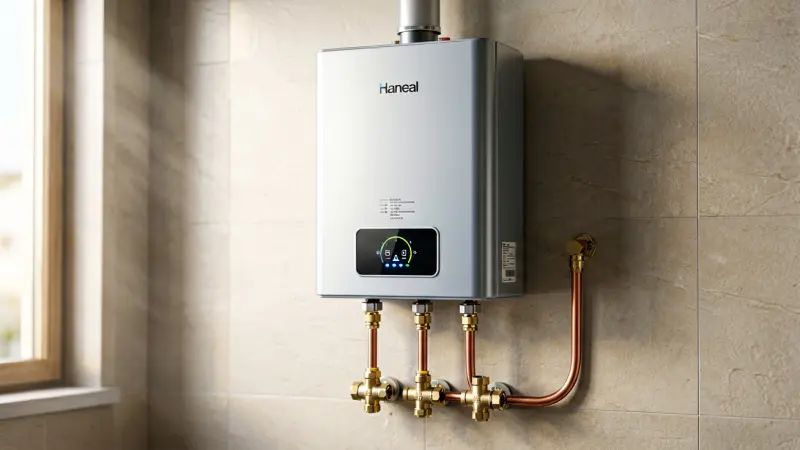
Navien’s Wi-Fi accessories can let homeowners monitor status and adjust settings. Some systems report error codes and maintenance reminders through an app. That convenience helps, but it does not replace annual service.
Smart monitoring is most valuable when it catches a small issue early. A rising error log or repeated ignition fault can signal a dirty flame rod, low gas pressure, or condensate blockage. Addressing those early prevents bigger failures.
Navien Tankless Water Heater Model Comparison
| Model | Best For | Review Highlights | Common Watch-Outs | Maintenance Focus |
|---|---|---|---|---|
| NPE-180A2 | Small homes, 1–2 bathrooms | Compact size, built-in recirculation, good efficiency | May struggle with multiple high-flow fixtures in cold climates | Descale based on water hardness and clean condensate trap |
| NPE-210A2 | Medium homes, 2–3 bathrooms | Strong hot water delivery, quieter operation for many owners | Requires proper gas line and venting; installation cost can surprise | Check inlet filter, flame rod, and recirculation settings |
| NPE-240A2 | Large homes, 3+ bathrooms | High capacity, recirculation support, consistent temperature | Higher upfront cost; condensate management is critical | Annual descaling and condensate neutralizer checks |
| NPE-240S2 | Value-focused homes with moderate demand | Simple operation, strong flow, fewer recirculation parts | Longer wait at distant fixtures without a recirculation loop | Flush heat exchanger and verify vent termination |
| NCB-240/130H | Homes needing space heating and domestic hot water | Dual-purpose combi design saves equipment space | Complex installation; heating loop design must be correct | Service both domestic water and hydronic sides |
The Most Common Owner Complaints in Navien Reviews
Error Codes and Unexpected Shutdowns
Error codes appear in many negative reviews, but the code is a symptom rather than a verdict. Ignition faults, flame failures, and condensate issues often trace back to gas pressure, dirty components, or blocked drainage. A qualified technician can diagnose the cause instead of replacing parts blindly.
Frequent lockouts may also point to scale or airflow problems. In hard-water areas, the heat exchanger can clog slowly and create odd noises or temperature swings. Cleaning the condensate trap and descaling the unit often restore normal operation.
Hard Water and Scale Buildup
Hard water is one of the biggest hidden factors in tankless water heater reviews. Scale narrows the heat exchanger passages and reduces flow. That makes the unit work harder and can trigger error codes or uneven hot water.
A water hardness test before purchase is more useful than a review average. If hardness is high, a water softener or regular descaling plan should be part of the budget. Ignoring water chemistry is a common reason owners become unhappy with any tankless brand.
Installation Cost, Gas Lines, and Venting
Tankless installation often costs more than a tank replacement. Many homes need a larger gas line, a dedicated vent, a condensate drain, and an electrical outlet. These upgrades are necessary for safety and warranty compliance.
Low-star reviews sometimes blame the heater for what is really a site limitation. A utility closet may be too tight, a vent may be too close to a window, or the gas meter may lack capacity. A good installer identifies those issues before the unit is mounted.
Noise, Vibration, and Condensate
Normal tankless operation includes fan and combustion sounds. Banging, whistling, or gurgling usually means something needs attention. Scale, trapped air, or a clogged condensate line can create noises that owners describe as alarming.
Mounting matters too. A sturdy wall and isolated pipes reduce vibration transfer into living spaces. Condensate should drain through a neutralizer because it is slightly acidic. Routing it directly onto garden beds or concrete can cause damage over time.
How to Read Navien Tankless Water Heater Reviews Like a Pro
Separate Installer Quality from Heater Quality
Look for reviews that mention the installation company, not just the brand. Details about gas pressure, vent length, and commissioning reveal whether the reviewer had a proper setup. Reviews without those details are less helpful for comparison.
A professional install includes a load calculation based on fixtures and incoming water temperature. It also includes permit inspection where required. Those steps protect performance and warranty coverage more than any marketing claim.
Check Maintenance History
A one-year review says little about long-term durability. A five-year review is far more valuable if it mentions descaling, filter cleaning, and condensate service. Units that receive regular care tend to earn better reviews.
Homeowners should keep a simple log of service dates, error codes, and parts replaced. That record helps with warranty claims and future troubleshooting. It also makes resale documentation stronger if the home is sold.
Match the Model to Water Chemistry and Climate
Cold groundwater reduces the temperature rise a unit can achieve. A model that feels powerful in Florida may feel weaker in a northern state during winter. Buyers should size for the coldest incoming water, not the average.
Hard water demands a different plan than soft water. A softener, scale inhibitor, or frequent descaling schedule may be needed. Matching the model to those realities prevents many of the complaints found online.
Navien Maintenance Plan That Actually Works
Descaling the Heat Exchanger
Descaling removes mineral buildup from the domestic water side. The process uses a pump, hoses, and manufacturer-approved descaling solution. Isolation valves make the job faster and cleaner.
Frequency depends on water hardness and usage. A hard-water home may need service every 6 to 12 months, while a soft-water home may stretch to 12 to 18 months. The unit’s performance and error history should guide the schedule.
Condensate System and Neutralizer
The condensate trap and neutralizer need regular inspection. Sludge, debris, or frozen drainage can block the line and shut down the heater. Neutralizer media also depletes and must be replaced.
In cold climates, protect the condensate line from freezing. A frozen line can mimic a major internal failure. Insulation, proper slope, and a heated path can prevent winter lockouts.
Venting, Air Intake, and Filters
Vent terminals must stay clear of leaves, snow, lint, and nesting birds. Intake screens should be cleaned so airflow remains steady. Blocked air paths cause incomplete combustion and error codes.
The inlet water filter should also be checked during service. Debris from municipal water or well systems can restrict flow. Clean filters help the unit maintain stable temperature during showers and appliance use.
Error Code Logging and Wi-Fi
Recording error codes helps a technician see patterns. A single lockout may be weather-related, but repeated codes suggest a developing issue. Wi-Fi monitoring can make that pattern easier to catch.
Keep the manual or a photo of the error code chart near the unit. That small step saves time during service calls. It also helps homeowners describe the problem clearly instead of guessing.
Installation Checklist for Home and Garden Projects
Choose a location that allows proper venting, drainage, and service access. A garage, basement, or utility closet may work, but clearances must match the manual. Keep the vent away from windows, doors, and outdoor living areas.
Confirm the gas meter and line size can support the unit. Tankless heaters often need more gas capacity than tank models. An undersized supply causes ignition faults and disappointing performance.
Plan the electrical supply before drywall or landscaping goes back in place. If a new outlet is needed, understand the difference between pigtail vs daisy chain outlets before wiring. A dedicated circuit prevents nuisance shutdowns.
If a kitchen remodel is part of the project, coordinate the range wiring early. A relocated stove may need a recessed stove outlet before cabinets and backsplash are installed. This keeps the utility upgrade clean and code-compliant.
Whole-home efficiency projects often happen together. Homeowners also replacing older cooling equipment can compare R22 replacement options while planning the mechanical room. That broader planning reduces repeat visits and future surprises.
Route condensate through a neutralizer and away from garden beds. Acidic water can harm plants and stain hardscaping. A neutralizer protects landscaping while keeping the heater compliant.
Cost, Savings, and Rebates: What Reviews Rarely Cover
Navien tankless units usually cost more upfront than tank heaters. Installation can add significant expense because of gas, venting, and electrical work. The final price depends heavily on the home’s existing infrastructure.
Energy savings are real but not unlimited. They depend on hot water use, efficiency rating, recirculation settings, and local utility rates. A tankless unit saves most when standby losses were high and usage is moderate.
Rebates and tax credits can improve the math. Programs vary by location, model efficiency, and installer certification. Homeowners should confirm eligibility before purchase and keep all receipts.
Maintenance costs should be included in the comparison. Annual descaling, filter cleaning, and condensate service are part of ownership. Skipping those costs often leads to expensive repairs later.
Final Verdict: Are Navien Tankless Water Heaters Worth It?
For many homes, a Navien tankless water heater can be a strong choice. It offers space savings, efficient operation, and comfortable hot water when sized and installed correctly. The best reviews come from owners who planned the whole system.
The brand is not a magic fix for hard water, low gas pressure, or poor installation. Homeowners should get multiple quotes and ask detailed questions about sizing, venting, and maintenance. A good installer is as important as the model number.
If the home has hard water, plan for softening or descaling. If the home has long plumbing runs, consider recirculation with a smart schedule. If the home has limited gas capacity, budget for an upgrade before the unit arrives.
Read reviews for patterns, not isolated drama. Look for repeated comments about installation, water quality, and service history. Then choose a Navien model that matches the home’s real hot water demand and maintenance capacity.
With the right setup, a Navien tankless water heater can earn the positive reviews it often receives. With the wrong setup, even the best unit can become a source of frustration. The difference is in the planning, installation, and care that happen around the heater.