Two bags sit side by side on the shelf. Same brand, same dusty color, same promise of a smooth wall. The only difference is a number, and that number decides whether the job goes smoothly or turns into a sanding marathon.
USG Sheetrock Easy Sand 45 and Easy Sand 90 are both setting-type joint compounds. The label value is a countdown clock, not a difficulty rating or a quality tier.
Choosing wrong means either rushing against a hardening pan or waiting hours for a small patch to firm up. This guide explains exactly what changes between the two and how to pick with confidence.
What the Numbers on the Bag Actually Mean
Easy Sand 45 offers roughly 45 minutes of working time. Easy Sand 90 offers roughly 90 minutes. Working time is the window where the mud stays spreadable in the pan and toolable on the wall.
Both products share the same gypsum chemistry. They harden through a chemical crystal reaction the moment water touches powder, which is why they are called setting compounds.
That one fact explains why hot mud works in a cold, humid garage where a bucket of conventional all-purpose mud would stay soft for days. It hardens on its own schedule, not the room’s.
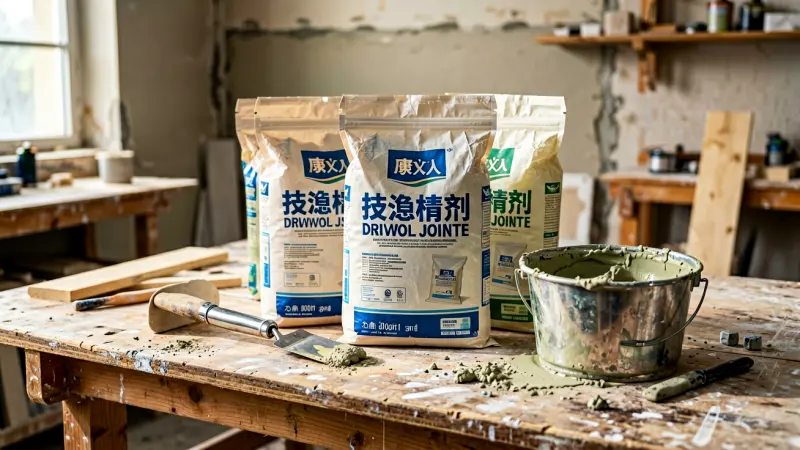
Working Time, Set Time, and Cure Time Are Not the Same
Working time is how long the mud stays plastic in the pan. Set time is when the chemical reaction finishes and the patch reaches initial hardness. Cure time is the longer window before full strength and dryness.
Easy Sand 45 typically sets firm somewhere between 55 and 70 minutes. Easy Sand 90 lands closer to 100 to 130 minutes depending on water temperature and room conditions.
Those extra minutes are not only about speed. They change how the mud stiffens, how forgiving it feels under a knife, and how much a person can safely mix at once.
The Clock Starts When Water Hits Powder
Not when mixing ends. Every second spent stirring, resting, scraping the paddle, or answering the door is deducted from the working window.
In real-world conditions, Easy Sand 45 gives closer to 30 or 35 usable minutes. Plan the batch around that reality rather than the printed label.
Easy Sand 45 vs 90: Side-by-Side Comparison
The table below summarizes the practical differences. Everything else, including color, texture, and base chemistry, is essentially identical between the two bags.
| Feature | Easy Sand 45 | Easy Sand 90 |
|---|---|---|
| Working time | About 45 minutes | About 90 minutes |
| Typical set time | 55 to 70 minutes | 100 to 130 minutes |
| Best job size | Small patches, prefill, short runs | Full rooms, ceilings, long runs |
| Batch size advice | Mix two to three cups at a time | Mix a full pan or hawk load |
| Forgiveness for beginners | Low | High |
| Sandability | Harder, denser | Slightly easier |
| Hot weather behavior | Can set in under 30 minutes | Behaves closer to 45 minutes |
| Cold weather behavior | Stretches, but still quick | Can stretch well past the label |
| Risk of wasted mud | High if mixed in large batches | Low |
| Ideal role on a job | Prefill and tape coat | Fill and finish coats |
Why Working Time Is Really About Batch Size
Most people assume a longer working time simply means they can work slower. In practice, it means they can mix more at once without panic.
A 45-minute compound rewards small batches. Two or three cups of powder mixed at a time keeps every batch fresh and eliminates the frantic final minutes.
A 90-minute compound allows a full pan or a hawk load in one go. That suits large taping runs and anyone still building knife skills.
The real skill is matching batch size to working time rather than fighting the clock.
A Ribbon Test Beats a Stopwatch
Lift the mixing paddle and let the mud fall back into the bucket. A properly mixed batch drops in a thick ribbon that folds on itself and disappears in about five seconds.
If the ribbon stacks up and holds its shape, the mix is too stiff. Stiff mud sets faster, shrinks less, and sands significantly harder.
If the ribbon splashes and vanishes instantly, the mix is too thin. Thin mud sags in thick fills and cracks as it cures.
Why Mixing Thin Buys Extra Minutes
A slightly looser mix genuinely extends the usable window. The reaction needs water, and extra water dilutes the crystal formation early in the process.
The tradeoff is strength and shrinkage. Use this trick only for tape bedding and thin coats, never for deep structural fills.
When Easy Sand 45 Is the Better Choice
Quick turnarounds, small patches, and pre-filling belong to the 45-minute bag. Filling a door-frame gap or bedding tape on a short wall rarely justifies a long working time.
It also excels in warm rooms. Heat accelerates the set, so a bag labeled 45 may give 25 or 30 minutes on a hot afternoon. Mix small and stay ahead of it.
Prefilling and Deep Fills
Setting compound packs into gaps far thicker than drying compound allows. A single application can fill a wide void because it hardens chemically instead of shrinking as water evaporates.
For deep fills, 45 gets firm fast enough to accept a second coat the same day. That is a genuine scheduling advantage on remodeling work.
Taping With Hot Mud
Many tapers bed paper tape with a stiff batch of 45-minute compound. The fast set locks tape in place and prevents the bubbles that form when tape floats in wet mud too long.
The catch is that mud stiffens while the seams are still being worked. Run short sections and keep a second fresh batch ready before starting.
When Easy Sand 90 Earns Its Place
Larger rooms, ceiling work, and anything overhead favor the 90-minute bag. Gravity makes overhead work slow, and slow work punishes a short working time.
Beginners benefit just as much. A first-time drywaller needs room to adjust knife angle and pressure without watching the pan turn to stone.
Second and Third Coats
Filling and finishing coats spread thinner and cover far more area. A 90-minute mix lets one batch serve an entire wall instead of three small ones.
Consistency stays stable longer, which reduces the ridges and lap marks that appear when mud stiffens mid-stroke.
Warm Climates and Long Runs
In hot, dry conditions, 90 behaves more like 45. That built-in buffer is exactly why tapers in hot regions reach for the slower bag in summer.
In a cold garage, 90 can stretch well past its label. Useful for a long taping session, annoying if the wall needs paint tomorrow.
The Mixing Mistake That Ruins Both Products
Water temperature is the most overlooked variable. Cold water slows the reaction, warm water speeds it up, and summer tap water can shave real minutes off the clock.
Use a clean bucket and clean water. Residual dried compound from a previous batch acts as seed crystals and shortens the working time unpredictably.
Second Batch Syndrome
A freshly mixed second batch almost always sets faster than the first. The bucket is warm from mixing friction and the sides carry dried specks of setting mud.
Rinse the bucket and paddle between batches, or accept that batch two needs to be smaller than batch one.
Never Add Powder to a Stiffening Batch
Once mud begins to set, adding water or powder does not bring it back. The crystals are already forming, and the result is lumpy, weak material that refuses to sand smooth.
Throw it out and mix fresh. Wasting a cup of powder costs far less than repairing a wall.
Do Not Blend Old Scraps Into a New Mix
Leftover mud clinging to the pan already carries the start of a set. Mixing it into fresh powder shortens the new batch and creates hard specks that telegraph through paint.
Scrape the pan clean between batches, or keep a dedicated pan for each type of mud.
Temperature, Humidity, and the Room Itself
Setting compound is fairly forgiving of humidity, which is one reason it performs in basements and garages. The chemical set does not need dry air to complete.
Conventional drying compound is the opposite. In a damp space it may stay soft for days and trap moisture behind the finished wall.
Cold slows both products. Below roughly 55 degrees Fahrenheit, working time stretches noticeably and final hardness may take longer than the bag suggests.
Humidity still matters for the finish coat. Even hot mud releases water as it cures, and a sealed, damp room slows that release.
Sandability, Texture, and the Final Coat
Both Easy Sand products sand harder than lightweight all-purpose compound. They are denser and set harder, so the sanding step demands more effort.
That is why many finishers use hot mud for structural coats and switch to a lightweight topping compound for the final skim. It sands easier and feathers better at the edges.
If the entire job uses hot mud, keep the last coat thin and use a fine-grit sponge or 220-grit paper. Coarse paper scuffs the paper face of the drywall and creates fuzzy edges.
Skimming Over a Hard Set
A set surface is not glossy like dried paint, but it is slick enough to reject a new coat if dust or ridges remain. Scrape high spots and wipe the wall before recoating.
Lightly dampen the area with a sponge when applying a finish coat over fully cured hot mud. It improves adhesion and reduces pinholes.
Workspace Setup, Lighting, and Safety Checks
Good light is not a luxury on a drywall job. Shadows hide ridges, and problems only appear after the primer goes on.
If the workspace is a garage, basement, or utility room, a damp-rated fixture matters more than raw brightness. A bulb rated for damp locations keeps a utility area visible without tripping a breaker, similar to the fixtures covered in this guide to the best light bulb for pump house heating.
Ventilation matters too. Sanding dust from setting compound is extremely fine and travels through an entire house, so a box fan and a dust mask earn their keep.
While working near utility walls, stay alert to unfamiliar smells or sounds. A hissing noise near a gas line is never normal, and this breakdown of whether a gas meter should make a hissing noise explains the warning signs worth acting on.
Cost, Shelf Life, and Storage
Easy Sand 45 and 90 cost about the same per bag. The real difference in value comes from waste, not price.
Buying 45 in bulk sounds efficient but often produces hardened leftovers. Buying 90 in small quantities means more mixing and more cleanup.
Match the bag size to the job size and the season.
Sealing a Partly Used Bag
Roll the top down, tape it shut, and store the bag inside a lidded plastic bin. Silica packets in the bin slow moisture pickup even further.
Never store powder in a damp basement corner or directly on concrete. Concrete wicks moisture into the paper bag within weeks.
Shelf Life Is Shorter Than Most People Assume
Unopened setting compound keeps for roughly nine months to a year in a dry space. Beyond that it may set faster, form lumps, or fail to reach full hardness.
Bags that sat on a wet floor or a rain-soaked pallet are a real risk, and moisture damage in transit happens more often than buyers expect. The same problem is covered in this look at whether drywall can get wet during delivery.
Squeeze the bag before buying. A soft, brick-like bag has already absorbed moisture and belongs on the shelf, not in the cart.
Mixing Ratios and Consistency by Coat
There is no single correct water ratio, but there are consistent targets. Taping mud should be looser, filling mud medium, and finishing mud slightly thinner than filling mud.
Add water to the bucket first, then powder. This order reduces clumps and airborne dust dramatically.
Approximate Targets for Each Coat
For tape bedding, aim for a thick pancake-batter texture that wets the tape without squeezing it dry. For filling, use a peanut-butter consistency that holds a ridge without sagging.
For finish coats, thin the mud until it spreads under light pressure and leaves almost no ridge at the edges.
Write down the ratio that worked. Reproducing a good batch matters more than chasing a perfect one.
Working With Both Products on One Job
The most practical approach uses both bags. Reach for 45 on the fast structural steps and 90 on the wide, slow passes.
Prefill gaps with 45, bed the tape with 45, then switch to 90 for the fill and finish coats. The schedule stays tight without fighting a short clock across a large surface.
Keep separate pans and separate mixing buckets. Cross-contamination between batches speeds up the slower mud and creates unpredictable behavior.
Label the buckets if two people are working. Mixing up hot and slow mud mid-job wastes more time than any other mistake.
Common Questions, Quick Answers
Can Easy Sand 45 and 90 Be Used Together?
Yes, and they bond well because they share the same base chemistry. Let each coat set firm before applying the next one.
Does Easy Sand 90 Sand Easier Than 45?
Marginally. The longer set produces a slightly softer structure, but both are noticeably harder than lightweight all-purpose compound.
Which One Is Better for Beginners?
Easy Sand 90. The extra time forgives slow knife work, over-mixing, and hesitation in corners.
Can Easy Sand Be Used for the Final Coat?
It can, but sanding effort rises. Many finishers prefer a lightweight topping compound for the last pass.
Does Easy Sand Work Over Painted Walls?
Only with proper prep. Glossy paint needs scuffing and a bonding primer, or the patch may fail at the edges.
Will Hot Mud Crack in a Thick Patch?
Setting compound shrinks far less than drying compound, so thick fills are safe. Extreme voids still benefit from two thinner passes.
The Verdict: Pick the Bag That Matches Your Clock
Easy Sand 45 suits small patches, prefilling, and fast turnarounds. Easy Sand 90 suits large rooms, overhead work, and anyone still building knife skills.
Buy the 45-minute bag when the job is short and the schedule is tight. Buy the 90 when the surface is big and the work is slow.
Keep batches small, keep the water clean, and trust the mud in the pan more than the number on the bag. That combination solves more drywall problems than any single product choice ever will.