Ariens EFI engines promise easier starts, cleaner running, and better fuel economy than carbureted models. When the system works, it feels effortless. When it fails, the machine can crank, stall, surge, or refuse to start at the worst moment.
This guide covers the 10 most common Ariens EFI problems and solutions. It focuses on practical diagnostics, safe repairs, and maintenance habits that keep outdoor power equipment reliable season after season.
Before touching any fuel or electrical component, park the machine on a level surface, disconnect the spark plug boot, and work in a ventilated area. A stable work area matters, whether you are preparing for self-leveling concrete over asbestos tile or troubleshooting an EFI engine. self-leveling concrete over asbestos tile is a separate project, but the same principle of preparation applies.
How an Ariens EFI System Works
Ariens EFI systems use an electric fuel pump, fuel filter, pressure regulator, injector, throttle body, engine control unit, and several sensors. The ECU reads engine temperature, throttle position, and other inputs, then adjusts fuel delivery in milliseconds.
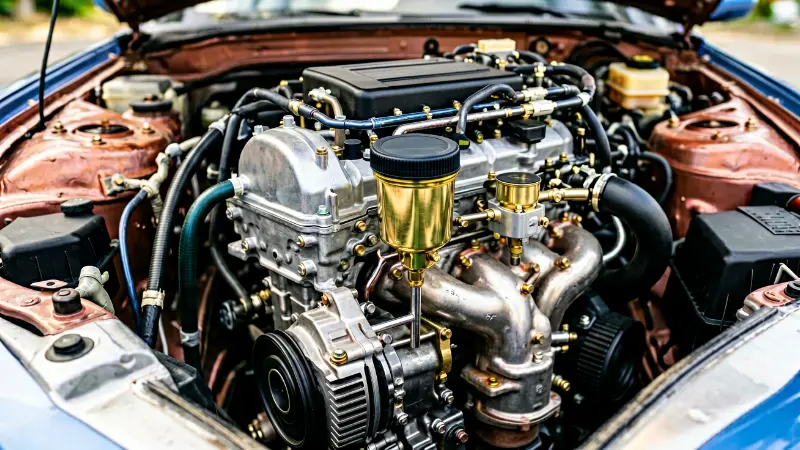
This precision is why small voltage drops, dirty fuel, and vacuum leaks cause symptoms that seem random. The system is less forgiving than a carburetor, but it is also easier to diagnose when the right tests are followed.
Quick Reference: 10 Ariens EFI Problems and Solutions
| Ariens EFI Problem | Most Likely Cause | First Check | Repair Direction |
|---|---|---|---|
| 1. Cranks but will not start | Low battery, no fuel prime, safety switch | Battery voltage, fuel pump sound, spark | Charge or replace battery, check fuses and relays, test fuel pressure |
| 2. Hard cold start | Stale fuel, weak pump, temperature sensor | Fuel age, fuel pressure, fault codes | Use fresh fuel, tune up, replace faulty sensor |
| 3. Starts then stalls | Fuel starvation, vacuum leak, clogged filter | Fuel flow, intake leaks, filter condition | Replace filter, repair leaks, pressure test |
| 4. Surging or hunting idle | Dirty throttle body, TPS, idle air control | Throttle plate, sensor codes | Clean throttle body, recalibrate, replace sensor |
| 5. Rich running or black smoke | Leaking injector, high pressure, temperature sensor | Fuel pressure, plug color, codes | Replace injector or regulator, test sensor |
| 6. Lean running or backfire | Clogged injector, weak pump, vacuum leak | Pressure and volume, intake leak | Clean or replace injector, pump, gaskets |
| 7. Power loss under load | Air filter, ignition coil, exhaust blockage | Airflow, spark, compression | Replace filter or coil, clear exhaust |
| 8. EFI warning light or fault codes | Sensor, wiring, low voltage | Blink codes, connectors | Repair wiring, clear codes, dealer scan |
| 9. Fuel leaks or ethanol damage | Corroded lines, o-rings, tank | Leaks, line condition | Replace fuel lines, use stabilizer or non-ethanol fuel |
| 10. No ECU communication | Fuse, relay, ground, ECU | Battery, fuses, grounds | Repair power or ground, replace ECU if needed |
1. Engine Cranks But Will Not Start
The most common Ariens EFI complaint is a strong crank with no fire. The engine may spin normally, but it never catches or only pops once.
This problem usually comes from one of three systems: battery voltage, fuel delivery, or ignition. EFI engines need stable voltage for the ECU and fuel pump, even during cranking.
Common Causes
A weak battery can drop below the ECU’s minimum voltage while cranking. The lights may still work, but the fuel pump and injector may not fire correctly.
A failed fuel pump, clogged fuel filter, or stuck injector can also stop fuel delivery. Safety interlocks, fuses, relays, and a fouled spark plug are other frequent culprits.
Solutions
Start with a fully charged battery that holds at least 12.5 volts at rest. Load-test the battery and clean the terminals; a loose ground can mimic a dead ECU.
Turn the key and listen for a two- to three-second fuel pump prime. If there is no prime, check the fuse, relay, and pump connector before replacing the pump.
Next, test fuel pressure with an EFI-safe gauge and check for spark with an inline tester. Replace the spark plug if it is wet, black, or worn.
Confirm all safety switches are engaged correctly. On many Ariens snow blowers, the key, throttle position, and auger controls must be in the correct start position.
2. Hard Starting When Cold
An Ariens EFI engine should start quickly in cold weather. If it needs repeated cranking, the EFI system is not delivering the right cold-start fuel mixture.
Common Causes
Stale fuel is a leading cause. Ethanol-blended fuel can absorb moisture and phase-separate, leaving a lean mixture and poor combustion.
A weak fuel pump, dirty injector, or faulty engine temperature sensor can also make cold starts difficult. The ECU relies on that sensor to add fuel when the engine is cold.
Solutions
Drain old fuel and refill with fresh, high-octane fuel. Use a quality fuel stabilizer, and choose non-ethanol fuel when it is available.
Replace the spark plug and check the air filter. A restricted air filter can make cold starts worse, especially on engines stored in dusty sheds.
Test the engine temperature sensor according to the service manual. A sensor that reads incorrectly can cause rich or lean cold-start behavior.
If fuel pressure is low, replace the fuel filter and retest. A pump that cannot build pressure may need replacement, not just cleaning.
3. Starts Then Stalls After a Few Seconds
An engine that starts and dies often has enough fuel for initial prime but not enough to keep running. This symptom points to fuel starvation, a vacuum leak, or an electrical dropout.
Common Causes
A clogged fuel filter, kinked fuel line, or blocked tank strainer can restrict flow once demand rises. A loose intake manifold or cracked gasket can also lean out the mixture.
Low oil level or a faulty oil pressure switch may shut down the engine for protection. Some Ariens models also cut power if a safety switch is not held.
Solutions
Inspect the fuel lines for kinks, cracks, and soft spots. Replace the fuel filter if flow is weak or the filter looks dark.
Check the oil level and any oil sentinel system. If the engine starts only when the oil is perfect, the sensor or switch may be failing.
Use a smoke machine or carburetor-safe spray to check for intake leaks. Repair cracked gaskets and tighten manifold bolts to the correct spec.
Verify that the fuel pump keeps pressure after the initial prime. A pump that primes but cannot sustain pressure should be replaced.
4. Surging or Hunting Idle
Surging is a rhythmic rise and fall in engine speed. On an EFI Ariens, it often means the ECU is constantly correcting a mixture that keeps drifting.
Common Causes
A dirty throttle body is a frequent cause. Carbon around the throttle plate changes airflow, so the ECU struggles to hold a steady idle.
Vacuum leaks, a failing throttle position sensor, or a dirty idle air control valve can also create surging. Fuel pressure that fluctuates adds another layer of instability.
Solutions
Remove the throttle body and clean it with an EFI-safe cleaner and a soft brush. Do not force the throttle plate; some plates must not be twisted by hand.
Check intake gaskets and vacuum lines for cracks. A small leak after the throttle body can have a large effect on idle quality.
Scan for fault codes and inspect the throttle position sensor. If the voltage signal jumps or drops, replace the sensor.
Test fuel pressure at idle and under load. If pressure moves outside the manufacturer’s range, inspect the regulator and pump.
5. Rich Running, Black Smoke, or Fouled Plugs
A rich-running Ariens EFI engine wastes fuel and can foul spark plugs quickly. Black exhaust, strong fuel smell, and sooty plugs are common clues.
Common Causes
A leaking injector can drip fuel even when it should be closed. High fuel pressure from a failed regulator or restricted return line can also over-fuel the engine.
A faulty engine temperature sensor may tell the ECU the engine is colder than it really is. The ECU then adds extra fuel, creating a rich condition.
Solutions
Test fuel pressure with a gauge and compare it to the service specification. If pressure is high, inspect the regulator and return line.
Remove the injector and have it professionally cleaned or replaced. Injector balance testing can reveal a nozzle that flows more than the others.
Check the engine temperature sensor’s resistance when cold and hot. Replace it if readings are out of range or inconsistent.
Replace fouled spark plugs and clean the throttle body. Then run the engine with fresh fuel to confirm the repair.
6. Lean Running, Backfiring, or Overheating
A lean condition makes an engine run hot, surge, and backfire. It can also cause serious internal damage if ignored.
Common Causes
Clogged injectors, a weak fuel pump, or a restricted fuel filter reduce fuel delivery. Vacuum leaks and exhaust leaks can also fool the ECU and create lean symptoms.
Solutions
Measure fuel pressure and volume, not just pressure. A pump can show correct pressure while flowing too little fuel under load.
Clean or replace the injector and replace the fuel filter. Use fresh fuel and avoid high-ethanol blends in small EFI engines.
Inspect intake and exhaust gaskets for leaks. Tighten hardware evenly and replace any gasket that is brittle or compressed.
Check valve clearance if the engine has adjustable valves. Tight valves can cause backfiring and poor running that mimics EFI faults.
7. Loss of Power Under Load
An Ariens EFI engine may idle fine but bog down when clearing snow or working hard. This problem often involves airflow, ignition strength, or fuel volume.
Common Causes
A clogged air filter, weak ignition coil, or partially blocked exhaust can limit power. Fuel starvation under load is another common cause.
Solutions
Replace the air filter and inspect the intake for debris. A filter that looks only slightly dirty can still restrict flow enough to cause bogging.
Test the ignition coil and spark plug under load. A coil that fails when hot can cause power loss after the engine warms up.
Check the muffler and exhaust port for carbon blockage. Remove obstructions only after the engine is cool.
Perform a fuel volume test and compare it to the service manual. If volume is low, replace the fuel filter, pump, or both.
8. EFI Warning Light or Fault Codes
Some Ariens EFI models display a warning light or blink a diagnostic code. The code is a starting point, not a direct instruction to replace the ECU.
Common Causes
Corroded connectors, damaged wiring, low battery voltage, and failed sensors are common triggers. Water intrusion in the ECU connector can also cause false codes.
Solutions
Record the blink pattern or code before disconnecting the battery. The code often identifies the circuit, not just the component.
Inspect the harness near the engine, throttle body, and fuel pump. Look for rubbed wires, green corrosion, and loose pins.
Clear the code only after the repair. If the code returns immediately, follow the diagnostic flow for that circuit.
Use a dealer-level scan tool when available. It can show live sensor data and confirm whether the ECU is receiving correct inputs.
9. Fuel Leaks, Ethanol Damage, and Corrosion
Ethanol in gasoline attracts water and can corrode fuel system parts. Ariens EFI engines are especially vulnerable when fuel sits for months.
Common Causes
Old fuel lines become hard, cracked, and leaky. Aluminum components, injector o-rings, and fuel pump modules can corrode from phase-separated fuel.
Moisture control matters at home and in storage, whether deciding if sheathing should cover the sill plate or keeping a snow blower in a damp shed. should sheathing cover the sill plate is a separate building question, but the same moisture principle applies to fuel storage.
Solutions
Replace old fuel lines with ethanol-resistant hose. Inspect the tank, pump module, and injector seals for swelling or corrosion.
Use fresh fuel, add stabilizer, and run the engine long enough for treated fuel to reach the injector. Store equipment in a dry, stable-temperature area.
Drain fuel before long storage if the manual recommends it. If fuel is left in the tank, keep it full to reduce condensation and treat it properly.
Never use sealers or additives that are not approved for EFI systems. Some products can clog injectors and damage sensors.
10. No ECU Communication or Dead EFI System
A completely dead EFI system can look like a bad ECU. In reality, power, ground, or a relay fault is often the cause.
Common Causes
Blown fuses, corroded grounds, a failed main relay, or low battery voltage can stop ECU communication. Water in a connector can also interrupt the data signal.
Solutions
Check battery voltage and charge or replace the battery as needed. Clean the battery terminals and the main engine ground.
Test all EFI-related fuses and relays. Swap the main relay with a known-good relay of the same rating for testing.
Inspect ECU connectors for water, corrosion, or bent pins. Apply dielectric grease only after the connector is clean and dry.
If power, ground, and wiring test good, the ECU may need dealer diagnosis. Do not replace the ECU until every circuit has been verified.
Vibration can also cause strange electrical faults, just as a stripped dryer blower wheel can cause noise that seems bigger than the part itself. dryer blower wheel stripped is a different machine, but the lesson is the same: check simple mechanical and electrical failures first.
Preventive Maintenance That Prevents Most Ariens EFI Problems
Most EFI problems start with fuel, voltage, or dirt. A simple seasonal routine can prevent costly repairs and frustrating no-start days.
Fuel Care
Use fresh fuel with the correct octane rating. Add stabilizer at every fill, especially before seasonal storage.
Choose non-ethanol fuel for small engines when possible. If ethanol fuel is the only option, do not let it sit for more than 30 to 60 days.
Battery and Electrical Care
Keep the battery fully charged with a maintainer during storage. Test voltage before the first cold start of the season.
Clean terminals, inspect grounds, and protect connectors with dielectric grease. Low voltage is one of the most overlooked causes of EFI faults.
Air and Ignition Care
Replace the air filter and spark plug at the intervals in the manual. Dirty air and weak spark make every EFI problem worse.
Clean the throttle body only when needed, using an EFI-safe cleaner. Avoid spraying cleaner into sensors or electrical connectors.
Annual Inspection
Inspect fuel lines, filters, and tank strainers each year. Replace any part that is cracked, soft, or corroded.
Run the engine under load before the season begins. A short idle test may not reveal a fuel pump that fails under demand.
When to Call an Ariens Dealer or Small-Engine Technician
Some EFI repairs require dealer software, fuel pressure adapters, or safety procedures that are not homeowner-friendly. Knowing when to stop can prevent injury and expensive mistakes.
Call a professional if the ECU will not communicate, fuel pressure remains wrong after basic tests, or the engine has internal noise. Also seek help if you smell raw fuel, see leaks, or find damaged wiring harnesses.
Dealers can retrieve live data, perform throttle relearns, and install updated calibration files. These steps are often needed after sensor or ECU replacement.
Final Thoughts on Ariens EFI Problems and Solutions
Ariens EFI engines are reliable when fuel, voltage, and airflow are kept in good condition. Most no-start, stalling, and power-loss complaints trace back to a small number of preventable issues.
Start with the battery, fuel prime, and fault codes. Then test fuel pressure, spark, and intake leaks before replacing expensive parts.
With a consistent maintenance routine, an Ariens EFI machine can deliver quick starts and dependable performance for many seasons. When a problem goes beyond basic diagnostics, a qualified technician can save time and protect the engine.