Owning a Toro snowblower means investing in reliable winter equipment, but what happens when you need to know its exact age? Many homeowners find themselves asking, “What year is my Toro snowblower?” This seemingly simple question often leads to a frustrating search for answers.
Pinpointing your snowblower’s manufacturing year is more than just satisfying curiosity; it’s a critical step for proper maintenance, ordering correct parts, and ensuring your machine operates at its best for years to come.
This comprehensive guide will demystify the process of identifying your Toro snowblower’s age. We will explore where to find essential identification numbers, how to decipher them, and why this information is indispensable for every homeowner.
Understanding your snowblower’s vintage empowers you with the knowledge to maintain it effectively, troubleshoot common issues, and even make informed decisions about repairs or upgrades.
The Mystery of Your Machine’s Age: Why Knowing Your Toro Snowblower’s Year Matters
Beyond a mere date, your Toro snowblower’s manufacturing year holds a wealth of information. This data is crucial for anyone looking to properly care for their equipment. Neglecting to identify your machine’s age can lead to significant headaches and unnecessary expenses.
Understanding the year of manufacture allows for precise maintenance and repair strategies. It ensures you are not just guessing when it comes to critical components. This foundational knowledge contributes directly to the longevity and efficiency of your snowblower.
Parts Compatibility: Avoiding Costly Mistakes
One of the most significant reasons to know your Toro snowblower’s year is for accurate parts ordering. Toro, like all manufacturers, frequently updates its designs and components. Parts that fit a 2010 model might not fit a 2012 model, even if they appear similar.
Specific parts like belts, shear pins, and scraper blades can vary greatly by model year. Using the wrong part can lead to poor performance, further damage, or even safety hazards. Identifying the exact year helps you avoid ordering incorrect components, saving you time and money.
Targeted Maintenance and Troubleshooting
Knowing your snowblower’s age helps you anticipate and address common wear-and-tear issues. Older machines might have specific vulnerabilities or maintenance requirements that newer models do not. This insight allows for proactive care rather than reactive repairs.
For instance, carburetors in older models might be more susceptible to issues from ethanol-blended fuels. Understanding the year helps you implement appropriate fuel stabilizers or cleaning routines. It also enables more effective troubleshooting when problems arise, as certain issues are more prevalent in specific production runs. Similarly, understanding how different parts of your home equipment function, like the covers on a furnace, can provide insights into maintaining complex machinery.
Assessing Value and Longevity
For those considering selling their snowblower or purchasing a used one, the manufacturing year is a key factor. It directly impacts the machine’s resale value and helps gauge its expected remaining lifespan. A clear understanding of the age provides transparency and builds trust in transactions.
Furthermore, the year can indicate the availability of replacement parts. Very old models might have discontinued parts, making repairs challenging. This knowledge helps you make informed decisions about whether to invest in significant repairs or consider an upgrade.
Uncovering the Truth: How to Find Your Toro Snowblower’s Model and Serial Number
The first and most crucial step in determining your Toro snowblower’s age is locating its model and serial numbers. These unique identifiers are the machine’s fingerprint. They are typically found on a decal or plate affixed directly to the equipment.
While the exact location can vary by model type, there are several common places to check. A thorough inspection of your snowblower will usually reveal these vital numbers. Always ensure the area is clean before attempting to read the decal.
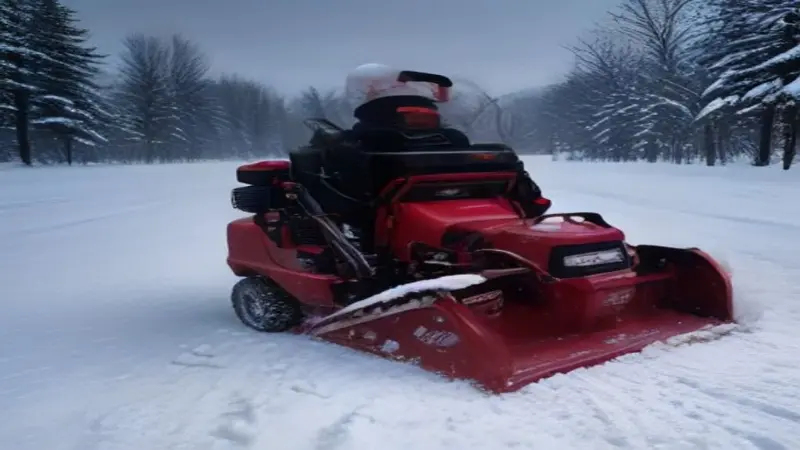
Common Locations for Model and Serial Numbers
Different types of Toro snowblowers have specific areas where these identification tags are placed:
- Single-Stage Snow Blowers: Look on the lower right side of the handle, the lower right side of the housing, or on the tube located between the wheels.
- Two-Stage Snow Blowers: Check the rear of the frame, the top left of the frame, or the tube positioned between the wheels.
- Power Shovel Plus Models: The decal is typically located on the housing itself.
Once found, carefully record both the model number and the serial number. These two pieces of information work together to provide the most accurate details about your specific unit. Without both, identifying the exact year and compatible parts becomes significantly more difficult.
Decoding the Numbers: Pinpointing Your Toro’s Birth Year
With your model and serial numbers in hand, you are ready to uncover your Toro snowblower’s manufacturing year. Toro has used various numbering systems over the decades. The method for decoding depends largely on the age of your machine.
The most reliable way to confirm your snowblower’s year is through Toro’s official online resources. However, understanding common serial number patterns can give you a quick estimate. This knowledge is invaluable for initial assessments.
The Official Toro Website Lookup: Your Definitive Source
For the most accurate and up-to-date information, the official Toro website is your best resource. They provide a dedicated parts and manuals lookup tool where you can enter both your model and serial numbers. This system will then display detailed information about your specific machine, including its manufacturing year.
This method is highly recommended because Toro’s internal databases account for any variations or mid-production changes. It eliminates guesswork and ensures you have precise data for maintenance and repairs. Always consult the manufacturer’s official channels for critical information.
Decoding Serial Number Patterns
For many modern Toro products, the manufacturing date is often embedded within the serial number itself. A widely cited rule suggests that the first four digits of the serial number represent the manufacturing date.
This usually follows a MMDD (MonthDay) or YYDD (YearDay) format, though the interpretation can sometimes be nuanced. For example, a serial number starting with “3140…” might indicate the 140th day of 2003 or 2013, depending on the full serial number range. It’s important to cross-reference with the official lookup if possible. Some older Toro models, particularly vintage snow throwers, used a simpler system where the first digit of the serial number directly corresponded to the year within a specific decade. For example, a serial number starting with ‘3’ could denote a 1973 model, or ‘7’ for 1977, often tied to a specific batch production.
However, this older method is less common for contemporary equipment. Always consider the full context of your machine’s model and the entire serial number. Relying solely on a partial serial number can lead to misidentification.
Toro Serial Number Decoding Quick Guide
| Serial Number Format (Example) | Typical Interpretation | Notes |
|---|---|---|
| First 4 digits (e.g., 3140xxxxxx) | Often MMDD or YYDD for manufacture date. | Common for newer models. Requires full serial for exact year verification on Toro’s site. |
| First digit (e.g., 3xxxxxxx) | Year within a decade (e.g., ‘3’ for 1973). | More common for older, vintage Toro snow throwers. |
| Full Model & Serial Number | Use Toro’s official website lookup. | Most accurate method for all models. Provides exact year and specific part diagrams. |
Beyond the Year: Optimizing Your Toro Snowblower’s Performance and Lifespan
Knowing your Toro snowblower’s manufacturing year is a powerful diagnostic tool. It allows you to move beyond generic advice and implement maintenance strategies specifically tailored to your machine’s age and design. This targeted approach is key to maximizing its efficiency and extending its operational life.
Many common snowblower problems can be prevented or easily resolved with this understanding. By combining the knowledge of your machine’s age with proactive care, you can ensure it’s always ready for the heaviest snowfall. This proactive stance separates informed homeowners from those constantly battling unexpected breakdowns.
Proactive Maintenance for Every Age
Regular maintenance is paramount for any snowblower, but the specifics can shift with age. Older machines often require more vigilant checks on certain components. Implementing a consistent maintenance schedule, informed by your machine’s year, will prevent many common issues.
- Fuel Management: Stale fuel is a leading cause of starting problems. Always use fresh gasoline and a fuel stabilizer, especially for seasonal storage. For older models, consider draining the fuel system completely at the end of the season to prevent carburetor clogs.
- Spark Plugs, Oil, and Filters: Routinely inspect and replace spark plugs, change the engine oil, and clean or replace air filters according to your owner’s manual. These simple steps ensure efficient engine combustion and lubrication.
- Belt Inspection and Tension: The drive and auger belts are critical for proper operation. Over time, belts can stretch or wear out, leading to reduced performance, such as the auger not throwing snow effectively. Check their condition and tension regularly, replacing them if signs of wear are present.
- Shear Pin Checks: Shear pins are designed to break under stress, protecting more expensive components like the auger gearbox. Always have spare shear pins on hand and inspect them before and after each use.
- Lubrication: Refer to your manual for lubrication points. Proper greasing of axles, bearings, and other moving parts reduces friction and wear, extending the life of your machine.
Troubleshooting Common Age-Related Issues
Armed with your snowblower’s year, you can approach troubleshooting with greater precision. Many issues are not random but rather predictable outcomes of age and usage patterns. Understanding these can save significant diagnostic time.
- Starting Problems: If your snowblower won’t start or keep running, especially after storage, suspect fuel-related issues. Clean the carburetor thoroughly, check fuel lines for clogs, and ensure the primer bulb is functioning. A clean carburetor, even if it looks fine externally, might have clogged internal jets.
- Auger/Impeller Issues: If snow isn’t being thrown effectively, check for blockages in the chute or around the impeller. Ensure shear pins are intact. A stretched auger belt can also cause this problem. Lubricating surfaces with cooking spray or silicone can prevent snow from sticking and freezing.
- Self-Propel System Care: For older two-stage models, self-propel issues can arise from worn friction discs or linkage problems. While some fixes are straightforward, like replacing a disc, others might require professional attention.
The Value of Genuine Parts and Expert Advice
When repairs are necessary, always prioritize genuine OEM (Original Equipment Manufacturer) Toro parts. These parts are designed specifically for your machine, ensuring perfect fit and optimal performance. Generic parts, while sometimes cheaper, may not offer the same durability or compatibility.
For complex issues or if you are unsure about a repair, consult a qualified small engine mechanic. Attempting repairs beyond your skill level can lead to further damage or personal injury. Choosing reputable service providers is crucial for any home equipment, much like being vigilant against a renewal by Andersen scam when dealing with home improvements. They possess the specialized tools and expertise to diagnose and fix problems correctly, often having access to specific service bulletins related to different model years.
When to Consider an Upgrade: Repair vs. Replace
There comes a point in every snowblower’s life when the question of repair versus replacement arises. This decision is often influenced by the machine’s age, the cost of repairs, and the availability of parts. While a well-maintained older Toro can last for many years, sometimes a new investment makes more sense.
Consider the cumulative cost of repairs. If annual repair bills start to approach a significant percentage of a new machine’s cost, it might be time to upgrade. Availability of parts also plays a role; very old models may have discontinued parts, making repairs difficult or impossible.
Newer Toro snowblowers often feature advancements in engine technology, fuel efficiency, ease of starting, and ergonomic design. These improvements can significantly enhance user experience and reduce maintenance efforts. For homeowners managing various aspects of their property, like ensuring a stable foundation with self-leveling concrete over asbestos tile, the long-term investment in reliable equipment is always a wise choice.
Evaluate your needs: Do you require more power, a wider clearing path, or advanced features like heated grips or power steering? Modern Toro models offer a range of options for different property sizes and snow conditions.
Conclusion
Knowing the manufacturing year of your Toro snowblower is more than just a piece of trivia; it’s a fundamental aspect of responsible equipment ownership. This information empowers you to make informed decisions about maintenance, parts, and repairs, directly contributing to your machine’s longevity and reliable performance.
By understanding where to find your model and serial numbers, and how to use Toro’s official resources, you can confidently decode your snowblower’s age. This knowledge ensures you avoid costly mistakes, perform targeted maintenance, and effectively troubleshoot issues. Ultimately, a well-cared-for Toro snowblower, regardless of its age, will be a dependable partner in tackling winter’s challenges for many seasons to come.