
A whole house humidifier not keeping up in winter is a common comfort complaint. The humidistat may call for more moisture, yet the air stays dry, static builds up, wood floors gap, and family members wake with dry throats. The system may be running, but it is not delivering enough moisture to the living space.
The cause can be as simple as a humidistat setting that is too high for the outdoor temperature, or as involved as a failed water valve, a clogged pad, a dirty canister, or weak airflow through the ductwork. This guide walks through the checks that matter most, the trade-offs between humidifier types, and the repairs a homeowner can handle safely.
Understand What the Humidifier Is Being Asked to Do
A whole house humidifier adds moisture to the heated air stream, usually at the furnace or air handler. Bypass and fan-powered units rely on an evaporator pad or drum, while steam humidifiers use electricity to boil water and release steam. Each type has different capacity limits, maintenance needs, and installation requirements.
Winter is the hardest season for any humidifier. Cold outdoor air holds little moisture, and heating that air lowers its relative humidity further. A tightly closed house also traps moisture from showers, cooking, and laundry, but that incidental moisture may not be enough to keep the whole home comfortable. The humidifier has to make up the difference.
Expectations matter. A humidifier that kept up in a mild autumn may struggle during a long cold snap. The same setting can produce different results as outdoor temperatures drop and the heating system runs longer. Adjusting the humidistat for the conditions is part of normal operation, not a sign that the unit has failed.
It also helps to know the system’s type and rated capacity. A small bypass humidifier on a large, leaky house may never satisfy the humidistat in severe cold. A steam humidifier may have more capacity but also higher electrical and maintenance demands. The right fix depends on whether the unit is underperforming or simply undersized for the home.
Start With the Humidistat Setting and Outdoor Temperature
The humidistat is the control that tells the humidifier when to run. If it is set too low, the air will stay dry even though the equipment is working. If it is set too high, the system may run continuously and still not satisfy the setting, while windows sweat and walls develop condensation. The right setting balances comfort with moisture control.
Many humidistats use a setting that should be adjusted as outdoor temperatures fall. A setting that works at mild temperatures can be too high for a cold snap. Check the manufacturer’s guidance or the chart on the control, if present. Raise or lower the setting in small steps and observe the results over a day or two.
Confirm that the humidistat is actually calling for humidity. Some controls have a manual switch, a seasonal damper, or a mode setting that can leave the humidifier off. A control that is set to “off” or to a low fan setting may not activate the water valve. Check the display or indicator lights if the unit has them.
If the humidistat reading seems wrong, compare it with a separate hygrometer in the living space. A control located near a draft, a heat source, or a return duct may read conditions that do not match the rooms you care about. A remote sensor or a different location can make the system respond more accurately.
Check the Water Supply and Valve
A whole house humidifier needs a steady water supply. If the saddle valve is closed, clogged, or leaking, the unit may run without adding moisture. Turn off the furnace or air handler before working near the humidifier, and follow the manufacturer’s instructions for isolating the water line.
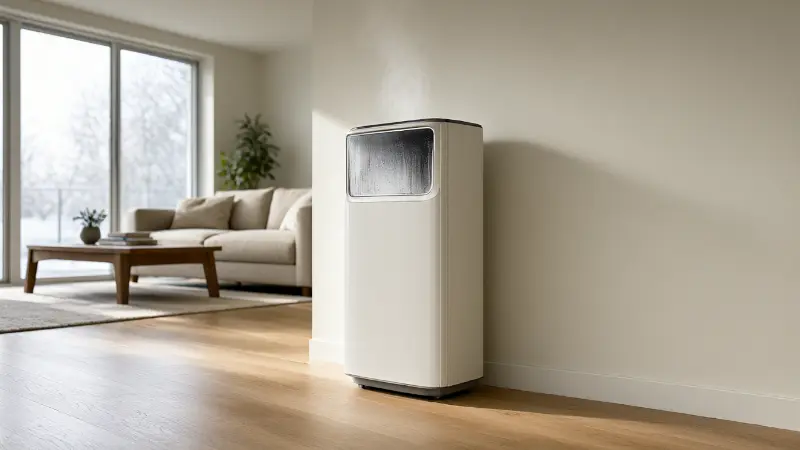
Look for a shutoff valve on the small water line that feeds the humidifier. Confirm that it is open. If the valve is a saddle valve, check whether it has clogged or failed. These valves can become blocked by mineral deposits, especially in hard-water areas. A clogged valve may pass only a trickle, which is not enough for the humidifier to keep up.
Inspect the water line for kinks, freezing, or damage. A line that runs through an unheated space can freeze in winter. If the line is frozen, thaw it carefully with a method that does not damage the tubing or create a fire hazard. Do not use an open flame. If the line is cracked or the fitting is corroded, replace the affected parts.
Check the drain line as well. A humidifier that drains continuously can waste water, but a blocked drain can cause leaks or shut down a unit with a safety switch. Confirm that the drain is clear and that the tubing slopes properly. If water is pooling near the furnace, shut off the humidifier and address the leak before running it again.
Inspect the Evaporator Pad, Drum, or Canister
Bypass and fan-powered humidifiers rely on a pad or drum to expose water to the air stream. Over time, mineral deposits and debris can clog the media, reducing the amount of moisture that evaporates. A pad that is crusted, collapsed, or discolored may be passing water but not humidifying effectively.
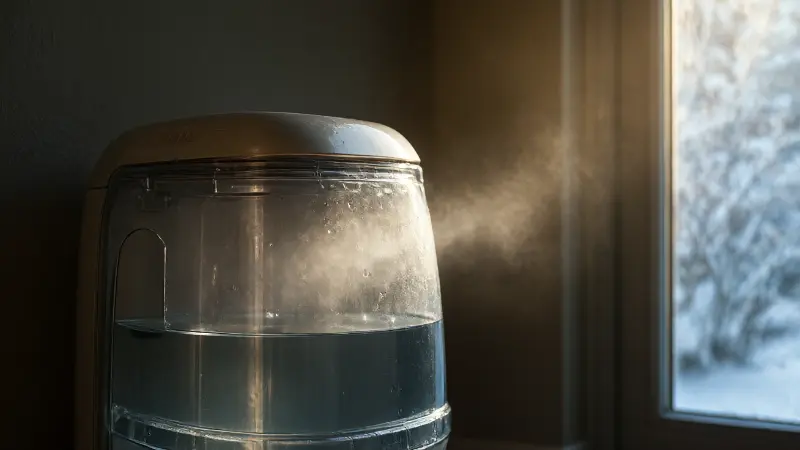
Turn off the system and remove the pad or drum according to the manufacturer’s instructions. Check for scale, mold, or a hard crust. Some pads can be cleaned, but many are designed to be replaced. A replacement pad is often inexpensive and can restore performance if the rest of the system is working.
For a drum-type humidifier, check the drum and water pan. The drum should rotate freely and the pan should be clean. Mineral buildup can prevent proper rotation or cause the water level to be wrong. Clean the pan and inspect the float or valve that controls the water level. Follow the manufacturer’s cleaning recommendations.
Steam humidifiers use a canister or cylinder that can scale up over time. If the unit runs but produces little steam, the canister may need cleaning or replacement. These systems often have diagnostic lights or error codes. Do not open a steam canister while it is hot or energized. Use the manufacturer’s service instructions or call an HVAC technician.
Check Airflow Through the Ductwork and Furnace
A humidifier can only add moisture to air that moves through it. If airflow is weak, the humidifier may run without distributing moisture to the rooms. A dirty furnace filter, a blocked return, or a blower issue can reduce airflow and make the humidifier appear ineffective. Check the filter first and replace it if it is clogged.
Confirm that the furnace or air handler is running when the humidistat calls for humidity. Some humidifiers are wired to operate only when the blower is running. If the blower is off, the water valve may open but the moisture will not be carried into the ductwork. A control or wiring problem can leave the humidifier running at the wrong time.
Look at the duct damper and bypass connection if the unit has one. A bypass humidifier needs the damper open during the heating season. A damper that is closed or partially closed will reduce airflow through the humidifier. Check the owner’s manual for the correct position and adjust it for winter operation.
If the home has zones or a variable-speed blower, the humidifier may need a compatible control strategy. A unit that works with a single-speed furnace may not perform the same way with a modulating system. An HVAC technician can check the wiring and airflow settings if the basic checks do not solve the problem.
Look for Leaks, Scale, and Maintenance Backlog
Water leaks and mineral scale are common reasons a humidifier underperforms. A small leak can reduce water pressure at the unit or cause a safety switch to trip. Scale can clog the water distributor, the pad, or the drain. Regular maintenance is part of keeping the system effective.
Inspect the water distribution tray or tube for blockages. Hard water can leave deposits that prevent water from spreading evenly across the pad. Clean or replace the affected parts according to the manufacturer’s instructions. Do not enlarge or drill out metering holes, because that can change the water flow and cause leaks.
Check the humidifier housing and nearby ductwork for water stains or rust. Moisture that escapes the unit can damage the furnace cabinet or duct insulation. If the leak is inside the furnace or near electrical components, shut off power and call a technician. Water and electricity are a dangerous combination.
Follow the maintenance schedule in the owner’s manual. That may include changing the pad, cleaning the water panel, checking the drain, and inspecting the valve. A humidifier that is maintained each season is more likely to keep up during the coldest weather. A neglected unit may run but deliver little moisture.
Consider Capacity, Home Envelope, and Moisture Loss
Sometimes the humidifier is working correctly but is undersized for the home. A large house with high ceilings, many windows, or an open floor plan may need more humidification capacity than a small unit can provide. A unit that runs continuously without raising humidity may be at its limit.
Air leaks and insulation gaps also affect performance. A drafty house loses moisture to the outdoors, and the humidifier has to work harder to maintain comfort. Sealing obvious air leaks, weatherstripping doors, and improving insulation can reduce the demand on the system. These are larger projects, but they can make a noticeable difference.
Moisture sources inside the home matter as well. Bathroom fans, kitchen exhaust, and dryer vents remove moisture as well as odors. That is necessary for air quality, but it also affects humidity levels. A balanced approach keeps the home from becoming too dry without sealing it so tightly that moisture problems develop.
If the home also has hot-water comfort issues, treat them as a separate system. A humidifier problem does not usually explain a shortage of hot water. If you notice both, review water heater not keeping up as a separate diagnosis. Keeping the two issues separate avoids unnecessary parts replacement.
Check Controls, Wiring, and Safety Devices
Modern humidifiers may have a current-sensing relay, a sail switch, a float switch, or a freeze protection device. A safety switch that has tripped can prevent the unit from running even when the humidistat calls for moisture. Check the owner’s manual for reset procedures and indicator lights.
Inspect the wiring connections at the humidistat and the humidifier. Loose low-voltage wires can cause intermittent operation. Turn off power before opening any electrical panel or control box. If you are not comfortable working with wiring, call an HVAC technician. A miswired humidifier can damage the control board or create a safety hazard.
Confirm that the humidifier is receiving power and that any transformer is functioning. Some units have a plug-in transformer or a dedicated circuit. A tripped breaker or a blown fuse can leave the system off. Reset only once, and investigate if the problem repeats. Repeated trips suggest a fault that needs professional attention.
If the humidifier shares a control with the furnace, check that the furnace is operating correctly. A furnace that short cycles or locks out will reduce humidifier runtime. If the heating system has other cold-weather problems, address those first. For related winter troubleshooting, see sump pump not running for basement water issues, but keep HVAC and plumbing diagnoses separate.
Address Roof, Gutter, and Basement Moisture
Whole-house humidity is not only about the humidifier. Roof leaks, clogged gutters, and damp basements can raise indoor moisture in some areas while other rooms stay dry. Ice dams and gutter overflow can also damage the building envelope and affect insulation performance.
If gutters overflow despite guards, the added moisture and ice can affect the home’s moisture balance and exterior. Review gutter guard not working if you notice overflow or ice buildup. Fixing exterior water problems supports a drier, more stable indoor environment, but it is not a substitute for humidifier maintenance.
Check the basement and crawlspace for dampness. A dehumidifier may be appropriate there, but it should not be used to compensate for a whole-house humidifier problem. The two systems serve different purposes. Keep the basement dry and the living space humidified to the appropriate level.
In winter, condensation on windows and walls can indicate that indoor humidity is too high, not too low. If the humidifier is set high and the windows are wet, lower the setting. The goal is comfort without moisture damage. A hygrometer can help you find the balance.
Compare Symptoms, Causes, and Fixes
| Symptom | Likely Cause | What to Check | Suggested Action |
|---|---|---|---|
| Humidistat calls for humidity but unit does not run | Control setting, power, or safety switch | Mode switch, breaker, transformer, indicator lights | Reset once, check power, call a technician if it repeats |
| Unit runs but no water flows | Closed or clogged water valve | Shutoff valve, saddle valve, water line | Open the valve, clear or replace a clogged valve |
| Water flows but humidity stays low | Clogged pad, drum, or canister | Scale, crust, media condition | Clean or replace the pad or service the canister |
| Humidity rises slowly or only in some rooms | Weak airflow or duct damper position | Furnace filter, blower, bypass damper | Replace the filter, open the damper, check airflow |
| Water leaks near the furnace | Blocked drain, loose fitting, or overflow | Drain line, water tray, fittings | Shut off the unit, clear the drain, repair the leak |
| Unit runs continuously without satisfying the setting | Undersized capacity or high home moisture loss | Unit capacity, air leaks, outdoor temperature | Adjust the setting, improve the envelope, consult an HVAC pro |
When to Call an HVAC Professional
Call a professional if you smell burning, see water near electrical components, or cannot stop a leak. Also seek help if the humidifier trips a breaker, shows an error code you cannot resolve, or runs but never produces moisture after basic maintenance. Steam humidifiers and complex controls often need trained service.
A technician can measure airflow, check the water valve and drain, inspect the control wiring, and confirm that the unit is sized for the home. That is especially useful if the system has never performed well or if the home has had additions or HVAC changes. A professional can also advise whether a different humidifier type would be more suitable.
Do not open a steam canister while it is hot, and do not bypass a safety switch to keep the unit running. Those switches exist to prevent leaks, electrical faults, and water damage. If a switch keeps tripping, the cause needs to be found rather than defeated.
FAQ
Why is my whole house humidifier running but humidity stays low?
The unit may have a clogged pad, a closed or clogged water valve, or weak airflow. Check the water supply, the evaporator media, and the furnace filter. If those are fine, the unit may be undersized or the home may be losing moisture through air leaks.
What should I set my humidistat to in winter?
Follow the manufacturer’s guidance for the outdoor temperature. Many controls recommend a lower setting as it gets colder to avoid window condensation. Adjust in small steps and use a hygrometer to confirm the result.
Can I clean the humidifier pad instead of replacing it?
Some pads can be cleaned, but many are designed for replacement. A pad that is crusted, collapsed, or hard with scale may not absorb water well even after cleaning. Check the owner’s manual and use the recommended replacement part.
Why does my humidifier leak water near the furnace?
A blocked drain, a loose fitting, or an overflow can cause a leak. Shut off the humidifier and the furnace power if water is near electrical parts. Clear the drain and inspect the water tray and connections before running the unit again.
Does a whole house humidifier use a lot of water?
Water use varies by type, setting, and runtime. A bypass or fan-powered unit may use more water than expected if the drain runs continuously. Check for proper operation and consult the manual if you suspect waste. A steam unit uses water differently and has its own service needs.
Conclusion
A whole house humidifier not keeping up in winter usually comes down to one of a few practical issues. Check the humidistat setting, the water supply valve, the pad or canister, the drain, and the airflow through the furnace and ductwork. Those checks cover many of the common causes without special tools.
If the basic maintenance does not solve the problem, consider capacity, home air leaks, and control wiring. A unit that runs continuously without raising humidity may be undersized or limited by the home’s envelope. Water leaks, electrical faults, and repeated safety trips call for an HVAC professional.
The practical recommendation is to maintain the humidifier before winter, adjust the humidistat for outdoor conditions, and measure indoor humidity with a separate gauge. That routine helps the system keep up while avoiding condensation damage from over-humidifying.