A storm door won’t close in cold weather for reasons that range from a simple closer adjustment to a swollen frame, a frost-heaved threshold, or a door that has slowly sagged. The symptom may appear suddenly after the first hard freeze, or it may worsen over several winters. The right fix depends on whether the door is binding at the top, rubbing at the latch side, catching on the threshold, or stopping before the latch engages.
Cold weather changes the materials and the geometry around an exterior door. Wood frames shrink and swell with moisture, metal parts contract, hydraulic closers thicken, and ice can build up where the door meets the threshold. This guide walks through the common causes, the checks a homeowner can do safely, and the repairs that tend to hold up through winter.
Why Cold Weather Makes Storm Doors Stick
Storm doors sit in one of the most demanding spots in a house. They face wind, snow, sun, and repeated temperature swings. In winter, the exterior side can be much colder than the interior side, and that temperature difference can affect the door frame, the door slab, the weatherstripping, and the closer. A door that closed easily in autumn may begin to catch once the first freeze arrives.
Moisture is often part of the story. Wooden frames and door edges can absorb moisture and swell, reducing the clearance between the door and the jamb. If the storm door is wood or has a wood core, a damp autumn followed by a cold snap can create a tight fit. Metal and fiberglass doors can also bind if the frame has moved or the hinges have loosened.
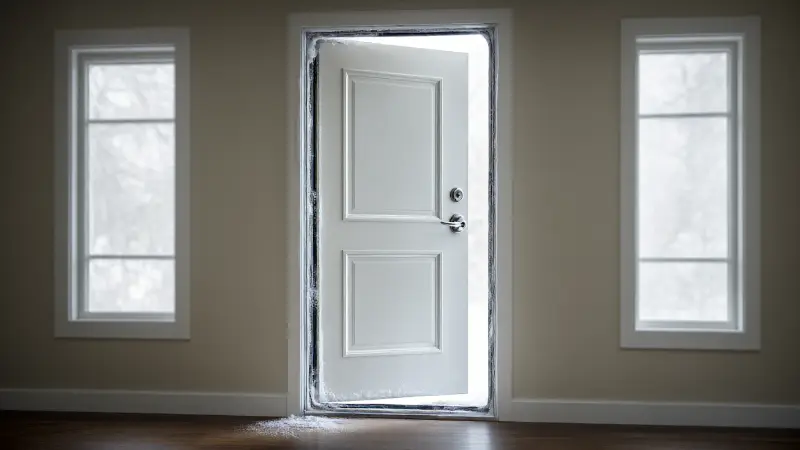
Ice and snow add another layer. Snow packed against the threshold can freeze into a ridge that the door sweeps over. A storm door with a bottom sweep or weather seal may catch on that ridge and stop short. Frost heave can lift a concrete stoop or threshold slightly, changing the gap between the door and the sill.
Hydraulic door closers are affected by temperature as well. The fluid inside a closer can thicken in cold weather, changing how quickly the door closes and how much force it takes to move it. A closer that is adjusted for summer may hold the door open too long or fail to pull it fully shut in winter. That can look like a latch problem when the real issue is the closer.
Start With Safety and a Simple Diagnosis
Before adjusting anything, check that the area is safe. Clear snow and ice from the stoop and threshold, and make sure the door is not blocked by a drift or a frozen mat. Do not force a stuck door, because pressure can bend the frame, break glass, or damage the closer. If the door is glass, keep hands and tools away from the pane while you work.
Open and close the door slowly and watch where it first makes contact. A helper can watch from the inside while you operate the door from the outside. Note whether the door rubs at the top, the latch side, the hinge side, or the bottom. That single observation narrows the cause more than a dozen guesses.
Check the gap around the door when it is closed. A consistent gap suggests the door is aligned but the latch or closer may be the problem. A gap that closes at one corner and widens at another suggests the door is out of square or the hinges have sagged. A tight spot at the bottom often points to the threshold, sweep, or frost heave.
Listen for scraping, clicking, or a change in sound as the door moves. A metallic scrape may indicate a hinge or latch issue. A soft rub may be weatherstripping. A crunch near the bottom may be ice or grit. The sound can help you decide whether to adjust hardware or clear the opening.
Check the Door Closer and Cold Hydraulic Fluid
The closer is a common culprit when a storm door closes slowly or stops before latching. Many closers have adjustment screws for sweep speed and latching speed. Cold weather can change the fluid’s behavior, so a setting that worked in summer may not pull the door fully closed in winter. Adjusting the closer is often a small fix, but it should be done carefully.
Turn the adjustment screws in small increments and test the door after each change. Do not back a screw out so far that it comes loose, and do not force a screw past its stop. If the closer is leaking fluid, bent, or loose at its mounting bracket, replacement may be more reliable than adjustment. A closer that is pulling unevenly can also twist the door and cause binding.
Check the mounting brackets and screws. Cold weather and repeated use can loosen the screws that hold the closer to the door and jamb. A loose bracket can change the closing angle and make the door stop short. Tighten the screws gently, and replace any screw that spins or has stripped the wood. If the mounting area is soft or cracked, the repair may need a larger fix.
Some closers have a hold-open feature or a chain that limits opening. Make sure the chain or stop is not catching on the frame or preventing the door from returning. If the door has a screen or glass panel that was swapped recently, check that the closer was reattached in the correct position. A closer installed on the wrong side or at the wrong angle can cause persistent closing problems.
Inspect Hinges, Screws, and Door Sag
Hinges carry the weight of the door, and a storm door can be heavier than it looks. Over time, hinge screws can loosen or strip, and the door can sag at the latch side. A sagging door may rub the frame near the top or fail to line up with the strike. In cold weather, the added stiffness of weatherstripping and a cold closer can make the sag more noticeable.
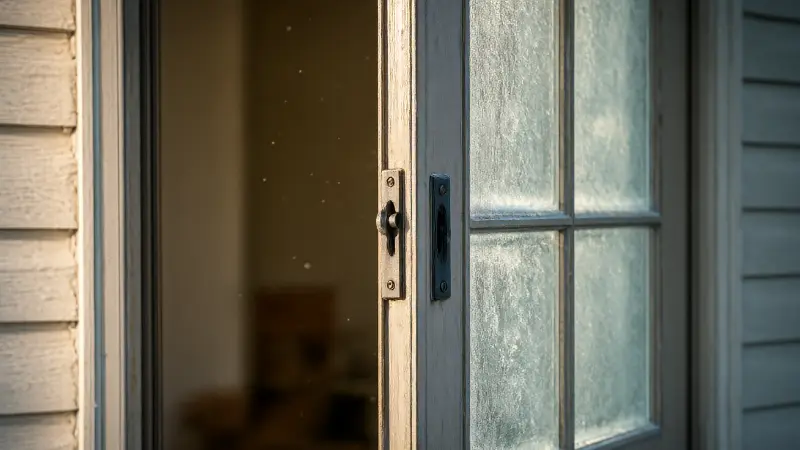
Open the door and look at the hinge leaves and pins. Check for rust, wear, or a hinge that is pulling away from the frame. Tighten loose screws with a screwdriver that fits the head properly. If a screw hole is stripped, a longer screw or a proper wood repair may be needed, but do not drive a long screw through a hollow frame without knowing what is behind it.
Look at the gap between the door and the frame along the hinge side. A gap that widens toward the top can indicate sag. A door that has dropped may need hinge adjustment or a shim behind a hinge leaf. Small adjustments can make a large difference, but moving a hinge can also create a new bind. Make one change at a time and test the door.
If the door has three hinges, the top and middle hinges often carry more load than the bottom hinge. A loose top hinge can let the door lean away from the latch side. Check that all hinge pins are seated and that the door moves smoothly without lifting. If the hinge itself is bent or badly worn, replacement is usually the cleaner option.
Look at the Frame, Threshold, and Frost Heave
The frame and threshold can move with the seasons. A wooden frame may swell in damp weather and shrink in dry cold, while a concrete stoop can shift with frost. If the door catches at the bottom or the latch side, inspect the threshold for ice, debris, or a raised edge. Clear the area and see whether the door closes more freely.
Frost heave can lift a step or stoop just enough to change the clearance under the door. The movement may be temporary, but it can still damage the door sweep or bend the bottom rail. Do not chip aggressively at frozen concrete or pry against the door frame. If the threshold has moved, a contractor may need to evaluate the stoop and the door opening.
Check the frame for cracks, soft wood, or separation at the corners. A frame that has rotted or loosened can shift and pinch the door. Probe suspect wood with a small screwdriver, but avoid probing near glass or electrical components. If the frame is soft, repairs may need to address the moisture source, not just the door alignment.
Look at the gap between the storm door frame and the house wall. Caulk and flashing should keep water out of the opening. Water that gets behind the frame can freeze and push the frame out of alignment. A cold-weather closing problem can be a symptom of a larger water-management issue around the door.
Weatherstripping, Sweeps, and Ice Buildup
Weatherstripping is designed to seal the gap around the door, but it can also create friction. In cold weather, some seals stiffen and press harder against the door. A door that barely closed in autumn may stop short when the seal becomes firm. Look for compressed, torn, or misaligned weatherstripping along the top, sides, and bottom.
A bottom sweep can catch on ice, a raised threshold, or a mat. Clear the threshold and check whether the sweep is dragging. If the sweep is adjustable, a small change in height may solve the problem. If it is worn or torn, replacement can restore the seal without creating excess drag. Avoid cutting a sweep down as a quick fix unless the manufacturer allows it.
Ice can form in the gap between the door and the frame, especially on the hinge side or near the bottom corners. That ice can act like a wedge and prevent the door from closing fully. Clear it carefully with a plastic scraper, and avoid using a metal tool that can gouge the finish or damage the seal. If ice keeps returning, look for a water source or a draft that is freezing melted snow.
Snow piled against the door can also block the sweep. Keep the exterior landing clear and make sure the door can swing through its full arc. A storm door that is pushed against a snowbank may appear to be misaligned when the real problem is the pile outside. Clear the area before adjusting the door hardware.
Latch and Strike Alignment
A door that closes but does not latch may have a latch and strike alignment problem. Cold weather can make the door frame move slightly, and a small shift at the strike plate can be enough to stop the latch from engaging. Look for wear marks on the strike plate or a latch that clicks against the edge instead of entering the opening.
Check the strike plate screws and the latch mechanism. Tighten loose screws, and look for a strike plate that has shifted or worn. A small file may be able to adjust the opening, but removing too much metal can weaken the strike. If the door is sagging, fix the hinge or alignment issue first rather than enlarging the strike.
The latch itself can also be stiff in cold weather. Lubricate the latch with a product intended for door hardware, and work it a few times. Avoid heavy grease that can collect dirt and gum up in cold temperatures. If the latch is damaged or the handle is loose, replacement may be the more reliable repair.
Check that the door is not stopping on the weatherstripping before the latch reaches the strike. A door can look closed from the outside while the latch is resting against the frame. Push gently near the latch side to see whether there is movement. If the door can be pushed into place, the closer or hinge alignment may need adjustment.
Wood Swelling and Finish Problems
Wooden storm doors and frames can swell when they absorb moisture. In winter, the exterior side may be wet from snow while the interior side stays dry. That imbalance can cause the door edge to rub at the latch side or the top. A door that swells may close tightly in damp weather and free up when conditions dry out.
Check the finish on the door and frame. Peeling paint or a worn sealant can let moisture into the wood. Repairing the finish is not just cosmetic; it can reduce swelling and freeze damage. Scrape loose paint, sand the edges, and apply a suitable exterior finish when the weather allows. Follow the product’s temperature recommendations.
Do not plane or sand a swollen door edge unless you are sure the swelling is the cause and you understand the seasonal movement. Removing too much material can create a loose fit in dry weather and a drafty door in winter. A better approach may be to correct the moisture source, adjust the hinges, or improve the seal.
If the door has a wood core with a metal or fiberglass skin, check for delamination or soft spots. A door that has taken on water may be warped beyond simple adjustment. In that case, replacement may be more practical than repeated repairs. Look for cracks in the skin and areas where the edge has separated.
When the Door Itself Is Warped
A warped storm door can be difficult to repair. The door may bow inward or outward, creating tight spots at the top and bottom while the middle clears the frame. Cold weather can make a slight warp more noticeable because the closer and seals are less forgiving. Check the door with a straightedge along the hinge side and the latch side.
If the warp is minor, hinge adjustment or a closer adjustment may reduce the binding. If the door is visibly bowed or the frame is distorted, replacement may be the realistic solution. Do not try to force a warped door straight with clamps or blocks, because the glass or frame can crack. A door that is binding because of a warp can also strain the closer and hinges.
Check whether the door was installed with the correct clearance. Storm doors need room for weatherstripping and seasonal movement. A door installed too tightly may work in mild weather but bind in cold weather. Review the manufacturer’s installation instructions if you have them, or compare the clearances with a similar door.
If the door is old and the frame is sound, replacing the door may be more cost-effective than repeated repairs. Measure the opening carefully and choose a door designed for the exposure. A professional installer can check the opening for square and level before hanging a new door.
Adjust, Lubricate, and Test
After identifying the likely cause, make one adjustment at a time. Adjust the closer, tighten the hinges, clear the threshold, or replace a damaged seal. Test the door after each change so you know what worked. If you make several changes at once, you may create a new problem without realizing it.
Use lubricants sparingly on hinges and latches. Wipe away excess so it does not attract dirt or stain the threshold. Avoid lubricants that become sticky in cold weather. Check that the door swings freely and that the closer pulls it closed without slamming. A door that closes too fast can be a hazard, especially for children or older adults.
Look at the door from the inside and outside after adjustment. The gap should be even, the latch should engage, and the weatherstripping should contact the door without excessive pressure. If the door still binds, revisit the diagnosis rather than forcing the hardware. A small misalignment can be corrected, but a structural problem needs a different approach.
If cold weather is also affecting other equipment around the house, handle those issues separately. A snow blower that will not start, for example, is a different system and should be diagnosed on its own. For small-engine starting problems, see snow blower cold start fixes and keep fuel and ignition checks separate from the door repair.
Compare Common Causes and Fixes
| Symptom | Likely Cause | What to Check | Suggested Fix |
|---|---|---|---|
| Door closes slowly or stops short | Cold hydraulic closer or misadjusted closer | Adjustment screws, mounting brackets, fluid leaks | Adjust in small steps or replace a leaking closer |
| Door rubs at top or latch side | Sagging hinges or loose screws | Hinge leaves, screw holes, gap along hinge side | Tighten or repair hinge screws; adjust hinge shims |
| Door catches at the bottom | Ice, raised threshold, or frost heave | Threshold clearance, sweep, stoop movement | Clear ice, adjust sweep, evaluate threshold movement |
| Door will not latch | Strike misalignment or stiff latch | Strike plate wear, latch movement, door sag | Align strike, lubricate latch, correct door sag |
| Door feels tight along the edge | Wood swelling or stiff weatherstripping | Finish condition, moisture, seal contact | Repair finish, adjust seal, avoid excessive planing |
| Door bows and binds in several spots | Warped door or distorted frame | Straightedge check, frame square, glass condition | Minor adjustment or door replacement |
Prevention Before the Next Cold Snap
Prevention starts with a fall checkup. Clean the threshold, inspect the weatherstripping, tighten hinge screws, and test the closer. Apply a suitable exterior finish to wood surfaces before winter. Clear gutters and direct water away from the door so the frame does not stay wet and swell.
Keep the exterior landing clear of snow and ice. A small amount of ice in the wrong place can stop a storm door from closing. Use a plastic scraper or broom rather than a metal tool that can damage the finish. Check the door after storms and clear any buildup before it freezes solid.
If your heating system struggles in cold weather, that is a separate issue but still worth attention. A boiler that will not fire or an inducer motor that makes noise can affect the comfort and humidity of the whole house. For related heating troubleshooting, see inducer motor cold weather noise and boiler not firing in cold weather. These links are for diagnosis only; keep door repairs and heating repairs separate.
Label or note the closer settings so you can return to them after seasonal adjustments. If the door has a screen and glass panel swap, make sure the closer is reattached in the correct position. Keep spare hinge screws and a small tube of suitable lubricant on hand for quick winter fixes.
When to Call a Professional
Call a professional if the frame is rotted, the threshold has moved significantly, the door is badly warped, or the glass is cracked. These problems can affect safety, security, and water intrusion. A contractor or door specialist can evaluate whether the opening is square and whether a repair or replacement is the better choice.
Seek help if the door binds after several adjustments or if you cannot identify the cause. Repeated forcing can damage the closer, hinges, and frame. A professional can check the opening, the door slab, and the hardware as a system. That is often faster than replacing parts one at a time.
If the door is part of a larger exterior issue, such as water entering around the frame or a stoop that is settling, address the underlying problem. A door that closes correctly but leaks air or water still needs attention. Weatherstripping and closers are not a substitute for proper flashing and drainage.
FAQ
Why does my storm door close fine in summer but stick in winter?
Cold weather can stiffen weatherstripping, thicken closer fluid, and cause wood or frames to move. Ice and frost heave can also change the threshold clearance. The door may be aligned for mild conditions but need a seasonal adjustment for winter.
Can I adjust the door closer myself?
Many closers have adjustment screws that can be turned in small increments. Follow the manufacturer’s instructions and test after each change. If the closer is leaking, bent, or loose, replacement may be the safer choice.
Should I plane the door if it rubs in winter?
Be cautious. A door that rubs because of seasonal swelling may fit differently in dry weather. Planing removes material permanently. Check the hinges, frame, and moisture source first, and remove only what is necessary if you decide to adjust the door edge.
Why does the door stop just before the latch?
The closer may be adjusted too slowly, the weatherstripping may be too tight, or the door may be sagging at the latch side. Check the strike alignment and the gap around the door. A small hinge or closer adjustment may solve it.
Is it safe to use a heat gun to thaw a frozen storm door?
Heat guns can damage finishes, glass, and seals, and they can be a fire risk near flammable materials. Use gentle methods such as clearing ice with a plastic scraper and warming the area safely. If the door is frozen shut, avoid forcing it.
Conclusion
A storm door that won’t close in cold weather usually has a diagnosable cause. Check the closer, hinges, threshold, weatherstripping, and latch alignment in a logical order, and make one adjustment at a time. Clearing ice and snow is part of the repair, not just maintenance.
If the door is warped, the frame is soft, or the threshold has moved, bring in a professional before forcing the hardware. Small adjustments can restore a door that is merely out of alignment, but structural or moisture problems need a more complete fix.
The practical recommendation is to do a fall checkup, keep the threshold clear, and note the closer settings for winter. That routine gives the door a better chance of closing smoothly through the coldest months.