
A frozen exterior door can turn a quick errand into a frustrating struggle. The door may feel solid at the handle, refuse to budge at the bottom, or stick so tightly that you worry about damaging the frame. In cold weather, moisture around weatherstripping, thresholds, locks, and door edges can freeze and bond the door to its frame.
The right approach is patient and gentle. Forcing the door can crack glass, bend hinges, damage the lock, or tear weatherstripping. This guide explains why exterior doors freeze shut, which tools and methods are safer, how to open the door step by step, and how to reduce the chance of a repeat freeze.
Why an Exterior Door Freezes Shut
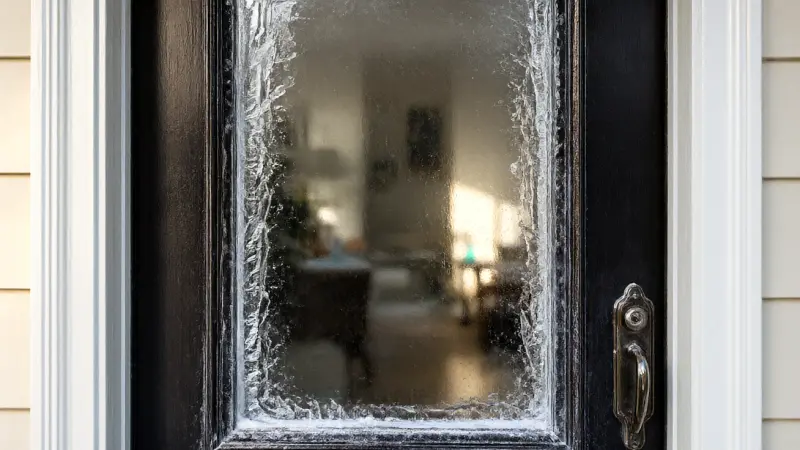
An exterior door is exposed to two different climates at once: the cold outdoors and the warmer, often more humid indoors. Warm indoor air can leak toward the door frame and meet cold surfaces. Moisture in that air can condense, then freeze in gaps, around weatherstripping, under the threshold, and inside the lock cylinder. Snowmelt and rain can also collect in the door channel and refreeze overnight.
Wood doors can absorb moisture and swell, adding friction even before ice forms. Steel and fiberglass doors are less likely to swell, but their weatherstripping, sweep, threshold, and hardware can still freeze. A storm door adds another layer where moisture can be trapped, and the space between the storm door and entry door can become a small freeze zone.
Cold snaps that freeze a door can also affect plumbing. If you suspect a supply line has frozen in a wall, follow this guide to a frozen pipe in exterior wall promptly, because pipes and doors often face the same cold-weather conditions.
Locks are a common trouble spot. A small amount of moisture or condensation inside the cylinder can freeze the pins or latch mechanism. If the key turns but the door still will not move, the problem may be ice around the latch, strike plate, or weatherstripping rather than the lock itself.
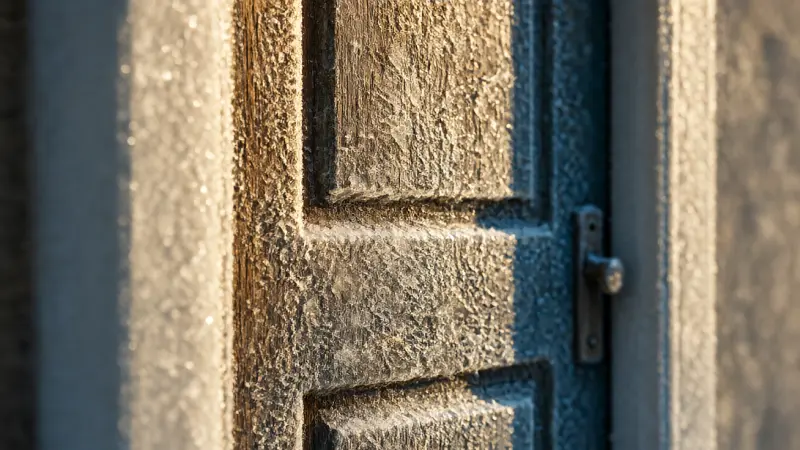
The threshold is another frequent culprit. Snow can pile against the door, melt slightly, and then refreeze into a hard bond at the bottom edge. If the door has a sill or sweep that sits close to the threshold, even a thin layer of ice can create enough grip to make the door feel locked in place.
Safety Checks Before You Try to Open a Frozen Door
Before you start heating or prying, inspect the door from the inside and outside if you can do so safely. Look for cracked glass, loose hinges, a damaged frame, or a storm door that has shifted. If the door has broken glass or a visibly bent frame, stop and treat it as a repair problem rather than a simple freeze.
While you deal with the door, keep other freeze points in mind. An outdoor faucet frozen and leaking inside needs urgent attention, because water damage can begin before the door is even open.
Avoid open flames, blowtorches, and unattended space heaters near the door. These introduce fire risk and can damage paint, weatherstripping, glass, and metal finishes. Boiling water is also a poor choice: it can cause thermal shock on cold glass or metal, and the water that runs into the frame can refreeze later.
Use low, controlled heat and gentle tools. A hair dryer on a low or warm setting, a plastic scraper, a soft brush, and a deicer made for door and lock use are usually safer starting points than metal pry bars or hammers. Wear gloves if you are working outside in freezing conditions, and keep children and pets away from the work area.
Tools and Methods That Help With an Exterior Door Frozen Shut
The method you choose should match the location of the ice. Ice around the weatherstripping calls for gentle warming and deicing. Ice at the threshold calls for clearing snow and breaking the bond at the bottom. A frozen lock needs a lock-specific approach rather than heat applied to the door surface.
| Method | Good For | Cautions |
|---|---|---|
| Hair dryer on low or warm setting | Warming weatherstripping, frame edges, and lock area | Keep the dryer moving, avoid overheating paint or finishes, and do not use near standing water |
| Deicer spray for doors and locks | Ice bonded around the frame, threshold, and latch area | Test on an inconspicuous area, ventilate the area, and avoid overspray on nearby paint or plants |
| Plastic scraper or stiff brush | Loose snow and surface ice at the bottom and sides | Do not use metal tools that can gouge the door, threshold, or weatherstripping |
| Lock deicer or graphite lubricant | A frozen lock cylinder that will not accept or turn the key | Do not force the key, and avoid using water or household oil in the cylinder |
| Gentle pressure near the handle | A door that is lightly stuck but not damaged | Do not kick, pry with a screwdriver, or push hard against glass |
Keep in mind that heat works slowly. Applying too much heat to one spot can soften paint or distort weatherstripping while the rest of the door remains frozen. Move the warm air around the perimeter, especially the latch side and bottom corner, where ice often hides.
Chemical deicers can be useful, but they are not all the same. Some are formulated for concrete, some for locks, and some for general ice removal. Read the label and use the product only where it is intended. If you are unsure, start with gentle heat and mechanical removal rather than chemicals.
Step-by-Step: How to Open an Exterior Door Frozen Shut
Start on the outside if that is where the ice is visible, and work from the least aggressive method to the most aggressive. The goal is to break the ice bond without damaging the door, frame, glass, or hardware. If at any point the door feels structurally wrong, stop and reassess.
1. Clear Snow and Loose Ice
Use a plastic shovel, brush, or scraper to remove snow from the door bottom, threshold, and the area around the frame. Pay attention to the corners and the space between a storm door and the entry door. Removing loose material reduces the amount of ice you need to melt.
2. Warm the Frame and Weatherstripping
Plug in a hair dryer and set it to a low or warm setting. Move the air along the latch side, the top corner, and the bottom edge rather than holding it in one place. Warm the frame and weatherstripping gradually so the ice can release its grip.
If you do not have a hair dryer, a warm damp cloth can help on small areas of metal or sealed finishes, but avoid using hot water. A cloth cools quickly and may need to be refreshed, so use it as a supplement rather than the main heat source.
3. Treat the Lock and Latch Area
If the key will not go in or will not turn, use a lock deicer or a small amount of graphite lubricant according to the product directions. Do not force the key, because a broken key in a frozen cylinder creates a more difficult repair. Once the lock turns, the door may still need help at the weatherstripping or threshold.
Check the latch and strike plate for ice. Warm them gently and clear any visible ice with a plastic tool. If the door has a deadbolt, make sure both the knob latch and deadbolt are retracted before you push.
4. Break the Bond at the Threshold
Slide a plastic scraper or a stiff plastic putty knife into the gap at the bottom edge if there is room. Work it gently along the threshold to break the ice bond. Do not use a metal pry bar or screwdriver, which can gouge the sill and damage the door sweep.
If the door has a removable threshold cover or sill guard, check whether it can be lifted safely according to the manufacturer’s instructions. If it is frozen in place, warm it gently rather than prying it up.
5. Apply Gentle Pressure in the Right Place
Push near the handle rather than near the glass or the hinge side. A steady, gentle push is less likely to cause damage than a sudden shove or kick. If the door begins to move, keep the pressure light and continue warming the stubborn areas.
If the door opens only slightly, stop and clear more ice before pushing farther. Forcing a partially open door can bend the frame or tear the weatherstripping. Once the door is open, dry the frame, threshold, and weatherstripping so the moisture does not refreeze.
6. Dry and Lubricate After Opening
Use a towel to wipe up melted water around the threshold, lock, and weatherstripping. Moisture left in the door channel can refreeze the next night. Apply a suitable lubricant to the lock and hinges according to the hardware manufacturer’s recommendations, and inspect the weatherstripping for tears or compression.
Preventing Your Exterior Door From Freezing Shut Again
Prevention starts with keeping water out of the door assembly. Clear snow away from the door bottom and threshold after storms, and make sure the exterior grade or stoop drains away from the door rather than toward it. If water pools at the threshold, it can refreeze and bond the door repeatedly.
Inspect the weatherstripping and door sweep. Worn or flattened weatherstripping can let warm air escape, which adds condensation and ice. A door sweep that drags on the threshold can also trap water. Replace damaged seals and adjust the threshold or sweep if the door is binding.
If you are planning exterior repairs or repainting trim around the door, choose a finish that suits the exposure and the surrounding trim. This guide to exterior paint colors for dark trim can help you plan a durable and cohesive exterior finish.
Lubricate locks and hinges before cold weather arrives, and keep the keyway clean. Avoid spraying water into the lock or latch. If condensation is heavy on the inside of the door or storm door, improve ventilation and check for air leaks around the frame.
For storm doors, make sure the closer is adjusted so the door closes firmly but not so tightly that it crushes the weatherstripping. Check the weep holes and drainage channels in the storm door frame, and keep them clear so water can escape instead of sitting against the entry door.
When to Stop DIY and Call a Professional
Call a professional if the door frame is visibly bent, the glass is cracked, the lock cylinder is damaged, or the door will not close properly after it opens. Repeated freezing in the same spot can point to a drainage problem, a failed seal, or a door that needs adjustment. A qualified door or window technician can identify whether the issue is weatherstripping, framing, hardware, or grade drainage.
If you have tried gentle heat and deicing without success, avoid escalating to prying or impact tools. A stuck door can often be freed with patience, but a damaged door can cost far more than a service call. When in doubt, protect the door and call for help.
FAQ
Can I pour hot water on a frozen exterior door?
It is better to avoid hot water. Hot water can stress cold glass and metal, and the runoff can refreeze in the frame or threshold. Use gentle heat from a hair dryer and a deicer intended for doors and locks instead.
Why does my door freeze shut at the bottom?
The bottom is where snow, slush, and meltwater collect. That water can refreeze around the door sweep, threshold, and sill. Clear snow promptly and check that the threshold drains away from the door.
Should I use a heat gun on a frozen door?
A heat gun can concentrate too much heat and damage paint, weatherstripping, or glass. A hair dryer on a low or warm setting is usually a more controlled choice for a frozen door.
What if the lock is frozen but the door is not?
Use a lock deicer or graphite lubricant made for lock cylinders. Do not force the key, and avoid putting water or household oil into the lock. If the key still will not turn, the cylinder may need service.
Conclusion
An exterior door frozen shut is usually caused by moisture freezing around weatherstripping, the threshold, the latch, or the lock. The safest approach is to clear loose snow, warm the frame gradually, treat the lock correctly, and break the ice bond with plastic tools rather than force.
After the door opens, dry the area and inspect the seals, sweep, lock, and threshold. Preventing repeat freezes means keeping water away from the door, maintaining weatherstripping, and addressing drainage or fit problems before the next cold snap.
If the door is damaged, cracked, or still stuck after gentle efforts, stop and call a professional. Patience and the right tools protect both the door and your home.