The electrical load center, often called a breaker box or electrical panel, is the heart of your home’s electrical system. It takes the main power from your utility and safely distributes it to every light, outlet, and appliance. But what happens when this critical component becomes outdated, overloaded, or simply fails?
Flickering lights, frequently tripping breakers, and strange buzzing sounds are more than minor annoyances; they are urgent warnings. An aging or malfunctioning load center can pose significant safety risks, including electrical fires and appliance damage. Understanding when and why to replace your load center is one of the most important investments you can make in your home’s safety and future readiness.
Telltale Signs Your Electrical Panel Is a Ticking Time Bomb
Ignoring the warning signs of a failing electrical panel can have serious consequences. Your home’s electrical system will often give clear indications that it’s under stress or that a critical component is nearing the end of its life.
Constant Breaker Trips: More Than an Annoyance
A circuit breaker that trips occasionally is doing its job, protecting against a temporary overload. However, if you find yourself constantly resetting the same breakers, it signals a deeper problem. This could mean the circuit is persistently overloaded by modern, power-hungry appliances or that the breaker itself is failing.
The Unmistakable Smell of Burning
One of the most urgent warning signs is a distinct burning odor coming from your electrical panel. This often indicates that wires are overheating due to a loose connection or a failing breaker, creating a significant fire hazard. If you detect this smell, it’s crucial to contact a licensed electrician immediately.
An Outdated or Recalled Panel
Many homes built before the 1990s are equipped with panels that are now considered obsolete and dangerous. Brands such as Federal Pacific Electric (FPE) and Zinsco-Sylvania are notorious for having design flaws where breakers fail to trip, leading to countless electrical fires. If your home has one of these panels, replacement is not just recommended—it’s essential for safety.
Flickering Lights and Inconsistent Power
While a single flickering light might be a loose bulb, widespread flickering or dimming, especially when a large appliance turns on, often points to a problem with the main panel. It suggests the load center is struggling to distribute power evenly and can’t keep up with your home’s electrical demands.
Physical Signs of Damage: Rust and Corrosion
Visible rust or corrosion on the panel or inside the breaker box is a clear red flag. Moisture has likely entered the panel, which can degrade connections, impede the proper function of breakers, and lead to serious safety issues. Any physical damage warrants an immediate professional inspection.
Planning Your Load Center Replacement: The Critical First Steps
Replacing a load center is a significant undertaking that requires careful planning. Before any work begins, you must assess your home’s power requirements, choose the right equipment, and navigate the necessary legal and administrative steps to ensure a safe and compliant installation.
Assessing Your Power Needs: Sizing Your New Panel
The first step is determining the right size for your new panel, which is measured in amperes (amps). While older homes might have 60-amp or 100-amp service, modern homes often require 150-amp or 200-amp panels to safely power everything from new kitchen appliances to electric vehicle (EV) chargers. A qualified electrician can perform a load calculation to determine the precise needs of your household, ensuring your new panel has enough capacity for today and for future upgrades.
It’s always wise to select a panel with more circuit space than you currently need. This “future-proofing” saves you from needing another upgrade down the road when you decide to add a hot tub, a workshop, or solar panels.
Understanding Busbar Material: Copper vs. Aluminum
A critical detail often overlooked by homeowners is the material of the busbars inside the load center—the metal bars that distribute power to the circuit breakers. Copper busbars are widely considered superior due to their higher conductivity and greater resistance to corrosion over time. Aluminum busbars, while less expensive, can be more susceptible to oxidation, which can lead to loose connections and overheating.
When selecting a new panel, opting for one with copper busbars is a smart long-term investment in the safety and reliability of your electrical system. This is a key detail that demonstrates a commitment to quality and is a hallmark of a professional-grade installation.
The Permit Process: Why You Can’t Skip This Step
Replacing an electrical panel is not a simple repair; it’s a major alteration to your home’s electrical system, and virtually all municipalities require a permit. The permitting process ensures that the work is performed by a licensed professional and is inspected to confirm it meets the National Electrical Code (NEC) and local safety standards. Skipping this step can lead to fines, issues with selling your home, and the potential for your homeowner’s insurance to deny a claim related to unpermitted work.
The Replacement Process: A Step-by-Step Professional Overview
Warning: Replacing a load center is an extremely dangerous task that should only be performed by a licensed and insured electrician. The following overview is for informational purposes to help homeowners understand the scope of the project, not as a DIY guide.
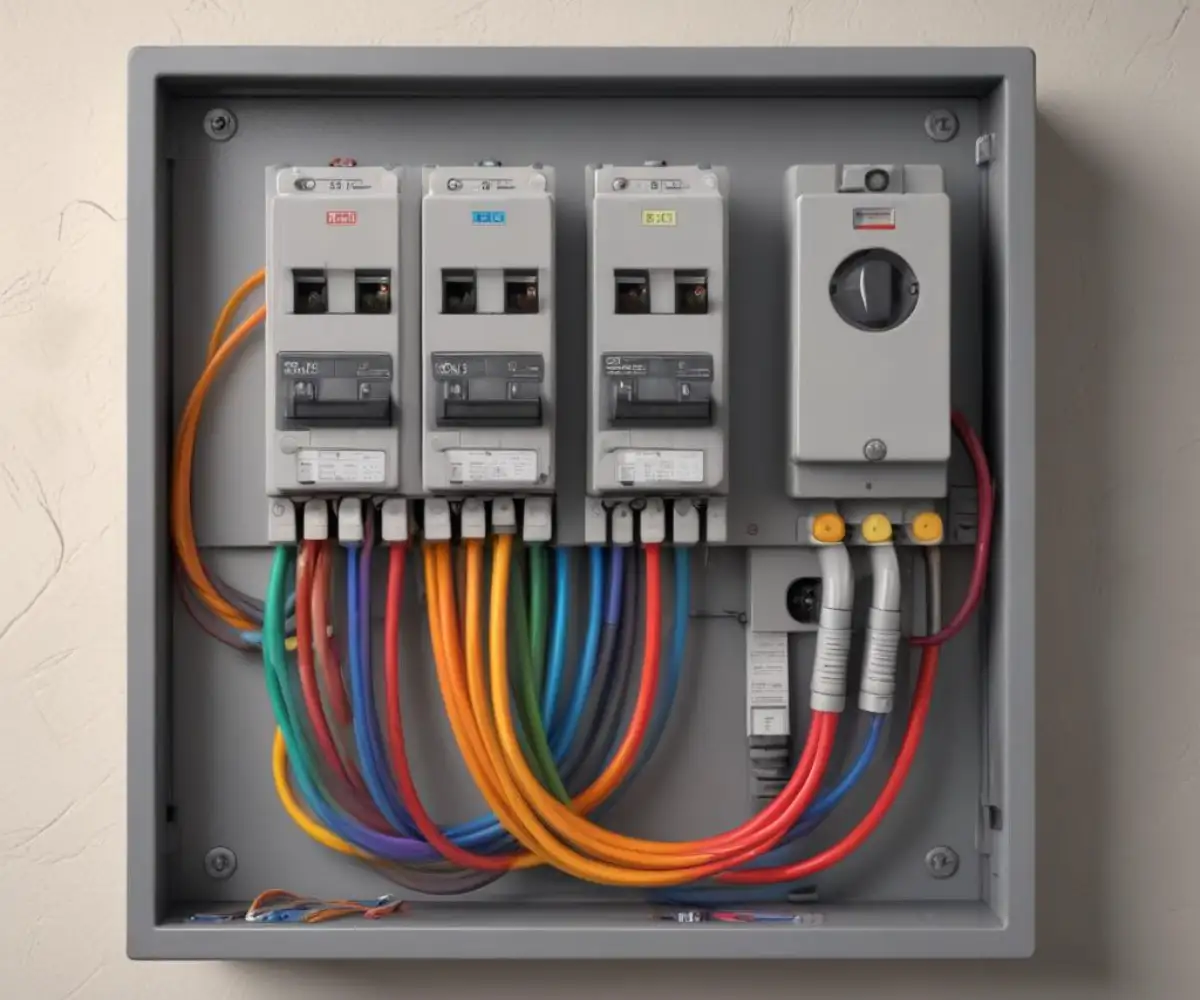
Initial Safety Shutdown and Preparation
The first and most critical step is coordinating with the utility company to disconnect all power to the home at the meter. An electrician will then use a voltage tester to verify that no electricity is present before touching any part of the system. Every circuit wire connected to the old panel is carefully labeled to ensure it is reconnected correctly in the new panel.
Removing the Old Panel and Installing the New
Once everything is de-energized and labeled, the electrician will disconnect all circuits and remove the old load center from the wall. The new, larger-capacity load center is then securely mounted in its place. This may sometimes require minor modifications to the wall framing to accommodate a larger box.
Wiring New Breakers and Making Connections
The main service entrance conductors are connected to the new panel’s main breaker. Branch circuits are then carefully routed into the new panel and connected to the appropriate circuit breakers. Modern installations often require the use of Arc-Fault Circuit Interrupters (AFCIs) and Ground-Fault Circuit Interrupters (GFCIs) for enhanced safety, which protect against different types of electrical faults. Understanding the specific requirements for circuits, such as those for a switched GFCI outlet, is crucial for code compliance.
Ensuring System Integrity and Compatibility
A professional electrician pays close attention to the “series rating” or “short-circuit current rating” of the new panel and breakers. This ensures that all components are certified to work together and can safely interrupt the massive current of a short circuit. Using mismatched breakers and panels can create a catastrophic failure and is a common mistake in unpermitted work.
Final Inspection and Energization
After the installation is complete, a city or county inspector will review the work to ensure it complies with all electrical codes. Once the inspection is passed, the utility company is authorized to restore power to the home. The electrician will then perform final tests on all circuits to confirm everything is operating safely and correctly.
Beyond the Box: Key Upgrades to Consider
Replacing your load center is the perfect opportunity to incorporate modern safety and convenience features into your home’s electrical system. These upgrades not only enhance protection but also add significant value and future-readiness to your property.
Whole-Home Surge Protection
A whole-home surge protector is installed directly inside your main electrical panel to shield all your sensitive electronics and appliances from power surges. Unlike individual power strips, this device protects everything in your home, from your refrigerator and HVAC system to your computers and televisions, from damage caused by lightning strikes or utility grid fluctuations.
Advanced Circuit Protection: AFCI and GFCI Breakers
Modern electrical codes mandate advanced protection in living areas and wet locations. AFCI (Arc-Fault Circuit Interrupter) breakers are designed to detect dangerous arcing in wiring—a common cause of electrical fires—and shut off the circuit. GFCI (Ground-Fault Circuit Interrupter) breakers protect against electrical shock by detecting imbalances in the current, making them essential for bathrooms, kitchens, garages, and outdoor circuits.
| Panel Comparison | Old/Obsolete Panel (e.g., Fuse Box, FPE) | Modern Load Center |
|---|---|---|
| Protection Method | Fuses (must be replaced) or unreliable breakers | Resettable circuit breakers (AFCI/GFCI available) |
| Amperage Capacity | Often low (60-100 Amps) | Higher capacity (150-200+ Amps) |
| Safety Features | Minimal, often lacking proper grounding | Grounding, whole-home surge protection options |
| Code Compliance | Does not meet modern safety standards | Designed to meet current NEC requirements |
| Future Readiness | Inadequate for modern loads (EVs, etc.) | Expandable for future technologies |
The DIY vs. Pro Debate: Why This Is a Job for Experts
While some home projects are suitable for DIY enthusiasts, replacing a load center is not one of them. The risks associated with this work are incredibly high and can lead to fatal electrocution, house fires, and significant financial liability.
The Shocking Reality of Electrical Dangers
The amount of electricity entering your home from the utility line can be lethal. Even with the main breaker off, the lugs where the service lines connect remain live. Professionals are trained to work safely around this high-voltage equipment and have the proper personal protective equipment (PPE). They also have a deep understanding of electrical principles, such as how to safely test for issues like continuity between hot and neutral before energizing a system.
Code Compliance and Insurance Nightmares
A licensed electrician ensures that the installation is fully compliant with all national and local electrical codes. Without the required permits and inspections, your homeowner’s insurance could deny any claims related to a fire or damage caused by the faulty electrical work. Furthermore, unpermitted major electrical work can create significant legal and financial problems when you decide to sell your home.
Investing in Your Home’s Safety and Future
Replacing an old or inadequate load center is a foundational investment in your home’s safety and functionality. It’s a project that protects your family, safeguards your valuable electronics, and prepares your home for the technological demands of the future. It provides the same peace of mind as knowing your home is built on a solid base, a principle that extends to other fundamental projects like using Sonotubes for fence posts to ensure a stable and long-lasting structure.
By recognizing the warning signs and entrusting the work to a qualified professional, you ensure that the heart of your electrical system is robust, reliable, and ready for whatever comes next. Don’t wait for a minor issue to become a major catastrophe; consult a licensed electrician to assess your electrical panel today.