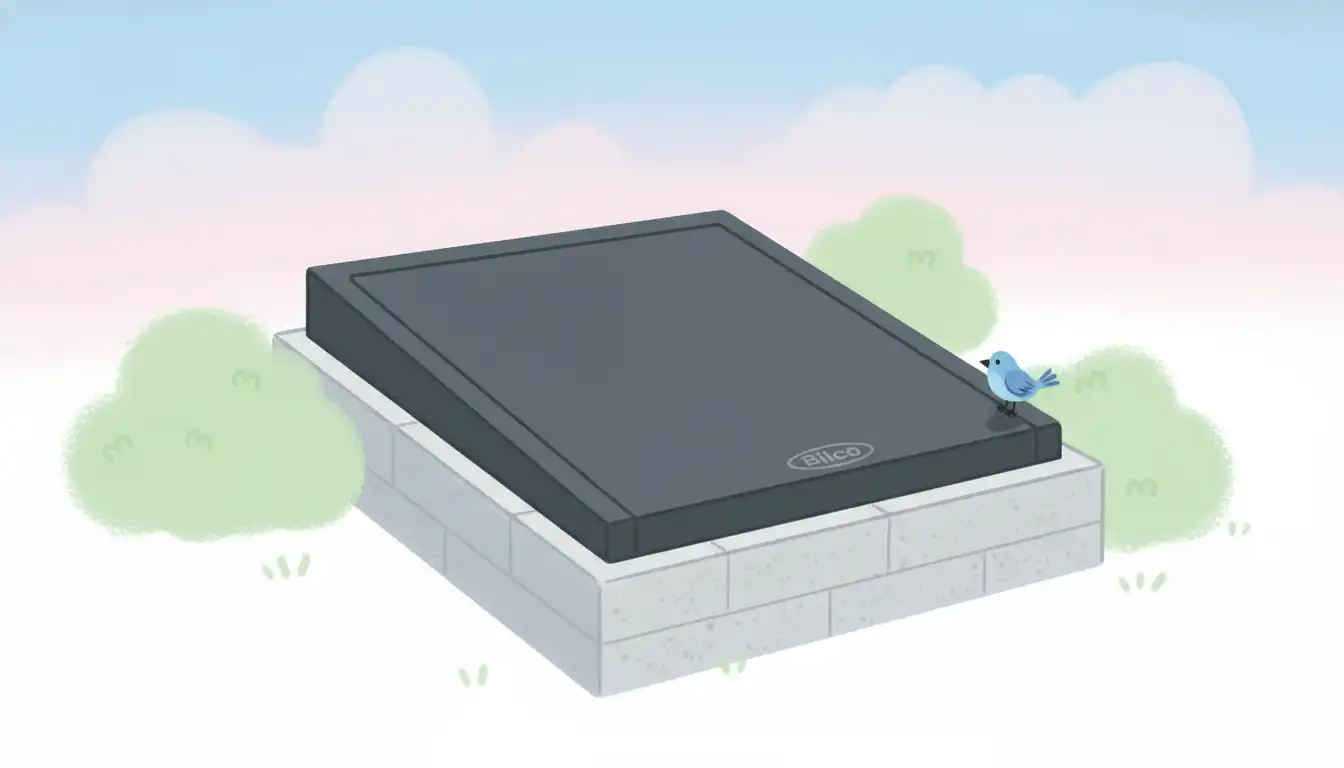
That metal cellar door, often a Bilco, is a familiar sight for many homeowners. It provides crucial access to the basement, but its horizontal orientation and metal construction make it a prime target for nature’s relentless assault. The result is often a peeling, chalky, and rust-covered eyesore that detracts from your home’s curb appeal and can lead to more significant problems if left unchecked.
The core issue is that these doors face a unique combination of stressors. They bake in the direct sun, endure rain and snow, and are often exposed to moisture from within the basement itself. This constant cycle of wetting and drying, combined with temperature fluctuations, creates the perfect environment for rust to form and paint to fail.
Fortunately, with the right products and a systematic approach, you can transform your weathered Bilco doors into a durable, attractive feature of your home. Using a proven system involving Rust-Oleum products can provide a long-lasting barrier against rust and the elements, restoring the door’s appearance and integrity for years to come. This guide will walk you through every critical step of the process.
Why Your Bilco Doors Are a Rust Magnet (And What to Do About It)
Steel, the primary material for most Bilco doors, has a natural tendency to corrode when exposed to oxygen and water—a process we know as rusting. The factory primer on these doors provides initial protection, but it’s often a minimal layer designed for shipping and short-term exposure. Over time, UV rays, impacts, and temperature swings break down this primer and any subsequent paint layers.
Once the protective coating is breached, even by a small chip or scratch, moisture gets in and the rusting process begins. An often-overlooked factor is condensation from the basement. Warm, moist air rising from the basement can condense on the cooler, metal underside of the doors, causing them to rust from the inside out. This makes painting the underside just as critical as painting the top.
The solution is not just a coat of paint, but a complete “paint system.” This involves meticulous surface preparation to remove all existing rust and failed paint, followed by a specialized rust-inhibitive primer and a durable, weather-resistant topcoat. This system-based approach ensures each layer works together to create a formidable shield against corrosion.
Choosing the Right Rust-Oleum: A Product Showdown
Not all paints are created equal, especially when it comes to protecting metal from harsh exterior conditions. Rust-Oleum offers several excellent choices, each with specific strengths. Selecting the right product is crucial for achieving a durable, long-lasting finish on your Bilco doors.
The ideal choice depends on the current condition of your doors and the level of protection you need. For doors with existing rust, a high-performance enamel combined with a rusty metal primer is non-negotiable. For new or pristine doors, a direct-to-metal formula might suffice, but a dedicated primer is always the best practice for maximum longevity.
Understanding the differences between oil-based (alkyd) enamels and other paint types is key. Oil-based enamels, like those in the Stops Rust line, cure to a much harder, more durable finish that is highly resistant to moisture, chipping, and abrasion—making them the superior choice for this specific application. The table below compares top contenders for the job.
| Product Name | Type | Primer Required? | Key Feature | Best For |
|---|---|---|---|---|
| Rust-Oleum Stops Rust Protective Enamel | Oil-Based Alkyd | Yes (Rusty Metal Primer) | Excellent corrosion resistance and color retention. | Previously painted or heavily rusted Bilco doors. |
| Rust-Oleum Professional High Performance Protective Enamel | Oil-Based Alkyd | Recommended | Superior coverage, hiding, and resistance to chipping and abrasion. | High-traffic areas or achieving a premium, factory-like finish. |
| Rust-Oleum Marine Coatings Topside Paint | Oil-Based Alkyd | Yes | Exceptional UV and water resistance, designed for marine environments. | Doors in extremely sunny, wet, or coastal climates. |
Essential Tools and Materials for a Flawless Finish
Gathering all your tools and materials before you begin is essential for a smooth and efficient workflow. A well-prepared workspace prevents mistakes and ensures you can move from one step to the next without interruption. Safety should always be the first priority, especially when dealing with chemicals and creating dust.
Safety Gear is non-negotiable. Always wear safety glasses to protect your eyes from debris and paint splatters. Chemical-resistant gloves are necessary to protect your skin from solvents, and a respirator or dust mask is crucial during sanding and painting to avoid inhaling harmful particles and fumes.
For the project itself, you’ll need a combination of preparation and application tools. The quality of your prep work will directly determine the quality and lifespan of your paint job. Don’t cut corners on this stage; a pristine surface is the foundation of a lasting finish.
Project Supply Checklist:
- Safety Gear: Safety glasses, nitrile gloves, N95 respirator or mask.
- Preparation Tools: Stiff wire brush, paint scraper, random orbital sander or sanding block, 80-grit and 120-grit sandpaper, and a bucket.
- Cleaning Supplies: A strong degreaser or Trisodium Phosphate (TSP), scrub brush, and clean rags.
- Painting Tools: Painter’s tape, drop cloths, a high-quality 2-inch angled brush for corners, and a 4-inch high-density foam roller or 1/4″ nap roller for smooth surfaces.
- Rust-Oleum Products: Rust-Oleum Rusty Metal Primer and Rust-Oleum Stops Rust Protective Enamel (your choice of color and finish).
The 7-Step Method for Painting Bilco Doors That Lasts
Following a systematic process is the key to achieving a professional-quality paint job that will stand the test of time. Rushing any of these steps, especially the preparation, will compromise the final result. Dedicate ample time to each stage to ensure the best possible outcome.
Step 1: Safety First – Prepare Your Workspace
Begin by laying down drop cloths to protect the surrounding foundation and landscaping from paint drips and splatters. Use painter’s tape to mask off any areas you don’t want painted, such as handles or the surrounding concrete, if you choose not to remove them. Ensure you have adequate ventilation, as you will be working with oil-based products that produce strong fumes.
Step 2: The Critical Prep Work – Degrease and Clean
Paint cannot adhere to dirt, grime, or mildew. Mix your TSP or degreaser with water according to the manufacturer’s instructions. Vigorously scrub the entire surface of the doors—top and bottom—with the solution and a stiff brush, then rinse thoroughly with clean water and allow the doors to dry completely.
Step 3: Remove All Loose Rust and Old Paint
This is the most labor-intensive, yet most important, part of the process. Use a paint scraper to remove any large, flaking sections of paint. Follow up with a stiff wire brush to attack any remaining loose paint and surface rust, paying special attention to seams, edges, and pitted areas.
Step 4: The Secret to Adhesion – Power Sanding
Once the loose material is gone, use a random orbital sander with 80-grit sandpaper to remove all remaining rust and to “feather” the edges where old paint meets bare metal. The goal is to create a smooth, uniform surface. Sanding not only removes imperfections but also creates a microscopic profile on the surface that gives the primer something to grip onto, ensuring a strong bond.
After sanding, wipe down the entire door with a clean, damp rag to remove all dust and debris. Allow it to dry completely before moving to the next step. Any lingering dust will prevent the primer from adhering properly.
Step 5: Priming for Maximum Rust Protection
With the doors clean, dry, and dull, it’s time to apply the primer. Rust-Oleum Rusty Metal Primer is specifically designed to bond to lightly rusted and bare metal, creating a barrier that stops rust in its tracks. Stir the primer thoroughly and apply a thin, even coat to the entire surface of the doors using your brush and roller. Focus on covering all bare metal spots completely. Allow the primer to dry according to the can’s instructions.
Step 6: Applying the Rust-Oleum Topcoat
Once the primer is fully cured, you can apply your topcoat of Rust-Oleum Stops Rust Protective Enamel. Stir the paint well; do not shake it, as this can introduce bubbles. Using your brush for edges and your roller for the large flat areas, apply a thin, even coat. Avoid applying the paint too heavily, as this can lead to drips and a longer curing time. Let the first coat dry for the time specified on the can before applying a second coat for maximum durability and color depth.
Step 7: The Professional’s Secret – The Double Cure
Paint curing is a chemical process that goes beyond simply being “dry to the touch.” While the paint may feel dry in a few hours, it takes several days to achieve its full hardness and chemical resistance. For an exceptionally durable finish, allow the doors to cure for at least 72 hours before subjecting them to heavy use.
For an even harder finish, you can employ a “double cure” technique. After the initial 72-hour cure, if weather permits, prop the doors open during a warm, sunny day. The gentle heat from the sun will help the enamel paint cross-link more completely, resulting in a harder, more resilient final finish that is less prone to scratches and scuffs.
Beyond the Basics: Pro Tips for a Perfect Bilco Door Paint Job
Achieving a good result is one thing; achieving a great, long-lasting one requires attention to the finer details. These professional tips address common oversights and can elevate your project from a simple paint job to a true restoration.
Don’t Forget the Underside
The biggest mistake homeowners make is neglecting the underside of the doors. Moisture from the basement condenses on this surface, making it a hotspot for rust. Ensuring the underside is just as meticulously prepped and painted as the top is the single most important step for long-term durability. This creates a complete seal, preventing moisture from attacking the metal from any direction.
Handling Hinges and Hardware
You have two options for hardware: remove it or tape it. Removing handles and lock mechanisms is the best way to ensure a clean finish around them. If you choose not to, take your time to tape them off precisely with high-quality painter’s tape to prevent any paint from getting on them. Poorly masked hardware is a tell-tale sign of an amateur job.
Fixing Common Problems
Even with care, you might encounter issues like paint drips or brush marks. If you notice a drip while the paint is still wet, you can often gently smooth it out with a nearly dry brush. If it has already started to set, it’s better to let it cure completely, then lightly sand it smooth and touch up the area with another thin coat of paint. Similar to how a malfunctioning part like a stripped dryer blower wheel needs to be replaced for the whole system to work, a paint drip must be properly fixed to ensure the integrity of the finish.
Maintaining Your Newly Painted Doors
Your work isn’t finished once the final coat of paint is dry. A little routine maintenance will significantly extend the life of your newly painted Bilco doors and keep them looking great for years. The key is to be proactive and address small issues before they become big problems.
At least twice a year, wash the doors with mild soap and water to remove dirt, pollen, and other environmental contaminants that can break down the paint over time. While cleaning, inspect the surface for any chips or scratches. If you find any, touch them up immediately with a small amount of leftover primer and paint to prevent rust from getting a foothold.
What if You See Flashing Lights?
Just as a flashing red light on your furnace, like a Trane XV80 blinking error code, signals a problem that needs immediate attention, a chip in your new paint job is a warning sign. It’s the first signal that the protective barrier is breached. Addressing this small warning sign promptly prevents the much larger problem of widespread rust from developing.
Frequently Asked Questions (FAQ)
Do I really need to use a primer?
Absolutely. Primer serves two critical functions: it ensures the topcoat adheres properly to the metal, and more importantly, a rust-inhibitive primer like Rust-Oleum Rusty Metal Primer contains special pigments that chemically block the formation of rust. Skipping primer is the fastest way to have your paint job fail.
Can I paint over the old paint without sanding?
This is not recommended. Painting over a peeling or chalky surface is like building a house on a crumbling foundation. The new paint will only adhere to the old, unstable paint, which will eventually flake off, taking your new coat with it. Sanding removes the failed paint and creates a stable surface for the new paint system to bond to.
How long will this paint job last?
If you follow all the preparation and application steps correctly, a high-quality Rust-Oleum paint job on Bilco doors can easily last 7-10 years or even longer. The keys to longevity are thorough prep work, using the correct primer and paint system, and performing minor touch-ups as needed.
What is the best temperature to paint in?
Ideal conditions for painting with oil-based enamels are typically between 50°F and 90°F (10°C and 32°C) with low humidity. Avoid painting in direct, hot sunlight, as this can cause the paint to dry too quickly, leading to brush marks and poor adhesion. High humidity can significantly slow down the curing process.
Conclusion
Painting your Bilco doors with Rust-Oleum is more than just a cosmetic upgrade; it’s a crucial maintenance task that protects your investment and enhances your home’s exterior. While it requires a significant amount of preparation, the reward is a durable, professional-looking finish that will withstand the elements for years. Remember that the success of the project lies in the details.
By diligently cleaning, sanding, and removing all rust, you create the perfect canvas for the primer and paint to do their job. Choosing a high-quality, oil-based system like Rust-Oleum Stops Rust Protective Enamel and applying it methodically—including the often-forgotten underside—ensures a complete seal against moisture and corrosion. The result is a cellar door that not only looks brand new but is also fully protected from the relentless forces of nature.