There are few sights more disheartening for a builder or DIY homeowner than a delivery truck pulling up with a stack of drywall sheets glistening with moisture. Whether it’s from unexpected rain during transit or improper storage, wet drywall can feel like a project-halting disaster. Your immediate reaction is critical, as the steps you take in the next few minutes and hours will determine whether you face a minor inconvenience or a major structural and financial problem down the road.
The core of the issue lies in drywall’s composition: a gypsum core pressed between two thick sheets of paper. This construction makes it highly porous and susceptible to water damage. Ignoring moisture, even if it seems minor, is a gamble that can lead to severe consequences long after the walls are finished and painted.
Why Even a Little Moisture on New Drywall Is a Big Deal
It’s tempting to think a little dampness will simply air-dry without issue. However, once water penetrates the paper facing, it compromises the gypsum core. This can lead to a cascade of problems that are often hidden until it’s too late.
The most immediate and dangerous threat is mold. Mold spores are everywhere, and they only need moisture and an organic food source (like drywall paper) to activate. Under the right conditions, mold can begin to grow within 24 to 48 hours, posing significant health risks and requiring costly remediation. Beyond mold, moisture permanently weakens the structural integrity of the drywall, causing it to become soft, crumble, and lose its ability to hold screws and fasteners.
Surface Dampness vs. Core Saturation
Understanding the difference between surface dampness and a fully saturated core is crucial when assessing a delivery. Surface dampness might just be a light sheen on the paper that hasn’t penetrated deeply. You can often feel this as a cool, slightly damp texture that hasn’t caused any swelling or discoloration.
Core saturation is far more serious. Signs include visible swelling, warping, or dark, discolored patches that look like stains. If you press on the area and it feels soft or mushy, the gypsum core is compromised. At this point, the board is unsalvageable and should never be installed.
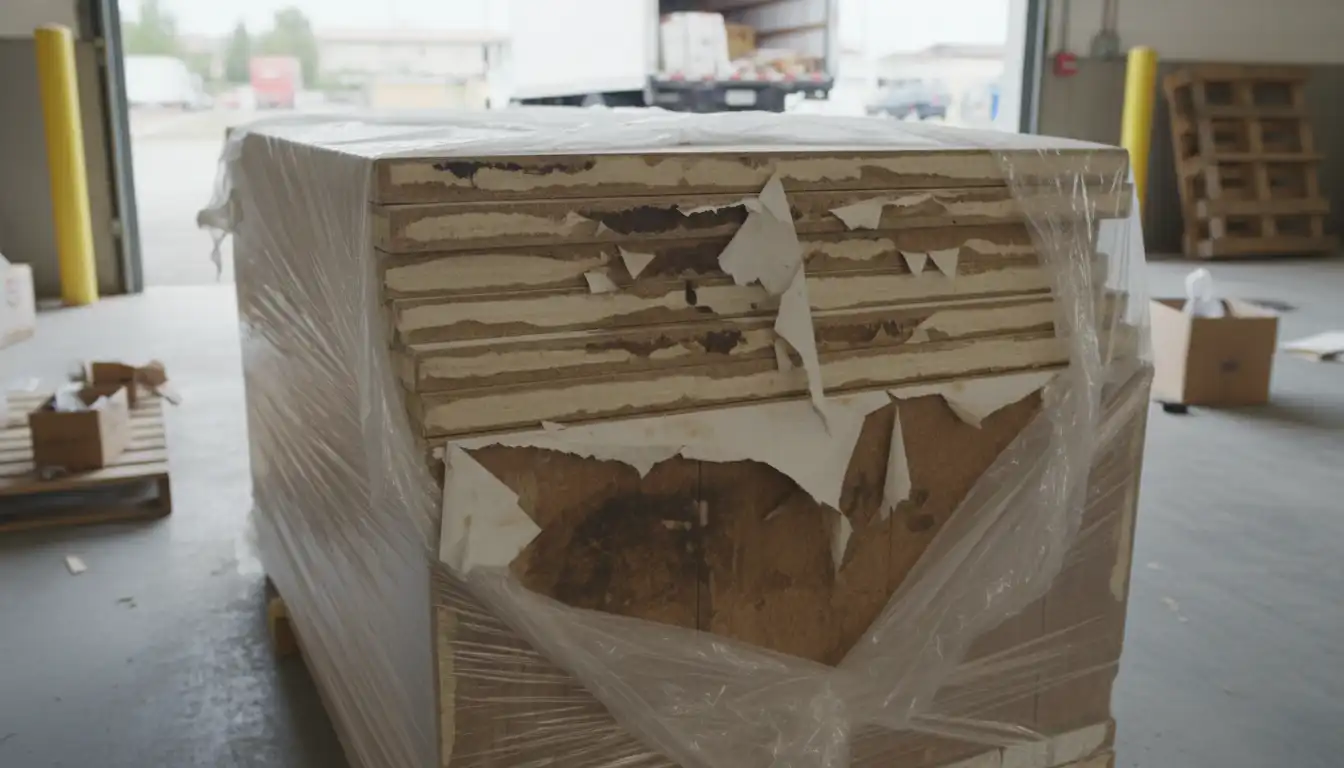
The Hidden Dangers: Mold, Mildew, and Weakness
Installing even moderately wet drywall is a recipe for disaster. The trapped moisture behind the wall creates a perfect breeding ground for mold and mildew. This can lead to a musty odor and poor indoor air quality. Over time, the weakened board can sag or bulge, causing seams and joints to crack and fail.
Furthermore, uncontrolled moisture can affect more than just the drywall itself; it can seep into wood studs and insulation. Tackling broader home moisture issues is key, as even a problem like standing water in a pop-up drain can contribute to a humid environment that prevents materials from drying properly. All materials, from structural components to finishing touches, must be kept dry for a safe and durable build.
The “Acceptable” Level of Wetness: Is There Such a Thing?
In the construction industry, the consensus is clear: there is virtually no acceptable level of wetness for new drywall. Manufacturers’ warranties are voided if the product gets wet. While a moisture meter can give a precise reading, visual and tactile inspections are your first line of defense. A normal, dry sheet of drywall will typically have a moisture content of 5-12%. Anything reading above 17% is generally considered saturated and must be rejected.
To help you assess the situation quickly during a delivery, here is a guide to different levels of moisture and the appropriate action to take.
| Moisture Level/Appearance | Description | Associated Risk | Recommended Action |
|---|---|---|---|
| Minor Surface Dampness | Edges or face paper feel cool and slightly damp but show no swelling or discoloration. Gypsum core is dry. | Low, if dried immediately and properly. Potential for paper delamination. | Isolate from other boards, place in a well-ventilated area with fans, and monitor. Use only if it dries completely flat with no staining. |
| Visible Water Stains | Yellow, tan, or brown discolorations are present on the paper facing. The board may still feel firm. | Moderate to High. Stains indicate water has soaked into the paper and likely reached the gypsum core. High risk of mold. | Strongly recommend rejection. Do not install. The integrity is compromised. |
| Swelling or Warping | The board is visibly deformed, bowed, or has swollen edges. The paper may be peeling or bubbling. | High. The gypsum core has absorbed significant water and expanded, losing all structural integrity. | Must Reject. The board is structurally unsound and cannot be repaired. |
| Soft or Mushy Texture | The board feels soft to the touch, and you can easily indent it with your finger. This is a sign of complete core saturation. | Extreme. The gypsum has turned to a paste-like consistency. It is a breeding ground for mold and has zero structural value. | Must Reject Immediately. This material is useless and hazardous. |
Your Immediate Steps: What to Do the Moment You Spot Wet Drywall
Your actions before the delivery driver leaves are the most important. Once you sign the delivery receipt without noting any damage, it becomes much harder to file a claim. You must be proactive and thorough in your inspection.
Step 1: Document Everything (Before the Driver Leaves!)
Before you even think about moving the boards, pull out your phone. Take clear, well-lit photos and videos of the damaged drywall from multiple angles. Capture close-ups of the wet spots, swelling, and any tears in the protective wrapping. Make sure to get a wide shot showing the entire stack on the truck.
Most importantly, make a note of the damage on the bill of lading or delivery receipt BEFORE signing it. Use clear language like, “15 sheets of drywall received wet and water-damaged. Refused.” This written record is your proof that the material arrived in unacceptable condition.
Step 2: Segregate the Damaged Boards
If only part of the shipment is wet, immediately separate the damaged sheets from the dry ones. Moisture can transfer between boards if they are left stacked together. Move the dry, acceptable sheets to your protected storage area first. Then, deal with the rejected portion.
Step 3: Refuse the Damaged Portion of the Delivery
You have the right to refuse any materials that are not in perfect condition. Clearly inform the driver which sheets you are rejecting and why. A professional supplier and delivery company will understand and have a process for this. Do not feel pressured to accept damaged goods with the hope that you can “make it work.”
Salvage or Scrap? Assessing the Damage After Delivery
What happens if you don’t notice the damage until after the driver is gone? While your options are more limited, you still need to assess the situation properly. The temptation to try and salvage the material will be strong, but this is rarely a good idea.
The Drying-Out Myth: Why “Letting it Dry” is a Risky Gamble
Many people believe they can simply set the wet drywall aside and let it air-dry. This is a critical mistake. Even if the board feels dry to the touch, the core can retain moisture for weeks, creating a hidden mold factory. The paper facing can also delaminate from the gypsum core as it dries, making it impossible to finish properly.
Proper drying requires significant airflow and humidity control, and even then, success is not guaranteed. A malfunctioning HVAC system, such as a Trane unit with a flashing red light, can impede proper air circulation and dehumidification, making a bad situation worse. It is far safer and more cost-effective in the long run to discard water-damaged boards.
When Can You Salvage a Damp Sheet?
The only potential exception is for boards with very minor surface dampness on an edge that has not reached the core. If you can immediately separate the sheet, place it in a climate-controlled area with fans and a dehumidifier, and it dries completely flat without any staining or loss of rigidity, it might be usable. However, this is a significant risk. When in doubt, throw it out.
Supplier and Delivery Company Responsibility: Who Pays for Wet Drywall?
Generally, the responsibility for delivering materials in good condition lies with the supplier until you have signed for them. If you properly document the damage and refuse the shipment, the supplier should arrange for a replacement at no extra cost to you. This is why inspecting the delivery is so important.
If you discover the damage after the fact (“concealed damage”), contact your supplier immediately. While they may be less obligated to cover the cost, a reputable company will often work with you to find a solution. Your prompt communication and photographic evidence are your best assets in this scenario.
Proactive Measures: How to Prevent Receiving a Wet Drywall Delivery
The best way to deal with wet drywall is to avoid it in the first place. A few proactive steps can greatly reduce your risk of receiving a damaged delivery.
Vet Your Supplier
Ask your building materials supplier about their storage and transportation policies. How do they protect drywall from the elements in their yard and on their trucks? Reputable suppliers will use covered storage and tarped flatbeds for delivery.
Schedule Delivery for Dry Weather
While not always possible, try to schedule your drywall delivery for a clear, dry day. If rain is in the forecast, call your supplier to see if the delivery can be rescheduled or to confirm that the materials will be adequately protected.
Be Present and Prepared for Inspection
Always be on-site to accept the delivery personally. Have a utility knife ready to cut away any plastic wrapping to inspect the boards thoroughly. Remember that all your building materials, from the structural white Romex wiring to the finished surfaces, must arrive in pristine condition to ensure a quality build.
The Bottom Line: Never Accept Compromised Materials
Receiving a wet drywall delivery is frustrating, but accepting it is a mistake that can compromise your entire project. The short-term inconvenience of refusing a shipment and waiting for a replacement is insignificant compared to the long-term costs and health risks of dealing with mold, structural failure, and endless repairs. Protect your investment and your health by insisting on dry, undamaged materials from the start.