A flashing trouble light on a home fire alarm can be unsettling. If the display says FTC trouble receiver, the system has detected a fault in its monitoring path. This guide explains what that means and how to fix it safely.
Fire alarms protect families, but they are electronic systems that need care. A trouble signal is not the same as a fire alarm. It is a warning that part of the system may not work during an emergency.
What Is an FTC Trouble Receiver?
FTC usually stands for Fire Alarm Trouble Condition. A receiver is the module that collects and reports trouble signals from detectors and panels. In a home system, it may be built into the main panel or installed as a separate communicator.
The FTC trouble receiver does not detect smoke itself. It watches for problems like lost communication, low battery, or wiring faults. When it sees a fault, it sends a trouble alert instead of a fire alarm.
Some homeowners confuse a trouble signal with a false alarm. A trouble signal means the system needs attention, not that smoke is present. Ignoring it can leave the home unprotected during a real fire.
Modern receivers may send signals to a monitoring company. They can report trouble, supervisory, and alarm events. The receiver is a critical link between the home and emergency responders.
Older systems may use a simple relay or dialer instead of a digital receiver. These older parts can fail silently. Regular testing helps reveal whether the receiver still communicates correctly.
Why Your FTC Trouble Receiver Shows a Trouble Signal
Trouble signals have many causes. The exact cause depends on the panel brand, age, and installation. Common triggers include power, wiring, sensors, and communication.
Low Battery or Power Loss
The backup battery in a fire alarm panel has a limited life. After three to five years, it may no longer hold a charge. A weak battery often triggers an FTC trouble receiver alert.
A power outage can also cause a trouble signal. If the panel does not recharge properly, the trouble may stay active. Check the breaker and the panel’s power supply first.
Voltage drops can happen when other large appliances start. A dedicated circuit helps prevent this problem. Sharing a circuit with motors or heaters can cause repeated trouble codes.
Wiring and Ground Faults
Fire alarm wiring can loosen, corrode, or get damaged. A ground fault happens when a wire touches metal or moisture. The receiver reports this as a trouble because the circuit is not reliable.
Rodents, renovation work, and water leaks can damage wires. In basements, a basement shower drain rough-in may introduce moisture near cables. Moisture can slowly corrode terminals and cause intermittent troubles.
Poor splices and loose terminal screws are common in older homes. Vibration from doors or appliances can loosen connections. A technician can tighten and test each circuit safely.
Dirty or Obsolete Sensors
Smoke detectors need regular cleaning. Dust, insects, and cobwebs can block the sensing chamber. The panel may see the device as dirty or out of tolerance.
Older detectors can also fail internally. If the device is past its manufacturer date, replacement is the best fix. The FTC trouble receiver will keep signaling until the device is serviced.
Heat detectors and carbon monoxide sensors can also trigger troubles. Each device has its own maintenance needs. Check the manual for the correct cleaning and testing method.
Network and Communication Errors
Many modern systems use wireless or network communication. A lost signal between devices can trigger a trouble condition. The receiver may report a communication failure or device missing.
Wi-Fi interference, dead batteries, and range issues are common. Metal studs, concrete walls, and appliances can block radio signals. Moving a repeater or receiver may restore reliable communication.
Firmware bugs can also cause false trouble reports. Manufacturers release updates to fix these problems. A licensed technician can check and install the latest firmware.
Environmental Triggers
High humidity, extreme heat, and dust affect fire alarm electronics. A receiver in a damp basement or attic may show frequent troubles. Temperature swings can also cause false trouble signals.
Insects nesting inside a receiver can bridge contacts. Seasonal maintenance helps prevent these environmental faults. Keep the area around the panel clean and dry.
Surge protectors can shield sensitive electronics from power spikes. A lightning strike nearby may damage a receiver without visible signs. If troubles started after a storm, ask a pro to inspect the panel.
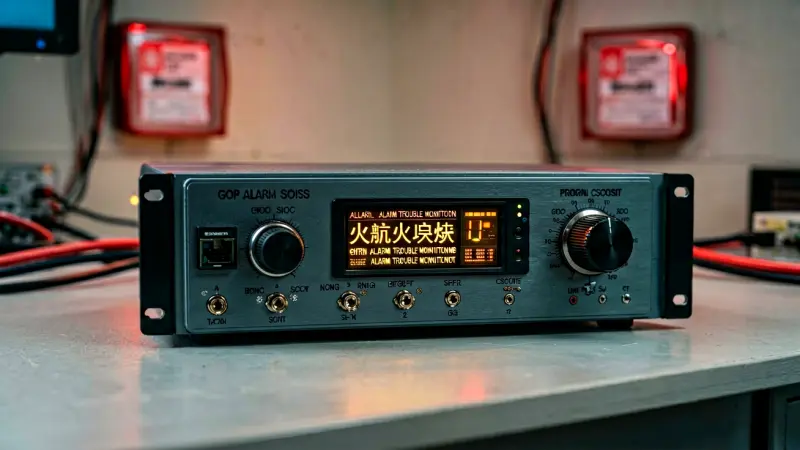
How to Diagnose FTC Trouble Receiver Issues Safely
Safety comes first when working around fire alarm systems. Do not open the panel if you are not trained on electrical safety. Many tasks can be done by checking the display and the owner’s manual.
Start by writing down the exact trouble message. Codes like FTC, TROUBLE, or COMM FAIL point to different causes. The panel’s event log may show the first device that triggered the fault.
Silence the trouble buzzer if it is disturbing the home. Do not disable the system unless a professional is actively repairing it. A disabled fire alarm leaves the home vulnerable.
Check the panel’s battery date and voltage if the manual allows. Inspect accessible detectors for dust, damage, or missing covers. Test the system only after the trouble is cleared.
If the panel controls a multi-level drop ceiling, look for pinched wires above tiles. Loose tiles can shift and damage detector wiring. A careful visual check can reveal obvious installation problems.
Isolate zones only for short diagnostic tests. Leaving a zone bypassed for days is dangerous. Always restore the system to normal after testing.
| Trouble Message | Likely Cause | First Safe Action |
|---|---|---|
| FTC | General fire trouble condition | Record code and check panel manual |
| TROUBLE | Fault in a zone or device | Review event log for zone number |
| COMM FAIL | Lost communication with receiver | Check power and signal path |
| GROUND FAULT | Wire touching ground or moisture | Call a licensed technician |
| LOW BAT | Weak backup battery | Replace battery with correct type |
| SUPV | Supervisory condition | Inspect device or valve named |
Step-by-Step Fixes for Common FTC Trouble Receiver Problems
Once the cause is known, repairs can be planned. Some fixes are simple maintenance tasks. Others require a licensed fire alarm technician.
Reset the System Correctly
A reset can clear temporary troubles. Follow the manufacturer’s reset sequence exactly. Do not press random buttons or disconnect power repeatedly.
After reset, watch the panel for a few minutes. If the trouble returns, the underlying issue is still present. Write down any new codes that appear.
Never reset the system to silence a trouble without investigating. The reset may hide a dangerous fault. The receiver will usually report the trouble again if the fault remains.
Replace Batteries and Backup Power
Batteries are the most common cause of trouble signals. Use the exact battery type listed in the manual. Never substitute a smaller or different chemistry without approval.
Check the charging circuit after replacement. A new battery can still fail if the charger is not working. Measure voltage only if you have the right tools and training.
Write the installation date on the battery. This makes future maintenance easier. Most batteries should be replaced every three to five years.
Clean and Test Detectors
Dust and debris cause many false trouble conditions. Use a vacuum with a soft brush attachment on accessible detectors. Do not use water or spray cleaners inside smoke detectors.
Test each device according to the manufacturer’s instructions. Replace any detector that fails the test or looks damaged. Keep a log of cleaning and replacement dates.
If a detector is hard to reach, use a professional. Climbing on furniture or opening ceilings can be dangerous. Proper tools and fall protection matter for home safety.
Repair Wiring and Ground Faults
Wiring faults are best handled by a qualified electrician or fire alarm pro. They can trace circuits and find hidden damage. DIY repairs on fire alarm wiring can violate codes and insurance terms.
If new circuits are being added during a remodel, plan them carefully. A dedicated circuit reduces interference, much like should lights be on their own circuit. Proper separation of power and signal wiring helps prevent trouble signals.
Use fire-rated cable and approved connectors when wiring is replaced. Cheap materials can fail inspection and cause future faults. Always follow local building and fire codes.
Address Communication and Receiver Signal Problems
Check that the receiver has power and a clear signal path. Replace weak transmitter batteries in wireless devices. Move repeaters or antennas only if the manual permits.
Avoid placing the receiver near large metal objects or electrical panels. These can block or distort communication signals. A professional can measure signal strength and adjust the system.
If the home has a metal roof or foil insulation, wireless signals may struggle. A wired connection or signal repeater may be needed. Test the system after any change to confirm reliable communication.
When to Call a Fire Alarm Professional
Some FTC trouble receiver problems require expert help. Call a licensed technician for ground faults, panel failures, or code issues. Also call if the trouble returns after basic resets and battery changes.
Professionals have meters, software, and manufacturer training. They can update firmware and replace obsolete components. Their work helps keep the system compliant with local fire codes.
Ask the technician for credentials and insurance. A qualified pro should explain the problem in plain language. Get a written report of the repairs and test results.
Do not ignore repeated trouble signals. A fire alarm that is not fully operational may fail during an emergency. Insurance companies may also require a working system.
If the panel is more than ten years old, replacement may be more cost-effective. New systems offer better diagnostics and easier maintenance. A pro can help compare repair versus replacement.
Preventative Maintenance for Home Fire Alarm Receivers
Regular maintenance reduces trouble signals. Test the system monthly using the test button. Replace batteries on the schedule recommended by the manufacturer.
Clean detectors every six to twelve months. Check the panel display for any new trouble codes. Keep the area around the panel free of dust and clutter.
Schedule professional inspections annually or as local codes require. An inspection covers sensitivity, battery health, and communication. It also verifies that the FTC trouble receiver is reporting correctly.
Keep a maintenance log with dates, codes, and repairs. This record helps technicians diagnose repeat problems. It can also satisfy insurance or inspection requirements.
After any home renovation, test the fire alarm system. Dust from drywall and sawing can clog detectors. New wiring or moved walls can also affect communication paths.
Understanding Code and Insurance Requirements
Fire alarm systems in homes are often governed by local codes. NFPA 72 provides national standards for detection and signaling. Local authorities may add stricter rules for receivers and communications.
Some insurance policies offer discounts for monitored fire alarms. A trouble signal may need to be resolved quickly to keep coverage valid. Check the policy for maintenance and testing requirements.
A qualified contractor can explain which codes apply to the home. They can also document repairs for insurance and inspections. Do not rely on internet advice alone for legal or code compliance.
Permits may be required for new fire alarm wiring or panel replacement. Skipping permits can cause problems during a home sale. Always verify local requirements before starting work.
Troubleshooting Checklist for FTC Trouble Receiver
Write down the exact trouble message and time. Check the panel manual for the code meaning. Confirm that the panel has AC power and a good battery.
Inspect accessible detectors for dust or damage. Review the event log for the first affected zone. Reset the system once using the correct sequence.
Replace weak batteries with the approved type. Clean detectors that are safe to access. Look for moisture, pests, or recent renovation damage.
Call a licensed technician if the trouble persists. Do not bypass or disable the system for convenience. A working fire alarm is essential for home safety.
Frequently Asked Questions
What does FTC mean on a fire alarm?
FTC generally means Fire Alarm Trouble Condition. It indicates a fault in the system, not a confirmed fire. The panel or receiver needs attention to restore full protection.
Can I ignore a trouble signal?
No. A trouble signal means part of the system may not work. Ignoring it can leave the home unprotected. Address the cause promptly or call a professional.
Will a trouble signal set off the alarm?
A trouble signal is different from a fire alarm. It usually sounds a buzzer or displays a message. The alarm may still activate if smoke is detected later.
How often should I test my fire alarm?
Test monthly using the test button. Clean and inspect detectors every six to twelve months. Follow the manufacturer and local code for professional inspections.
Can I replace the FTC trouble receiver myself?
Some batteries and cleaning tasks are homeowner-friendly. Panel repairs, wiring, and receiver replacement require training. Hire a licensed fire alarm technician for safety and code compliance.
Conclusion
An FTC trouble receiver alert is a warning that the fire alarm needs attention. Common causes include batteries, wiring, dust, and communication faults. Many issues can be prevented with regular testing and cleaning.
Simple resets and battery changes may clear temporary troubles. Persistent codes, ground faults, and panel failures need a professional. Acting quickly keeps the home protected and the system compliant.
Use the checklist in this guide to organize the troubleshooting process. Record every code and repair for future reference. A well-maintained fire alarm receiver provides reliable peace of mind.