You have just purchased a sleek, modern slide-in range, expecting it to transform your kitchen’s aesthetic. You slide it into place, but it stops two inches short of the wall. No matter how hard you push, a frustrating gap remains, trapping crumbs and ruining the seamless look you envisioned.
This is a common issue caused by the bulky electrical plug or gas valve hitting the wall behind the appliance. A recessed stove outlet allows the range to sit flush against the wall by sinking the electrical connection or gas valve into the wall cavity, eliminating the obstruction caused by bulky plugs.
The “Gap” Problem: Why Your Stove Won’t Fit
Most freestanding and slide-in ranges are designed with a specific “void” space at the back. This indented area is intended to accommodate the gas pipe or electrical receptacle. However, builders often install outlets in standard positions that do not align with this void.
For electric ranges, the heavy-duty NEMA 14-50 plug is massive. When plugged into a surface-mounted receptacle, it can protrude three to four inches from the wall. If this protrusion hits the solid metal back of your stove instead of the designated hollow spot, the stove cannot go back any further.
Gas ranges face a similar issue. The gas shut-off valve and the rigid piping often stick out too far. If the flexible gas line bunches up behind the unit, it creates a spring-like resistance that pushes the appliance forward.
Solution 1: Recessed Electric Range Outlets
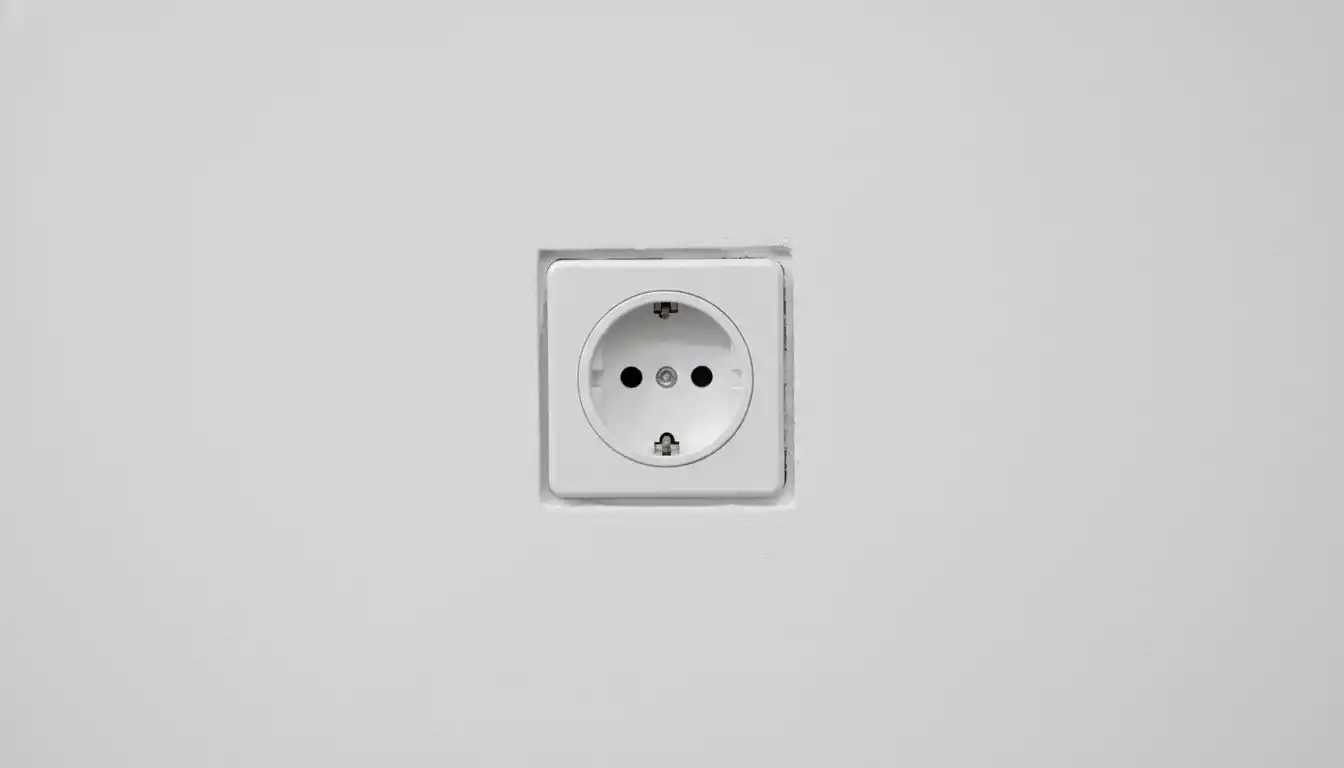
The most effective fix for an electric stove is replacing the surface-mount box with a recessed outlet. These specialized devices, such as the Leviton 1228, allow the plug to sit inside the wall rather than on top of it.
Selecting the Right Hardware
You cannot simply push a standard box deeper into the wall. You need a purpose-built “recessed range outlet.” These are typically large, plastic thermoplastic housings that fit between standard 16-inch stud bays. They angle the plug downward or sideways, keeping the heavy cord close to the wall surface.
Ensure you buy a kit rated for the correct amperage. Most modern electric ranges require a 50-amp, 4-wire connection (NEMA 14-50R). Older homes may still use a 3-wire system, but if you are upgrading, code usually requires bringing it up to the 4-wire standard for safety.
Installation Overview
Turn off the main breaker before touching any wiring. Verify the power is dead with a non-contact voltage tester. This is a high-voltage, high-amperage circuit that can be lethal.
You will need to cut a hole in the drywall to fit the new recessed box. If you are retrofitting this into an existing finished wall, use a “cut-in” or “old work” style box if available, though most range outlets mount directly to the studs. This might require opening the wall slightly more to access the stud for nailing.
Speaking of nailing, securing the box firmly is vital because inserting and removing a 50-amp plug requires significant force. If you are framing out a new section or adding blocking, choosing the right fasteners matters. For structural framing adjustments, knowing the difference between 120 vs 131 framing nails ensures your modifications meet building standards.
Solution 2: Recessed Gas Outlet Boxes
Gas ranges usually require a recessed “gas outlet box.” These look similar to the washing machine valve boxes you see in laundry rooms. They provide a recessed cavity where the shut-off valve lives.
Managing the Gas Line
The primary benefit of a gas box is safety and space. It protects the valve from being crushed by the stove. It also allows the appliance to sit flush because the valve handle no longer protrudes into the room.
When installing these, you must use proper pipe dope or gas-rated Teflon tape on threaded connections. Always leak-test your connections with a soapy water solution before pushing the stove back. If you see bubbles, you have a leak that must be fixed immediately.
Critical Installation Nuances
Many homeowners install a recessed outlet only to find they still have a problem. This often happens because they ignored the “hidden” factors of appliance installation. Here are the expert details often missed.
The Anti-Tip Bracket Conflict
Every modern range comes with an anti-tip bracket. This safety device is bolted to the floor or wall to prevent the stove from tipping over if a child climbs on the open oven door. The bracket usually installs on the bottom right or left corner of the stove footprint.
A common disaster occurs when the new recessed outlet is installed exactly where the anti-tip bracket needs to go. Before cutting your drywall, measure the location of the bracket on the floor. Ensure your new electrical or gas box does not occupy the same vertical space, or you will be unable to engage the safety bracket.
Torque Specifications Matter
When wiring a 50-amp receptacle, “hand tight” is not good enough. Loose connections are the number one cause of electrical fires in high-amperage circuits. The wire heats up, expands, and contracts, eventually loosening the screw further until it arcs and melts the receptacle.
Check the manufacturer’s specifications on the back of the outlet for the required torque (usually measured in inch-pounds). Use a torque screwdriver to tighten the terminal screws to the exact number. This step significantly increases the longevity and safety of your installation.
Insulation and Drafts
Installing a large recessed box requires removing a chunk of drywall and often displacing insulation. In exterior walls, this creates a weak point in your home’s thermal envelope. A poorly insulated cavity behind the stove can lead to cold drafts across your kitchen floor.
If you notice the room furthest from furnace is cold, check if your appliance penetrations are leaking air. Apply low-expansion spray foam around the perimeter of your new recessed box to seal it against the drywall. This prevents cold air from the wall cavity from entering your kitchen.
Wall Finish and Tiling
If you are tiling behind the stove, the thickness of the wall changes. A recessed box installed flush with the drywall might end up too deep once you add backer board and tile. You may need a box extender to bridge the gap.
When preparing the wall surface, ensure you use the correct adhesive. If you are applying tile over a waterproofing membrane or specialized board, choosing between modified or unmodified thinset over redguard is critical for adhesion. You do not want tiles popping loose behind your heavy appliance where they are difficult to repair.
Comparison of Installation Methods
Choosing the right approach depends on your specific obstruction and fuel type. The table below compares the most common solutions.
| Method | Best For | Complexity | Space Gained |
|---|---|---|---|
| Recessed Box (Electric) | Electric ranges with NEMA 14-50 plugs | Moderate (Drywall & Wiring) | 2.5 to 3.5 inches |
| Recessed Box (Gas) | Gas ranges with protruding valves | High (Plumbing & Drywall) | 2 to 3 inches |
| 90-Degree Adapter | Electric plugs hitting wall directly | Low (Plug & Play) | 1 to 1.5 inches |
| Relocation | Outlets completely misaligned with stove void | High (Patching & Painting) | Maximum (Custom fit) |
Frequently Asked Questions: Recessed Stove Outlets and Flush Range Installation
What is a recessed stove outlet and how does it differ from a standard outlet?
A recessed stove outlet is a specialized electrical receptacle designed to sit deeply inside the wall cavity rather than flush with the drywall surface. Unlike a standard surface-mounted outlet where the plug protrudes outward, a recessed model allows the heavy-duty range plug to nest completely within the wall. This design eliminates the obstruction that typically forces a stove to sit several inches away from the wall, allowing for a seamless, flush fit with your backsplash and cabinetry.
Why is there a gap behind my slide-in range?
The gap behind most slide-in ranges is usually caused by the bulk of the electrical plug and the stiff power cord pushing against the wall outlet. Standard heavy-duty range plugs (NEMA 14-50 or 10-50) are thick and do not bend easily. When plugged into a standard wall-mounted receptacle, this hardware acts as a bumper, preventing the appliance from sliding all the way back. Installing a recessed outlet removes this physical barrier.
Does a recessed outlet work for both gas and electric ranges?
It is critical to distinguish between the two power requirements. Most electric ranges require a 240-volt, 50-amp circuit, while most gas ranges only require a standard 120-volt household circuit for the ignition and clock. While the concept of recessing the outlet applies to both to save space, the actual hardware differs significantly. You must purchase a high-voltage recessed receptacle for electric stoves, whereas a gas stove would use a standard voltage recessed box, similar to those used for wall-mounted TVs.
Is it safe to install a recessed stove outlet as a DIY project?
Replacing a range outlet involves working with high-voltage electricity (typically 240 volts), which carries significant safety risks including shock and fire hazards. While an experienced DIYer with knowledge of electrical safety and local building codes may be able to perform the installation, it is highly recommended to hire a licensed electrician. Professionals ensure that the wire gauge is correct, the connections are torqued to specification, and the installation complies with the National Electrical Code (NEC).
What is the difference between 3-prong and 4-prong recessed outlets?
This distinction relates to electrical grounding and the age of your home’s wiring. Older homes often have 3-prong ungrounded outlets (NEMA 10-50), while modern electrical code (post-1996) mandates 4-prong grounded outlets (NEMA 14-50) for new installations. If you are installing a new recessed outlet, current code requires a 4-prong configuration with a separate ground wire. You should check your stove’s cord and your home’s wiring to ensure compatibility, but never alter a plug to fit a mismatched outlet.
How much floor space can I reclaim by using a recessed outlet?
Installing a recessed outlet typically allows you to reclaim between 2 to 4 inches of floor depth. While this may seem minor, it is often exactly enough to bring the front of the oven door in line with your cabinetry and eliminate the gap at the back where food and utensils often fall. This creates a custom, built-in look for freestanding and slide-in ranges without the expense of a remodeling project.
Are recessed range outlets compliant with the National Electrical Code (NEC)?
Yes, recessed range outlets are code-compliant provided they are UL-listed (Underwriters Laboratories) and installed according to the manufacturer’s instructions and local regulations. The NEC requires that receptacles for ranges be accessible and properly rated for the appliance’s amperage. Using a purpose-built recessed box is often safer than bending a heavy-duty cord at a sharp angle, which can damage the internal wiring over time.
Can I install a recessed outlet in an existing wall without removing drywall?
Yes, many recessed outlet kits are designed as “old work” or retrofit boxes, meaning they can be installed into an existing finished wall. However, placement is constrained by the location of wall studs. The box must fit between two studs, and because range cords are short and stiff, you may have limited flexibility in moving the outlet location. You will need to cut a precise hole in the drywall to accommodate the deep box.
Does the orientation of the stove plug matter for a flush fit?
Yes, the orientation is a crucial factor. Range cords typically come with right-angle plugs that point the cord downward or sideways to minimize strain. When selecting a recessed box, ensure the interior space is large enough to accommodate the specific angle of your plug. Some recessed boxes are mounted vertically, while others may be square, so checking your appliance’s plug orientation beforehand ensures the cord won’t kink inside the recessed cavity.
What tools are typically required to install a recessed stove outlet?
To install a recessed outlet, you will generally need a drywall saw to cut the opening, a voltage tester to ensure power is off, wire strippers capable of handling heavy-gauge wire (often 6 or 8 AWG), and screwdrivers. If you are retrofitting the box, you may also need a stud finder to locate the wall framing. Due to the thickness of range wiring, having a high-leverage pair of linesman pliers or cable cutters is also helpful for managing the stiff conductors.