Modern plumbing has a superstar: PEX piping. It’s flexible, durable, and easier to install than traditional copper. But it comes with one glaring issue, especially in homes with exposed ceilings, utility rooms, or basements: its color.
The bright red, blue, and milky white tubes are designed for easy identification of hot and cold lines, not for blending in with your decor. This functional design choice often leaves a visually jarring, unfinished look that clashes with carefully planned aesthetics. The central question for many homeowners and DIY enthusiasts is, can you paint PEX pipe without creating a future maintenance nightmare?
The short answer is yes, but the long answer is far more complex. Painting this unique material requires a specific approach to avoid the paint bubbling, cracking, and peeling right off. This guide provides the definitive process for painting PEX correctly, ensuring a durable and attractive finish that lasts.
Why Painting PEX Is a Unique Challenge
Before jumping into the solution, it’s crucial to understand the problem. PEX, or cross-linked polyethylene, is a type of plastic with properties that make it inherently resistant to paint adhesion. Simply applying a coat of standard wall paint is a recipe for failure.
The material itself presents the primary hurdle. PEX has a very smooth, non-porous surface with low surface energy, which means liquids like paint tend to bead up rather than spread out and bond. Furthermore, PEX is prized for its flexibility and its ability to expand and contract with temperature changes in the water it carries. This constant, subtle movement will quickly crack and delaminate any paint that is too brittle.
Beyond aesthetics, there’s another critical reason to consider painting PEX: UV light protection. Standard PEX tubing is not rated for continuous sunlight exposure. The ultraviolet rays can cause the plastic to become brittle and degrade over time, leading to potential leaks and failures. A proper paint job can provide a crucial protective barrier against UV damage, turning a cosmetic fix into a functional upgrade.
The Secret to Success: Choosing the Right Paint and Primer
The success of your project hinges almost entirely on selecting the right products. The key is to create a system where a primer bonds to the difficult plastic surface and the paint bonds to the primer while remaining flexible enough to move with the pipe.
The undisputed best combination for this task is a high-quality bonding primer followed by a 100% acrylic latex paint. The bonding primer is chemically engineered to adhere to glossy, slick surfaces like plastic. It acts as the essential middleman between the PEX and the topcoat. The acrylic latex paint is vital because it retains flexibility as it cures, allowing it to stretch and move with the pipe’s thermal expansion and contraction.
Conversely, some paints are guaranteed to fail. Oil-based or alkyd paints become very hard and brittle when they cure and will crack almost immediately. Likewise, most standard spray paints should be avoided unless the label explicitly states they are designed for flexible plastics, as some aerosol propellants can even damage the PEX material itself.
Paint & Primer Suitability for PEX Piping
Understanding your options is key to a lasting finish. The table below compares different systems to help you make an informed choice.
| Primer Type | Paint Type | Suitability for PEX | Pros | Cons |
|---|---|---|---|---|
| Bonding Primer for Plastics | 100% Acrylic Latex | Excellent | Creates a strong, durable, and flexible bond. Widely available in many colors. | Requires a two-step process (prime and paint). |
| All-in-One “Paint & Primer” for Plastic (Spray) | Acrylic Aerosol | Good | Convenient single-product application. Good for complex pipe runs with many fittings. | Must be a formula for flexible plastics. Can be harder to get an even coat without drips. |
| No Primer | Standard Latex/Acrylic | Very Poor | None. | Will not adhere properly; guaranteed to peel and flake off quickly. |
| Any Primer | Oil-Based Enamel | Very Poor | None. | Paint becomes brittle and will crack and flake as the pipe expands and contracts. |
| Self-Etching Primer | Any | Poor | Designed for metal. | Can have unpredictable and poor adhesion results on polyethylene plastics like PEX. |
Your Step-by-Step Guide to a Flawless Painted PEX Finish
With the right materials in hand, the process itself is straightforward. Meticulous preparation is what separates a professional-looking, durable job from a peeling mess. Follow these steps precisely for the best results.
Step 1: Ensure Safety and Protect the Area
Begin by ensuring your workspace is well-ventilated, especially when working with cleaning solvents and primers. Lay down drop cloths to protect the floor and surrounding surfaces from drips and overspray. Use painter’s tape to mask off any areas on the wall or fittings that you do not want painted.
Step 2: Clean the PEX Pipe Meticulously
This is the most critical step for good adhesion. PEX pipes often have oils, dirt, or a thin film of residue left over from the manufacturing and installation process. You must remove these contaminants. Wipe the entire surface of the pipe thoroughly with a clean cloth dampened with denatured alcohol or a 50/50 mix of isopropyl alcohol and water. For stubborn grime, a mild degreasing soap and water can be used, but be sure to rinse and dry the pipe completely afterward.
Step 3: De-Gloss the Surface with a Light Scuff
You need to give the smooth plastic surface some “tooth” for the primer to grip. Do not use heavy-grit sandpaper, as this will create deep scratches that may show through the paint. Instead, lightly scuff the entire pipe with a fine-grit sandpaper (220-grit or higher) or a synthetic scuffing pad. The goal is simply to knock off the glossy sheen, not to remove material.
After scuffing, wipe the pipe down one more time with a tack cloth or a cloth dampened with alcohol to remove all sanding dust.
Step 4: Apply a High-Quality Bonding Primer
Now it’s time for the magic ingredient. Apply a thin, even coat of a bonding primer specifically designed for plastics or other slick surfaces. Follow the manufacturer’s instructions regarding application temperature and dry times. Rushing this step will compromise the entire job. It’s better to apply two very thin coats of primer than one thick, heavy coat. Let the primer cure completely.
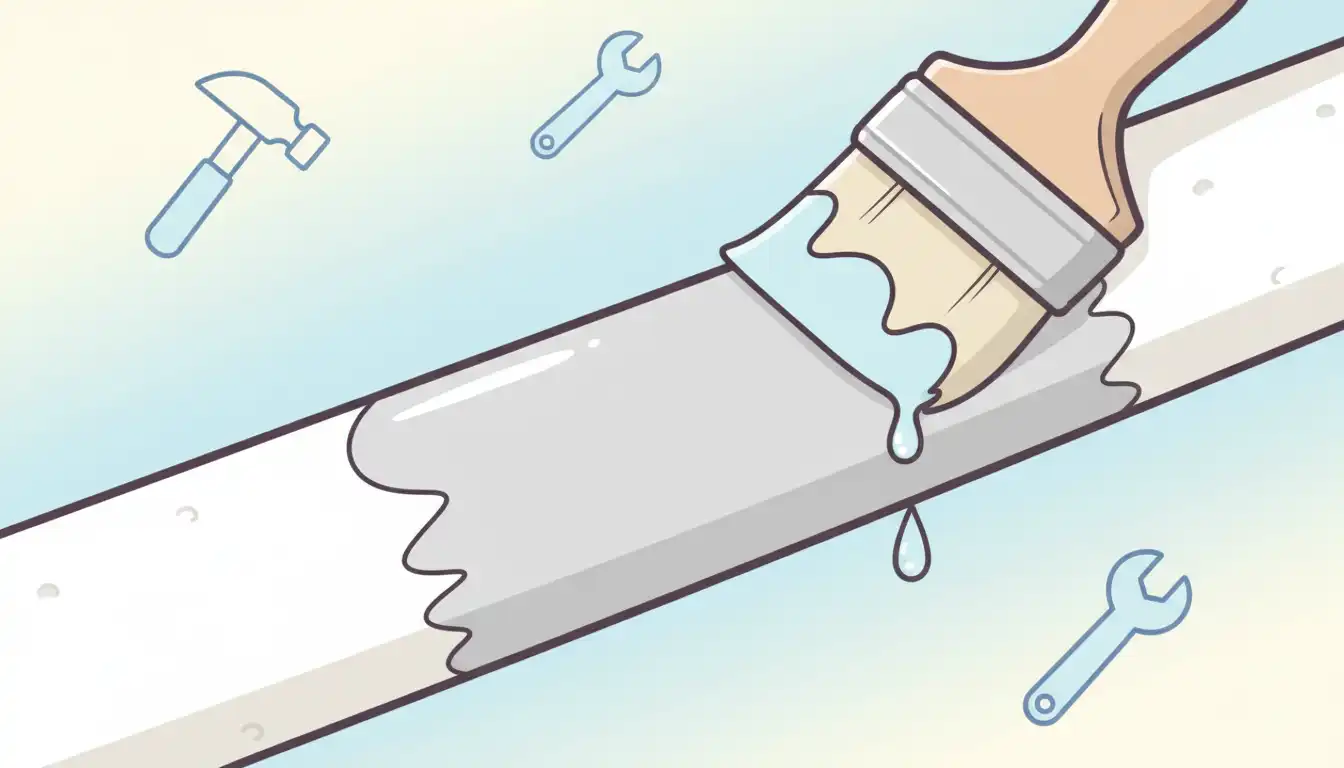
Step 5: Apply the 100% Acrylic Latex Paint
Once the primer is fully cured, you can apply your topcoat. Use a high-quality brush or a mini-roller to apply thin, even coats of your 100% acrylic latex paint. As with the primer, two or three thin coats will produce a more durable and professional-looking finish than one thick coat. Applying the paint too heavily can cause issues where the paint roller leaving texture becomes a problem, marring the smooth look you want.
Step 6: Allow for Full Curing Time
Patience is paramount. While the paint may feel dry to the touch in a few hours, it takes much longer—often several days to a week—to fully cure and achieve its maximum hardness and flexibility. Avoid bumping or abrading the pipes during this critical curing window. Rushing the pipes back into service with hot water can stress the paint before it’s ready.
Advanced Insights for a Truly Professional Job
Going beyond the basics can elevate your project’s longevity and appearance. These considerations are what separate a DIY job from a truly expert finish.
The constant expansion and contraction of the pipes is the primary stressor on the paint. While choosing flexible paint is the solution, the noise from this movement can sometimes be a separate issue. If you hear creaking from your pipes, understanding how to stop thermal expansion noise involves addressing how the pipes are secured, which is a related but distinct mechanical issue.
The science behind paint failure on PEX relates to “surface energy.” PEX has low surface energy, which repels liquids. The cleaning and scuffing process helps to raise this energy, but for ultimate adhesion, professionals sometimes use a specialized chemical called an adhesion promoter. This is a clear pre-primer that chemically alters the surface of the plastic, ensuring an unbreakable bond with the primer. While overkill for most residential jobs, it’s a technique used in automotive and industrial applications for painting similar plastics.
Finally, your choice of color has a subtle technical impact. Darker colors, especially black, will absorb more ambient heat, potentially increasing the degree of thermal expansion in the pipes. Conversely, lighter colors are more reflective. If you are painting PEX to protect it from UV exposure near a window, a lighter, more reflective color will provide better protection and minimize heat absorption. A poorly applied dark coat can also highlight imperfections, creating a visual distraction much like when you notice that your grout looks wet in spots, drawing the eye for the wrong reasons.
Frequently Asked Questions
Even with a detailed guide, specific questions often arise. Here are answers to the most common queries about painting PEX.
Can you use spray paint on PEX pipe?
Yes, but with a major caveat. You must use a spray paint specifically formulated for use on plastic that is designed to remain flexible after curing. A standard enamel spray paint will become brittle and crack. Even when using the correct spray paint, applying a bonding primer first will still yield a more durable and longer-lasting result.
Will painting PEX tubing void its warranty?
This is a critical consideration. It is highly probable that altering the pipe in any way, including painting it, will void the manufacturer’s warranty. Most warranties cover only manufacturing defects of the pipe in its original state. If you are working with a new installation where the warranty is a significant concern, it is essential to contact the PEX manufacturer directly to inquire about their policy on painting or coating their product.
Is it safe to paint PEX pipes that carry drinking water?
Yes, it is perfectly safe. The paint is only applied to the exterior of the pipe and never comes into contact with the potable water flowing inside. As long as you ensure proper ventilation during the painting process and use modern low- or zero-VOC (Volatile Organic Compounds) paints, there are no health risks associated with painting your water supply lines once the paint is fully cured.
Conclusion: From Unfinished Eyesore to Integrated Design
Painting PEX pipe is not only possible but is often a necessary step to achieve a finished, professional look in spaces with exposed plumbing. While the material presents a challenge, it is one that can be overcome with the right knowledge and materials.
Success is not found in a single can of paint, but in a systematic approach. The formula is simple but non-negotiable: thorough cleaning, light scuffing, a high-adhesion bonding primer, and a flexible 100% acrylic latex topcoat. By following these steps and respecting the curing process, you can transform utilitarian red and blue lines into a seamless part of your home’s design, creating a polished look that is both beautiful and durable.