That faint hissing sound from your gas meter can instantly trigger a wave of anxiety. Is it a normal operational noise or the tell-tale sign of a dangerous leak? This uncertainty is a common problem for homeowners, and knowing how to respond is critical for your safety.
Ignoring a potential gas leak can have catastrophic consequences, but overreacting to a normal sound can cause unnecessary panic. This guide will empower you to understand what your gas meter is telling you, differentiate between normal and dangerous noises, and take decisive, life-saving action when necessary.
Decoding the Hiss: Normal Operational Sounds vs. A True Emergency
Before panic sets in, it’s important to understand that your gas meter is a mechanical device that regulates pressure. Some faint noises are a normal part of its operation. The key is to distinguish these from the persistent hiss of escaping gas.
Many homeowners are surprised to learn that a brief, soft hiss is often just the sound of the internal regulator working. This is especially common when a major gas appliance, like your furnace or water heater, kicks on, drawing a higher volume of gas through the system.
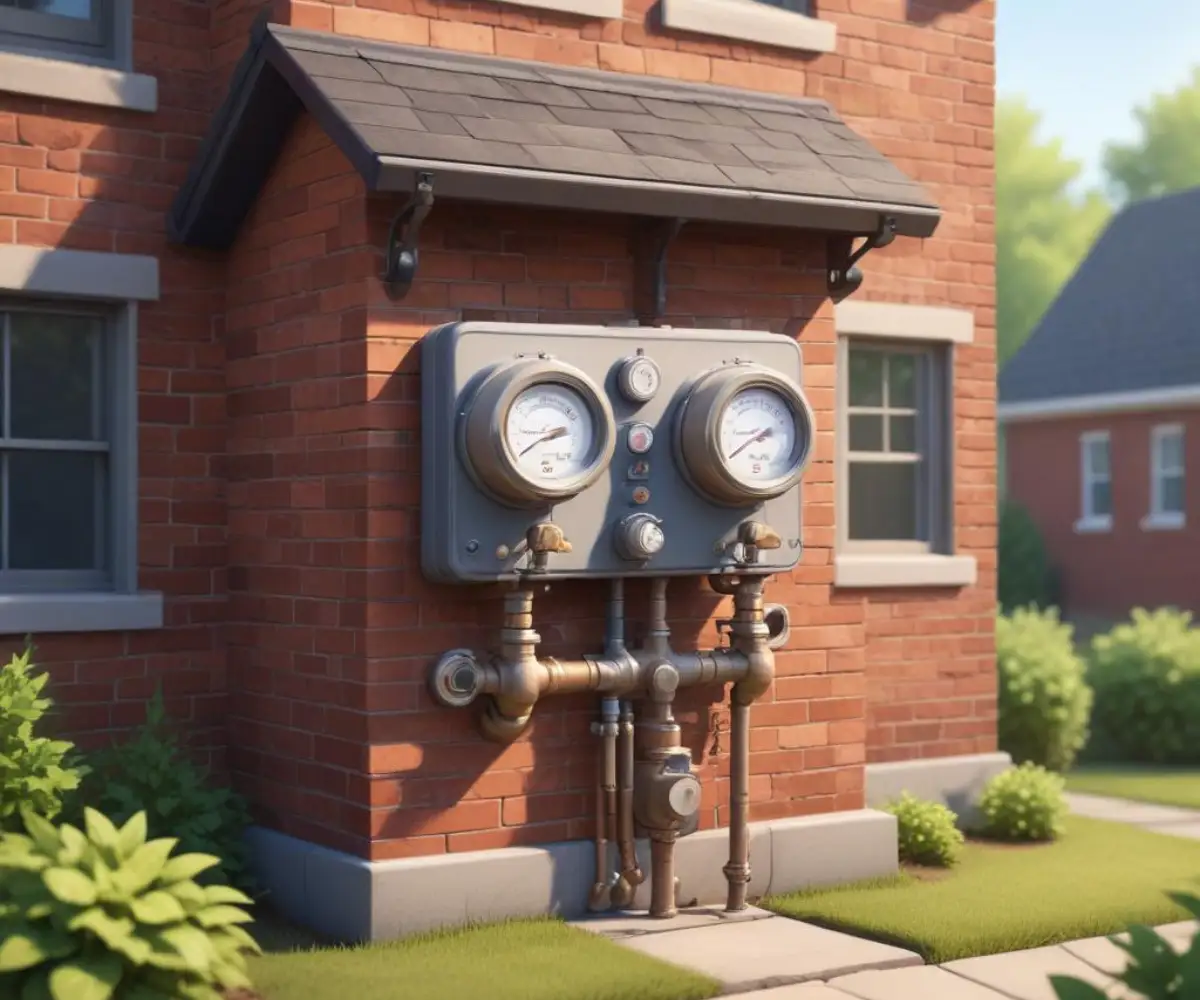
What a Normal Gas Meter Sounds Like
A gas meter’s primary job is to measure the volume of gas your home consumes and to reduce the high pressure from the main line to a usable, lower pressure for your appliances. This pressure regulation is the most common source of normal noise.
You might hear a faint whooshing or a soft, intermittent hiss as the diaphragm inside the regulator moves. Think of it like the sound of air being let out of a tire very slowly; it’s present but not alarming. These sounds often stop and start as your gas usage changes throughout the day.
Warning Signs: When a Hiss Means Danger
A hissing sound becomes a red flag when it’s loud, sharp, and continuous. If the sound is constant and doesn’t stop, regardless of whether your appliances are running, it strongly indicates that gas is actively escaping from a pipe, fitting, or the meter itself.
This is not a sound to investigate on your own. A steady, audible hiss is a clear signal of a potential gas leak and requires immediate, decisive action. This is the moment to prioritize safety above all else.
The Three-Sense Safety Check: Smell, Sight, and Sound
While sound is an immediate alert, your other senses are crucial for confirming a gas leak. Natural gas is odorless, so utility companies add a chemical called mercaptan to give it a distinct, foul smell for safety.
This odorant is your most reliable tool for detection. Combining what you hear with what you smell and see creates a more complete picture of the situation, helping you make the right call quickly and safely.
The Unmistakable Smell of Mercaptan
The smell of mercaptan is often compared to rotten eggs or sulfur. It’s a pungent, unpleasant odor designed to be immediately noticeable even at very low concentrations. If you hear a hiss and smell this odor simultaneously, the probability of a gas leak is extremely high.
Do not dismiss a faint odor. Odor fade can occur where the smell diminishes, but the danger remains. Trust your nose; if you smell gas, act as if you have a confirmed leak.
Visual Clues of an Outdoor Gas Leak
A significant underground gas leak can also leave visual evidence. Look for signs in the area around your gas meter, especially if it’s located on your lawn or near landscaping.
Escaping gas displaces oxygen in the soil, which can kill vegetation. Watch for unexplained dead or dying patches of grass or plants near the gas line or meter. On a damp day, you might even see bubbles forming in wet soil or standing water, which is a definitive sign of gas escaping.
Immediate Steps for a Suspected Gas Leak
If you hear a loud, steady hiss and/or smell rotten eggs, you must act immediately. Your priority is to get everyone away from the potential danger zone. Do not waste time trying to locate the source of the leak yourself.
Every second counts. Follow these steps precisely to ensure the safety of yourself and your family. Do not use your phone, turn on/off lights, or operate any electrical devices inside or near the suspected leak area.
Your Emergency Action Plan
- Do Not Create a Spark: A tiny spark from a light switch, telephone, or even static electricity can ignite the gas. Do not use anything that could create an ignition source. This includes your cell phone—wait until you are a safe distance away.
- Evacuate Immediately: Leave the building or area right away. Prop the door open on your way out to help with ventilation. Move to a safe location upwind from the suspected leak.
- Call from a Safe Distance: Once you are far away from the building (at least 300-400 feet, or at a neighbor’s house), call your gas utility’s emergency number or 911. Provide them with your address and report a suspected gas leak.
- Do Not Re-enter: Wait for the utility company or emergency services to arrive and declare the area safe before you return.
Following these steps without hesitation is the single most important thing you can do to prevent a tragedy. Emergency responders are trained for these situations and have the equipment to handle them safely.
Differentiating Normal vs. Dangerous Noises: A Quick Guide
For quick reference, understanding the nuances of gas meter sounds can provide peace of mind or confirm the need for an emergency call. The context of the sound is just as important as the sound itself.
Use the following table to help assess the situation. However, always remember the golden rule: when in doubt, get out and call for help. It is always better to be safe than sorry.
| Sound Description | Possible Cause | Recommended Action |
|---|---|---|
| Soft, intermittent hissing or whooshing | Normal regulator operation, especially when appliances turn on. | Monitor the sound. If it’s not accompanied by a gas smell and stops and starts, it is likely normal. |
| Loud, sharp, continuous hissing | Potential gas leak. Gas is actively escaping from a pipe or fitting. | IMMEDIATE EMERGENCY. Evacuate the area and call your gas utility or 911 from a safe distance. |
| Clicking or soft thumping | Normal operation of the internal meter mechanism measuring gas flow. | Generally no action is needed. This is a common mechanical sound. |
| Squeaking or chirping noise | An older meter with worn internal parts. Often more pronounced in cold weather. | This is typically not a leak, but you should call the non-emergency number for your gas utility to have the meter inspected and possibly replaced. |
| Loud roaring or whistling sound | High-pressure gas leak. This is an extremely dangerous situation. | EXTREME EMERGENCY. Evacuate immediately to a much greater distance and call 911. |
The Soap Test: A Cautious DIY Leak Check
For a very faint hiss where you do not smell gas, you might consider performing a soap bubble test. This should only be done if you are confident the situation is not an immediate emergency. If you have any doubt, skip this and call the professionals.
This test uses a simple soap solution to create bubbles where gas is escaping. It’s the same method professionals use to pinpoint small leaks in accessible fittings.
How to Safely Perform the Test
- Mix the Solution: In a small bowl or spray bottle, mix a few squirts of dish soap with water. You want a solution that will create lasting bubbles.
- Apply the Solution: Carefully apply the soapy water to the pipe fittings and connections around the gas meter where you suspect a leak. Use a small brush or the spray bottle.
- Look for Bubbles: If gas is leaking, it will create bubbles in the soap film. These can range from small, slow-forming bubbles to a large, frothing mass, depending on the size of the leak.
- If You See Bubbles: Any bubbles confirm a gas leak. Even if it’s small, it needs to be repaired. Leave the area and call your gas utility’s emergency line immediately.
Never use a flame to check for a gas leak. This is incredibly dangerous and can cause an explosion. The soap bubble test is the only safe method for a visual check.
Understanding Your Gas Meter’s Components
Knowing the basic parts of your gas meter setup can help you understand where noises might originate. The main components are the shutoff valve, the meter itself, and the regulator. The entire assembly is designed for safety and accuracy.
The pipes leading to and from the meter are also critical. Issues with external pipes, such as corrosion or damage, can be a source of leaks. It’s wise to keep the area around your meter clear, as some regulations related to a plumbing vent through an exterior wall also emphasize the importance of unobstructed access to utility connections.
The Gas Regulator
The regulator is typically a round, saucer-shaped component. This is the part responsible for reducing gas pressure. The regulator is the most common source of normal hissing sounds, as the internal diaphragm adjusts to gas demand.
A vent on the regulator allows it to breathe. A brief puff of air from this vent is normal, but a continuous stream of gas is a sign of a regulator failure and is a dangerous situation.
The Meter and Shutoff Valve
The meter itself is the boxy component with dials that measure consumption. While the internal mechanism can make clicking sounds, it’s rarely the source of a hiss. The shutoff valve is usually located on the pipe before the meter. Knowing its location is important, but you should never attempt to turn it off yourself unless instructed to by an emergency operator.
Gas appliances within the home, such as a furnace, also have their own complex systems. If you’re experiencing issues beyond the meter, such as with a specific appliance, dedicated troubleshooting may be required. For instance, problems with a burner might need specific attention, much like in Carlin gas conversion burner troubleshooting.
Long-Term Safety and Maintenance
Preventing gas leaks is about awareness and proper maintenance. While your gas utility is responsible for the meter and the line leading up to it, you are responsible for the gas lines inside your home.
Regularly inspect your visible gas lines and appliance connections for signs of damage or corrosion. Also, ensure the area around your meter remains clear of debris and vegetation. Proper site maintenance, such as ensuring you know how to drill holes in a patio for drainage, can prevent water from pooling and corroding pipes near the ground.
When to Call the Gas Company vs. a Plumber
It’s important to know who to call. The gas utility is responsible for the meter and the service line that runs from the street to your meter. If you suspect a leak at the meter or on the street side of the meter, always call your gas utility’s emergency line first.
A licensed plumber is responsible for the gas piping inside your home, from the meter to your appliances. If the gas company shuts off your service due to a leak on your property (downstream of the meter), you will need to hire a plumber to make the necessary repairs before the utility will restore service.