An unused cable outlet can be a small eyesore that is easy to ignore, especially when it sits behind furniture or near the floor. Covering it can make a room look finished, reduce dust and drafts around the opening, and keep children or pets away from a protruding connector. The job is often a manageable DIY task, but the right approach depends on whether the cable is active, abandoned, damaged, or part of a rental property.
This guide walks through practical ways to cover an unused cable outlet, from a simple blank wall plate to a capped coax connector and a patched wall. It also covers safety checks, tools, common mistakes, and the situations where calling the cable provider or an electrician is the wiser choice.
What Counts as an Unused Cable Outlet?
In most homes, a cable outlet is a wall plate with a round coaxial connector, often called an F-connector. It may be a single jack, part of a multi-port plate with phone or data ports, or an older plate installed by a cable technician. “Unused” usually means no television, modem, or set-top box is connected to it anymore.
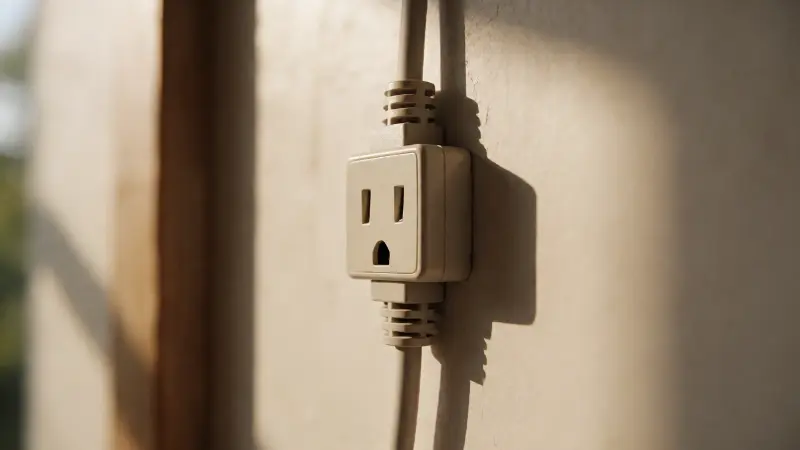
It is useful to separate a low-voltage cable outlet from an electrical receptacle. A coaxial cable jack normally carries a low-voltage signal, while a standard electrical outlet carries household current. If the plate you want to cover has slots for a plug, USB ports, or a switch, treat it as an electrical device and use appropriate electrical safety steps rather than low-voltage cable methods.
Some cable outlets are truly abandoned, meaning the provider no longer uses the line and the cable is disconnected outside. Others are dormant but still connected. The difference matters because a dormant line may still carry a signal, and a damaged connector or cable can create interference or a shock risk in unusual circumstances. When in doubt, treat the outlet as active until you confirm otherwise.
Safety First: Identify What Is Behind the Plate
Before you buy a cover plate, remove the existing plate carefully and look at what is behind it. You may see a coaxial cable attached to the connector, a low-voltage mounting bracket, a plastic old-work box, or simply a hole in the drywall with cable pushed through. Stop if you see exposed electrical wires, scorch marks, loose wire nuts, or a metal box that looks like it belongs to a electrical circuit.
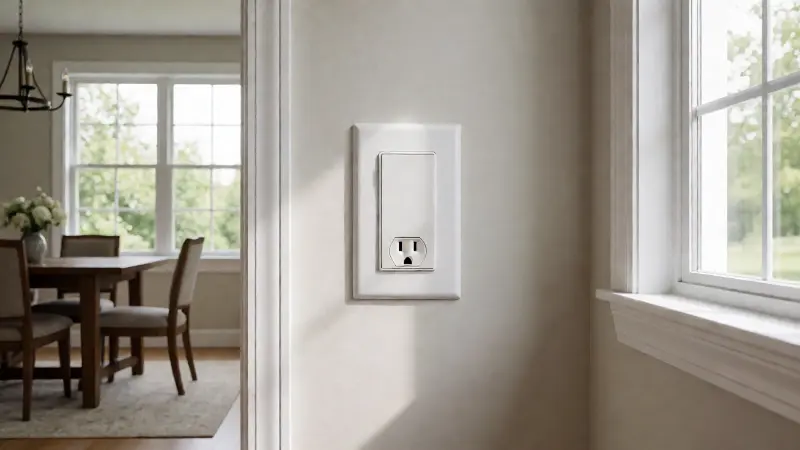
If the outlet is a coaxial jack, avoid yanking the cable or bending the connector sharply. Coaxial cable has a rigid center conductor and a braided shield, and a crushed or kinked connector can affect signal quality. If the cable is loose in the wall, do not pull it farther into the room unless you are sure it is abandoned and you have a plan for the excess.
If the outlet turns out to be a 240V receptacle rather than a cable jack, stop and review safe 240V to 120V conversion before changing anything. Electrical work at that voltage deserves a careful approach and, in many cases, a licensed electrician. For a normal cable jack, the main risks are usually damage to the cable, poor signal, and cosmetic problems rather than high-voltage shock.
Use a non-contact voltage tester only as a basic check on electrical parts, and do not assume a coaxial cable is dead because a TV no longer works in that room. Cable lines can be connected to splitters, amplifiers, or provider equipment elsewhere in the home. If you are unsure whether the line is active, contact the cable provider or leave the cable connected and cover it with a removable plate.
Method 1: Install a Blank Wall Plate
A blank wall plate is often the simplest cover for an unused cable outlet. It is a solid plate with no opening, available in plastic or metal and in several finishes. The plate screws onto the existing low-voltage bracket or box and hides the hole without requiring you to cut or disconnect the cable.
Start by removing the old plate and unscrewing the coaxial connector from the plate if it is attached. Keep the cable and connector intact. If the connector is too long to fit behind a blank plate, you may need a low-profile cap or a plate with a small opening instead. Gently fold the cable so it sits inside the wall cavity or box without sharp bends.
Choose a blank plate that matches the box or bracket and the room’s other outlets. Screw it on snugly, but do not over-tighten, especially on plastic plates that can crack. A blank plate is reversible, inexpensive, and renter-friendly because it leaves the cable in place for future use. The main drawback is that a blank plate can look plain, and it may not sit flush if the cable connector protrudes too far.
Method 2: Use a Coax Cap and a Clean Plate
If you want to keep the outlet usable, a coaxial cap combined with a tidy wall plate is a practical option. An F-type cap screws or pushes onto the threaded connector and protects the center pin and threads from dust and accidental damage. Some caps are plastic, while others are metal; choose one that fits the connector properly and does not force the center pin.
You can keep the original wall plate if it is in good condition, or replace it with a clean plate that has a single coaxial opening. Screw the cap onto the connector, then reinstall the plate. This method leaves the outlet ready for a TV or modem later, and it covers the rough opening around the cable. It does not seal air movement as well as a solid blank plate, but it is a good compromise for a cable jack you may use again.
Do not use tape as a permanent cover over a coax connector. Tape can leave adhesive residue, trap moisture, and look messy. A proper cap is inexpensive and easier to remove. If the connector is damaged or the cable is pulling out of the plate, have the line repaired or replaced rather than hiding the problem behind a cover.
Method 3: Add a Decorative or Brush-Style Cover
Decorative wall plates and brush-style plates can make an unused cable outlet look more intentional. A brush plate has a slit with soft bristles that lets a cable pass through while covering the opening. For an unused outlet, it can look cleaner than an open hole, and it is useful if you occasionally plug in a device.
Brush plates are not a perfect air seal because the bristles leave a small gap. They are also not a substitute for a proper electrical box when one is required. Use them as a cosmetic cover for low-voltage cable, not as a way to hide damaged wiring or an unsafe connection. If the plate is in a visible living area, choose a finish that matches nearby outlets and switch plates.
Another option is a hinged or flip-style cable cover, often used for wall-mounted TVs. These covers can hide the cable connection and provide a finished look, but they are usually designed for specific cable management situations. Check that the cover fits the wall plate and does not put pressure on the coax connector. A simple decorative plate is often enough for a standard cable jack.
Method 4: Patch and Paint After Removing the Outlet
If the cable line is truly abandoned and you do not expect to use it again, you may prefer to remove the plate and patch the drywall. This gives the cleanest finished wall, but it requires more confidence and a clear answer about the cable. Do not patch over an active cable, provider equipment, or a line that a future resident may need.
First, confirm with the cable provider or property owner that the line is disconnected and can be abandoned. Remove the wall plate and carefully coil the cable inside the wall cavity if there is room. Avoid cutting the cable unless you are authorized to do so and have checked that it is not carrying power. Place a small patch over the opening, apply joint compound, sand, and paint to match the wall.
If the cable is stiff or the hole is large, you may need a drywall patch or a small piece of backer material. Keep the work neat and avoid overfilling the hole, which can make sanding difficult. Patching is less reversible than a blank plate, and it can make future cable service harder to restore. In a rental, get written permission before patching or removing any provider-installed outlet.
Comparison Table: Which Cover Method Fits Your Situation
| Method | Good fit for | Tools and materials | Reversible? | Watch-outs |
|---|---|---|---|---|
| Blank wall plate | Keeping the cable in place while hiding the opening | Screwdriver, blank plate, screws | Yes | May not sit flush if the connector protrudes |
| Coax cap with plate | Outlets that may be used again | F-type cap, clean wall plate, screwdriver | Yes | Cap must fit without bending the center pin |
| Brush or decorative plate | Visible rooms and occasional cable use | Brush plate, screwdriver, matching finish | Yes | Not a full air seal; check fit around connector |
| Patch and paint | Confirmed abandoned cable and a fully finished wall | Drywall patch, joint compound, sandpaper, paint | No, not easily | Do not cover active or unknown lines |
Tools and Materials That Make the Job Cleaner
A basic cable outlet cover job needs only a few items: a screwdriver that matches the plate screws, a clean cloth, and the cover plate or cap you plan to use. A small container for screws helps prevent losing them behind furniture. If you are patching drywall, add a drywall knife, joint compound, sanding sponge, and matching paint.
For safety checks, a flashlight is useful for looking into the wall opening. Safety glasses are sensible when sanding or working overhead, and a dust mask helps with drywall dust. Avoid using power tools near the cable unless you have checked what is behind the wall. A magnetic screwdriver can be handy for starting screws in tight spots.
If the existing plate is painted over, score the paint line with a utility knife before removing it to reduce drywall damage. Keep the old plate and screws in a bag in case you or a future owner wants to restore the outlet. Label the cable if you know where it goes, especially in a basement or media closet with several lines.
Working Around Existing Wiring and Cable Lines
Cable outlets often share wall space with electrical outlets, phone jacks, and data ports. Before you push a cable into the wall, check that the cavity is not crowded with electrical wiring. Do not force a coaxial cable against sharp metal edges or stapled electrical cables. If the opening is tight, a low-voltage mounting bracket or a proper old-work box can make the installation cleaner.
If the cable is still connected to a provider splitter, disconnecting it may affect other outlets in the home. In some setups, an unused jack is part of a daisy chain or splitter network, and removing a terminator or cable can change signal levels. If you are simply covering the outlet, leave the connection intact and use a cap or blank plate. If you plan to remove the cable, ask the provider whether it should be terminated or disconnected at the source.
For a flush, finished look around appliances, the same principles of measuring, clearing the opening, and choosing the right plate apply. If your project involves a range rather than a cable jack, the guidance on recessed stove outlet flush fit can help you think through clearance and finish.
Exterior and Garage Cable Outlets
Exterior cable outlets need a cover that handles moisture and weather. A standard indoor plastic plate may become brittle outdoors and may not seal well against rain. Use a cover rated for exterior use, and check that the cable enters the box or plate in a way that sheds water away from the opening. Avoid caulking directly over the coax connector or trapping water inside the plate.
Garage outlets face dust, temperature changes, and occasional bumps. A metal plate or a sturdy plastic cover can hold up better than a thin decorative plate. If the cable runs along the exterior wall, inspect it for cracks or loose connectors before covering the indoor end. A damaged exterior cable can let moisture into the line and affect the whole system.
If you notice a downed or low-hanging cable line outside, do not try to cover it or move it yourself. Treat it as a utility problem and review who to call for downed cable for safe next steps. Keep people and pets away from the line until the provider or utility has assessed it.
Rental and Resale Considerations
In a rental, a reversible cover is usually the safer choice. A blank plate or coax cap can be removed later without changing the wall, while patching and painting may require landlord approval. Check your lease before removing provider equipment or altering the wall. If the cable outlet is part of a bulk service included with the rental, the owner may want it left accessible.
When selling a home, an unused cable outlet is rarely a major issue, but a messy hole or dangling cable can look neglected. A clean plate or cap is an inexpensive improvement. Keep a note of which outlets are active and which are abandoned, especially if you have a media closet or multiple cable runs. Buyers may appreciate knowing that the outlet can be reactivated.
If you patch over an outlet, consider leaving a note or photo of the cable location for future service work. Do not bury provider equipment behind drywall without confirming that the provider does not need access. A small access plate can be a better compromise than a full patch when the line’s status is uncertain.
Mistakes to Avoid When Covering an Unused Cable Outlet
- Covering a damaged connector: A bent center pin or loose cable can cause signal problems. Repair or replace the connector before hiding it.
- Assuming the line is dead: A TV that no longer works does not prove the cable is disconnected. Confirm with the provider if you plan to remove or cut it.
- Using the wrong cover outdoors: Exterior outlets need weather-resistant covers and sensible drainage.
- Over-tightening plate screws: Plastic plates can crack, and cracked plates look worse than the original outlet.
- Patching over active service: A future resident or technician may need access to the line.
- Ignoring electrical wiring: If the box contains household wiring, stop and treat it as an electrical project.
Another common mistake is choosing a cover that does not match the wall opening. A plate designed for a single-gang box may not fit a low-voltage bracket, and a plate with a raised center may not sit flush. Take the old plate to the store or measure the opening before buying a replacement. If the opening is irregular, a slightly larger plate can often cover it without drywall work.
FAQ
Can I just put a blank plate over an unused cable outlet?
In many cases, yes. A blank plate is a simple way to cover a low-voltage cable opening while leaving the cable in place. Check that the cable and connector are not damaged, and make sure the plate fits the existing box or bracket. If you are unsure whether the line is active, a blank plate is more reversible than patching the wall.
Is it safe to cover a cable outlet?
Covering a standard coaxial cable outlet with a proper plate or cap is usually a low-risk cosmetic task. The main concerns are damage to the cable, signal problems, and mistaking electrical wiring for a cable jack. If you see household wires, scorch marks, or unusual damage, stop and have the outlet assessed by a qualified person.
What should I do with the cable sticking out of the wall?
If the cable is active or may be used later, keep it connected and tuck it carefully into the wall cavity or box without sharp bends. Use a blank plate or a capped coax plate to cover the opening. If the cable is confirmed abandoned and you have permission, you may be able to remove or patch over it, but avoid cutting unknown lines.
Do I need to call the cable company to cover an outlet?
You usually do not need to call the cable company just to install a cover plate or cap. Call the provider if you want to disconnect service, remove provider equipment, repair a damaged line, or confirm that a cable is abandoned. If an exterior line is down or damaged, contact the provider or utility and keep people away from it.